
What Is The Main Cause Of Costa Concordia Accident?
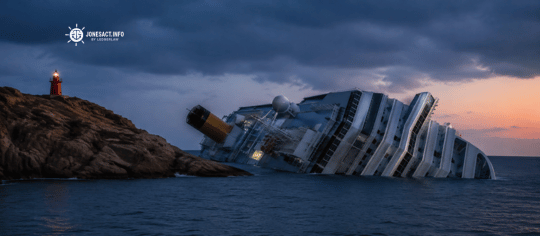
Key Takeaways: The main cause of the Costa Concordia accident was human error after the ship deviated from its planned route. Captain Francesco Schettino ordered an informal close-coastal salute near Giglio island. The cruise ship struck the le scole reef after navigating too close to shore in shallow waters. Disabled or ignored navigation safeguards, weak bridge communication, and delayed evacuation procedures worsened the disaster. Thirty two people died, while more than 4,200 passengers and crew were rescued. The Costa Concordia disaster forced major changes to cruise line safety rules, muster drills, and route controls. Costa Crociere’s chief executive said in July 2014 that removing the wreck would cost 1.5 billion euros, about $2 billion, PBS NewsHour reported. On the night of 13 January 2012, the costa concordia was sailing through a calm Tyrrhenian sea near giglio island. The mood on board was relaxed: restaurants were open, many passengers were settling into the first evening of their cruise, and the huge ship looked like a floating resort, complete with restaurants, theaters, and four swimming pools. Then the ship struck submerged rocks. Within minutes, water flooded critical spaces, lights failed, and the cruise ship began to list. Passengers were first told the problem was only an electrical fault, but the situation was already far more serious. By the next morning, the concordia lay on her starboard side near isola del giglio, half-submerged and visible from the shore. The central question is still unsettling: how could one of the most advanced modern cruise ships run aground on a known reef in good weather? The answer is not a single broken machine or a freak act of nature. It is a chain of choices involving navigation, human error, bridge discipline, company culture, and delayed emergency response. This article explains the cause of the Costa Concordia accident in practical terms, from the fatal route deviation to the evacuation and the reforms that followed across the cruise industry. 10 Main Reasons – What Caused the Costa Concordia Accident? The primary cause of the incident was an unauthorized route deviation for a close “sail-by salute” near giglio island, combined with navigation mistakes and a severely delayed rescue operation process. 1. Unauthorized Route Deviation: The primary cause of the Costa Concordia incident was an unauthorized deviation from the planned course. Captain Francesco Schettino ordered a close “sail-by salute” near Giglio Island, bringing the ship dangerously close to the shore and the submerged Le Scole reef. This maneuver was not part of the official passage plan and significantly reduced safety margins. 2. Risky Close-Coastal Maneuver: The ship navigated at an unsafe speed of approximately 15.5 knots in dark conditions near shallow reefs. This close-coastal maneuver increased the risk of collision with underwater hazards, leaving little room for error or corrective action. 3. Disabled or Ignored Navigation Safeguards: Despite having advanced navigation systems such as electronic charts, radar, and alarms, many safety features were muted, ignored, or inadequately used. This failure in utilizing technology effectively contributed to the bridge’s poor situational awareness. 4. Poor Bridge Communication and Resource Management: Communication breakdowns and weak bridge resource management played a critical role. Confusion over helm orders, language barriers with the helmsman, and a lack of challenge to the captain’s risky decisions led to delayed or incorrect maneuvers. 5. Delayed Emergency Response and Evacuation: There was a significant delay of nearly an hour between the collision and the formal abandon-ship order. Passengers were initially misinformed that the issue was an electrical fault, which slowed muster and evacuation efforts. This delay worsened the situation as the ship’s list increased and the sinking made rescue and evacuation more difficult. 6. Insufficient Crew Training and Preparedness: Many crew members were not adequately trained for emergency situations. The absence of a mandatory muster drill before departure meant passengers were unfamiliar with evacuation procedures, leading to confusion and chaos during the emergency. 7. Culture of Normalization of Deviance: A systemic culture within Costa Cruises and the wider industry tolerated risky practices, such as unauthorized close passes to shore, because previous attempts had not resulted in occurrences. This normalization of deviance lowered safety standards and encouraged complacency. 8. Captain’s Abandonment of Ship: Captain Schettino abandoned the ship before all passengers and crew had evacuated, violating maritime protocols. He was later convicted of multiple charges, including manslaughter, causing a maritime disaster, and abandoning ship, and was sentenced to 16 years in prison. His premature departure undermined leadership during the crisis and contributed to the overall chaos. 9. Inadequate Enforcement of Safety Protocols: Although formal safety management systems existed, enforcement was lax. The failure to rigorously apply passage plans, conduct regular drills, and maintain bridge discipline allowed unsafe practices to persist unchecked. 10. Overreliance on Visual Navigation in Darkness: The bridge team relied heavily on visual cues despite darkness and challenging coastal geography. This overreliance, combined with insufficient cross-checking of electronic navigation data, impaired hazard detection and timely response. These causes combined to create a catastrophic chain of events that led to the grounding, flooding, and eventual capsizing of the Costa Concordia, making it one of the most significant maritime disasters in recent history.: Human Error, Risk Culture & Lasting Lessons Background: The Costa Concordia And Her Final Voyage: Costa Concordia was a 114,500 GT cruise ship operated by Costa cruises, also known as costa crociere, under the wider carnival corporation business group. Launched in 2005 and entering service after her maiden voyage period, she represented the scale and confidence of modern cruise ships in the early 2000s. The ship was about 290 metres long and designed as a floating hotel. It carried thousands of maritime travelers and crew, with multiple restaurants, entertainment venues, swimming pools, cabins, and a large superstructure that made stability and rescue planning especially important in maritime emergencies. On 13 January 2012, the ship was beginning a Mediterranean itinerary from Civitavecchia, with planned calls at ports such as Savona, Marseille, Barcelona, Palma, Cagliari, and Palermo. There were roughly 4,229 people on board, including about 3,206 passengers
Death on the High Seas Act (DOHSA): Rights, Limits, and What Families Should Know
Key Takeaways: DOHSA applies to wrongful death beyond three nautical miles from the U.S. coastline, or beyond twelve nautical miles for commercial aviation. DOHSA is strictly triggered by the geographical location where the fatal injury occurs. Eligible family members usually recover only pecuniary damages, such as lost wages, financial support, medical expenses, and funeral expenses. Decedent’s contributory negligence can reduce, but not eliminate, the financial remedy. Lawsuits filed under the Death on the High Seas Act (DOHSA) are subject to a three-year statute of limitations from the date of the death. DOHSA often becomes the exclusive remedy and preempts many state law and general maritime law claims. Experienced counsel is critical because fault requires careful examination in dohsa lawsuits. Offshore deaths are handled differently from ordinary wrongful death cases. A rig explosion, commercial fishing vessel sinking, cruise passenger overboard incident, helicopter crash to a platform, or fatal aircraft crash over water can trigger the death on the high seas act instead of ordinary state law. The Death on the High Seas Act (DOHSA) is a federal US maritime statute codified under 46 U.S.C. §§ 30301–30308 that provides a legal framework for families to seek financial recovery when a loved one dies due to a wrongful act, negligence, or unseaworthiness in international waters. DOHSA was enacted in 1920 to provide a uniform legal remedy for wrongful death cases occurring on the high seas, following increased awareness of maritime deaths after the Titanic disaster. What Does DOHSA Mean in Maritime Law? In maritime law, DOHSA is a federal wrongful death statute for deaths occurring on the high seas. The Death on the High Seas Act (DOHSA) is a federal law that provides a legal remedy for wrongful death cases occurring beyond three nautical miles from the United States coastline. If a death occurs within 3 nautical miles, DOHSA does not apply, and state wrongful death laws or general maritime law govern the case. For maritime incidents, high seas means waters beyond three nautical miles from shore. In commercial aviation death cases, DOHSA applies only to accidents beyond twelve miles from U.S. shore, allowing claims under state law for incidents within that distance. DOHSA focuses on providing legal remedy and fair compensation for economic harm, not punishment or emotional loss. That is why the first strategic question is whether DOHSA, the jones act, state law, or another remedy controls. Death on the High Seas Act Explained for Offshore Accident Claims: The phrase death on the high seas act, the high seas act, and the seas act all refer to a statute with strict location, damages, and filing rules. These dohsa rules affect deceased’s surviving family members after cases involving vessels sailing offshore, aircraft accidents, and maritime workers killed far from shore. Scope and When DOHSA Applies: DOHSA applies when death is caused by a wrongful act, neglect, or default occurring beyond three nautical miles from U.S. shores. Under the 2000 amendments, it also covers fatal aircraft crashes involving commercial aviation beyond twelve nautical miles. The location of the wrongful act matters more than where the deceased individual later dies. For example, DOHSA coverage may apply if injuries from a sunken vessel onboard fire, explosion defective equipment, mechanical error failure, or safety procedures failure occur offshore, even if death happens later in a hospital. Examples include: 1. A commercial fishing vessel sinking in international waters. 2. A cruise passenger lost overboard beyond territorial limits. 3. A helicopter crash carrying maritime workers to an offshore rig. 4. A vessel collision where a negligent owner or vessel’s owner caused the fatal event. DOHSA often becomes the exclusive remedy against non-employer defendants for death on the high seas. Who Can Bring a DOHSA Claim? A dohsa compensation claim is filed by the decedent’s personal representative for qualified beneficiaries. DOHSA allows the decedent’s spouse, parent, child, or dependent relative to recover for pecuniary losses sustained due to the death, but does not permit recovery for non-pecuniary damages such as pain and suffering. A dependent parent, other dependent relative, spouse, or child may receive financial proceeds, but the decedent’s estate usually plays the procedural role. One dohsa suit is typically filed, and recovery is allocated based on dependency, financial support, and other financial costs caused by the death. Unlike Jones Act claims, DOHSA does not require the person to be a seaman. Passengers, contractors, and other maritime workers can qualify if dohsa applies. Damages Under DOHSA: Focus on Pecuniary Loss: Under the Death on the High Seas Act (DOHSA), eligible family members can only recover for pecuniary losses, which are financial losses that can be calculated with precision, such as lost wages and funeral expenses. Pecuniary damages may include future lost earnings, household services, funeral costs, funeral expenses loss, and some medical expenses. Damages under DOHSA are typically calculated based on the financial benefits that the beneficiaries might have reasonably expected to receive from the decedent had their life not been terminated, considering factors like age and earning potential. Economists often assist with calculating lost wages, benefits, and financial support counseling needs. Non-Pecuniary Damages and the Aviation Exception: DOHSA does not allow for recovery of non-pecuniary damages, such as pain and suffering or loss of companionship, which are often significant in other wrongful death claims. Standard maritime DOHSA cases also bar non economic damages, suffering damages, and punitive damages; the Supreme Court confirmed this limit in Mobil Oil Corp. v. Higginbotham. The 2000 amendments to DOHSA allow claimants in commercial aviation cases to recover non-pecuniary damages for loss of care, comfort, and companionship, although pre-death pain and suffering remains non-recoverable. This exception does not let maritime claimants recover non pecuniary damages, which remains controversial. Decedent’s Contributory Negligence and Comparative Fault: If the deceased was partly at fault for the incident leading to their death, contributory negligence can reduce the financial remedy awarded to the family under DOHSA. The defendant must prove decedent’s contributory negligence and show that it helped cause the death. Examples include failure to wear a