
Common Causes of Dredge Work Injuries
- Equipment malfunctions or failures
- Slip and falls on wet or unstable surfaces
- Exposure to toxic substances
- Collisions with other vessels or obstacles
- Inadequate safety measures
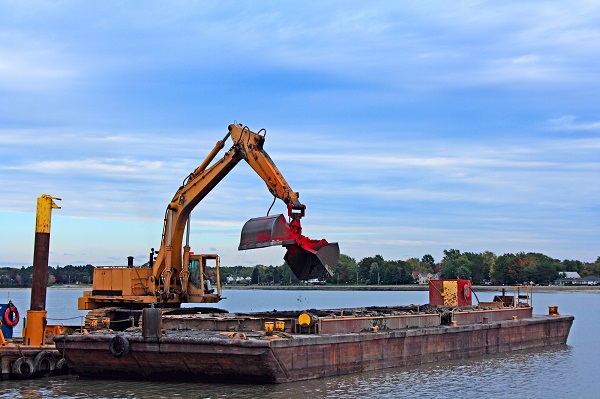
Types of Injuries
- Crush injuries
- Lacerations and amputations
- Respiratory issues from toxic exposure
- Musculoskeletal injuries
- Traumatic brain injuries
We understand the challenges faced by dredge workers who are injured on the job. Our team is dedicated to providing the support and legal guidance needed to address the complexities of these cases, helping injured workers and their families move forward.
The Law Behind These Claims
Frequently Asked Questions
What is the Jones Act?
The Jones Act is a federal law that protects American seamen who are injured while working. It allows them to seek compensation from their employers for injuries resulting from negligence or unseaworthy conditions on the vessel.
Who qualifies as a seaman under the Jones Act?
A seaman is someone who spends a significant portion of their work time on a vessel in navigation and contributes to the vessel’s function or mission.
How can a maritime injury attorney help with my case?
An attorney can investigate the accident, gather evidence, negotiate with insurance companies, represent you in court, and pursue the compensation the law allows for your injuries and losses.
What is the LHWCA?
The Longshore and Harbor Workers’ Compensation Act provides compensation and medical care to employees injured while working on navigable waters or in adjoining areas used in loading, unloading, repairing, or building a vessel.