
Accident On Tugboats | Accidents Types | Common Causes | What to Do After | Legal Rights
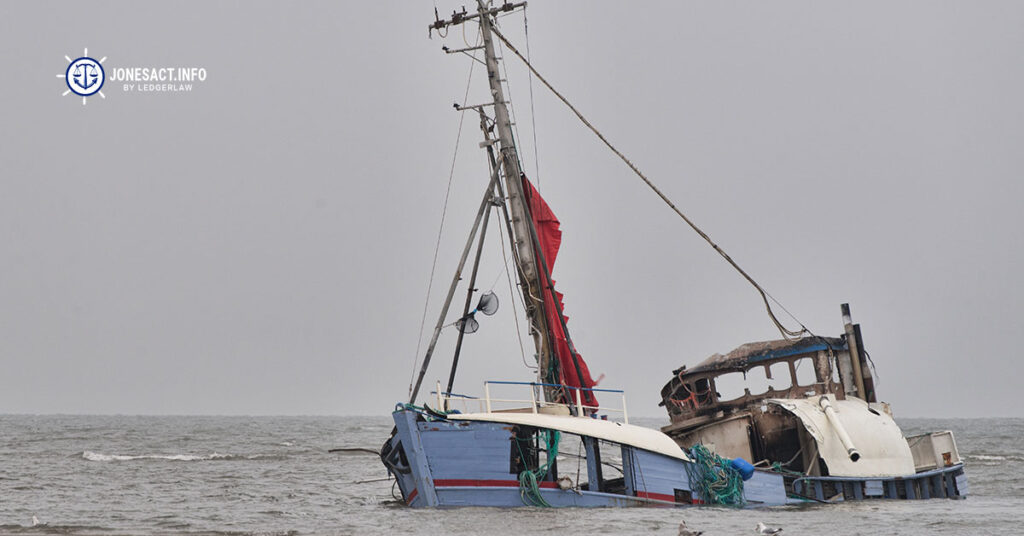
Key Takeaways: Tugboat incidents can happen on any body of water. Maritime law governs these waterways. Most common causes of tugboat incidents are preventable. Accidents on tugboats or with tugboats may lead to liability claims. A tugboat incident lawyer can help you recover damages from those who hurt you. Tugboats are the go-getters. These specialized vessels help ships to navigate tight areas or get through difficult locations. They are powerful vessels, with engines that can pull and push with significant force. You may see them breaking through ice. They can help put out fires. As powerful ships, even with their smaller stature, these vessels can create a serious risk of injury when someone isn’t operating them safely. Incidents on tugboats could be a workers’ compensation claim. If you suffer injuries from a tugboat striking you, you may be able to seek a personal liability claim. Types of Tugboat Accidents: Plenty of factors can cause tugboat accidents. Our tugboat incident lawyer handles them all. Tugboats Slip, Trip and Fall Accidents: Falling on board can create serious injuries. Slips and trips can even cause you to suffer head trauma. Unsafe conditions are often the cause. Capsize Accidents: Victims on board can suffer life-threatening injury if a boat capsizes. This can happen due to reckless behavior. It may happen when someone without experience is captaining the boat. Tugboat Collisions: Collisions with other vessels, docks, or other structures can also cause serious injuries. The damages can include significant loss in serious cases. Tugboat Line-Handling and Pinch-Point Injuries Any type of accident can result in serious injury. There are some situations where they can also lead to loss of life. Consider some of the most significant injuries we see. Amputations: The loss of digits and limbs happens when lines are not used properly. These injuries are avoidable if teams follow best practices. Head Injuries: Fast-moving lines can also cause traumatic brain injuries. Head strikes from objects out of control can lead to significant injury. You may face long-term implications. Common Causes of Tugboat Accidents: This is the hard part about these accidents. Most of them are preventable. Following the law and safety practices minimizes risks. These are some of the most common reasons these accidents happen. Mechanical Problems and Failures: All of that power is critical for the work these vehicles do. The problem is that these boats require constant repairs and upgrades. Mechanical problems and failures contribute to accidents. Engine failures can occur. Winches fail. Collisions with Vessels, Stationary Objects: Collisions happen for various reasons. It may be due to inexperienced operators. Other times, there’s an impairment causing the incident. Weather conditions can play a role. Operators must have the skill to avoid complications. Typical Hazards Found Onboard: Hazards are everywhere. These vessels engage in hard work in tough conditions. Hazards like the following are preventable: Debris and clutter. Unkept work areas. Failed maintenance and upkeep of the equipment. Lack of monitoring of safety best practices. Old and worn equipment. Capsizing: Boats capsize when there’s a loss of stability. That’s nearly always due to a combination of these elements: High-speed maneuvers. Excessive weight. Poor weight distribution. Weather conditions. Negligence From Co–Worker: Your co-worker could be the cause of your injuries. They may not follow safety rules. Some violate best practices. They may just not have cared for the equipment properly. Near–Drowning Accidents: Falling overboard is a common cause of near-drowning. This may happen due to failed safety procedures. Broken or worn safety equipment may also be behind it. You may suffer an overboard fall due to reckless behavior. What to Do After the Accident On Tugboats? Get safe in all cases. Prioritize your safety after an accident of any type. Then, take these steps. Immediately Report the Accident: Get immediate help for injuries. Request assistance from the local Coast Guard when possible. Alert others to what happened on the boat. File a Formal Accident Report: Complete a formal incident report. That’s done with your captain. Employees must be given access to these accident reports. They document what happened, when, and where. They can be a critical bit of evidence later. Collect Witness Information: Find out who saw what happened. Get their name and contact information. Use your phone to record what they say occurred. You need that evidence to build your claim later. Seek Medical Attention Immediately: Never put off getting medical care. It’s the most important thing you can do after an accident. Get yourself to safety. Get medical care. Follow up with your doctors. Consult an Experienced Tugboat Accident Lawyer: Do not wait to contact our tugboat accident lawyer. We get to work collecting evidence and building your case. You deserve an ally. You won’t get that from the insurance company. Your Legal Rights After Tugboat Accidents: You have rights after an accident like this. Your attorney will help you navigate what those rights are. Don’t assume your employer will tell you what your rights are. They won’t. Insurance companies don’t want to pay you. Your attorney is your advocate! The Jones Act: The Jones Act is a federal law. It protects US maritime workers who are hurt when their employer is negligent. This law is critical because typical workers’ compensation laws don’t apply. When you’re hurt on navigable waters, this law comes to help you. It allows you to seek compensation for your losses. That includes medical costs and missed time at work. It also allows you to get pain and suffering damages. There are limitations and rules to follow. If you are a seaman who spends 30% or more of your time on a vessel, you may qualify. The Legal Doctrine of Unseaworthiness: Unseaworthiness is a maritime law that puts an absolute and non-delegable duty on the owner of a vessel when an accident happens. Your employer must ensure you have a safe boat to operate on. That means it must be seaworthy. Your employer must ensure you have a safe vessel, equipment, and crew to support you on