
Why Is Underwater Welding So Dangerous? – Physical Dangers | Long-Term Health Risks | Legal Protections and Compensation
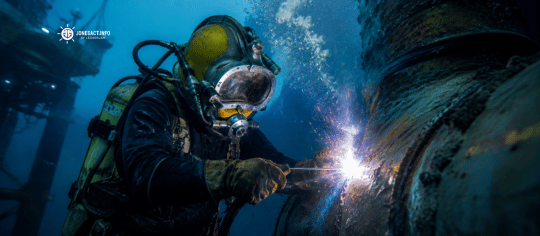
Key Takeaways: Underwater welding is so dangerous because electricity, pressure, water, and distance from rescue combine. Fatality rates may reach a lifetime estimate of 15%, though modern safety has improved outcomes. Underwater welders face electrical hazards, decompression sickness, explosions, marine wildlife, and poor visibility. Most wet welding jobs happen in wet environments where rescue can be delayed. Decompression stress can cause joint pain, neurological damage, lung damage, and Dysbaric Osteonecrosis. U.S. laws like the Jones Act and LHWCA may protect injured workers and families. Underwater welding is welding performed underwater on ship hulls, offshore oil rigs, oil rigs, offshore pipelines, subsea pipelines, bridges, and marine structures. It can be a lucrative career, but it is also a dangerous profession requiring unique skills, specialized training, extensive training, and specialized equipment. So, why is underwater welding so dangerous? Because welding underwater combines high-voltage equipment, water pressure, limited visibility, cold water, marine life, and emergency response delays in one working environment. Investigations and industry summaries place the estimated lifetime fatality rate near 15%, with some claims saying this is about 40 times higher than commercial divers overall and over 1,000 times the U.S. national average for all workers. These numbers are debated, but the danger is not. Why Is Underwater Welding So Dangerous? Underwater welding is one of the most dangerous professions because it combines extreme environmental pressures and hazardous equipment. The biggest dangers of underwater welding include electric shock, electrical shock, drowning, decompression sickness, explosions, equipment failure, and delayed medical attention. Underwater welding has one of the highest fatality rates in the industrial sector and is often compared unfavorably to logging and fishing. Main causes of death include drowning and decompression sickness, and the underwater welding death rate is alarming because one mistake can cascade into several failures. For example, electrocution is a significant risk because water is highly conductive; if insulation fails or improper body positioning occurs, current can pass through the human body. If an underwater welder loses consciousness, drowning can follow quickly. The life expectancy of an underwater welder is sometimes estimated at 35–40 years for some offshore roles, compared with about 78 years in the U.S., though actual life expectancy varies widely by employer, region, safety culture, and type of actual work. Core Physical Dangers of Underwater Welding: Electrical Hazards and Risk of Electric Shock: Underwater welders work with an electric arc, welding tools, and special waterproof equipment in a conductive underwater environment. Direct current is preferred over AC, but DC only reduces risk; it does not remove electrical hazards. The risk of drowning is significant because equipment malfunction or human error can become life-threatening. Proper protective gear, thermal protection suits, full-face masks, waterproof welding gear, and regular inspections of welding machines and diving gear are essential. Explosions, Fires, and Burns Below the Surface: The welding process can release hydrogen and oxygen gases. If these gases accumulate in gas pockets, a spark can ignite them and create dangerous explosions. Confined spaces such as tanks, caissons, and hull sections amplify blast effects. Extreme temperatures from the welding arc can also cause thermal burns, arc flash injuries, and molten metal burns even underwater. Drowning, Entrapment, and Diving Suit Failures: Drowning can follow electric shock, gas exposure, blunt trauma, or breathing apparatus failure. Diving suits, helmets, umbilicals, and surface air systems keep divers alive, so a small failure can be fatal. Differential Pressure (Delta P) refers to powerful suction created when water moves through narrow openings; it can trap a diver and make escape difficult. Strong currents, waves, and surge can also pull a diver off position. Pressure, Decompression Sickness, and “The Bends” Decompression sickness, commonly called the bends, occurs when a diver surfaces too quickly after time at depth, causing nitrogen bubbles to form in the bloodstream. It can cause joint pain, paralysis, neurological damage, or death if not treated promptly in a hyperbaric chamber. Prolonged exposure to pressure can cause Dysbaric Osteonecrosis, which damages blood vessels and can cause bone tissue death. Decompression tables, dive computers, and strict safety protocols reduce risk, but rushed schedules raise it. Cold, Hypothermia, and Environmental Stress: Hypothermia is a major risk because deep ocean cold water rapidly depletes body heat. It causes clumsiness, confusion, impaired cognitive function, and physical exhaustion. This is why underwater welders must follow strict safety protocols in harsh locations such as the North Sea, where water pressure, cold, and fatigue compound every hazard. Wet vs. Dry Underwater Welding: Comparing the Risk: Wet Welding: Directly in the Water Column: Wet welding is performed directly in the water with the electrode and arc exposed. It is used for fast repairs, hull patches, and emergency pipeline work because setup is cheaper and faster. Wet welding is riskier because the diver, electrode, and surrounding water interact directly. Poor visibility, flammable gases, marine life, and unstable positioning make wet welding jobs especially hazardous. Dry Welding and Habitat Welding: Hyperbaric Chambers: Dry welding, habitat welding, and hyperbaric welding use a sealed chamber attached to the structure, creating a dry environment. This improves visibility, gas control, and standard underwater welding techniques. However, dry welding is still dangerous because the habitat remains pressurized. Fire, flooding, complex equipment, and decompression remain inherent risks. Why Wet Welding Is Considered More Dangerous: Wet welding is generally more dangerous than dry welding because protection is limited and hazards are less controlled. Most catastrophic underwater welding accident scenarios involve shock, drowning, trapped gas, or poor visibility. Contractors may accept wet welding risk to avoid habitat cost and downtime, especially in the maritime industry. Hidden Long-Term Health Risks and Life Expectancy: Life Expectancy of an Underwater Welder: The 35–40-year estimate is not from one perfect database, but it reflects acute accidents plus long-term damage. The question is not only why underwater welders die, but how surviving welders may live with chronic injury. Decompression Damage, Joint Pain, and Neurological Issues: Repeated compression and decompression can damage joints, cartilage, bones, and nerves. Chronic decompression sickness may shorten careers and require therapy, disability benefits, or
A Detailed Overview on Underwater Welder Lifespan | 8 Common Dangers | Safety, Risks, and Effects

Key Takeaways: Extreme Occupational Risks: Underwater welding is one of the world’s most dangerous jobs, with 5 to 30 deaths per 100000. Electric hazards and industrial accidents are the major threats. Career vs. Biological Lifespan: Most welders retire by age 45 to 50. Physical fatigue and mental stress are responsible for early retirement. The Delta P Threat: Differential pressure is a silent killer of the underwater welder. It can trap divers instantly without any chance to escape. Also, it’s an invisible threat. Long-term Health Toll: Constant hyperbaric exposure causes permanent physiological damage. The welder faces bone death, hearing loss, and reduced lung capacity. Safety Overcomes Myths: Modern safety standards and training have lowered the mortality rates among. Underwater welding is a challenging job. Underwater welders and divers work in extreme environmental conditions. Although it is a lucrative job in the maritime industry, it is also one of the most hazardous maritime jobs. Thus, the underwater welder’s lifespan is often shorter, around 50 to 55 years. So, why is their lifespan almost 20% shorter than that of other professionals? The answer lies in their working environment, including environmental hazards, depression, and electrical hazards, etc. If you are interested in joining an underwater welding job, you must understand the risks. Underwater Welding Safety, Risks, and Effects: Underwater welding is not like a regular metal joining task. The welder has to survive under extreme atmospheric pressure. He has to deal with the risk of electricity, water, and confined spaces. So, an underwater diver requires excellent fitness and precision at work. Types of Risks: The risks of underwater welding are immediate physical trauma and long-term physiological trauma. The welder works constantly in deep water. So, the body faces different trauma and pain: Explosions Equipment failure Acoustic Trauma Hypothermic Stress Dysbaric Osteonecrosis Pulmonary Edema Nitrogen Narcosis Since the welder undergoes physical stress for years, it creates long-term physiological damage. It includes: Bone Death Chronic Musculoskeletal Pain Memory loss or tremors Reduced Lung Capacity Permanent Hearing Loss Cardiovascular Strain and Hypertension Chronic Sinusitis Early-Onset Arthritis Safety Measures: The federal government and international standards ensure the safety of the underwater welders. Divers use specialized equipment, including insulated gloves, waterproof electrodes, and surface-supplied air systems. It protects them in the confined space of the deep water. Also, there is a constant topside support team for communication with the welder. It gives them mental support in challenging conditions. Also, they monitor depth and oxygen levels. Prevention Strategies: Underwater welding now goes through rigorous pre-dive checklists. Also, ship operators and welding companies arrange dry runs. Divers also undergo frequent medical examinations to ensure their lungs and circulatory systems can handle the rigors of hyperbaric environments. Psychological Effects: The mental toll of working in dark and deep water is significant. The welder faces: Isolation for hours Extreme darkness Seep-water environments Awareness of dangers Thus, the welder experiences stress, anxiety, and post-traumatic stress disorder (PTSD). It happens over a long career. A Statistical Overview of Underwater Welder Lifespan: The life expectancy of an underwater welder is significantly lower than average citizen. It’s because underwater welding is a dangerous job. Nonetheless, we must understand that deep divers don’t die at work. Instead, their lifespan reduces considerably due to their challenging work environment and long-career. Historical Perspective vs. Modern Reality: During mud-20th century, the fatality rate of the underwater welders was alarmingly. There was inadequate decompression knowledge that caused most deaths. However, the safety regulations and equipment have changed since the 1990s. It has stabilized the underwater welding industry. Most fatalities today occur during “Delta P” (differential pressure) incidents. Career Longevity vs. Biological Life: Many underwater welders retire by their late 40s or early 50s. It happens because the physical demands are extreme. They experience joint pain, lung capacity issues, and the toll of saturation diving. So, they can’t continue after their mid-50s. Also, people commonly believe that many underwater welders die much earlier than their expected lifespan. Although some deep divers die before 60, data doesn’t provide concrete evidence of this claim. Many underwater welders live their normal life after their retirement. Mortality Rates in Commercial Diving: Statistically, commercial diving, including welding, has a 40X fatality rate than the average profession. However, underwater welding isn’t as risky as logging or deep-sea. It’s standard safety features and close monitoring has reduced the risks. Data on Occupational Health: Factor Impact on Lifespan Frequency Decompression Sickness Long-term joint/nerve damage Moderate Nitrogen Narcosis Immediate risk of accidents High (at depth) Hyperbaric Exposure Long-term pulmonary effects High Physical Burnout Shortened career duration Very High Regional Statistics: The underwater welder’s lifespan is lower in regions with lower regulatory oversight. The OSHA and ADC International standards are strictly enforced in the North Sea and the Gulf of Mexico. So, the mortality rate has reduced considerably. Long-term Health Trends: Welders spend decades in the water. They report higher rates of musculoskeletal issues. The constant change in pressure can lead to bone. It affects the hips and shoulders. So, the deep divers often retire early due to health issues. 8 Most Common Dangers That Shorten the Lifespan of The Welders: Undoubtedly, underwater welding is a high-risk job. We have already seen that most welders retire around their mid-50s. So, why do the welders retire so soon? Obviously, many people discuss drowning. It is an immediate threat. Nonetheless, the underwater welder’s lifespan also reduces because of mechanical failure and long-term psychological effects. Sickness Related To Decompression: Decompression sickness, or the bends, is the biggest threat to a diver’s long-term health. A welder works 10 to 50 meters underwater. It increases atmospheric pressure because for every 10.33mm, the pressure increases by 1ATM. So, nitrogen gas dissolves into their blood and tissues due to the increased air pressure. At times, the diver ascends too quickly. As a result, nitrogen doesn’t have time to leave the body safely. Instead, it forms bubbles. These bubbles can block blood flow to vital organs. Also, the nitrogen bubble may get trapped in the joints. The physician can treat
How Dangerous Is Underwater Welding? Risks, Compensation, And Legal Representation

Key Takeaways: Extreme Danger: Underwater welding is a high-risk profession with a 15% fatality rate. Many Dangers: Hazards include electrical shock, explosions, drowning, and decompression sickness. Health is Crucial: Regular health check-ups and a focus on well-being are essential for safety. Safety First: Good training, modern tech, and strict rules prevent many accidents. Legal Protection: Specialized laws offer compensation for injuries, protecting your rights. Underwater welding can be lucrative. However, it’s not an easy job. You’ll be working with dangerous tools in a dangerous work environment. Even a small mistake could kill you. Let’s check – how dangerous is underwater welding? The Inherent dangers of underwater welding: Underwater welding is one of the most dangerous professions. Some studies estimate a fatality rate as high as 15%. For context, the average number of fatal injuries for commercial dive activities is estimated to be around 6 to 13 deaths per year. It is significantly higher than in many other high-risk occupations. The reasons are: Electrical Hazards and the Risk of Shock: There’s always a risk of electric shock when welding. However, water, unlike air, conducts electricity. This means you’re more likely to get a dangerous shock working underwater than on land. Health Risks from Gases and Fumes: Welding produces fumes and gases. If you’re “dry welding” (welding inside a sealed chamber underwater), it will be hard not to breathe in these fumes. The Threat of Decompression Sickness: Decompression sickness (DCS), or “the bends,” is a major threat to underwater divers. The increased pressure under the deep water causes inert gases, primarily nitrogen. It dissolves into their blood and tissues. When the welder ascends too quickly, the pressure drops rapidly. So, the gas dissolves and forms bubbles. The bubbles obstruct blood flow and cause severe symptoms, including joint pain, paralysis, and permanent neurological damage. In some cases, DCS can even be fatal. The welder must allow the body to safely off-gas following a strict, gradual ascent protocol. It is critical to prevent this potentially deadly condition. Drowning Risks: It’s easy to drown when working underwater. In fact, drowning is one of the main causes of death for underwater welders. Hypothermia and Cold Stress: Working underwater for a long time can chill your body. This can make it hard for you to think clearly as you work, leading to a potentially deadly mistake. The key mistakes include: Safety protocol breaches Poor judgment Communication errors Physical coordination loss Burn and Scald Hazards: The welding arc used in underwater welding can reach temperatures as high as 11,000° F (6,100° C). The extreme heat then might combine with the presence of gases and the surrounding water. It is a primary cause of burns and scalds, despite the cold environment under water. Risk of Explosion: When gases from welding mix with gases in the water, it can cause an explosion. Psychological Stress: Underwater welding is stressful, and the person often works in extreme conditions. It includes: Isolation from friends and family: Underwater welders stay away from loved ones for long periods. Constant vigilance for danger: They must always be aware of risks. It feels mentally exhausting. Pressure to perform perfectly: The high stakes of the job create immense pressure to avoid mistakes. Confinement and boredom: Underwater divers live in small, pressurized chambers. It causes psychological strain. Trusting others completely: Your life depends on the reliability of your team and equipment. So, people feel stressed. Hearing Impairment: Water pressure changes as you go underwater and come back up. This can damage your eardrums. Marine Wildlife Risks: Sharks and jellyfish are some of the deadliest animals you’ll encounter when working underwater. However, a marine animal doesn’t have to bite or sting to be dangerous. Lights from welding equipment attract plankton, which in turn attract fish. Fish swimming around your work area can distract you and/or get in the way of what you’re doing. Environmental Hazards: Poor Visibility: The deeper and/or murkier the water is, the more dangerous your operations will be. Pressure and Depth: Wet underwater welders work at shallower depths. Underwater welding could go as deep as 130 feet (40 meters).. At these depths, the pressure increases by approximately 1 atmosphere (14.7 psi or 101.3 kPa) for every 33 feet (10 meters). So, the welder works under extreme pressure. In contrast, dry hyperbaric welding has an operational limit of around 1,300 feet (400 meters). But many underwater welders go deeper than that. Strong Currents and Waves: Strong currents can affect your position and/or move underwater debris into your work area. Marine Life Encounters: You’re more likely to encounter dangerous animals in the ocean than in a lake or river, but fish can get in your way no matter where you’re welding. Danger Details Potential Harm How to Avoid Problems Electric hazards Electric equipment in a conductive environment puts you at a high risk of shock Damage to internal organs Cardiac arrest Death Use insulated equipment Check your suit and equipment regularly for signs of damage Gases and fumes Gases in water combine with gases released by welding Explosions could cause serious injury or death Use a vent tube to direct gases to the surface Be on the lookout for signs of accumulating gases Decompression sickness Nitrogen bubbles form in your blood if you come up to the surface too quickly Joint pain Neurological damage Death Follow a dive table and come up slowly Drink lots of water before and after an underwater welding job Drowning Human error, faulty equipment, changing weather conditions and other problems could cause water to get into your lungs Death Work with at least one other person Check your gear before use Hypothermia Working in a cold environment for a long time lowers your core body temperature Cognitive impairment that leads to potentially deadly mistakes Use a thermal protective suit Take regular breaks to warm up on the surface Burns and scalds Heat from welding equipment can cause injury Burns and scalds Use advanced safety equipment Explosions Combined gases explode Burns, scalds, trauma