
What Is The First Action Required After Boating Accident | A List Of Possible Things That You And Boat Operators Must Do| Legal Requirements
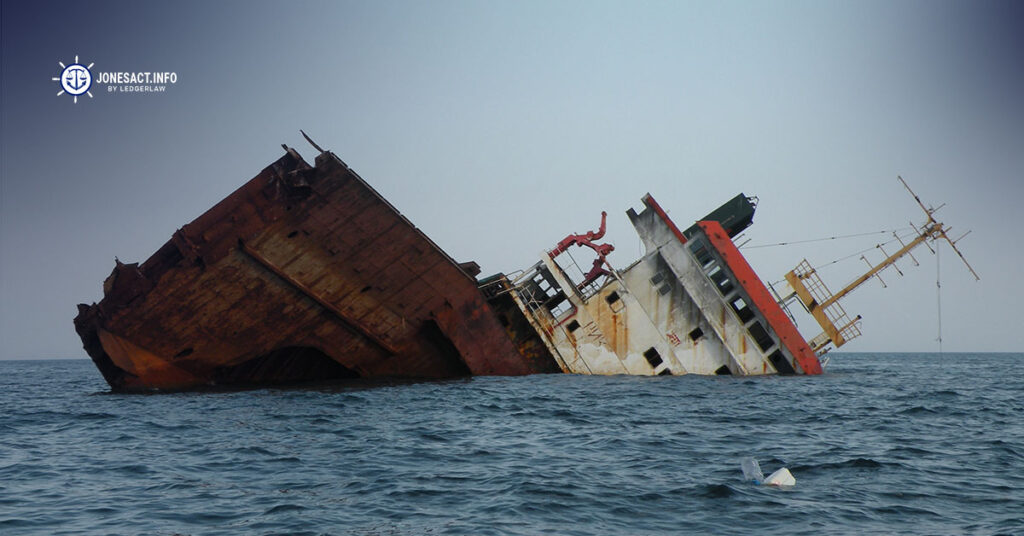
Key Takeaway Section: Expansive Scope: Maritime law governs almost all activity that happens on the water. Personal injury, commercial shipping, global trade, and environmental protection. Protection for Workers: Laws through the LHWCA and the Jones Act give maritime workers protection from legal and financial issues. Security for the Global Economy: Solid maritime law helps keep the international shipping industry going thanks to a stable and predictable legal framework. Accident Prevention: Rules and regulations help prevent accidents from happening while also protecting crewmembers and passengers, along with the vessels involved. National Security: Maritime law makes the nation’s domestic fleet stronger. It also gives federal agencies the legal authority to patrol U.S. waters to enforce the laws. In the chaotic moments after a boat crash, your instincts will pull you in a lot of different directions. Is my boat sinking? What about the legal mess? During such moments, people must know, “What is the first action required after a boating accident?” It’s crucial since the things you do after a boating accident, it will determine the legal outcome. Push all of that aside. Your first and only job is to check on the people. It’s not just a moral imperative. It’s a legal one. Before you spare a single thought for fiberglass or finances, you’re legally required to account for every single person on your vessel and any others involved. Navigating the aftermath of an on-water accident can be absolutely treacherous. This guide maps out the critical steps to protect yourself, your passengers, and your future. What Is The First Action Required After Boating Accident – 6 Things: An accident scene is pure chaos. Adrenaline is high and people are scared. Plus, the environment is inherently dangerous. Your actions in these first few minutes are critical. They impact not only the immediate safety of everyone involved but also the strength of any future legal case. 1. First, Ensure Personal Safety It sounds counterintuitive, but your first priority is you. You’re no good to anyone if you’re seriously injured, so do a quick, honest self-assessment before trying to play hero. Check for cuts and bruises. Also, ensure your valuable items are safe. Particularly, if your smartphone is in good condition, try contacting the nearby people on land. A SOS message can be a life savior when your boat is sinking. 2. Stop Your Vessel and Assess Its Condition If it’s safe, stop your boat’s engine right away. This will help keep you from having more collisions during these crucial first minutes. Try to move the boat to a safe spot that doesn’t obstruct traffic. See if your boat is taking on water or at risk of sinking. Also, when you stop the vessel, don’t hustle. Keep calm and follow the manual for stopping the boat at ease. Check the current of the water and ensure your boat is stable. Often after accidents, boats lose stability and can go upside down once you stop it. This happens if the engine loses its power and the current is too strong to be handled for the boat. 3. Check the Injuries Once you’re stable, methodically check your passengers and the occupants of the other boat for injuries. The law mandates that you provide “reasonable assistance,” so if you have first-aid training, now’s the time to use it. 4. Try to Prevent Further Damage Once people are safe, you can turn your attention to your boat to protect it from becoming more damaged. If it’s taking on water, start the bilge pumps. Your boat is vulnerable. If you can safely plug holes to stop taking on water, that’s your first move. Next, drop anchor to stop the vessel from drifting helplessly into a rocky shore or, even worse, directly into a busy channel. Also, check the engine and other parts of the boat. Often, vessels take up minor damages that later can become dangerous. When you anchor the vessel, ensure it doesn’t drift away. Make sure the current of the water is tolerable for the boat since after an accident the boat can become unstable. 5. Must Secure the Area An accident scene on the water can create a dangerous situation for other boaters. Warn them about what’s happened if you can. Turn your vessel into an unmistakable beacon of distress. Blast the horn, launch flares, fly distress flags. Whatever you have to signal an emergency. A clear warning is the only thing that can keep an already bad situation from getting worse. Also, seek help from nearby boaters, if possible. If you are close to the shore, try to reach the land. And if you are in high-traffic waterways, safely move to a less busy area of the waterway. 6. Send Signal for Help Don’t delay. Get on your VHF radio. If there’s grave and imminent danger to life or vessel, it’s a “Mayday” on Channel 16. For less dire emergencies, a “Pan-Pan” call will suffice. No radio? Use your phone to call 911 or the Coast Guard. 3 Things Boat Operators First Do When Involved in an Accident As a boat operator, the law specifies your specific duties and accident protocols. Your actions can protect you legally, along with protecting life and preventing your boat from sustaining further damage. The 46 U.S. Code § 2304 defines the duty of a boat operator after an accident. 1. Stop Boat and Assist Under federal law, you must stop your vessel. Period. Fleeing the scene of an accident, especially one with injuries, transforms a bad situation into a potential felony. Render aid where you can. It’s crucial because boat operators have the duty to provide assistance after the accident. Or else, they can be held liable for neglecting their duty of care and will have to compensate the suffering people. 2. Exchange Information to Other Operators It’s crucial to exchange information with the operator of the other boat. Get their name and address. Write down their boat’s registration number. Ask for their insurance information. And give them all
Crimes on Cruise Ships Are on the Rise: What Passengers Must Know

Although cruise ships offer a luxurious escape, crimes on cruise ships are a serious issue. It is alarming that cruise ship crime data is on the rise. Moreover, most crimes committed on cruise ships are underreported. So, you must know the types of crime on cruise ships. It’s crucial to protect your rights if you face shipping crimes. Jones Act Maritime Law Firm is ready to uphold your rights for crimes happening on cruises. The Reality of Cruise Crimes and Reporting Challenges: Cruise ships promise escape, fun, and enjoyment. Unfortunately, in the last few years, crime on a cruise ship has increased alarmingly. The Underreporting of Crime on Cruise Ships: We often have a misconception that cruises are a crime-free bubble. It is often far from reality. Data suggests a persistent issue of underreporting crimes on cruise ships. Cruise lines, like any business, want to avoid bad publicity. Furthermore, cruise ships follow complex international and maritime jurisdiction issues. So, they often hesitate to report minor crimes during their sails. The U.S. government has introduced the Cruise Vessel Security and Safety Act (CVSSA). As per this law, cruise lines must report serious cruise ship crimes, including: Homicide. Suspicious deaths. Kidnapping. Sexual assault. They must report the cases to the FBI and the Coast Guard. In the paper, it should ensure some transparency about the cruise ship crime data. However, many crimes on cruise ships go unnoticed. Most cruise lines only report the most severe offenses. For context, U.S. Department of Transportation data shows that cruise ship crime rates have recently reached a two-year high. In the first quarter of 2025 alone (January 1–March 30), 48 alleged crimes were reported to the FBI. Among these crimes, 33 were sexual assaults on cruise ships. Next up, data from April 01 to June 30, 2025, reported 43 alleged incidents of crime. These figures could be low. However, experts claim that the actual number of crimes on cruise ships is much higher and goes unreported. Jurisdiction, Security, and Response: Passengers often ask, “Are there police on cruise ships?” The simple answer is no. Cruise ships have security personnel, but these are not police officers. Instead, cruise liners have private security personnel. So, they can’t apply universal law enforcement jurisdiction. They can only maintain order and conduct internal investigations. Also, they can restrain individuals until a proper law enforcement agency can take over. However, the complexities double up when cruise ship crime happens in international waters. The jurisdiction of cruise ships comes under the ship’s flag state (the country where the ship is registered). For example, a high-profile Norwegian cruise incident on a U.S. waterbody becomes complex. Typically, the passenger could seek claims under the Norwegian maritime law. But that’s just the surface. Only an expert maritime attorney can assess your case and prepare the documents to claim the compensation. Guideline for Reporting Serious Crime: Did you face a serious cruise ship crime? If so, report it immediately to the ship’s security team. Ensure that the report reaches the highest-ranking officer. If you are an American citizen, you should also contact the nearest U.S. embassy or consulate. From there, you can contact the US police for further investigation. Immediate Actions and Passenger Safety Tips: As you see, crimes on cruise ships are on the rise. So, as a cruise ship passenger, you must follow the safety tips. Master the Muster Drill: The muster drill is a mandatory safety briefing. It will brief you on the general safety guidelines. Here, you will learn the location of life vests and the evacuation route from your cabin. Ensure Cabin Security: Always ensure that you lock the door when you are inside your cabin. Also, close and lock the latch of your door when you leave the cabin. Never open your door to strangers. Secure Valuables in the Safe: Keep your passports, cash, expensive jewelry, and personal electronics inside the in-cabin safe. Don’t leave these items visible or unsecured. Use the Buddy System: Travel with a trusted person when you explore the ship at night or go ashore in port. Don’t go to the isolated areas of the ship alone. Practice Responsible Consumption: Alcohol is responsible for most accidents and poor decision-making at sea. So, don’t consume beyond your alcohol limit. Never leave your drinks unattended. If people offer you open or pre-poured drinks, politely refuse them. Maintain Hygiene: Cruise ships are vulnerable to communicable illnesses like Norovirus. Wash your hands thoroughly after using the restroom, before eating, and after touching high-contact public surfaces. Be Aware of Railings and Edges: Never sit, lean, or climb on balcony, deck, or stair railings. It increases the risks of falling from cruise ships. Legal Recourse and Seeking Justice: Although rare, cruise ship crimes aren’t zero. So, contact the Jones Act Maritime Law Firm if you encounter any crimes on cruise ships. We ensure you maximum compensation for any cruise ship crime or maritime injuries. Our 80+ professionals and experienced maritime attorneys will evaluate your case. Our litigation skills will ensure fair and quick compensation. Did You Encounter Any Crime on a Cruise Ship? Do You Need Maritime Law Support? Contact Now: (800) 610-6255 contact@jonesact.info Office Address: 1420 5th Ave #2200, Seattle, WA 98101 Frequently Asked Questions 1. Are there police on cruise ships? No, there aren’t any police on cruise ships. Cruise liners employ private security personnel on the ships. They can conduct a few things, but can’t apply federal laws on their own. 2. What is the most common cruise crime? Theft and sexual assaults are the two most common crime types on cruise ships. So, keep your valuable items in a locked safe. Also, avoid going to isolated places on the ship alone. 3. Does every cruise line report crime data? All the US cruise ship liners report the crimes to the legal authorities and to the CVSSA. The CVSSA releases three-monthly crime data based on these reports. 4. What is the first thing I should do if I am
Major Norovirus Outbreak on Queen Mary 2: Protecting Your Rights After a Cruise Ship Illness

The Queen Mary 2 (QM2) of the Cunard Line fleet is famous for its luxury ocean travel. People love it for its grand ballrooms, world-class spas, and transatlantic travels. However, an infamous norovirus on Queen Mary 2 broke out and puzzled the world. The 2012 norovirus outbreak was a talk of the world at that time. Details Of Norovirus on Queen Mary 2 In late December 2012, over 194 passengers and 31 crew members suffered the norovirus Queen Mary 2. The ship was on a 12-night Christmas cruise through the Caribbean seas when it happened. The voyage started from Brooklyn, New York. The ship was carrying over 2,600 passengers and 1,200 crew. Suddenly, the gastrointestinal illness spread on the cruise ship. Official reports confirmed that 194 passengers and 31 crew members contracted the virus. The symptoms include: Acute gastroenteritis. Stomach pain. Vomiting, and. Diarrhea. It caused a recurring problem. The QM2 had previously experienced a similar Queen Mary 2 Norovirus outbreak in 2010. Centers for Disease Control and Prevention (CDC) stepped in. Their Vessel Sanitation Program conducted a thorough investigation. They confirmed that it was part of shipboard outbreaks occurring across the industry since 2010. The gastrointestinal sickness is sometimes incorrectly dismissed as a simple food poisoning cruise ships face. However, it showed the importance of maintaining hygiene on the ship. The stunning photos Queen Mary 2 shared showed the horrible scenes inside the cruise ship. A norovirus outbreak reported on Cunard Line cruise ship shows different things. Obviously, such events demand immediate attention and accountability. Guests may follow the ship’s itinerary or look up where the QM2 ship is now. However, those the suffered passengers had to bear medical expenses, lost their vacation, and endured significant discomfort. Tips and Guidelines: What to Do If You Get Sick on a Cruise Events like norovirus Queen Mary 2 are rare. Yet, you should prepare yourself for such events while cruising on luxuries such as Queen Mary 2. Report Immediately: Contact the ship’s medical staff and Guest Services. Ensure they officially document your illness. Seek Medical Care: Accept medical attention from the ship’s doctor. Follow the doctor’s prescription and preserve it too. Document Everything: If possible, prepare a note of your symptoms. It should include the beginning time, the dates of your cabin confinement, and the expenses. Preserve Evidence: If there are any visibly unsanitary conditions, take photos of them. It could be soiled carpets, unclean public areas, or contaminated food. Do Not Sign Waivers: If the cruise line offers any agreement, don’t sign it without consulting your maritime lawyer. It might limit your right to the claims. Keep Your Ticket/Contract: Your passenger ticket often specifies strict deadlines and rights you have. You have six months to file a claim. You have to submit a copy of the ticket for the compensation. Consult Maritime Counsel: Contact a maritime to settle any claims directly with the cruise line. Protect Your Rights with Maritime Law Experts Cruise Ship Queen Mary 2 and other cruise lines ensure a great luxury experience. Yet, you can suffer from unexpected events, such as a norovirus outbreak. It can ruin your enjoyable vacation. So, the cruise line is responsible for providing a safe and sanitary environment. If they fail to ensure sanitation, it shows their negligence. This is where the Jones Act Maritime Law Firm steps in. Our expert maritime attorneys will fight for your rights under the Jones Act and other maritime laws. Jones Act Maritime Law Firm is experienced in complex maritime and admiralty cases. Cruise ship cases are different from standard personal injury claims. The federal court governs the maritime laws. It has strict rules for jurisdiction, venue, and short statutes of limitations. We help victims navigate these requirements and obtain maximum compensation. For any help regarding admiralty law, contact us. Do You Need Maritime Law Support? Contact Now: (800) 610-6255 contact@jonesact.info Office Address: 1420 5th Ave #2200, Seattle, WA 98101 Frequently Asked Questions 1. How many people died on the queen mary 2? Sixteen people died on the queen mary 2 in a 2003 accident. They are mostly shipyard workers and their relatives. 2. Is Norovirus considered “Food Poisoning” under maritime law? Norovirus is a virus, not a bacterium, associated with food poisoning. However, the virus could spread from improper food handling or unsanitary ship conditions. So, the passengers can claim under maritime personal injury law. 3. How do I know if I have a valid claim after a cruise ship illness? You may have a valid claim if the cruise line’s negligence caused you a severe illness. The reasons are failing to sanitize, concealing an outbreak, ignoring health warnings, etc. So, consult a maritime attorney for a free case evaluation and check the validity of the case. 4. What is the Queen Mary 2 2025 schedule? Queen Mary 2 has several transatlantic voyages in October and November. You can find the details of Queen Mary 2 schedules on their website. 5. What is the cost to go on a Queen Mary 2 cruise? The cruising cost of the Queen Mary 2 could be as low as $800. However, with different amenities and packages, the cost could go up to $5000. Conclusion Queen Mary 2 is one of the most luxurious and prestigious cruise liners. However, it suffered from a norovirus Queen Mary 2 in 2012. You must seek appropriate medical help and preserve the tickets and documentation of the outbreak. It’s crucial to prove the negligence of the cruise ships to claim your compensation.
How Many Cruise Ships Have Sunk?: A List of Top Ship Sinking Tragedies

Since the 1900s, cruise ships have become a key part of entertainment and traveling. However, in the past 125 years, we have seen tragic cruise ship sinking events. So, how many cruise ships have sunk since the 1900s? The loss of the Titanic is the most prominent maritime disaster in the public consciousness. But, in reality, the number of sunk cruise ships is extremely low. In fact, only 24 cruise ships have sunk over the past 113 years. How Many Cruise Ships Have Sunk Throughout History? A cruise ship sinking is a rarity. Since 1912, after the tragic event of the Titanic, only 24 cruise ships have sunk. So, each year, not even a single cruise ship has sunk. Also, in 2024, there were 34.6 million cruise ship passengers. The huge number of people boarding cruise ships and the number of sunk ones show clear data. The chance of a cruise ship sinking is one in a million. Cruise Ship Name Reason for Sinking Date RMS Titanic Struck an iceberg April 1912 Empress of Ireland Collision with the Norwegian collier Storstad during dense fog May 1914 Lusitania Torpedoed by a German U-boat May 1915 Britannic Struck a sea mine (likely deployed by a German U-boat) November 1916 Principessa Mafalda Catastrophic mechanical failure (fractured propeller shaft causing flooding) October 1927 Saint-Philibert Capsized in a storm (overcrowded and lacked stability) June 1931 Georges Philippar Fire started from a faulty electrical installation May 1932 SS Morro Castle Mysterious fire September 1934 Empress of Britain Struck by a German bomber and later torpedoed by a German U-boat (WWII casualty) October 1940 Andrea Doria Collision with the Swedish American Line’s ship MS Stockholm in dense fog July 1956 SS Admiral Nakhimov Collision with the large bulk carrier Pyotr Vasev August 1986 MTS Oceanos Failed gasket caused massive flooding in the engine room (lost power) August 1991 MS Estonia Severe storm caused bow door locks to fail, leading to rapid flooding September 1994 MS Achille Lauro Fire broke out in its engine room December 1994 MS Sea Diamond Struck a volcanic reef (incorrectly charted) April 2007 MV Explorer Struck an iceberg November 2007 Costa Concordia Ran aground after the captain executed an unauthorized and risky maneuver January 2012 RMS Titanic – April 1912 The sinking of the RMS Titanic is the most famous maritime disaster in history. On its maiden voyage, the ship struck an iceberg in the North Atlantic on April 15, 1912. There was poor planning regarding lifeboats. Also, the ship faced the swift flooding of the hull. As a result, 1,500 lives were lost among the 2240 passengers and crews. The disaster immediately forced many changes in maritime law and standard safety features in cruise ships. Among them, notables are: SOLAS (Safety of Life at Sea) Convention: It is the first international treaty established in 1914. It governs maritime safety. Lifeboat Capacity: Mandatory requirement that all ships carry enough lifeboats for every person onboard. International Ice Patrol: Established to monitor and report iceberg locations in the North Atlantic. Radio Watch: Mandatory 24-hour radio watch, including secondary power sources. It ensures that distress calls are never missed. Empress of Ireland – May 1914 Less than two years after the Titanic, the Empress of Ireland sank. The ship collided with the Norwegian collier Storstad during dense fog and sank quickly in the Saint Lawrence River. The impact had damaged the ship’s midsection. So, she sank in only fourteen minutes. It caused over 1,000 casualties. After the tragic sinking of the Empress of Ireland, stricter rules for the watertight bulkheads were proposed. Also, authorities introduced emergency closing procedures for ocean liners. Lusitania – May 1915 The sinking of the Lusitania was a pivotal event in World War I. A German U-boat torpedoed the British ocean liner off the coast of Ireland. She sank in just eighteen minutes. Over 1,100 people perished, including many Americans. The attack was an act of war. Also, it raised significant questions about the protection of civilian vessels during wartime. Also, international diplomatic relations were at stake. It also accelerated the United States’ entry into the conflict. Britannic – November 1916 The Britannic was a sister ship to the Titanic and Olympic. However, during World War I, authorities repurposed it as a hospital ship. It struck a sea mine as it was anchored near the Greek island of Kea. The sea mine was likely deployed by a German U-boat. Although it was a non-combatant ship, it sank within an hour. Sadly, thirty people still perished, most of whom were healthcare workers. Principessa Mafalda – October 1927 The Italian liner Principessa Mafalda was sunk off the coast of Brazil. The tragedy happened because of a catastrophic mechanical failure. A fractured propeller shaft caused massive flooding. The crew failed to contain the flood. Also, there was poor planning for the passengers’ evacuation. It, coupled with shark attacks, led to a high death toll of around 314 people. The sinking highlighted that consistent, comprehensive safety drills are more than necessary. Saint-Philibert – June 1931 The Saint-Philibert was a small excursion vessel. It capsized in a storm off the coast of Saint-Nazaire, France. The boat was already overcrowded. Plus, investigations revealed that it lacked sufficient stability for the severe weather conditions. Approximately 450 people lost their lives. These were mostly families returning from a Sunday outing. Following it, new French regulations were updated about the stability and capacity limits for coastal passenger vessels. Georges Philippar – May 1932 A fire broke out on the French liner Georges Philippar. It was just one week into its maiden voyage near the Gulf of Aden. The fire started from a faulty electrical installation. However, it spread rapidly through the ship’s luxurious wooden paneling and poor compartmentalization. Thankfully, most were rescued. However, the ship was destroyed almost completely. SS Morro Castle – September 1934 There was a mysterious fire in SS Morro Castle. The ship was off the coast of New Jersey. The fire started in a storage
How Does Someone Fall Off A Cruise Ship | Survival Method & Safety Measures | Legal Process And Compensation

Key takeaways: Increased Risk of Falling Overboard: Passengers aboard a cruise ship have a higher risk of falling overboard. Low Survival Rates: Someone who falls overboard has a 25% chance of survival. Causes of Death: Impact with the water causes major injuries, and predators in the water may be present. Passenger Inattention: The environment of a cruise ship can lead to someone making a mistake and stepping through a gap in the railing. Modern Safety Equipment Minimizes Risk: Cruise ships are equipped with monitors that detect a fall. This reduces the risk of a fall, but doesn’t eliminate it. Cruise ships are designed to be as safe as possible. The chances of someone falling overboard are slim, but these incidents still happen. Risk awareness is key to prevent a fall. That means being vigilant, staying away from the edge of the deck, and watching your alcohol intake. Here’s a look at how someone can fall off a cruise ship. Man Overboard Incidents Hearing the words man overboard come over the loudspeaker means someone fell off the ship. The call tells staff to start looking for the person in the water and begin a rescue attempt. How Does Someone Fall Off a Cruise Ship? Someone can fall off a cruise ship for many reasons. Alcohol is a common factor, as is inattention. Poor weather conditions contribute to someone falling off a ship. Here’s a look at the common reasons why people fall off a cruise ship. Common Causes of Falls: The most common causes of falls include alcohol and impairment. Also, people may not be attentive as they feel relaxed on cruise ships. Next up, accidental slip and falls are the major reasons for falls in cruise ships. Alcohol and Impairment: Alcohol causes people to lose their body control. The impairment makes it harder to walk and judge the surroundings. This makes it easy for someone to walk through a gap in a railing, or become convinced they’re capable of doing impossible movements. Lack of Attention: People often feel more relaxed on cruise ships. So, they won’t be as attentive on cruise ships as on the roads and in their everyday life. There are a few causes of a lack of attention. They include: Distractions due to noise, music and surroundings of the cruise ship. Casual or unfocused behavior. Not paying attention near ship railings. Accidental Slips and Trips: The decks of a cruise ship are more likely to be slippery than not. Obstacles left on the decks make it harder to move easily. One or both of these hazards can lead to a fall. Also, there might be inadequate signs and safety measures for slippery floors. If so, you can sue the cruise company for failing to maintain their duty of care. Reckless Behavior: Reckless behavior includes taking risks such as trying to get a photo from a precarious vantage point. Horseplay is another form of reckless behavior. And attempting to grab something that’s just out of reach can lead to a loss of balance and a fall. Ship Design and Railings: Railing heights may not be high enough to prevent someone from going overboard. Gaps in the railing also contribute to someone falling off the ship. Risk Factors that Increase the Chance of Falling: Various factors make it more likely that someone will fall off the ship. Vigilance is necessary when these factors are present. Weather Conditions: Rough weather can happen during a cruise and make the ship rock. This motion makes it harder to walk on the decks and can lead to a fall. Also, heavy rain and cyclones can make the ship deck wet where people can slip easily. Nighttime or Low Visibility: Low visibility makes it more difficult to see in front of you at night. A lack of lighting makes it more likely that someone will fall off due to a miscalculation. Passenger Health and Mobility: Older passengers are more likely to have a mobility issue or an impairment. A sudden movement can affect their balance negatively. Safety Measures to Prevent Falls: Cruise ship operators provide safety education, signs throughout the ship, and ship design that prevents people from falling. International law also requires operators to educate passengers in safety procedures. Passenger Education: Passenger education begins before the ship has left port. Ship staff take groups of passengers and teach them the safety protocols and procedures. Cruise Safety Briefings: Staff muster passengers together and explain what they should do to keep safe during the trip. That includes what actions to take when someone falls off a ship. Awareness Programs: The crew should show passengers how to get around the ship. They’ll also talk about the actions passengers should and shouldn’t take. Also, cruise ships include signs and suggestions throughout their ship for different conditions, including alert for fall and slip. Passengers need to follow these signs and alerts. Ship Design and Features: Modern cruise ships are designed to prevent people from falling overboard. These features include the following. Safety Railings and Barriers: Railings go from floor to ceiling and have bars set close together. The space between these bars is too narrow for someone to slip through. Surveillance and Monitoring: Cruise ships have equipment that looks for unusual movement and alerts the crew if someone goes overboard. Personal Behavior and Precautions: Your personal behavior influences the risk of a fall. Good behavior means you won’t be at risk. It includes, following the alerts, signs of dangers and wet floor on the deck. Also, be careful around the poolside as it is often too slippery. Staying Away from the Edge: Don’t go near the edge of the deck. Head to an area designated for viewing as it’s the safest place to be. Avoiding Alcohol Near Dangerous Areas: Don’t drink in an area that looks dangerous. Instead, drink in a place that keeps you safe. How Often Does Someone Fall Off A Cruise Ship? It’s very rare for someone to fall off a cruise ship.
Norwegian Cruise Kid Overboard Turns Fatal for Four Year Old Boy

A family vacation turned into a heartbreaking tragedy as a boy drowned at sea. The incident occurred off the coast of North Carolina on the Norwegian Cruise Ship Breakaway. Although two boys were found unresponsive, luckily, one boy survived the Norwegian cruise death event. The boy was airlifted, but the younger boy suffered a tragic death. So, the Norwegian kid overboard death incident shifted our focus towards cruise ship safety. The legal proceedings showed how minimal negligence of the ship can be fatal for the cruise ship’s onboard passengers. Heartbreaking Loss: Norwegian Cruise Kid Overboard as Four Year Old Boy Drowns: The fatal incident occurred as the ship was sailing toward Florida. On a Monday morning in February 2014, the Norwegian Breakaway cruise ship sailed from New York to the Bahamas. Things were normal until two young brothers were discovered unresponsive in an adult swimming pool. They were four and six, respectively. So, a tragic incident unfolded even before anyone could notice. Bystanders immediately rushed to their aid. They pulled the two boys from the water and administered CPR. A passenger, a nurse, expressed her horror at the lack of rescue readiness. She noted that the medical team of the ship took several minutes to arrive. The older boy was revived. He was then airlifted to a hospital, where he survived. However, the four-year-old tragically succumbed to his injuries on board. The incident sparked public outrage, and most people blamed the negligence of the ship’s authority. People debated about the lack of lifeguards. Also, there were inadequate safety regulations on cruise ship pools. A witness stated that the pools were reopened shortly after the boys were taken away. Moreover, the ship’s crew seemed to be “hush-hush” about the matter. So, it showed their lack of empathy for the drowned boy and his family. Unregulated Waters: The Absence of Lifeguards This tragic event was identical to another recent event. A six-year-old boy drowned four months ago on the Carnival Cruise Line ship, Victory. Thus, both cases highlighted a significant gap in safety regulations. There were no laws about lifeguards at cruise ship pools. The law only states that the cruise ship must mark the sign, “No lifeguard is present.” However, it doesn’t force the authority to keep lifeguards present on the poolside. This lack of regulation makes passengers, especially children, vulnerable. So, the full burden of vigilance falls on parents and guardians. The Norwegian Breakaway death is another painful reminder of this critical safety gap. A New Standard: Disney’s Proactive Approach Some cruise lines have taken proactive steps to address the risks. In a commendable move, Disney Cruise Line has instituted its own lifeguard program. They are the first major company to do so. They have added trained lifeguards to family pools on all four of its ships. These lifeguards are on duty whenever the pools are open. They also assist with events like water slides and children’s splash zones. Disney provides child-sized life vests for all its passengers. It further promotes safety. So, the initiative sets a new standard for passenger safety. It shows Disney’s commitment to preventing future tragedies. The Norwegian cruise incident shows the pressing need for other companies to follow the same safety features and standards. Sadly, no other cruise ships have formally added lifeguards in their pools and water-recreational areas. The Duty of Care Under Maritime Law When a Norwegian cruise line death occurs, what can you do? Under maritime law, a passenger may pursue a claim against a cruise line. They must demonstrate that the ship owner failed to exercise a duty of care toward their guests. Cruise lines must ensure the proper safety and comfort of their passenger during their maritime travel. Did you or your close ones suffer from injury or death on the high seas because of the negligence of the cruise ship? If so, seek your compensation ASAP. It’s crucial to claim your full damages for financial and mental loss. Seeking Justice: The Role of a Specialized Law Firm The Jonesact Law Firm stands by the victims and their families in events like the Norwegian cruise child overboard. Our expert maritime law attorneys will handle your case compassionately. We have handled cruise ship negligence to protect the rights of the passengers. For any family or individual affected by an incident at sea, consult with Ledger Law Firm. Did You Suffer Injury On Cruise Ships? Call Now (800) 610-6255 Contact at: contact@jonesact.info See if You Qualify for a Lawsuit Our Partners ⓘ Was your child diagnosed with ADHD or autism after taking Tylenol during pregnancy? GET A FREE CASE REVIEW
The Investigation into the Death on Royal Caribbean Cruise Ship

A cruise vacation is an opportunity to escape reality and unwind on the sea and beach. However, the recent death on a Royal Caribbean cruise ship shattered the vacation dream for the family members of the deceased left behind. Now, the investigation into the Royal Caribbean cruise death is revealing some unsettling truths. So, let’s explore the investigation updates. Also, we will provide guidance for families who are injured on cruise ships. The Investigation Result of The Death on Royal Caribbean Cruise Ship In the recent case, a 64-year-old woman was found dead on cruise ship. She was found dead in her cabin on the Enchantment of the Seas. It is a Vision-class cruise ship from the Royal Caribbean International. It operates mainly in the Caribbean Sea. Regarding the death, her husband found her dead in the cabin. The autopsy confirmed the cause of death was a heart attack. However, an investigation is going on. Many claim it was a suspicious death, and so, the investigation must go deep. It highlights that a woman on a cruise ship isn’t always safe. Also, we learn how a dead person on a cruise ship starts a multi-layered investigation. Jurisdictional Challenges When a woman on cruise ship dies, the jurisdiction can be complex. It could be in international waters, involving multiple authorities. The incident may include: The ship’s security team. Cruise shipping company. The FBI. The country whose flag the ship is sailing under. There is inadequate reporting on Royal Caribbean cruise ship deaths. It makes the matter more complicated. So, it becomes difficult to estimate how many people die on cruise ships each year. Nonetheless, cruise lines must provide their guests with reasonable care. If a Royal Caribbean cruise accident or death occurs because of their negligence, the cruise line can be held liable for the damages. Tips and Guidelines for Families For Cruise Ship Accidents When a person on board a cruise ship dies or gets injured, their families must be proactive. The first step is to document every detail. You mustn’t sign any waivers or agreements presented by the cruise line. Document Everything: Immediately record every detail of the incident. Keep a record of all communications with the cruise line’s staff and medical personnel. Do Not Sign Waivers: Never sign any documents or agreements with the cruise line. Always consult with a legal professional before signing the agreement. Request Medical Records: Keep records of all medical logs related to the incident. The cruise ship’s medical center should provide it to you. Preserve Evidence: Retain personal belongings, photos, or evidence related to the incident and the cabin. Seek Legal Counsel Immediately: Contact a qualified maritime law firm as soon as possible. He will help you understand your rights and the legal deadlines. Legal Complexities The cruise ticket contains a “forum selection clause.” It dictates how and where you can file the lawsuit. For example, Royal Caribbean requires notice of a claim within six months. Also, you must file the lawsuit within one year of the incident. The deadline is strict. So, you must seek immediate legal consultation. The Jones Act maritime law primarily applies to crew members and not passengers in a Royal Caribbean cruise line accident case. So, you should consult a Jones Act Maritime Law Firm expert in cruise ship passenger rights. The Importance of Legal Representation The aftermath of a Royal Caribbean cruise ship accident changes the lives of many. It has complex maritime law that you need to navigate to get compensation. Thus, the Jones Act Maritime Law Firm is ready to guide you through this financially and emotionally tough time with expert assistance. Did You Suffer A Cruise Ship Injury? Contact Now For A Free Case Evaluation (800) 610-6255 Frequently Asked Questions 1. What is the most common cause of death on Royal Caribbean cruises? The most common causes of death on cruise ships are natural causes. It includes primarily cardiac incidents such as a heart attack. Also, falls overboard, suicides, and other accidents are responsible. 2. Can a family sue if their loved one died on a cruise ship? Yes, a family can pursue a lawsuit if they can prove the death was a result of the cruise line’s negligence. The general maritime law offers security for passengers. 3. How do different legal jurisdictions (international, U.S.) affect a lawsuit?? The Death on the High Seas Act (DOHSA) may apply to deaths in deep sea, 3 miles away from the US water territory. The federal law limits the types of damages a family can recover. It allows support for the loss, services, and inheritance. 4. What is the process for a body to be returned home after a woman dies on a cruise ship? The ship’s medical staff and captain will coordinate with authorities at the next port. They will communicate to disembark the deceased body. The repatriation process can be complex and may involve additional costs. So, you must seek immediate legal guidance to bear the cost. Conclusion A Royal Caribbean death is a rare and tragic event. Yet you must be prepared and know your rights. The cruise line’s liability for passenger safety is clear, but the legal framework is complex. We are ready to help you with this complex legal framework for claiming compensation after cruise ship accidents.
How Often Do Cruise Ships Crash? Everything You Need to Know

Key Takeaways Only five cruise ships have crashed into other ships or objects since 2023. No one was seriously injured or killed in these five collisions. Slip and fall accidents are actually the most common form of injury on a cruise ship. Cruise ships offer medical care 24/7 and can handle incidents ranging from broken bones to life-threatening injuries. How often do cruise liners crash? That depends on your definition of a “crash”. When most of us think of crashes, we think of ships colliding with each other or with an iceberg. However, in the cruise ship industry, a “crash” can include: Running aground. A fire on the ship. A natural disaster. Technical failure. There are a lot of rules governing how cruise ships are built and maintained. Crew liners train crew members so they know what to do if an emergency happens. On top of that, the CDC and Coast Guard inspect cruise ships that operate from U.S. ports. Sadly, crashes still sometimes happen, mainly because: A cruise liner doesn’t follow the rules. A captain and/or crew members don’t follow the rules. Bad weather. How Often Do Cruise Ships Crash? There have been fifteen major cruise ship crash incidents around the world since 2000. That’s fewer than one a year. There have been 450 major cruise ship accidents between 2005 and 2023. Slips and falls on the ship are the most common type of accident. Falls off a ship aren’t common, but about nineteen happen each year. The survival rate for falling off a cruise ship is a measly 20%. Mechanical failures are a lot more common than collisions. Factors That Contribute to Cruise Ship Crashes Lots of factors can cause a ship crash. In fact, many crashes are caused by a combination of two or even more of the factors listed below. Human Error Human error accounts for a whopping 45% of cruise ship accidents. Common forms of human error on a cruise ship are: Improper maintenance, especially of decks and water slides. Improper maintenance of electrical wiring and/or the engine, which can cause a fire. Negligence when managing shore excursions. Food not being handled properly (causing food-borne illnesses to spread). Weather and Sea Conditions Cruise ships do everything they can to track storms and will even change the ship’s itinerary to avoid severe weather. Even so, sudden storms can cause mechanical failures and/or create rogue waves that may cause serious accidents. Mechanical Failures More than three-fifths of all disasters on ships are caused by lack of maintenance: Regulates shipping. Forgetting to change the lube oil as often as the manufacturer recommends. Failure to change oil filters regularly. Not removing debris from the engine lube system and other parts of the ship. These maintenance lacks are a big deal. They can cause engine failure and fires that shut down a ship’s power and make it hard or even impossible to navigate. Collisions with Other Vessels Cruise ships rarely collide. Sadly, it still happens sometimes. Coasts with rocky shorelines are risky areas for ships. The risk is made even worse if there’s bad weather and/or high waves. Other “danger spots” include straits, canals and crowded port areas. Other risky areas are: Any area with political instability, as there are dangers from pirates and not much help available from coast guards if something goes wrong on the ship. Areas prone to natural hazards such as icebergs, cyclones, and high waves. Navigational Failures Sometimes a ship’s GPS and/or radar doesn’t work properly. However, experts have found that all recent navigational failures are the fault of human error. The Most Notable Cruise Ship Crashes in History From the Titanic to the Costa Concordia, humankind has seen many major cruise ship crashes. A few of the most shocking and crucial cruise ship accidents are: Costa Concordia Disaster (January 13, 2012) The Costa Concordia’s pilot crashed into a rock, which put a hole over fifty meters long into the side of the ship. The engine room flooded. This caused the power to go out. The ship ran aground, and over thirty people died. The captain, Francesco Schettino was later found responsible and jailed for sixteen years because: He deviated from the route to give passengers a better view of the coast. He didn’t tell the harbormaster about crashing into the rock. He didn’t give the order to evacuate until more than an hour after the crash. The crash resulted in improved safety measures and evacuation procedures being passed worldwide. Also, Carnival Corporation declared it a total constructive loss. The salvage amount was one of the biggest in the shipping line history. Carnival Triumph Fire (February 10, 2013) The Carnival Triumph’s engine room caught fire. This shut down the engine. Without electricity, toilets would not flush. The crew handed out Biohazard bags for poop but not everyone used them. People couldn’t sleep in their rooms because of the heat. Also, as sewage backed up in the passenger deck, the media coined it “Poop Cruise”, infamously. Without power for the refrigerators, food spoiled, and the cooks had to make passengers lettuce sandwiches. It took four days to get the ship towed to a port. As it turns out, the ship was prone to fires and had no business being on the water in the first place. What’s more shocking, is that on April 3, 2013, while in repair, Carnival Triumph caused another accident. It broke free from the moorings due to gale force winds and crashed on to a United States Army Corps of Engineers vessel. The disaster led to the Cruise Lines International Association passing the Cruise Passenger Bill of Rights. Norwegian Breakaway Storm Incident ( January 03, 2018) Weather forecasters made it clear that a bomb cyclone was heading into the Norwegian Breakaway’s path. Unfortunately, the captain decided not to change course. The result? The cruise ship headed straight towards the storm. For the next two days on January 03 and 04, the ship passed through the stormy sea and violent wind. As
How Many Underwater Welders Die A Year | Common Reasons With Legal Rights And Compensation
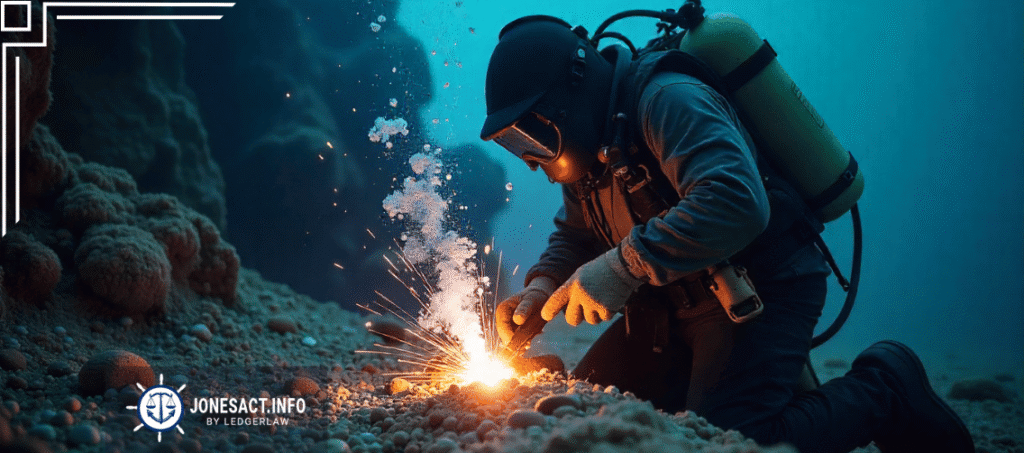
Key Takeaways High Odds of Death: Underwater welding is a very dangerous job with almost 13 deaths per thousand. Risks are Higher Than Traditional Welding Jobs: The working environment comes with unique risks. Reasons for Death: Drownings, electrocutions, and explosions are more likely. Safety Standards: People have to be trained to a high standard of safety and be aware. The role of an underwater welder attracts many people for high payment and an interesting work environment. The work combines the job of commercial diving with welding skills. It’s found in industries that include natural resource exploration and extraction, shipyards, and underwater pipelines, to name a few. Working underwater as a welder is one of the most risky occupations in the world. So how many underwater elders die a year? Although not fixed, the death rate is far more likely than in other types of welding jobs. How Many Underwater Welders Die Each Year? It’s estimated that 15 out of every 1,000 welders will die during the course of their duties every year. Inspenet confirmed a 15% death ratio through the data of Gitnux. Some organizations have higher estimates, while others are a little lower. Annual Mortality Rates in the Underwater Welding Industry The annual mortality rate statistics differ between reporting agencies. Some report an average of six deaths a year. Others report up to 15. Underwater Welder Death Rate Statistics from Reliable Sources The death rate of underwater welders varies according to different sources. However, the Inspenet survey brought different mortality rate data associated with underwater welding. It includes: 15% mortality rate for underwater welders; a sharp 4X rise from the average death rate in workplaces. Among offshore divers, one in every 1000 dies within 10 years of his job. Subsea welders have an average lifespan of 35 to 40 years; half the lifespan of an average American. Common Reasons for Underwater Welding Deaths Many of the causes of death in underwater welding are similar to those of dryland welding. The difference between the two comes down to the environment. Adding to the risks are equipment malfunctions and accidents that increase the risk of death. Here’s a look at the most common reasons for an underwater welding death. Electrocution Welding equipment requires electricity to function. Also, water increases the conductivity of an electrical current. A shock from the welding equipment can arc into the body and stop the heart, known as electrocution. Drowning Underwater welders wear specially designed suits that have oxygen feeds. Some of the welders might wear specially designed SCUBA gear. Sometimes things go wrong with the equipment due to a lack of preventative maintenance or inattention. When the equipment is defective or not maintained, the welder drowns as a result. Equipment Malfunctions The equipment used by an underwater welder is complex. If it’s not properly maintained, a malfunction can happen that results in the welder drowning. Decompression Accidents Welders work in deep water ranging from 30 to 500 feet, or even more. Shallow Depths: 10 to 30 feet for maintenance on docks, ships, and bridges. Mid-Depths: 30 to 130 feet for larger repairs on ship hulls and offshore platforms. Deep-Sea Depths: 130 to over 1,000 feet are common in the offshore oil and gas industry. The deeper the welder goes and the longer they work, it increases the risk of nitrogen bubbles. It happens because of the increased pressure underwater. During ascend, it can block blood circulation and cause decompression. Being female Women are at a higher risk of death because they have a harder time tolerating the working conditions. Having poor cardiovascular health Poor cardiovascular health is one of the main causes of death among underwater welders because of the extreme conditions. It could come in any form but all can contribute to an early death because of poor circulation. The reasons include: Coronary Artery Disease. Stroke. Hypertension (High Blood Pressure). Heart Failure. Arrhythmia. Obesity An obese person lacks agility and may also have poor cardiovascular health. So, obesity increases the risk of suffering a cardiac event, decompression sickness and limited mobility while underwater. Heart defects Heart defects impair the circulatory system. It makes the heart work harder in stressful situations. When welders dive deep, the heart might not be able to cope up with the extreme pressure and condition. It causes heart failure and death. Cold water Freezing temperatures make it harder for the body to function right. Underwater welders work in extremely low temperatures, averaging 10°C to 30°C and as low as 36°F (2°C). Although welders wear specialized equipment for working in cold water, it still makes their body slow. Lung disease Lung damage from chronic conditions results in less oxygen circulation. This also slows down the body and mind during exertion. Fatigue Yet another risk factor that makes the body slow to respond in stressful conditions. Hypothermia Underwater welders work in low water temperatures. It ranges: Coastal or offshore water temperatures is around 50°F to 85°F (10°C to 30°C). Deep-sea projects could be as cold as 36°F (2°C). Tropical water temperature can exceed 90°F (32°C). Working for too long in cold water conditions leads to hypothermia. If not caught in time, the welder can suffer from low body temperatures and not recover. In many cases, it leads to their death. Explosions and Burns The cause of explosions during underwater welding jobs is the thermolysis (or breaking down by heat) of water. A hot welding arc can reach temperatures of over 10,000°F. It breaks the water molecules to hydrogen and oxygen molecules. These gases accumulate in the confined area to create a highly explosive mixture. A spark can then cause a devastating explosion and might burn the welder. Delta P (Differential Pressure) This happens when a high-pressure body of water comes into contact with a low-pressure body of water. The resulting force can injure or kill the welder. Animal Attacks The underwater environment is full of lifeforms that can randomly attack. Wearing diving gear makes it more difficult to avoid such attacks. Cause
Does Maritime Law Apply To Lakes? Legal Actions And Compensations

Key Takeaways: Maritime law does apply to some lakes, but not all. There is a two-part test that determines if maritime law applies to a particular lake. The judicial system set the standard for what’s covered by maritime law in 1870. A lake must connect with multiple states or countries and be navigable to fall under maritime law. The liability of accidents in lakes will be shared by all involved parties responsible for the accident. If you don’t spend much time on a ship or boat, chances are you aren’t familiar with the important differences between maritime laws and state laws. However, these differences are huge. They affect anyone who works on the water because: Injured seamen covered by maritime law can get compensation for injuries even if they are to blame for the injuries. Injured seamen have a lower standard for proving that the other party was responsible for the injury than workers injured on land. You can file your case in federal court or state court. What Is the Maritime Law? Maritime law is a collection of laws that apply to waterway commerce and transportation. This set of laws: Regulates shipping. Determines what type of insurance and how much insurance ships need. Determines the rules by which ships can travel on the open seas and in waters governed by different countries. Outlines the rights of people traveling on covered waterways. Body of Water Definition Covered by Maritime Law Lakes A stagnant body of either salt or fresh water Sometimes Rivers Flows into a lake, sea, or ocean Sometimes Seas Deeper than a lake Always has salt water Connects to an ocean Always Does Maritime Law Apply to Lakes? There are two criteria that a lake must meet to fall under maritime law jurisdiction. These are: It must be possible to use the lake for commercial transportation. The waterway has to form a continuous route with other states or nations. This applies even if the “route” is formed by a river flowing out from a lake, rather than just the lake itself. Any lake that ships and/or boats can use to transport people or goods between states or countries is covered by maritime law. Lake Distinctions: Lakes in the U.S. can fall under several categories: It’s used for recreation and transport by people in two or more states (or between the U.S. and another country). It’s used for recreation and transport, but it’s enclosed in a single state. It can’t be used for transportation. What Makes a Lake a Navigable Waterway? Legally, a lake is considered “navigable” if it’s used or could be used for travel or transport between states and/or countries. A state can make laws governing bodies of water in its jurisdiction. However, if the body of water is covered by maritime law, the state can’t make laws that contravene maritime law. Examples of Water Bodies Subject to Maritime Law: All the Great Lakes and their tributaries. St. Mary’s River and its tributaries. St. Clair River and its tributaries. Detroit River and its tributaries. How Do Laws Differ Between Lakes and Seas? The size of the water body doesn’t matter. What matters is: Is it navigable for traffic or recreation between states and countries? Did the incident happen close to one country’s coast? Is it an open sea governed by international law? Can Maritime Law Apply to Cases Arising on Lakes? Can watercraft travel or sail between states or countries on the river or lake? If so, then maritime law applies. Liability in Boat Accidents on Navigable Lakes and Rivers: If someone is hurt while working on a navigable lake or river, the company that hired the person is responsible for covering bills, even if the person was totally at fault. In some cases, more than one party or company can be responsible for the accident. Joint and Several Liability under maritime law has rules in place dictating how each party should pay the injured person if held responsible. What’s more, other parties can be held liable even if they were barely responsible. Common Incidents that Fall Under Maritime Law: There are many types of incidents that are covered by maritime law. Personal injury. Lost wages. Emotional pain and suffering. Wrongful death. Property damage. Recreational Activities and Their Legal Implications: Maritime law isn’t just for people traveling by water or working on a commercial ship or boat. It also applies to any type of recreational boating. If the body of water is covered by maritime law, it covers anyone on that body of water, for any reason. FAQ Frequently Asked Questions 1. Does Maritime Law Apply to Recreational Activities on Lakes? Yes. It doesn’t matter why you’re on the lake. What matters is whether the law says the lake is navigable for travel between states and/or countries. 2. How Does Maritime Law Affect Liability in Boat Accidents on Navigable Waters? Maritime law affects your standard of proof. If you’re injured on navigable waters, the standard of proof is lower than for an accident on land. 3. What Types of Incidents Fall Under Maritime Law? Any incident that occurs on a body of water covered by maritime law falls under maritime law coverage. 4. Can State Law Apply to a Navigable Lake?for injured underwater welders? States can make laws governing any of their lakes. However, these laws can replace or go against maritime law. 5. Does maritime law apply to inland lakes? Maritime law applies to any inland lake that can transport people or goods to and from states or countries. Legal Recourse for Victims of Maritime Accidents on Lakes: What to Do After an Accident on a Navigable Lake or River? See a doctor. Collect evidence. Find a maritime lawyer to get specific information about your case. The process for filing a claim under maritime law isn’t easy. It involves: Your lawyer will help you determine who is at fault. Your lawyer will help you identify the best place to file your lawsuit. You and your