Key Takeaways:
-
Governs All Water Activities: Maritime law regulates everything on the water, from global trade and commerce to personal injuries and environmental protection.
-
Worker Safety is a Priority: The Jones Act and the LHWCA provide vital legal and financial protection for maritime workers.
-
Essential for the Global Economy: It creates a stable and predictable legal environment that is crucial for the international shipping industry.
-
Ensures Safety at Sea: Maritime law establishes key safety regulations and navigation rules to prevent accidents and protect vessels, crews, and passengers.
-
Worker Safety is a Priority: The Jones Act and the LHWCA provide vital legal and financial protection for maritime workers.
-
Protects National Security: Maintains a strong domestic fleet and provides the legal authority for federal agencies to enforce laws and secure U.S. waters.
The increasing trade, commerce, and tourism on seas and water territories have brought many complexities. From governing the vessels to ensuring seamen’s safety, it has different layers. It needs maritime law. So, what is maritime law? Why is maritime law important?
Maritime law governs all activities on American water territory. Its importance lies in ensuring safety and security, protecting maritime workers, facilitating global trade, etc.
What Is Maritime Law?
Maritime law, also known as admiralty law, governs nautical issues and private maritime disputes. It includes domestic and international laws for activities on the water. In the U.S., Article III, Section 2 of the U.S. Constitution defines and governs maritime law.
Maritime law covers various topics, including:
- Shipping and navigation
- Maritime liens and insurance
- Seafarer and passenger rights
- Accidents and personal injuries at sea
- Environmental protection of the oceans
History of Maritime Law:
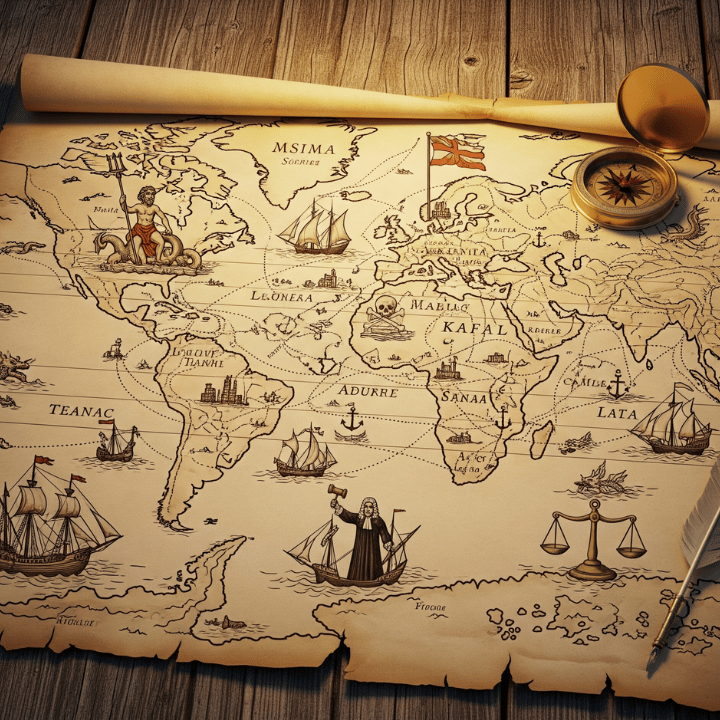
The history of maritime law is as old as seafaring itself. Its roots trace back to the earliest civilizations of the 9th century BC.
Ancient Origins:
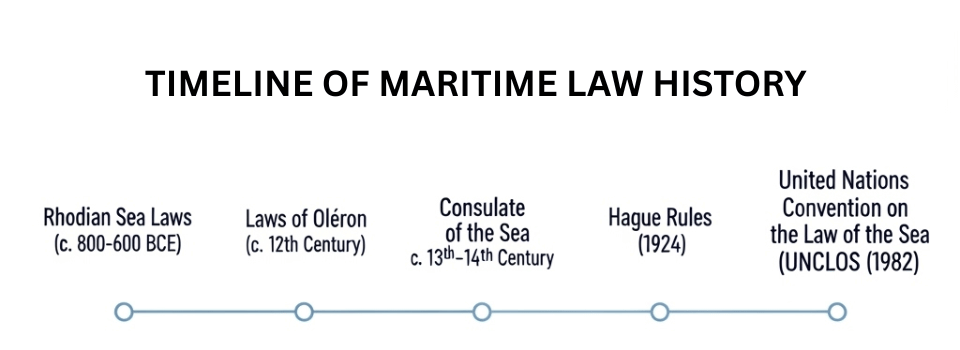
- Rhodian Sea Law: The law evolved around 900BC. It governed commerce and navigation among early Mediterranean civilizations.
- Roman Law: The Romans integrated elements of the Rhodian codes into their legal system. It influenced maritime law development in the region.
Medieval Period:
- The Rolls of Oléron: It is a collection of maritime judgments from the 12th century. It is a key source of law for merchant seamen across Europe.
- Consolato del Mare: A 14th-century compilation of maritime customs and practices.
Modern Origin and International Treaties:
- Freedom of the Seas: Legal scholar Hugo Grotius developed it in the 17th century. It established the principle that the oceans should be open to all nations.
- UNCLOS: The United Nations Convention on the Law of the Sea is a landmark 1982 treaty. It defines the rights and responsibilities of nations to use the world’s oceans.
Critical Components of Maritime Law:
Maritime law deals with various aspects of commercial and recreational activities on navigable waters. The key components include:
Maritime Liens: Legal claims against a vessel for services or supplies provided, such as crew wages or repairs.
Shipping Charters: Contracts for the use of a vessel, including demise, time, and voyage charters.
Limitation of Liability: It allows a vessel owner to limit their liability for an accident to the post-accident value of the vessel.
Collision Liability: It determines the fault and liability when two or more vessels collide.
Salvage and General Average: Compensation paid to a rescuer who saves a vessel (Salvage) and the proportional sharing of costs for a sacrifice made to save an entire venture (General Average).
Marine Insurance: Insurance that protects vessel and cargo owners against losses that can occur at sea.
Maintenance and Cure: Maintenance is a daily living stipend to cover the seaman’s basic living expenses during their recovery. Cure is the employer’s obligation to pay for the seaman’s medical expenses until they reach medical fitness.
Causes of Maritime Injury:
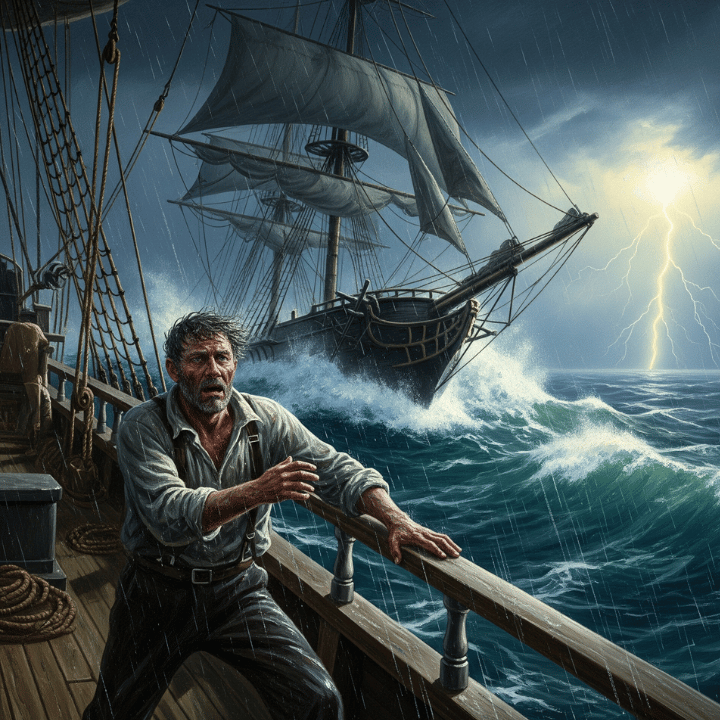
Maritime workers work in the unpredictable nature of the sea. There are also hazardous conditions on vessels and at ports. These can cause injuries:
Cause of Injury | Brief Discussion |
Vessel Negligence | · A vessel owner’s failure to maintain a safe working environment · Inadequate equipment · Seaworthiness of the vessel · Slippery decks, improperly secured cargo, or unmaintained machinery. |
Crew Member Negligence | · Human error and negligence · Failing to follow safety protocols · Improper operation of equipment, or intoxication |
Environmental Factors | Adverse weather conditions, rough seas, and high winds |
Inadequate Training | Improper training for crew members: · Safety procedures, · Equipment operation · Emergency protocols |
Defective Equipment | Malfunctioning or poorly maintained equipment, including winches, cranes, ladders, and safety gear, |
For any maritime injury compensation, contact us at (253) 201-7777.
Common Maritime Injuries:
Maritime injuries can be severe and life-altering. From traumatic injuries to repetitive stress, it includes:
Traumatic Injuries:
- Falling overboard: It leads to drowning, hypothermia, or serious injuries from impact with the water or other objects.
- Crush Injuries: Often occur when workers are caught between heavy equipment, cargo, or the vessel and the dock. It causes broken bones, internal organ damage, or amputation.
- Head, Neck, and Spinal Injuries: The reasons are slips and falls, being struck by objects, or collisions. It can result in paralysis, brain damage, or long-term disability.
Repetitive Stress and Overexertion Injuries:
- Back and Shoulder Injuries: There could be frequent heavy lifting, bending, and twisting in confined spaces. It causes herniated discs, muscle tears, and chronic back or shoulder problems.
- Carpal Tunnel Syndrome: Nerve damage in the hands and wrists happens due to repetitive tasks, such as operating machinery or using hand tools.
Environmental and Chemical Exposure Injuries:
- Burns: Steam, hot liquids, or electrical currents in engine rooms and galleys can burn the skin.
- Toxic Exposure: Workers may be exposed to hazardous chemicals, fumes, or asbestos. It causes respiratory illnesses, skin conditions, or long-term health problems.
The Importance of the Death on the High Seas Act:
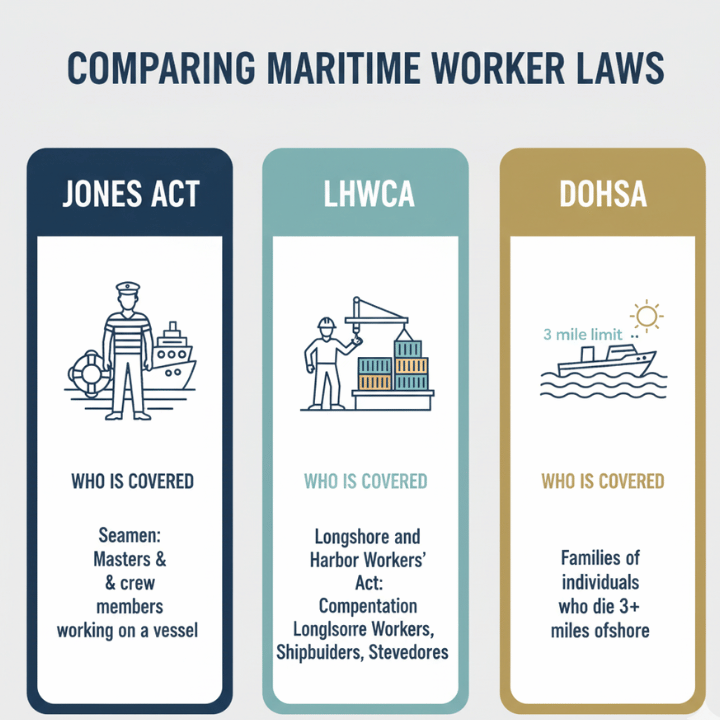
The Death on the High Seas Act (DOHSA), passed in 1920, is a crucial piece of U.S. maritime legislation. It is built for the protection of marine workers more than three nautical miles from the U.S. shore
It provides a legal cause of action for the surviving family members of a dead person due to a wrongful act or negligence.
- It provides a Remedy: Before DOHSA, there was no uniform federal remedy for wrongful death on the high seas. It fills that gap, ensuring that families can seek justice and compensation.
- It Defines Who Can Recover: The act specifies that only the decedent’s spouse, parent, child, or dependent relative can bring a claim.
- It Limits Damages: DOHSA limits the damages that can be recovered to “pecuniary losses.” So, families can only be compensated for the financial losses. It excludes non-pecuniary damages like pain and suffering or loss of companionship.
The Jones Act:
The Jones Act, also known as the Merchant Marine Act of 1920, is a landmark U.S. maritime legislation. The federal law allows injured seamen to sue their employers for negligence. It has different provisions, including:
Seamen’s Requirement:
A worker must qualify as a “seaman” for the Jones Act. He must be a master or a member of the crew of a vessel or a group of vessels. Also, the person must spend at least 30% of their time in a vessel to qualify as a seaman.
Vessel Owner’s Liability:
The Jones Act holds vessel owners and employers liable for injuries to their seamen. The injury results from the owner’s or a fellow employee’s negligence, in whole or in part. It is known as the “featherweight” burden of proof, where the employee can sue the owner with minimal proof of negligence.
Who Is Covered:
- Sailors and crew members on commercial vessels.
- Fishermen.
- Tugboat operators.
- Deckhands.
- Cruise ship employees.
- Offshore oil rig workers (as long as they are assigned to a vessel).
Longshore and Harbor Workers’ Compensation Act:
The LHWCA is a federal law. It provides workers’ compensation benefits to certain maritime workers who are not considered “seamen” under the Jones Act.
Status Test:
The status test determines whether the nature of the worker’s employment is “maritime.” The worker’s duties must be related to maritime commerce and work on or with a vessel. It excludes workers covered by the Jones Act.
Situs Test:
The situs test focuses on the location where the injury occurred. It requires that the worker’s injury take place on, near, or adjacent to navigable waters of the United States. This includes:
- Piers, wharves, and docks.
- Dry docks and marine railways.
- Terminals and adjoining areas customarily used for loading, unloading, building, or repairing a vessel.
Who Is Covered?
- Longshoremen.
- Harbor workers.
- Shipbuilders and ship repairers.
- Marine terminal workers.
- Warehouse workers (who are involved in moving cargo).
- Stevedores.
Compensation Policy:
The LHWCA is a “no-fault” workers’ compensation system. They only need to prove that they were injured while working or staying on the vessel. The LHWCA provides for:
- Medical benefits.
- Disability payments for lost wages.
- Vocational rehabilitation services.
- Survivors’ benefits in cases of death.
Feature | The Jones Act | Longshore and Harbor Workers’ Compensation Act (LHWCA) |
Type of Worker | Seamen (crew members of a vessel) | Non-seamen (longshoremen, harbor workers, shipbuilders) |
Legal Basis | Based on employer negligence | No-fault workers’ compensation |
Compensation | Full damages for medical expenses, lost wages, pain & suffering | Medical benefits, disability payments, and vocational rehabilitation |
Unique Feature | Requires proof of employer negligence | Provides “maintenance and cure” |
Why Is Maritime Law Important?
Maritime law regulates global commerce. It ensures safety and protects the rights of those who work on or are affected by the water. Without a uniform legal framework, the maritime industry would be chaotic and dangerous.
Facilitating Global Trade:
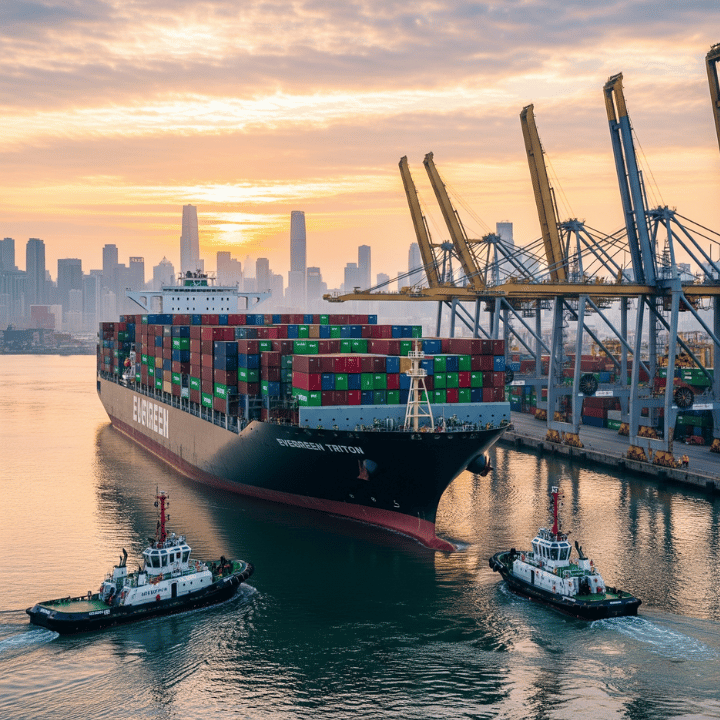
80% of the global trade happens through the sea and maritime territories. The maritime law provides a predictable and stable environment for international trade. It governs contracts for the carriage of goods and resolves disputes.
So, maritime law ensures the smooth flow of commerce across oceans. Without maritime law, the world economy would come to a standstill.
Ensuring Safety and Security:
International maritime law and treaties regulate the design and construction of vessels. It establishes rules of navigation and safety protocols on marine water. It prevents accidents, collisions, and environmental disasters.
Also, the standards protect crew members, passengers, and the marine ecosystem.
Protecting Maritime Workers:
The Jones Act and the LHWCA protect workers and ensure compensation for injured maritime workers. It’s crucial because maritime workers face some of the most dangerous working conditions in the world. These laws hold employers accountable. Also, ensure that injured workers can get the medical care and financial support they need.
Addressing Environmental Concerns:
Maritime law regulates environmental issues, from preventing oil spills and pollution to managing the disposal of waste at sea. International maritime treaties are a testament to the importance of maritime law in protecting our oceans. A few of the international maritime treaties to protect the environment include:
- International Convention for the Prevention of Pollution from Ships (MARPOL).
- United Nations Convention on the Law of the Sea (UNCLOS).
- London Convention (LC).
- International Convention on Oil Pollution Preparedness, Response, and Co-operation (OPRC).
- International Convention for the Control and Management of Ships’ Ballast Water and Sediments (BWM Convention).
Resolving Jurisdiction Issues:
Vast areas of the ocean are outside the jurisdiction of any single nation. So, maritime law provides a framework for resolving disputes that occur in international waters. It includes salvage, piracy, and collisions.
Regulating Passenger and Cruise Ship Liability:
Maritime law dictates the rights of cruise ship passengers. It also defines the liability of cruise lines for injuries or accidents on their vessels. It governs everything from slips and falls to medical malpractice claims at sea.
Protecting National Security:
Many countries, including the U.S., use maritime law to protect their national interests. The Jones Act, for example, helps maintain a domestic fleet and a skilled workforce. Also, it provides the legal authority for federal agencies like the U.S. Coast Guard to enforce U.S. law on the high seas and in U.S. waters
Frequently Asked Questions:
What’s the difference between a “seaman” and a “maritime worker”?
A seaman is a crew member who has spent 30% of the time in a vessel. The Jones Act covers them. A maritime worker works on or near navigable waters but is not a crew member. The LHWCA protects these workers.
What is “unseaworthiness”?
Unseaworthiness holds a vessel owner liable for injuries caused by the unseaworthy condition of their vessel. An unseaworthy condition includes a faulty piece of equipment to an incompetent crew.
Can I sue if I am injured on a cruise ship?
Yes, you can sue the cruise ship for your injuries on it. A maritime attorney can help you navigate these complex contract terms.
What is the “Rule of Halves”?
The Rule of Halves, historically used in maritime collisions, stated that if both vessels were at fault, the damages would be equally divided between them. The comparative negligence, however, has largely replaced it.
What is “General Average”?
General Average is a legal principle. According to it, all parties involved in a maritime venture must share the cost of a sacrifice made to save the entire venture from a common peril. For example, a ship’s captain jettisons a portion of the cargo to save the vessel from sinking in a storm. All the cargo owners and the vessel owner would share the cost of the lost cargo.
Conclusion:
Maritime law protects workers, passengers, the marine environment, and the rights of countries in their waters. So, now you must understand, “What is maritime law and why is maritime law important?”
If you have been involved in any maritime injuries, we are here to help you. Our expert maritime attorneys will hear your case and offer a free case evaluation. Contact us at (253) 201-7777 and ensure your rights now.