
Drunk Woman Falls Off Boat: Real Case, Legal Risks & How JonesAct.info Can Help
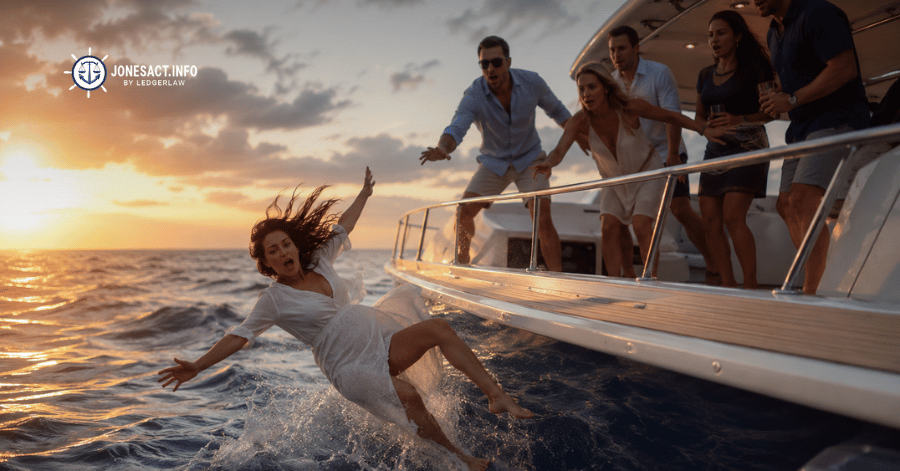
Key Takeaways: Alcohol is the leading contributing factor in recreational boating fatalities, and a drunk woman falling off a boat during a party or cruise is far more common than most people realize. Boat owners, operators, charter companies, and cruise lines can all be held legally responsible if they ignore safety rules or overserve alcohol to passengers. A victim’s own intoxication may reduce her compensation under comparative fault rules, but it rarely eliminates her right to recover entirely under maritime and state law. Video evidence, witness statements, and alcohol service records are the most critical pieces of proof in drunk overboard investigations. Strict filing deadlines apply in U.S. waters-sometimes as short as one year-so contacting a lawyer quickly after an overboard accident is essential. Life jackets are the most effective way to prevent drowning, and failing to provide them can be strong evidence of negligence. JonesAct.info connects injured passengers and families with maritime and boating accident attorneys for free case evaluations. Picture a warm July night on a rented pontoon boat in Lake Travis, Texas. Music is loud, laughter fills the air, and a woman who has been drinking for hours stumbles near the open rail. One misstep on a wet deck, and she drops into dark water. Her friend screams. Someone scrambles for a flashlight. It happened in seconds. Viral clips of a drunk lady falling off a boat may generate splashes of dark humor online, but in real life these incidents often end in serious injury, near-drowning, or death. The case of Lynette Hooker, a 56-year-old Michigan woman who fell off a boat in the Bahamas, is a stark reminder. Brian Hooker reported Lynette missing at 4 a.m. the next morning, and the search for Lynette Hooker has since shifted to recovery efforts, with police using boats and drones. Lynette’s daughter called for a thorough investigation into how this happened. This article examines the safety lessons, legal liability, and real-world consequences when an intoxicated passenger falls overboard. It is written from the perspective of JonesAct.info, which focuses on maritime and boating accidents and connects victims to qualified lawyers who understand Jones Act principles, general maritime law, and state negligence statutes. Let’s get into what actually happens-legally and physically-when a drunk woman falls off a boat. Drunk Woman Falls Off Boat: What Happened and the Legal & Safety Risks: Imagine a concrete 2024 scenario: a group of friends rents a 30-foot cabin cruiser in Miami’s Biscayne Bay for a Saturday afternoon. By sunset, drinks have been flowing for five hours. A woman in the group, visibly unsteady on her legs, heads for the swim platform. The stairs are wet. She misses the last step, her body slides across the fiberglass, and she tumbles over a low rail into the bay. Friends are holding drinks, not life rings. Panic replaces the earlier laughter. Someone finally throws a flotation cushion. She’s rescued with a concussion and hypothermia already setting in. The Coast Guard’s 2024 Recreational Boating Statistics Report counts drowning as about three quarters of boating deaths, and alcohol as the leading known contributing factor in fatal boating accidents. According to the U.S. Coast Guard’s 2023 Recreational Boating Statistics, alcohol accounted for 79 deaths that year-17% of total boating fatalities. A drunk woman who fell off a boat and was rescued is fortunate. Many are not. The incident with the drunk woman was filmed and shared online in multiple recent cases, turning private tragedies into public spectacles. But behind every viral video is a person whose life changed in seconds-and a web of legal responsibility that extends far beyond the woman herself. Common Causes of a Drunk Lady Falling Off a Boat: Several recurring factors appear across overboard incidents involving intoxicated passengers: Crowded party decks where people dance, jostle, and push near open rails or swim platforms. Slippery fiberglass surfaces that become treacherous when wet from waves, splashes, or spilled drinks. Sudden wakes from passing vessels that shift balance without warning. Low or missing railings on budget charter boats and older recreational vessels. Poor lighting on nighttime party cruises, especially on rivers like the Mississippi in New Orleans or the Hudson River in New York, where loud music can mask warning shouts. Alcohol impairs balance, coordination, and judgment. A case-control study published in JAMA found that at a blood alcohol concentration of 0.25 g/dL, the odds of death increased by a factor of 52.4. Alcohol consumption also magnifies the effects of the sun, wind, and boat movement, causing a person to become impaired far faster on the water than at a bar on land. Mixing high-proof liquor, summer heat, and long hours on the water makes a drunk woman more likely to misjudge steps, handholds, and rail height. In many recorded incidents, the fall appears almost slow-motion-a missed last step, a slide on a fiberglass deck, and then a drop into dark water while friends watch, initially unaware she is in real danger. Beachgoers and boaters alike should avoid swimming while intoxicated to reduce these accidents. Hypothermia can rapidly impair breathing and muscle function in cold water, even in moderate climates. And wind, currents, and waves can quickly carry a person away from a boat after a fall, making rescue exponentially harder with every passing minute. Immediate Safety Response After a Drunk Overboard Fall: When someone goes into the water, seconds matter. Crew and guests should follow a clear sequence: Shout “Man overboard” loudly and repeatedly. Throw a life ring or flotation device immediately toward the person. Keep visual contact-assign one person to point at the victim at all times. Reduce speed and carefully circle back, keeping the propeller away from the person in the water. Call for emergency help via VHF radio or phone. Sober boat operators are crucial for safety on the water. U.S. Coast Guard guidance and most state boating courses stress having at least one designated sober watcher who can respond quickly when someone falls overboard. Life jackets are the most effective way to prevent drowning,
Can You Drive A Boat Drunk? Boating Under the Influence Laws & Safety Explained
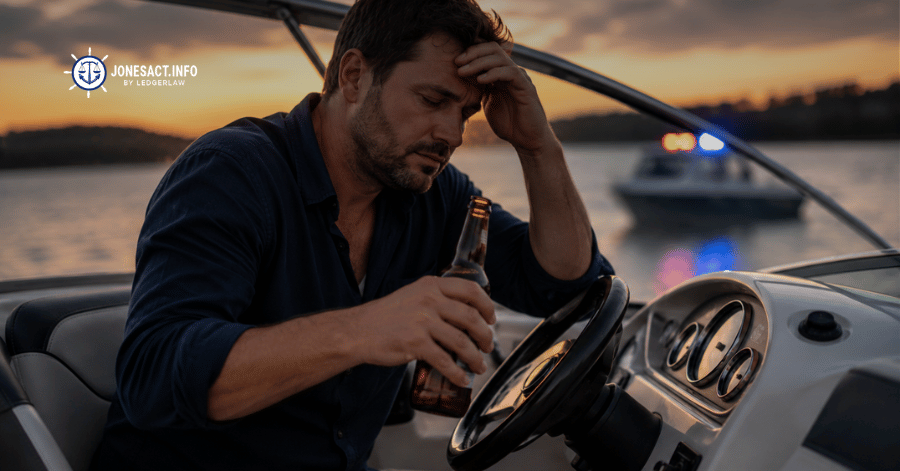
Key Takeaways: Operating a boat while drunk is illegal in all 50 states and under federal law, even if passengers are allowed to drink alcohol. In most states, the legal limit for boating under the influence (BUI) is a 0.08% blood alcohol concentration, similar to DUI on the road. Alcohol dramatically increases the risk of a boating accident because waves, sun, wind, and vibration amplify impairment. BUI convictions can bring fines, jail time, mandatory boating safety courses, and in some states, loss or suspension of your driver’s license. You can often be charged with BUI even if you are under the legal limit if your ability to safely operate a boat is impaired. JonesAct.info can help if you were injured in a drunk boating accident or are facing legal issues involving boating under the influence. Best practice for boating safety is to designate a sober operator and keep alcohol use away from anyone operating a boat. Can you drive a boat drunk? The short answer is no-it is illegal in every state and under federal law. Despite a common misconception that rules are looser on the water, boating under the influence carries criminal charges, steep penalties, and a dramatically higher risk of fatal accidents. This guide breaks down BUI laws, real accident risks, and what to do if alcohol-related boating affects you or your family. Can You Drive A Boat Drunk: Boating Under the Influence Laws Explained: No, you cannot legally drive a boat while drunk. Boating under the influence, commonly called BUI (also known as BWI or OUI depending on the state), is a criminal offense nationwide. BUI is illegal in all 50 states and under federal law, and it is treated similarly to a DUI on the road. BUI laws also cover illegal drugs and certain prescription medications-not just alcohol. The boat operator must maintain a blood alcohol content below the legal BAC limit, which is 0.08% in most states. Officers can evaluate impairment even below the legal limit if behavior, navigation errors, or accidents suggest the person’s ability to operate safely is compromised. Passengers can drink alcohol on boats in most states, but the person operating the vessel must remain sober. There is a zero-tolerance policy for operators under 21 regarding alcohol use. Federal BUI Rules on U.S. Waters: Federal BUI law, codified in 33 CFR Part 95, applies on coastal waters, the Great Lakes, and many navigable rivers under Coast Guard jurisdiction. Key points: The federal legal BAC limit for a recreational boat operator is 0.08% blood alcohol concentration. Commercial operators face a stricter standard-just one drink can reach a BAC of 0.04%, which is the threshold for commercial vessel operators. The Coast Guard has authority to board vessels, conduct safety checks, and administer field sobriety or breath tests when they suspect a person is operating under the influence. Under 46 U.S.C. 2302(c), operating a vessel under the influence of alcohol or a dangerous drug carries a civil penalty of not more than $5,000, adjusted for inflation each year under 33 CFR 27.3, or prosecution as a class A misdemeanor. Enforcement ramps up sharply on peak holidays like Memorial Day, July 4th, and Labor Day through campaigns like Operation Dry Water. State BUI Laws in Most States: All 50 states criminalize boating under the influence, but specific rules on the legal limit, covered vessels, and potential penalties vary by jurisdiction. In most states, the BAC threshold mirrors drunk driving laws: Recreational boaters: 0.08% BAC in virtually all states, including Wisconsin’s legal BAC limit for recreational boaters at 0.08%. In California, commercial boat operators face a BAC limit of 0.04%. Stricter or zero-tolerance rules apply for operators under 21. States like California, Texas, Florida, and Wisconsin treat BUI penalties similarly to driving under the influence. California BUI penalties increase for repeat offenders. Under Wisconsin Statutes section 30.80(6)(a), a first offense of operating a boat while intoxicated carries a forfeiture of $150 to $300. Open containers of alcohol are allowed on boats in Wisconsin, but this does not change the operator’s obligation to remain below the legal limit. Many states recognize implied consent for chemical testing when you choose to operate a boat on their waters. Always check your state’s boater education materials or wildlife/parks department website for current definitions and legal limits. Which Boats Are Covered: Motorboats, Jet Skis, Canoes & More: Many people assume only large motorboats are regulated, but BUI laws apply to all motorized boats, jet skis, and often sailboats and canoes. In most states, operating any motorized vessel-fishing boats, ski boats, personal watercraft, houseboats, and powered sailboats-while intoxicated can result in a BUI charge. Some states extend BUI rules to non-motorized craft such as canoes, kayaks, and stand-up paddleboards. Others, like Wisconsin, limit BUI to motorized watercraft under their statutes. Even where a state does not label it BUI for non-motorized boats, public intoxication, reckless behavior, or causing harm on the water can still lead to criminal charges and civil liability. Treat all craft as if BUI rules fully apply, for both safety and legal risk management. How Alcohol Affects Boating Safety and Accident Risk: Drunk boating accidents are disproportionately deadly. According to the U.S. Coast Guard’s 2024 report, alcohol was the leading known contributing factor in fatal boating incidents, responsible for roughly 92 deaths-about 20% of all recreational boating fatalities that year. Alcohol use is involved in approximately one-third of all recreational boating deaths when underreported cases are factored in. Marine stressors intensify alcohol’s effects, leading to quicker impairment. Sun, glare, wind, wave motion, and vibration combine with alcohol to create a phenomenon sometimes called boater’s hypnosis-a state of fatigue and reduced awareness. Boater’s fatigue increases alcohol’s effects on performance, meaning alcohol affects balance and judgment faster on water than on land. Even moderate consuming alcohol impairs judgement, coordination, and reaction time, all critical for safe boating in crowded waterways or poor weather. A person’s ability to respond to emergencies drops sharply. Research published in JAMA found that boaters with a
Drunk Boating Accidents: Causes, Laws, Liability, and Prevention
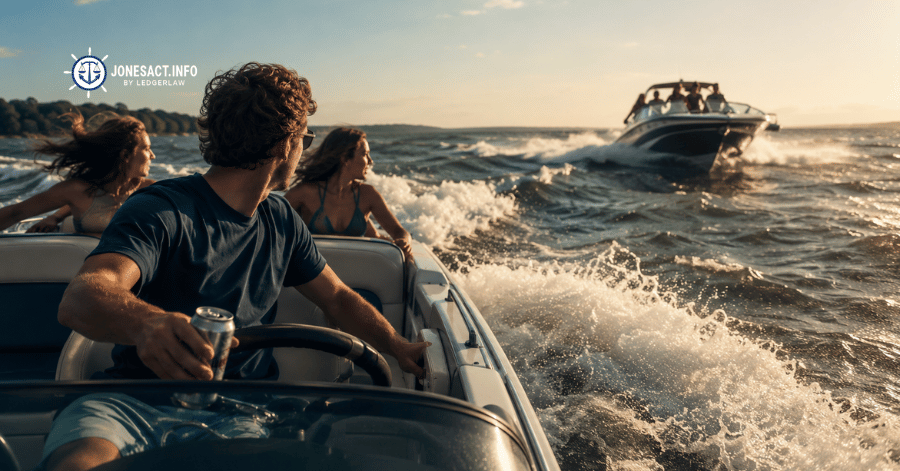
Key Takeaways: Alcohol is the leading known contributing factor in fatal recreational boating accidents, accounting for 17% of boating deaths in 2023. Boating under the influence carries criminal penalties including fines, jail time, and license suspension in all 50 states and under federal law. A drunk boat driver can be sued for compensation by injured victims, and liability may extend to boat owners, rental companies, employers, and alcohol vendors. Victims of alcohol-related boating accidents can recover compensation for medical bills, lost income, pain and suffering, property damage, and wrongful death. Designating a sober skipper, wearing life jackets, and limiting alcohol consumption aboard are the most effective ways to prevent drunk boating tragedies. Taking immediate steps after a crash-seeking medical help, documenting the scene, and filing a boating accident report-protects both safety and legal rights. Environmental stressors like sun and wave motion magnify alcohol’s impairing effects on boaters, making even moderate drinking extremely dangerous on the water. Every boating season, crowded lakes and rivers fill with friends, families, and fun-along with coolers of booze. Drunk boating accidents happen when someone operates a vessel while impaired by alcohol or drugs, sharply increasing the risk of collisions, capsizes, and drownings. On any given Fourth of July weekend, marine patrols across the country respond to crashes and fatalities tied directly to intoxicated operators, even though many people who would never drink and drive still underestimate how dangerous alcohol is on the water. The numbers paint a stark picture. Alcohol is the leading known contributing factor in fatal recreational boating accidents, and the U.S. Coast Guard reports that alcohol was linked to 17% of boating deaths in 2023, including 79 fatalities on U.S. waterways. For boaters and passengers planning a day on the water, victims and families dealing with a serious crash, and legal professionals evaluating fault or claims, understanding these accidents can protect both lives and legal rights. The legal charge is typically called boating under the influence, or BUI, and a drunk boat driver can face criminal prosecution much like a drunk driver on the highway, along with civil liability when someone is injured or killed. This article explains how alcohol affects boating safety, the state and federal BUI laws that apply, who may be held liable after a crash, what compensation may be available to victims, and the practical steps that help prevent alcohol-related boating accidents. It is educational in nature and not a substitute for personalized legal advice about a specific boating accident or BUI charge. Drunk Boating Accidents: Causes, Laws, Liability, and Prevention: This core section explains how and why drunk boating accidents happen, what laws apply, who may be held responsible, and how these crashes can be prevented. Each subsection below breaks down one of four pillars: causes and alcohol effects on the water, BUI laws and penalties, liability in civil claims, and prevention strategies. This is the most detailed portion of the article because it directly addresses the “what, why, and how” behind alcohol-related boating accidents-and what boaters, passengers, and victims need to know to protect themselves. Primary Causes of Drunk Boating Accidents: According to U.S. Coast Guard data, there were 3,844 reported boating accidents and 564 fatalities in 2023. Alcohol use is the leading cause of boating accidents when fatal outcomes are involved, and the most common causes of non-fatal boating accidents include operator inattention and improper lookout-both of which alcohol worsens dramatically. Alcohol consumption reduces balance and coordination, and drug use can further impair judgment and reaction time, making falls overboard, slips on wet decks, and missteps near spinning propellers far more likely. On a moving vessel, even a person who feels “fine” after a few drinks becomes a serious risk to themselves and other boaters. Then there is what safety experts call “boater’s hypnosis.” The combined effect of sun, heat, glare, engine vibration, wind, and constant wave motion already fatigues a sober person. Adding alcohol accelerates dehydration, increases heat exhaustion, and deepens fatigue-all of which compound impaired judgement on the water. Common recreational scenarios only raise the stakes: holiday parties on a lake, nighttime cruises, sandbar gatherings, and booze cruises all increase the temptation for drunk boating and reduce supervision of passengers. Inexperienced operators with limited hours at the helm are especially vulnerable when impaired. How Alcohol Impairs Boat Operators and Passengers: Alcohol impairs balance, judgment, and reaction time on boats. A boat operator who has been drinking processes visual information more slowly, loses peripheral vision, and struggles to judge wave height, distance to other boats, or closing speed on a channel marker at dusk. Physical impairments are equally dangerous. Unsteady footing on a moving deck, delayed responses to sudden wakes or swells, and weakened swimming ability after falling overboard can turn a minor incident into a fatal one. Drunk passengers can fall overboard and drown before anyone notices they are gone-especially at night. Consider what makes a boat different from a car: there are no lane markings, traffic lights, or brakes. No seatbelts. No guardrails. Impairment can begin at one third of the legal limit. Even modest blood alcohol concentration levels are more dangerous on a vessel because there is nothing to compensate for poor judgment. A drunk boater who misjudges a turn near a jetty has no rumble strip to warn them-only rocks. Mixing alcohol with the environmental stressors of boating creates a compounding effect that makes even a single drink more impairing than it would be on shore. BUI and Drunk Boating Laws in the United States: Boating under the influence is a crime in all 50 states and a federal offense. The federal legal limit for boating is .08% BAC-the same threshold used in drunk driving laws. A BAC over 0.08% is illegal for operating a boat on any state waters or federally navigable waterways, though BUI rules are separate from road DUI laws for a vehicle even when the legal threshold is similar. Several states also impose lower thresholds. In California, operating a boat under the influence is illegal,
Bosun vs Boatswain: Meaning, Maritime Roles, and Legal Implications
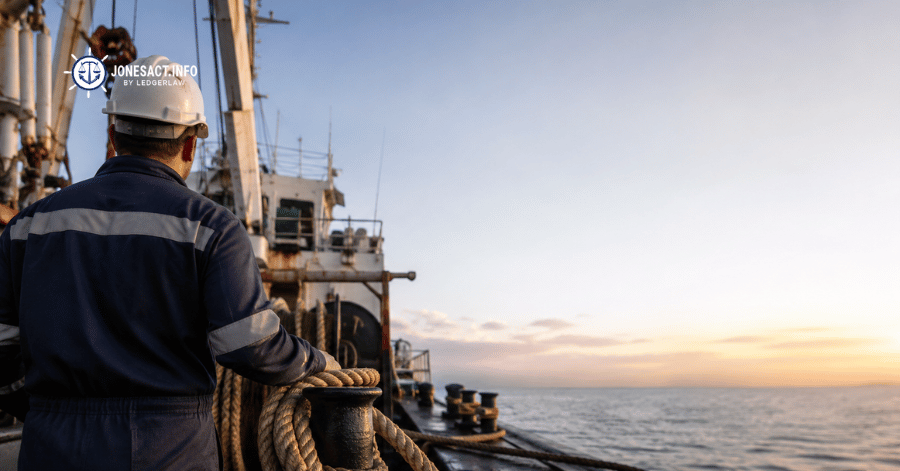
Key Takeaways: The term bosun is a contraction of boatswain – they refer to the same job on a ship with no rank or pay differences between the two spellings. The bosun is the highest-ranking unlicensed rating in the deck department, responsible for supervising deck operations, maintenance, and safety equipment. Officers like the first mate handle navigation and overall command, while the boatswain works hands-on with the deck crew. A boatswain’s mate assists the bosun and can be critically injured during heavy deck work, potentially giving rise to Jones Act and maritime claims. The term boatswain dates back to Old English, yet the role remains essential on commercial vessels, offshore ships, and large yachts today. If you have ever read an accident report, crew list, or maritime job posting, you have likely seen both “bosun” and “boatswain” and wondered whether they are different positions. They are not. Both refer to the senior deck supervisor on a ship – the person responsible for day-to-day deck operations, heavy gear, and the safety of every deckhand on board. Understanding what a boatswain does matters if you or a family member was injured working as a bosun, boatswain’s mate, or deckhand, because job duties directly impact Jones Act and maritime injury claims. This article covers the definition and history of the role, the key differences in terminology, comparisons with the first mate and other ranks, modern career paths, and legal considerations after accidents. Bosun vs Boatswain: What Are the Differences: This section answers the main question directly: when you see bosun vs boatswain, you are looking at spelling variations of one core role. Same Job, Different Word: Boatswain is the traditional spelling and formal term used in ship’s documents, union contracts, and U.S. Coast Guard regulations. Bosun (or bos’n) is the common spoken and simplified written form. In modern usage, there are no rank differences between a bosun and a boatswain. On a commercial ship, the crew list might say “Boatswain,” but safety meeting logs and radio calls will refer to the “bosun.” Navies prefer the spelling boatswain in official contexts. Pronunciation and Nautical Tradition: Despite its spelling, boatswain is historically pronounced “BOH-sun,” not “boat-swain.” This pronunciation is preserved in the U.S. Navy and Royal Navy. The shortened spelling bosun became common in the 19th century as seafaring slang entered print. Related nautical terms include the bosun’s pipe (boatswain’s call), bosun’s chair, and bosun’s locker. Usage Across Navies, Merchant Fleets, and Yachts: Naval forces keep the full “boatswain” naming in ratings and manuals. Merchant ships, offshore supply vessels, and cruise ships more often use “bosun” in everyday speech, though contracts may still say “boatswain.” On larger vessels in the private yacht sector, “bosun” is the standard job title for the senior deckhand supervising exterior work and water toys. When you read Bosun vs Boatswain, you are dealing with one role across different settings and potentially different legal frameworks depending on the vessel type. What Is a Bosun/Boatswain? History, Etymology, and Core Duties: The bosun’s role has deep historical roots in maritime traditions, connecting medieval sailing ships to today’s commercial fleets. Name Origin and Historical Background: The word boatswain derives from Old English bātswegen – bat (“boat”) plus swegen (“servant”), meaning “boat’s servant.” It appeared in English records by the 14th century. On wooden sailing ships, the ship’s boatswain was responsible for masts, rigging, sails, anchors, cables, and discipline of the deck crew. Historically, the bosun oversaw the deck crew and rigging as a warrant officer, not a commissioned officer, often serving for decades at sea. Modern Bosun’s Role on Commercial and Offshore Vessels: On a 21st-century tanker, container ship, or offshore supply vessel, the bosun leads the deck crew in deck maintenance, mooring, and cargo-related tasks. Typical duties include painting the hull, maintaining mooring lines and winches, inspecting lifeboats, greasing cranes, and securing deck cargo, with responsibility for keeping this gear in working order. The bosun maintains cargo-handling gear and oversees deck safety. A bosun maintains all standing and running rigging, supervises major sail-handling operations on vessels that carry sails, and ensures safety equipment is operational and ready. The bosun bridges the gap between the ship’s officers and the deck crew, relaying work orders and safety instructions from the chief mate. Deck Operations and Daily Work: The bosun assigns tasks to the deck crew for efficiency, organizing teams for line handling, hull maintenance, cleaning, and safety inspections. The bosun also leads by example during deck operations, showing newer crew how tasks should be done safely and correctly. The bosun leads mooring and anchoring operations on a ship, and ongoing inspections and minor repair work are part of a bosun’s duties. High-risk tasks under the bosun’s supervision include anchoring operations, towing, handling heavy hawsers, and working aloft in a bosun’s chair. When something goes wrong with heavy gear or ropes, bosuns, boatswain’s mates, and deckhands are often the ones injured. Shipboard Hierarchy: Bosun, Boatswain’s Mates, Deckhands, and First Mate: Understanding the shipboard hierarchy clarifies who does what – and who bears responsibility when accidents happen. Where the Bosun Fits in the Deck Crew: The bosun is the highest-ranking unlicensed rating in the deck department, above able seamen and deckhands but below licensed officers like the third mate and first mate. The bosun reports directly to the Chief Officer or captain and receives instructions about deck operations; on some vessels, those directions may flow through the ship’s commander or master before the bosun organizes the crew to carry them out safely. On larger ships, the bosun takes a supervisory role; on smaller vessels, the bosun works hands-on alongside deckhands during demanding maneuvers. Boatswain’s Mate and Deckhand Roles: A boatswain’s mate is a senior deckhand who directly assists the bosun, often standing in as acting bosun when needed. A bosun’s mate role provides additional responsibilities for deckhands, including training newer seamen, operating complex deck equipment, and taking a lead role in safety drills. In navies like the U.S. Navy, “Boatswain’s Mate” is a formal rating that
Why Should Boaters Slow Down While Passing Recreational Fishing Boats?

Key Takeaways: Wakes from a speeding boat can swamp or capsize low-freeboard fishing boats, even at moderate wake heights of 8–12 inches. Anglers standing, casting, or handling gear are extremely vulnerable to falls and overboard accidents caused by sudden rocking. Fishing lines and trolling gear can extend 100–165 feet behind a fishing boat, creating nearly invisible entanglement hazards for passing vessels. US Coast Guard guidelines and local boating rules require safe speed and proper passing distance near fishing vessels. Slowing down prevents property damage, avoids collisions, reduces citation risk, and preserves a peaceful environment for everyone on the water. Picture a busy summer weekend in 2026: you’re running a 24-ft center console across a coastal bay when you spot a small 20-ft bass boat anchored near a point, two anglers casting toward shore. Many boaters underestimate how vulnerable that fishing boat is to your wake, your speed, and a close pass. This article explains why boaters should slow down while passing recreational fishing boats, how to do it safely and legally, and what happens when you don’t. The guidance here draws on common boating rules, US Coast Guard navigation principles, and practical on-the-water experience. Why Should Boaters Slow Down While Passing Recreational Fishing Boats? Key Safety Reasons: Passing recreational fishing boats at high speed is one of the most avoidable causes of accidents and conflicts on the water. Below are the core safety reasons every responsible boater should understand before passing fishing boats in any waterway. Preventing Dangerous Wake Impacts on Small Fishing Boats: High-speed boats create large wakes that can hit a 16–22 ft fishing boat like a rolling wall of water, especially when it is anchored or drifting broadside. As speed increases, so does the number of wakes produced and their height. Even an 8–12 inch wake can be dangerous for a small boat with a low freeboard. Wakes can destabilize smaller fishing boats, causing injury to anglers, flooding cockpits, and knocking unsecured gear overboard. According to USCG 2023 Recreational Boating Statistics, flooding and swamping accounted for 386 accidents and capsizing for another 234-many linked to wake or wave forces. A strong wake can damage fishing gear, knock rods into the water, or cause flooding that disables electronics and motors. This is exactly why many jurisdictions establish no-wake and slow speed, minimum wake zones near fishing areas. Protecting Anglers From Falls, Impacts, and Overboard Accidents: Anglers routinely stand on the bow, lean over gunwales, or move around handling rods, coolers, and bait. A sudden, unanticipated large wake while passing recreational fishing boats can cause twisted ankles, head impacts against consoles, or man-overboard events. Imagine a weekend fisherman on the bow mid-cast when a broadside wake rolls the boat-there’s nothing to grab. In 2023, over half of fatal boating incidents involved someone ending up in the water through falls overboard or capsizing. Slowing down allows the fishing boat’s skipper and passengers time to brace and adjust, dramatically reducing injury risk. Avoiding Entanglement With Fishing Lines, Nets, and Trolling Gear: Fishing lines may extend far from the side of the boat-trolling spreads commonly run 100–165 feet behind a fishing boat, with planer boards spreading laterally 20–30 feet. Monofilament and fluorocarbon lines are nearly invisible on choppy water. Running over a fishing boat’s lines can foul propellers, damage lower units, strip rods from holders, or cause sudden loss of steering. Entanglement in fishing gear poses significant risks to vessels involved. Slow speeds minimize the risk of entangling fishing lines because they give skippers time to spot rods, floats, and nets, then choose the correct side and distance. Property damage claims from tangled gear and equipment are common and avoidable. Reducing Collision Risk in Busy, Mixed-Use Waterways: On crowded summer lakes, bays, and rivers with greater boat traffic, wake boats, PWCs, and fishing boats share tight channels. Speed shortens reaction time, making it harder to steer clear if a fishing boat suddenly turns or drifts. Many recreational fishing boats are focused on fish finders or casting angles and may not see a speeding boat early. Slowing down allows boaters more time to see fishing signals and respond to obstacles, giving both operators space to correct course and avoid accidents. Complying With Coast Guard Guidelines and Local Boating Rules: US Coast Guard navigation rules require a safe speed appropriate to conditions, including traffic density and the presence of fishing vessels. The US Coast Guard emphasizes following right-of-way rules as part of responsible seamanship. Many US states specifically limit wake and speed near anchored or trolling fishing boats. For example, Colorado requires vessels to reduce speed when passing within 150 feet of a boat engaged in fishing. Boating regulations often require operating at idle speed near fishing boats to prevent hazards. Ignoring these coast guard guidelines can result in warnings, citations, or fines-and may be used against a boater in a civil injury claim. Respecting Anglers’ Experience and the Resource: Slowing down shows courtesy and respect for anglers sharing the same water. Excessive speed and engine noise can spook fish, ruin a bite, or churn up sediment in shallow flats, destroying the peaceful environment fishermen depend on. Respectful slow passing is unwritten water etiquette-think of it as slowing near pedestrians on a narrow road. Understanding Hazards Around Recreational Fishing Boats: Before you can pass a fishing boat safely, you must understand its unique hazards and limitations. Here’s what makes fishing boats different from other boats on the water. How Fishing Lines, Nets, and Trolling Patterns Create Invisible Risk: A typical trolling spread includes multiple rods, planer boards spread wide to port and starboard, and lines far aft. Low-visibility monofilament lies flat on the water and is nearly impossible to see at speed. A passing boat crossing too close behind a trolling vessel can snag multiple lines, rip rods from holders, and damage both vessels. Always assume any slowly moving fishing boat may have gear deployed and give a wide berth. Limits on a Fishing Boat’s Maneuverability and Acceleration: Fishing boats are less maneuverable
Maritime Accidents June 2026: Major US Boating Incidents and Global Sea Risks
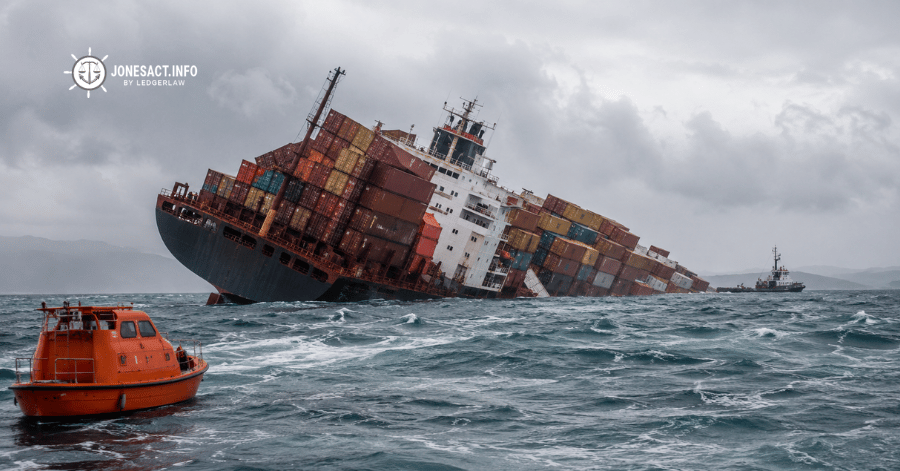
Key Takeaways: June 2026 saw a cluster of serious U.S. recreational boating accidents, including multiple Coast Guard–assisted rescues and several life-threatening injuries and fatalities. Seven notable U.S. incidents between June 4–25, 2026 involved jetty strikes, sheriff’s patrol boat collisions, capsizing in rough seas, high-speed impacts, and a deadly two-boat crash near Chicago’s Monroe Harbor. Coast Guard, sheriff’s marine units, and local fire/rescue agencies played critical roles in locating missing boaters, towing damaged vessels, and air-lifting severely injured passengers. Common risk factors included operating at night or in low visibility, inattention at the helm, possible impairment, excessive speed, and unfamiliarity with local waters. Beyond U.S. lakes and coastal waters, June 2026 maritime safety concerns extended to the North Sea, Black Sea, and South China Sea, where commercial ships, fishing vessels, and coast guards operated in rough seas and contested waters. Victims and families affected by June 2026 boating and maritime accidents can pursue legal and compensation options, including Jones Act and maritime injury claims. Why June 2026 Maritime Accidents Matter: June 2026 produced a troubling concentration of maritime accidents across U.S. waters, from a cabin cruiser that ran aground on a Rhode Island jetty to a fatal two-boat collision on Lake Michigan near Monroe Harbor. Between June 4 and June 25, seven major recreational boating incidents left at least two people dead, multiple victims in critical condition, and several vessels damaged beyond repair. This article focuses primarily on those seven U.S. incidents, then broadens to address wider maritime risk trends that affected vessel operators across the Atlantic ocean, the south china sea, and busy commercial shipping lanes. The U.S. Coast Guard, state wildlife agencies, county sheriff’s marine units, and local fire departments each played vital roles in the rescue efforts that followed these crashes. Reports state that many of the same risk factors appeared across incidents: night operations, operator inattention, speed near hazards, and absent life jackets. Understanding what went wrong in each case is essential for every boater heading out on a lake, river, or coastal harbor this summer. These incidents also fit into a broader 2026 pattern. Internationally, 335 marine incident reports were received from January to March 2026 alone, with 44 serious incidents reported in the same period. Whether you are a weekend lake boater or a professional mariner, the lessons from June 2026 apply. Major Maritime Accidents June 2026: 7 Notable Boating Incidents: Between June 4 and June 25, 2026, authorities documented a jetty strike in Rhode Island, a sheriff’s marine unit collision in Florida, a capsized boat in Chesapeake Bay off Virginia, a severe dock impact on Herrington Lake in Kentucky, a single-boat crash on Balsam Lake in Wisconsin, a fatal shoreline collision on Shasta Lake in California, and a deadly two-boat collision on Lake Michigan off Chicago. Three of these events involved life-threatening or fatal injuries, and at least one vessel was considered a total loss after the damage it sustained. Most required multi-agency responses, with the coast guard or local marine units arriving to coordinate search, rescue, and investigation operations. Shared patterns cut across nearly every incident: operating in darkness or low visibility, navigating close to jetties, docks, or rocky shore areas, and potential operator impairment or distraction. In multiple cases, bystanders and Good Samaritans pulled injured people from the water before official responders could reach the scene. The sections below break down each accident by date, location, vessel type, casualties, and investigative status. Boat Crashes Into Jetty, Seven Rescued (Rhode Island) – 4 June 2026: Shortly after midnight on June 4, 2026, a 42-foot Sea Ray cabin cruiser struck a jetty near Wickford, Rhode Island and came hard aground on the rocks. Seven people were on board. The night collision threw the vessel onto the jetty with enough force to compromise the hull, leaving it lodged and immobile in the darkness. The North Kingstown Fire Department, Rhode Island Department of Environmental Management, Narragansett Bay Marine Task Force, the Harbor Master, and the U.S. Coast Guard all responded to the scene. All seven occupants were rescued. One person was hospitalized for injuries, while the remaining six either refused treatment or were uninjured. The operator was charged with refusal to submit to a chemical impairment test. Investigators are examining speed, lighting, and navigation decisions leading up to the crash, according to a BoatTEST accidents roundup. The refusal to take the impairment test raises both criminal and civil exposure, and injured passengers may have grounds to pursue compensation through negligence and failure-to-maintain-lookout claims. Seven rescued after jetty collision – but the operator’s refusal to submit to a chemical test now drives both a criminal case and potential civil liability. Deputies Injured in Sheriff’s Marine Unit Boat Crash (Florida) – 5 June 2026: On June 5, 2026, two Putnam County Sheriff’s Office marine unit boats collided on the St. Johns River in Florida while returning from a “Boaters Skip Day” event. The collision caused damage to both vessels, though no civilians were on board and no life-threatening injuries were reported. Several deputies suffered minor injuries such as bumps and bruises, with one taken to the hospital for a cut. The Florida Fish and Wildlife Conservation Commission is handling the investigation, while the sheriff’s office conducts an internal review of body-cam footage, marine-unit training records, and boat handling protocols. Contributing factors believed to be under examination include wake effects, excessive speed, and close-formation maneuvering after a long shift on the river. The incident highlights operational safety themes for law-enforcement marine units: clear radio communication, defined formation protocols, and fatigue management when crew members have been on the water for extended hours. No pontoon or civilian boat was involved-this was strictly a patrol vessel incident. Boaters Rescued After Boat Capsizes in Chesapeake Bay (Virginia) – 6 June 2026: During the early morning hours of June 6, 2026, a small recreational vessel capsized in Chesapeake Bay off Virginia Beach, throwing all occupants into the water. The Coast Guard received a distress call around 9:20 a.m. and dispatched a boat
What Does a Boatswain Do? Duties, Career Path, and Legal Rights at Sea

Key Takeaways: A boatswain is the senior deck crew leader responsible for supervising maintenance, cargo, and safety operations. The role requires strong leadership, seamanship skills, and the ability to coordinate deck activities efficiently. Boatswains typically advance from deckhands after gaining sea service experience and certifications like STCW. They oversee ship rigging, mooring, cargo handling, and emergency preparedness on various vessel types. The position involves physically demanding work with significant safety risks and legal protections under maritime law. Boatswain pay in the U.S. varies by vessel and contract. Career progression can lead to licensed officer roles or shore-based maritime positions. A boatswain (pronounced “bosun”) is the senior deck rating on a ship, responsible for supervising deck crews, maintaining the hull, rigging, and deck equipment, coordinating mooring and cargo operations, leading safety drills, and keeping daily deck work safe and efficient. Usually promoted from experienced deckhands, the boatswain serves as the front-line leader for seamanship, maintenance, and crew discipline on cargo ships, tankers, offshore supply vessels, cruise ships, Coast Guard cutters, and large yachts. If you are a deck crewmember, an aspiring boatswain, a maritime student, or someone exploring maritime careers, this guide explains what the job involves, how people move into it, what training and certifications are typically required, which skills and working conditions come with the role, what pay and job prospects look like, and what legal protections may apply after an onboard injury. Because boatswains and deck crews do dangerous physical work that directly affects vessel safety and operations, they also hold specific rights under U.S. maritime law, including the Jones Act. So what does a boatswain actually do day to day on a ship? What Does a Boatswain Do? A boatswain is often considered the operational leader of the deck crew. The bosun supervises the deck crew and assigns daily tasks, translating officers’ plans into actionable work that keeps the vessel safe and efficient. Below are the major areas of responsibility. Supervising Deck Crews and Boatswain’s Mates: The boatswain reports to the chief mate and is responsible for organizing all deck crews and boatswain’s mates (sometimes abbreviated as BMs). Typical tasks under their supervision include chipping and painting, rust removal, line handling, cleaning, and minor repairs. On larger vessels, the bosun runs toolbox talks each morning, checks that crew members follow safety procedures, and monitors rest-hour compliance. This is a hands-on leadership position-the bosun works alongside personnel on board during deck jobs, not just behind paperwork. The bosun also provides training to junior crew members in seamanship skills, from knot-tying to winch operation, ensuring development across the team. Inspecting and Maintaining the Ship’s Exterior and Gear: The bosun oversees the upkeep of the ship’s structure including rust removal and painting, and is responsible for ship’s rigging maintenance. Daily tasks include greasing winches, checking anchor windlass brakes, replacing mooring lines, and inspecting ladders and gangways. The bosun helps maintain equipment readiness through regular inspections and keeps maintenance logs for the chief mate. Poor maintenance can lead to injuries or accidents, which may become Jones Act or unseaworthiness claims if the vessel is kept unsafe. Cargo Handling, Mooring, and Small Boat Operations: In port, the boatswain organizes mooring stations, leads line-handling teams, and ensures the vessel is secured safely. They perform docking, undocking, and anchoring duties on every arrival and departure. The bosun oversees the loading and unloading of cargo, rigging and inspecting cargo gear, supervising cranes and winches, and overseeing lashings. They also handle shipboard cargo and small arms safely when required. On offshore vessels or Coast Guard cutters, the boatswain often runs small boat evolutions and launch-and-recovery operations, coordinating with the coxswain. Towing operations and fuel transfer also fall under deck crew supervision. The risk of crush injuries, line snap-backs, and falls during these tasks is significant. Safety, Drills, and Emergency Response: The bosun is responsible for the readiness of lifeboats and rescue equipment, and commonly leads emergency response teams for fire, rescue, and damage control. Before each voyage, they check survival craft, life rafts, immersion suits, and muster lists. The bosun ensures compliance with safety protocols among the deck crew, with proper regard for pollution and environmental rules, and maintains safety and cleanliness of deck work areas, including guardrails, fall-protection lines, and enclosed-space entry setups. Recordkeeping and Communication with Officers: The bosun serves as the link between ship officers and the deck crew, providing daily updates on completed work, crew performance, and needed repairs. Basic paperwork includes maintenance checklists, paint and supplies inventory, defect reports, and watch handover notes. Clear radio and verbal communication during mooring and cargo operations keeps everyone coordinated and safe. Boatswain Job Settings: Merchant Ships, Navy, Coast Guard, and Yachts: The title “boatswain” appears across military and civilian fleets, but duties and legal protections vary by ship type. Boatswain on Merchant and Cargo Ships: On tankers, container ships, and bulk carriers, the bosun focuses on cargo gear, mooring operations, and structural upkeep. Schedules range from 3–6 month contracts for international crews to 28/28 day rotations on U.S.-flagged offshore vessels, including weekends underway. These boatswains serve full time and are clearly covered by the Jones Act when injured due to employer negligence. What a Boatswain Does in the Navy and Coast Guard: In the U.S. Navy, “Boatswain’s Mate” is a formal military rating. What do boatswain’s mates do? They handle seamanship, small boat handling, deck weapons support, ammunition handling, and amphibious operations. The boatswain mate navy job description includes running anchor detail, supervising painting teams, and operating rigid-hull inflatable boats for boarding missions. Since Vietnam-era deployments, this rating has remained central to naval operations. While active-duty sailors fall under a different legal system, the practical seamanship skills mirror civilian roles. Boatswain on Large Yachts and Cruise Ships: On superyachts and cruise ships, the bosun blends maintenance with hospitality-managing tenders, water-sports equipment, and guest-facing presentation. These jobs often involve seasonal sailing in the Mediterranean and Caribbean, with both full time and rotational contracts available. Qualifications, Training, and Certifications for Boatswains: Becoming a boatswain requires
Independence Day Boating Safety Tips: Stay Safe on the Water This 4th of July

Key Takeaways: Every passenger must wear a U.S. Coast Guard–approved life jacket at all times, especially children under 13, since 85% of drowning victims were not wearing one. Plan your route, float plan, and fireworks viewing spot early because Independence Day is one of the busiest times for boating and ramps, slips, and rentals fill up fast. Boating under the influence is illegal in all 50 states, so designate a sober operator before you leave the dock. Follow navigation rules, obey posted no-wake zones, and maintain a safe distance of several hundred feet or more from fireworks barges and display areas. Carry all required emergency gear and verify navigation lights are working so you are prepared before any night-time fireworks cruise. After the fireworks show ends, wait 10–20 minutes for traffic to thin, then return to shore at slow speed with extra lookouts scanning for unlit vessels. If a serious boating accident occurs, contact JonesAct.info promptly to learn about your rights and protect time-sensitive evidence. Independence Day boating safety tips start with the basics that prevent the most common holiday accidents: wear a U.S. Coast Guard-approved life jacket, plan your route and fireworks viewing spot early, choose a sober operator, follow navigation rules and no-wake zones, keep a safe distance from fireworks barges, carry required emergency gear, and prepare for the trip back after dark. Independence Day is one of the busiest times for boating in the United States, and with the 2026 fourth of july falling on a Saturday, millions of families, friends, loved ones, first-time boaters, and multi-generational groups will spend the entire day on lakes, rivers, and coastal waterways – cruising through the afternoon, rafting up for barbecues, and anchoring out to watch the fireworks show after dark. That extended Saturday timeline means more hours on the water, more boats crowding into the same areas, and a sharply higher risk of boating accidents. The numbers confirm how dangerous things can get. According to the U.S. Coast Guard’s Recreational Boating Statistics 2024, there were 3,887 reported incidents resulting in 556 deaths, 2,170 injuries, and nearly $88 million in property damage across the year. Drowning was the leading cause of boating fatalities, and among those who drowned, 87% were not wearing a life jacket. Open motorboats accounted for 46% of deaths, and four of every five boaters who drowned were aboard vessels under 21 feet. What makes the holiday uniquely risky is the combination of operator inexperience, alcohol use, crowded waterways, and the transition from daylight to dark navigation that happens mid-trip. This article provides practical, easy-to-follow independence day boating safety tips for anyone heading out this July, including guidance on life jackets, float plans, sober operation, fireworks safety, night boating, emergency gear, weather and crowd management, child and guest safety, environmental responsibility, and what to do after an accident. Whether you are on a lake in the Midwest, a river in the South, or a coastal bay on the East Coast, these safety tips will help you protect your family, keep your mind on safety, and return to the dock with only good memories. Independence Day Boating Safety Tips for a Safe 4th July: Before diving into detailed gear lists, crowd management, and legal considerations, here are the core fourth of July–specific safety tips every boater needs. These cover the full arc of a holiday outing – from planning your day to arriving home safely after the last firework fades. Plan Your Fourth of July Boating Day Early: Reserve your boat well in advance for July 4th. Slips, ramp parking, and rental boats book up weeks ahead in popular areas, so secure yours at least two to three weeks before the holiday. Fuel docks and marinas may also close early on the holiday, so confirm hours and fuel availability before you leave. Create a simple float plan and share it with a friend or family member on shore. A float plan should be filed to inform someone about your boating trip. It does not need to be complicated – include your departure time, intended route, fireworks viewing area, expected return time, and the number of passengers aboard. If something goes wrong, this document helps rescuers find you faster. Before heading out, check local july 4th schedules and restrictions: City fireworks start times (often around 9:00–9:30 p.m.). Temporary navigation restrictions and safety zones near fireworks barges. State-specific rules for the holiday weekend, such as increased BUI enforcement or expanded no-wake areas. Check local fireworks restrictions before boating, because temporary closures and exclusion zones can change your route entirely. Pack enough water and snacks for a full day on the water – high temperatures and sun exposure can lead to fatigue while boating, and dehydration sneaks up faster than most people expect. Arriving 60–90 minutes before the fireworks start helps you secure a safe anchoring position before congestion and low light make maneuvering more difficult. Wear the Right Life Jacket All Day and All Night: Most Independence Day drowning victims were not wearing a life jacket. That single fact should change behavior more than any other statistic in this article. Life jackets must be worn to be effective in saving lives – having them stowed under a seat does nothing if someone falls overboard unexpectedly. Federal law requires a U.S. Coast Guard–approved wearable PFD for every person onboard. Have enough life jackets for everyone onboard, including extras for guests and children of different sizes. Children under 13 must wear a life jacket when underway in most states, and some states impose stricter age requirements or mandate wear even at anchor. When choosing life jackets: Select properly sized jackets based on chest measurement or weight. Use infant and toddler jackets with crotch straps and head support for young children. Consider inflatable belt-pack or vest-style PFDs for adults who find traditional foam jackets uncomfortable – but note these are not approved for weak swimmers or children. Discard any jacket that is faded, torn, waterlogged, or has a broken buckle. Life jackets
Tampa Boating Accidents Lawsuit: Guide for Injured Boaters in Tampa Bay
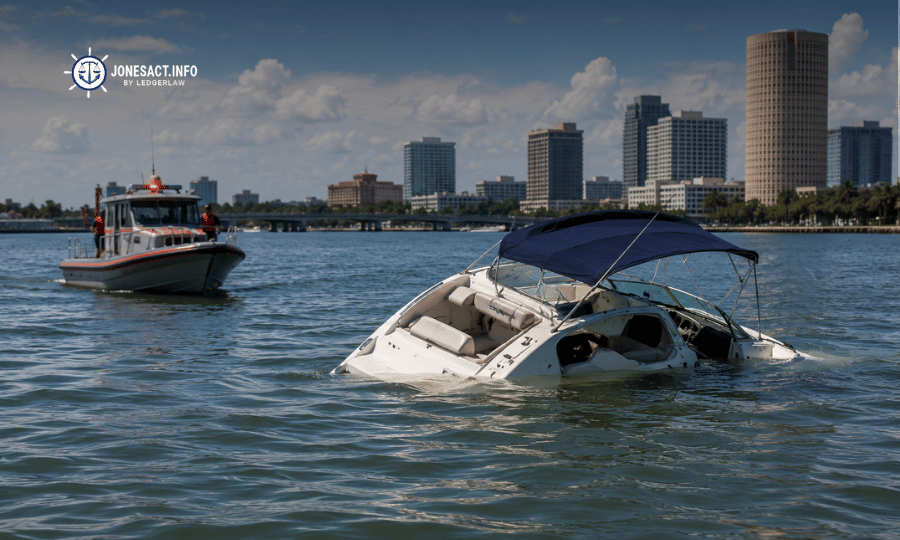
Key Takeaways: Tampa boating accidents often involve negligence, complex maritime laws, and strict filing deadlines that demand quick legal action. The Mazolla v. Lazy Bones Charter Inc. case illustrates how charter boat negligence leads to boating accident lawsuits in Tampa Bay. Victims can seek compensation for medical expenses, lost wages, pain and suffering, property damage, and wrongful death. A Tampa boating accident lawyer can investigate fault, deal with insurers, and build a strong claim on your behalf. Both Florida law and federal maritime laws may apply, especially for charter boats, ferries, and commercial vessels. Contact JonesAct.info for a free consultation about your Tampa boating accident legal options. Boating Accidents in Tampa Bay and Your Legal Options: Tampa Bay’s waterways-Hillsborough Bay, Garrison Channel, Clearwater Ferry routes, and Gulf approaches-see heavy traffic year-round. With over 1.03 million registered vessels in Florida, the risk of a boating accident is real. In 2025 alone, Florida recorded 694 reportable boating accidents with 51 fatalities. Under section 327.30 of the Florida Statutes, a boating accident with damage of at least $2,000 must be reported, and boating accident claims involve state and federal maritime laws that set them apart from car accident claims. A Tampa boating accident lawyer plays a critical role in investigating the crash, proving negligence, and protecting victims’ rights under both Florida and admiralty law. Tampa Boating Accidents Lawsuit – Mazolla v. Lazy Bones Charter Inc: Background of the Mazolla v. Lazy Bones Charter Inc Case: In the summer of 2024, the “Lazy Bones,” a 40-foot sightseeing charter vessel, departed from Tampa Bay harbor with approximately 28 passengers aboard for an evening tour. As darkness fell, the vessel collided with an unlit navigational marker in a congested channel near Clearwater Beach. The boat crash left multiple passengers injured, some seriously. Because it involved a commercial charter operating on navigable waters, federal maritime law may apply for accidents like this, affecting jurisdiction and the legal claim available to victims. The lawsuit was filed in federal court under admiralty jurisdiction. Allegations of Negligence Against Lazy Bones Charter Inc: Mazolla alleged that Lazy Bones Charter Inc. failed in its duty of care toward paying passengers. Specific claims included failure to maintain working navigation lights on the vessel, inadequate crew training, failure to keep a proper lookout, and ignoring known hazards in Tampa Bay waters. The boat operator was accused of operating in a dangerous manner by not reducing speed in poor visibility. Negligence requires proving a duty of care was breached, and a Florida boating accident claim must prove operator negligence to succeed. Prior maintenance records and safety violations played a key role in strengthening the allegations. Legal Issues: Maritime Laws vs. Florida Law in the Case: The Mazolla case turned on maritime laws because the charter operated on navigable waters as a commercial vessel. Under Florida’s Vessel Safety Law (Chapter 327), boat operators must adhere to specific safety standards. However, federal admiralty law imposed additional duties regarding unseaworthiness and crew competency. Florida uses comparative negligence, meaning compensation may be reduced if the passenger was partially at fault-something the defense attempted to argue. This case illustrates how choosing between Florida law and maritime law in a tampa boating accidents lawsuit directly impacts available remedies and damages. Evidence Used to Build a Strong Claim: Evidence of negligence includes accident reports and eyewitness testimony, both of which proved essential here. Key evidence included: Witness statements from passengers and nearby boaters. Coast Guard and Florida Fish and Wildlife Conservation Commission reports. GPS data and vessel navigation logs. Photos of the vessel’s faulty lighting and safety equipment. Expert testimony from maritime safety and accident reconstruction specialists. Accident reports are essential for building a boating accident claim. An experienced attorney can gather evidence to prove liability, and investigating a boating accident can reveal multiple liable parties-including the operator, owner, and maintenance providers. Outcome and Lessons for Tampa Boating Accident Victims: The case was resolved through a settlement in which Mazolla recovered financial compensation for medical expenses, lost wages, and pain and suffering. The outcome reinforced critical lessons: passengers aboard charter vessels should document everything immediately, and hiring an experienced attorney familiar with charter and ferry cases is essential. Similar scenarios-injuries on sightseeing charters, fishing trips, and Clearwater Ferry operations-arise regularly across Tampa Bay. How JonesAct.info Would Approach a Case Like Mazolla: JonesAct.info’s legal team would handle a case like this through immediate investigation: securing the vessel, obtaining maintenance records, interviewing crew, and coordinating with federal and state agencies. Their focus on maritime cases and Jones Act claims means they understand how to navigate overlapping jurisdictions. If you were injured on a Tampa Bay charter or ferry, JonesAct.info offers a free consultation to evaluate your legal options. Common Causes of Tampa Bay Boating Accidents: Operator Negligence and Reckless Operation: Operator negligence causes most boating accidents in Tampa Bay. Negligence claims can arise from reckless behavior, speeding, or intoxication by other boaters. Common behaviors include excessive speed near Davis Islands, failure to maintain a proper lookout in busy channels, and ignoring navigational rules. Collisions with fixed objects accounted for 243 incidents statewide in 2025-the single largest accident category. Negligent boat operators can be held liable for injuries resulting from these failures. Alcohol and Drug Use on the Water: Boating under the influence of alcohol remains a leading cause of watercraft accidents. Holidays like Gasparilla and the Fourth of July see spikes in alcohol-related incidents on Florida waterways. Victims in egregious cases may pursue enhanced damages. Proving impairment through witness statements, field sobriety tests, and blood alcohol evidence creates a dangerous situation for defendants in court. Inexperienced or Unlicensed Operators: Inexperienced operators often lead to collisions in crowded waters, particularly tourists renting jet skis or pontoons near Clearwater Beach and St. Pete. Rental companies that fail to verify qualifications or provide training can share fault. Operators with engines of 10 horsepower or more must complete a Boater Safety Education Course under Florida law. Jet ski accidents can result in serious injuries or wrongful death.
Branson Duck Boat Accident Lawsuit Guide – Table Rock Lake Tragedy and Your Legal Options
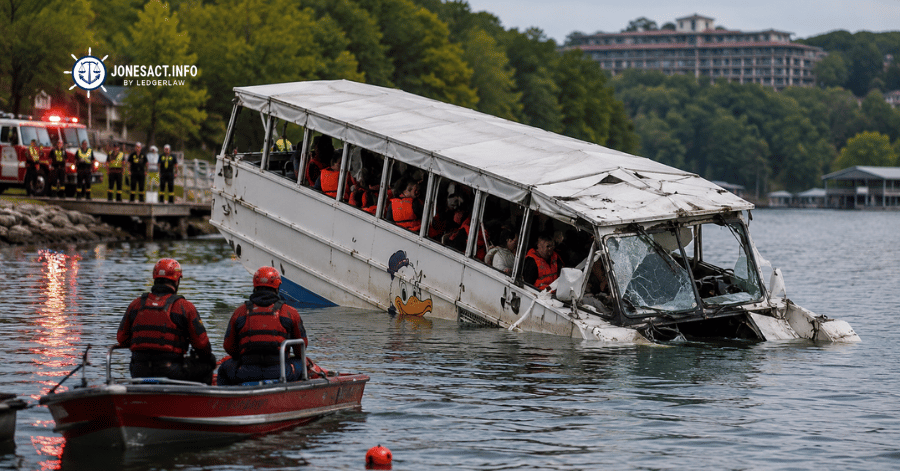
Key Takeaways: On July 19, 2018, a duck boat sank on Table Rock Lake near Branson, Missouri, killing 17 people-including nine members of one Indiana family-making it one of the deadliest boating accidents in U.S. history. Lawsuits alleged negligence, wrongful death, and defective duck boat design, raising complex maritime law and state law jurisdiction issues. A federal judge ruled the 1851 Shipowner’s Limitation of Liability Act inapplicable because Table Rock Lake is not a navigable waterway under admiralty law. Criminal charges against three men-captain Kenneth Scott McKee and two supervisors-were eventually dismissed, but civil accountability continued through confidential settlement agreements. Victims of similar boat accidents may pursue compensation under state personal injury law and federal maritime law with help from experienced counsel. On the evening of July 19, 2018, the Branson duck boat accident lawsuit grew out of the sinking of Stretch Duck 07 on Table Rock Lake in Missouri, where 17 people died and victims’ families brought wrongful death and negligence claims against the boat operator and manufacturers. Stretch Duck 07—a World War II–style amphibious vehicle operated by Ride the Ducks Branson—entered the lake with 31 passengers and crew aboard. Within minutes, a severe thunderstorm with wind gusts reaching 65 to 70 mph turned the lake into a deadly trap. The boat sank roughly 250 feet from shore, and 17 people drowned after the vessel was swamped and sank in 15–20 feet of water. Passengers were not wearing life jackets, the boat’s canopy and side curtains trapped passengers inside, and duck boat operators had ignored a severe thunderstorm warning from the national weather service. What followed was years of litigation, investigation, and calls for justice, including claims of negligence, defective design, and failures to follow basic safety protocols, with many cases later settling confidentially after federal court rulings. For families affected by the Branson tragedy, victims of similar boat accidents, and lawyers evaluating maritime or wrongful death claims, this article explains what happened, how the Branson duck boat accident lawsuit process unfolded, how maritime and state law shaped the cases, what settlements and investigations revealed, and what legal options may still matter when pursuing compensation after a serious boating accident. Branson Duck Boat Accident Lawsuit Explained: What Happened on Table Rock Lake on July 19, 2018: The national weather service reports indicated severe weather approaching Branson that afternoon. Despite this, Ride the Ducks Branson reversed its normal tour order, putting the water portion of the ride first to “beat the storm.” At approximately 6:55 p.m., Stretch Duck 07 launched onto the lake. Within minutes, waves reached 3–5 feet and winds reached 65 miles per hour-with gusts up to 70 mph. Water poured through a non-weather tight bow air intake hatch faster than bilge pumps could handle. The duck boat lost power and sank. Of the 31 people on board, 17 died-including children-and 14 survived, many with serious injuries. Nine family members from a single Indiana family perished together, along with other victims from multiple states. Key Parties Involved in the Duck Boat Lawsuits: Plaintiffs named several defendants: Ripley Entertainment (owner of Ducks Branson), Ride the Ducks International (designer and manufacturer), Amphibious Vehicle Manufacturing, and the local operating company. Some lawsuits also named the captain and employees who made weather and safety decisions. Notable plaintiffs included families of the lives lost and survivors like Tia Coleman, who lost her husband and three children. Defense attorneys represented the corporate entities while insurers joined settlement discussions. Herschend Family Entertainment was also referenced in early reporting, though Ripley Entertainment was the primary corporate defendant. Major Legal Claims: Negligence and Wrongful Death: Lawsuits alleged negligence for failure to heed national weather service warnings, reckless route changes, and continuing the tour in dangerous conditions. Wrongful death claims sought compensation for lost income, companionship, and funeral expenses on behalf of family members. Product liability theories targeted the duck boat designer for defective hull design, inadequate bilge systems, and a fixed canopy that prevented escape. Complaints also cited negligent training, inadequate emergency procedures, and failure to require life jackets. Maritime Law vs. State Law: The Shipowner’s Limitation of Liability Act: Ripley and related companies filed in federal court under the 1851 Shipowner’s Limitation of Liability Act, seeking to cap total damages at the sunken vessel’s post-accident value-effectively zero. Plaintiffs argued the accident occurred on an inland lake in Missouri and should be governed by state wrongful death law. Federal judge Douglas Harpool in the Western District of Missouri ruled the liability act inapplicable because Table Rock Lake is not a navigable waterway under admiralty law. This ruling ran parallel to individual civil lawsuits and significantly influenced settlement negotiations. Settlement Status and the “Final” Branson Duck Boat Lawsuit: A federal lawsuit seeking $100 million in damages was filed on July 29, 2018, on behalf of two members of the Coleman family, the Associated Press reported. A confidential settlement was reached in March 2019 for an Indiana family. According to the Associated Press, the company has settled 31 lawsuits. Settlements provided compensation for funeral expenses, medical bills, lost income, and non-economic damages, though exact money amounts remained confidential. As reported by the springfield news leader and other outlets, the litigation record continues to shape duck boat safety debates. Criminal Charges and Their Relationship to Civil Lawsuits: A federal grand jury indicted captain Kenneth Scott McKee and two shore-based supervisors-Curtis Lanham and Charles Baltzell-on charges including seaman’s manslaughter. Federal charges were later challenged on jurisdictional grounds. In December 2020, all criminal charges against three employees were dismissed. Missouri state prosecutors, including a stone county judge, later brought 63 counts of involuntary manslaughter in July 2021, but those charges were also dismissed for insufficient probable cause. Critically, dismissal of criminal charges did not prevent civil wrongful death cases from moving forward. Criminal responsibility (punishment) is separate from civil liability (compensation), and families can succeed in certain situations even without criminal convictions. Background: History and Risks of Duck Boats: Duck Boats and Prior Fatal Incidents: Duck boats originated as WWII DUKW