
Port St. Lucie Boating Accidents Lawsuit Guide for Injured Victims

Key Takeaways: Port St. Lucie and the Treasure Coast see some of Florida’s highest boating accident rates, especially on weekends and holidays along the St. Lucie River and Indian River Lagoon. Most boating accidents are preventable, typically caused by operator inattention, excessive speed, boating under the influence, or operator inexperience-and injury victims can pursue compensation. Florida generally gives victims two years to file a personal injury claim and two years for wrongful death after a fatal boating accident, though federal maritime law may allow three years in some cases. Multiple parties can be held liable, including boat operators, boat owners, rental companies, tour operators, and manufacturers of defective equipment. A boating accident lawyer can investigate the crash, preserve physical evidence that quickly disappears on the water, and negotiate with insurers who often try to minimize payouts. Injured victims may recover compensation for medical bills, lost wages, pain and suffering, property damage, and wrongful death damages through a properly filed claim. Port St. Lucie sits at the heart of some of Florida’s busiest recreational waterways-the St. Lucie River, Indian River Lagoon, Intracoastal Waterway, and offshore Atlantic waters that draw thousands of boaters year-round. Florida leads the nation in the number of boating fatalities each year, with 685 reportable boating accidents and 81 fatalities recorded in 2024 among 1,030,053 registered vessels, according to the Florida Fish and Wildlife Conservation Commission. Collisions, falls overboard, and groundings regularly produce serious injuries or wrongful death for boat accident victims across the region. This guide covers everything injury victims need to know about a port st lucie boating accidents lawsuit-from common causes and injuries to liability, damages, and how to protect your rights. An Overview On Port St. Lucie Boating Accidents Lawsuit: How Boating Accidents Typically Happen Around Port St. Lucie: Many boating accidents in the area occur on high-traffic waterways, including: The St. Lucie River (North Fork and South Fork). The Indian River Lagoon and Intracoastal Waterway. Near the St. Lucie Inlet, where tidal currents and heavy traffic converge. Common crash scenarios include vessel-on-vessel collisions, striking fixed objects like docks, channel markers, and bridge pilings, capsizing, groundings, and propeller strikes. Holiday weekends-Memorial Day, July 4th, Labor Day-and sandbar gatherings near Stuart and Jensen Beach see sharp spikes in serious accidents. Most incidents are preventable and stem from rule violations or careless behavior by boat operators or rental users. Immediate Legal Considerations After a Boating Accident: Under Florida Statutes § 327.30, Florida law requires operators to render aid after accidents and operators must exchange contact information after a boating accident. Leaving the scene can result in felony charges if injuries occurred. After a crash, accident victims should: Call 911 and request help from the Florida Fish and Wildlife Conservation Commission (FWC), the St. Lucie County Sheriff’s Marine Unit, or the U.S. Coast Guard. Seek medical attention immediately, even if injuries seem minor-common injuries like concussions, fractures, or internal trauma may not show symptoms right away. Avoid giving recorded statements or accepting early settlement offers before consulting an accident lawyer. Contact boating accident lawyers early to preserve GPS data, photos, witness statements, and coast guard reports. Boating accident claims often require extensive investigation, and evidence on the water can vanish within hours. Where Port St. Lucie Boating Accident Lawsuits Are Filed: Boating accident lawsuits in Port St. Lucie are governed by Florida state laws and federal maritime laws. Many are filed in state court in St. Lucie County, but when an accident occurs on navigable waters like the Intracoastal Waterway or offshore waters, federal maritime law may apply. The location of the accident and the type of vessel-recreational boat, personal watercraft, charter, or commercial vessel-affect which rules control. A local boat accident attorney can evaluate jurisdiction, choice of law, and deadlines early to avoid losing the right to sue. Statute of Limitations for Port St. Lucie Boating Accident Claims: Florida law allows two years to file a boating accident claim for personal injury negligence, measured from the accident date. Wrongful death claims also carry a two-year deadline from the date of death. If federal maritime law applies exclusively, a three-year limitations period may control instead under 46 U.S.C. § 30106. Waiting too long permanently bars accident victims from recovering medical expenses, lost wages, or other damages. How Liability Works in Port St. Lucie Boating Accident Lawsuits: Boating accidents may lead to civil lawsuits based on the legal concept of negligence. Florida follows a modified comparative negligence rule under § 768.81, reducing damage awards by the victim’s share of fault and barring recovery entirely if the victim is more than 50% at fault. Boating accident claims can involve multiple liable parties, including boat operators, boat owners, rental companies along the Treasure Coast, tour operators, employers of commercial vessel crews, and product manufacturers. Violating boating rules-speed limits, no-wake zones, BUI laws-serves as strong evidence of negligence. Experienced boat accident lawyers are essential for sorting through multiple defendants and insurance policies. Timeline of a Port St. Lucie Boating Accident Lawsuit: Below is a visual overview of the typical stages a port st lucie boating accidents lawsuit follows from crash to resolution: Typical stages: Accident & Emergency Response → Medical Treatment → Initial Attorney Consultation → Investigation & Evidence Gathering → Insurance Claims & Negotiation → Filing the Lawsuit → Discovery & Expert Analysis → Mediation/Settlement Talks → Trial or Settlement → Payout and Resolution. Time frames range from weeks to months depending on injury severity and dispute complexity. Many cases settle before trial. Common Causes of Boating Accidents in Port St. Lucie: Operator Inattention and Inexperience: Common causes of boating accidents include operator inattention and distraction. In 2024, operator inattention caused 37% of Florida boating accidents, making it the single leading cause reported by the Florida Fish and Wildlife Conservation Commission. Inexperienced operators were involved in 52% of reportable boating accidents that year. Failing to maintain a proper lookout, misjudging speed, and unfamiliarity with local channels and sandbars are textbook negligence examples in a boat accident case. A typical
2 Major Cases Of Orlando Boating Accidents Lawsuit: Major Cases, Florida Law, and How Lawyers Help
Key Takeaways: Recent Orlando boating accident cases, including the 2022 Lake Fairview lightning strike that killed two youth rowers, demonstrate how quickly recreational boating turns deadly on Central Florida lakes. Injured boat accident victims in Orlando, FL can file negligence lawsuits under florida law to recover boating accident damages including medical bills, lost wages, and pain and suffering. Florida follows a modified comparative negligence system, meaning you can still recover compensation if you were 50% or less at fault for the accident. Orlando boating accident attorneys investigate liability against operators, owners, boat rental companies, and tour operators while identifying all available insurance policies. The statute of limitations for boating accident claims is two years in Florida, making early consultation with a boating accident lawyer critical to protecting your rights. You may pursue compensation through personal injury claims or wrongful death lawsuits, depending on the severity of the outcome. Many maritime injury lawyers work on a contingency fee, a percentage of what is recovered, with no fee if there is no recovery. Ask any lawyer about costs before you hire them. Florida law allows victims to seek compensation for negligence, and understanding how these cases work can make the difference between a fair recovery and getting nothing. Two Major Cases Involving Orlando Boating Accidents Lawsuit: The following two cases illustrate how boating accident lawsuits arise in Florida and the legal issues that shape their outcomes. Both highlight negligence, weather risk, vessel safety duties, and damage claims under Florida law. Overview of Recent High‑Profile Orlando Boating Accident Lawsuits: Florida has the highest number of registered boats in the U.S. and leads the nation in boating incidents. In 2022, Florida reported 723 boating accidents and 65 people died in Florida boating accidents that year, while California had 454 boating accidents in 2022 by comparison. In 2020, Florida reported 836 boating accidents and 79 people died in Florida boating accidents. Among recent central Florida incidents, the September 2022 Lake Fairview rowing tragedy in Orlando and several commercial tour boat and personal watercraft cases stand out. These lawsuits are typically filed in Florida state courts, though cases on navigable waters sometimes involve overlapping federal maritime law issues. The cases consistently focus on operator decisions, safety planning, and weather monitoring responsibilities. Common Legal Themes in Orlando Boating Accident Cases: Recurring negligence allegations in Orlando boating cases include failure to monitor weather, inadequate proper safety equipment, improper training, and ignoring Florida boating safety regulations. Many boating accidents stem from operators, schools, or tour companies failing to put passenger safety ahead of schedules or profits. Orlando boating accident lawyers use these themes to frame liability arguments and settlement negotiations. The two detailed case studies below show exactly how these themes play out in real lawsuits. How These Lawsuits Influence Orlando Boating Safety Practices? High-profile lawsuits pressure schools, clubs, and tour operators to revise safety protocols. After the Lake Fairview tragedy, local rowing programs adopted stricter lightning policies, mandatory weather monitoring apps, and clear evacuation thresholds. Civil lawsuits complement FWC and coast guard enforcement by holding negligent parties financially accountable, driving improved practices across Orlando waterways. Lake Fairview Lightning Strike Rowing Boating Accident Case: On September 15, 2022, a youth rowing team practicing on Lake Fairview in Orlando was struck by lightning, capsizing their rowing shell. Two children died, including one boy on his 12th birthday. Lawsuits filed in early 2023 alleged negligent weather judgment and catastrophic failures in safety planning. Timeline of the Lake Fairview Rowing Accident: Five students from area schools were rowing on Lake Fairview near North Orange Blossom Trail and Lee Road at approximately 5:50 p.m. when storms approached. Lightning struck the shell, overturning it into the water. One child’s body was recovered from the lake; another died later at the hospital from drowning. Coaches remained on the dock rather than in a safety boat on the water. The Orlando Fire Department and first responders arrived to a scene of chaos. Allegations of Negligence and Safety Failures: Plaintiffs alleged that the North Orlando Rowing Club, College Park Lions Club, and USRowing failed to monitor weather, failed to evacuate, and failed to warn rowers despite approaching storms. Other rowing teams reportedly stayed indoors that day. Allegations included lack of swim proficiency testing, absent life jackets, and no coach presence on the water. Discovery focused on emails, weather alert policies, and practice-day communications. Injuries, Losses, and Types of Damages Sought: Lightning strikes and near-drowning events can cause cardiac arrest, burn injuries, traumatic brain injuries, and potential spinal cord injuries. Families sought wrongful death damages including medical expenses, funeral costs, loss of companionship, counseling, and pain and suffering. Because the victims were minors, long-term economic damage projections-reflecting lifetime earning impacts and medical costs-significantly increase the case value. Role of Orlando Boat Accident Lawyers in the Lake Fairview Case: Boating accident lawyers investigating this case would collect weather records, lightning alert data, practice logs, and FWC reports. Expert witnesses including meteorologists and rowing safety specialists evaluate whether decisions were reasonable. Negotiations with clubs, insurers, and organizational defendants can lead to settlement, though some claims may proceed to trial in Orange County courts. Experienced legal representation helps families navigate media coverage and complex insurance claim disputes after such a high-profile boating accident. Impact of the Lake Fairview Lawsuit on Orlando Boating Policies: After the tragedy, Orlando rowing programs and youth sports organizations began revising safety protocols. Changes include stricter lightning delay rules, mandatory weather monitoring, clear evacuation thresholds, and requirements that coaches maintain safety boats on the water. Civil litigation pushes organizations beyond minimal regulatory requirements, building broader public awareness about boating safety on Central Florida lakes like Lake Conway and the Butler Chain. Florida Tour Boat Collision Boating Accident Case: Commercial tour boat collisions illustrate how special duties apply to operators carrying paying passengers. In cases like Fox v. Sunset Waverunner Tours, Inc., plaintiffs rented personal watercraft and collided with mangroves, raising questions about waiver enforceability when statutory safety duties are violated. These legal principles apply directly to
Boating Accident Everett WA: 3 Missing Boaters, Possession Sound Shrimping Tragedy & Legal Guide
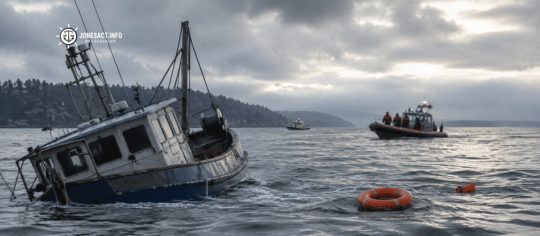
Key Takeaways: On May 21, 2025, a 26-foot shrimp boat sank in Possession Sound near Everett and Mukilteo on a Wednesday afternoon, leaving three missing boaters and one survivor rescued by passing boaters. Two bodies were later recovered from the submerged vessel at 165 feet deep water; a third boater remains missing and is presumed drowned as of the latest local news updates. Everett Police, Everett Fire, the U.S. Coast Guard, and multiple marine units led an extensive search-and-rescue and subsequent recovery effort. Anyone involved in a boating accident in Everett WA should call 911, seek medical help, preserve evidence, and report to law enforcement and the coast guard when required. Victims and families may pursue compensation for wrongful death, medical bills, and other losses with help from an experienced Everett boating accident attorney. A significant boating accident occurred in Possession Sound in May 2025 that shook the Everett community and drew attention across the pacific northwest. What began as an ordinary shrimping expedition on a spring afternoon ended with a sinking vessel, a frantic rescue, and three people unaccounted for beneath the cold waters of Puget Sound. This article provides a comprehensive account of the incident based on current public reports, including what happened to the missing boaters, how the bodies recovered were found, and what the ongoing investigation has revealed. It also covers the legal rights and practical steps available to injured survivors, families of victims, and anyone who may face a similar tragedy on Washington waters. Possession Sound sits between Everett, Mukilteo, and Whidbey Island and is a popular area for recreational boating and shrimping. Boating accidents often result in fatalities due to drowning, and the conditions in these deep, cold waters make survival and recovery extraordinarily difficult. Whether you are following this story in the news, preparing for your own time on the water, or seeking legal guidance after an accident, the sections below will walk you through the facts, the law, and the steps that matter most. Boating Accident Everett WA: Shrimp Boat Sinks in Possession Sound, 3 Missing: Timeline of the Possession Sound Shrimp Boat Sinking: On Wednesday afternoon, May 21, 2025, four people set out shrimping aboard a 26-foot shrimping vessel in Possession Sound near Everett and Mukilteo. The area is commonly used by local shrimpers during the spring season opener, and conditions appeared manageable for an afternoon on the water. A 26-foot shrimping vessel sank on May 21. Around 1 p.m. on that day, the boat began taking on water while the crew was actively shrimping. The situation deteriorated rapidly. Within minutes, the boat sinking scenario became reality, and the vessel went under before a full rescue could be organized. Key details of the timeline: ~1:00 p.m., May 21 – The vessel begins taking on water northeast of Mukilteo, off Everett’s waterfront. Minutes later – The boat submerges. Emergency calls go out. A man in his 50s ends up in the water and is spotted by nearby boaters. Early afternoon – Multiple agencies respond, launching an immediate search across Possession Sound. The exact location was in waters with steep underwater drop-offs, where depths reach well over 100 feet not far from shore. Water temperature in late May in this part of Puget Sound is typically between 50°F and 55°F, cold enough to cause rapid onset hypothermia and significantly limit survival time for anyone without a life jacket or immersion suit. Missing Boaters and Survivor: Who Was on Board? Four people were aboard the vessel that afternoon: Person Age Range Status Boat owner Man in his 60s Recovered (deceased) Owner’s son Man in his 20s Missing, presumed drowned Co-worker Woman in her 40s Recovered (deceased) Fourth passenger Man in his 50s Rescued (survived) Three people were reported missing after the boat sank: the man in his 60s, the man in his 20s, and the woman in her 40s. The man in his 50s was the sole person rescued from the water. Everett police and the coast guard treated the case as a probable drowning event after hours of unsuccessful rescue efforts. The multigenerational nature of the trip, a father and his adult son going out shrimping together alongside friends, underscores the deeply personal loss at the center of this incident. Some details about family relationships and identities have been withheld by authorities out of respect for the families and due to the ongoing investigation. Rescue of the Surviving Boater: After the vessel went under in Possession Sound, the man in his 50s was spotted in the water by passing boaters who acted as a good samaritan crew, pulling him from the cold water. One man in his 50s was rescued and reported uninjured after the incident, though he was evaluated for cold-water exposure. He was transported to shore and then taken to Providence Regional Medical Center in Everett for further medical assessment. Initial reports indicated he did not sustain serious physical injuries, but the psychological trauma of witnessing the boat rescue scenario and losing companions was significant. His account of the events is expected to be crucial for investigators reconstructing what happened in the moments before and during the sinking. Immediate assistance from nearby mariners, including boat rescue efforts by private boaters, often makes the difference between life and death in fast-developing marine emergencies. Multi-Agency Search, Coast Guard Response, and Recovery Efforts: Within minutes of the first emergency call, a rapid deployment of resources flooded the scene. The agencies involved included: Everett police marine unit. Everett fire department (everett fire response teams). U.S. Coast Guard (station seattle and air station port angeles assets). Washington department of Fish and Wildlife officers. Snohomish County marine operations. Search assets included rescue swimmers, dive teams, marine patrol boats, drones, and helicopters sweeping Possession Sound. The coast guard broadcast alerts to all mariners in the area to keep a sharp lookout for debris or missing people in the water and to report sightings immediately. The U.S. Coast Guard suspended its active search on May 21 after determining
10 Maritime Accidents in USA in May 2026
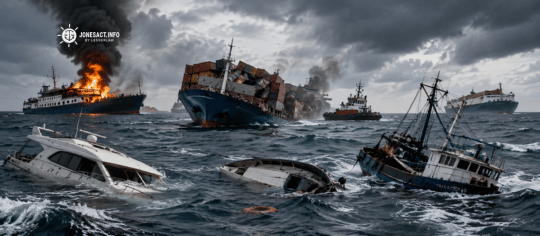
Key Takeaways: May 2026 saw at least 10 notable maritime incidents across U.S. waters and inland lakes, resulting in multiple fatalities and injuries. Accidents ranged from pier and dock collisions to sandbar groundings, boat fires, and suspected Boating Under the Influence (BUI) crashes. Crew members and passengers were affected by factors such as rough seas, nighttime navigation, and possible operator impairment. Several events occurred in calm or no-wake zones, underscoring that severe weather conditions were not the only risk factor. Rapid Coast Guard and local rescue responses prevented further loss of life in some maritime incidents. A cargo vessel lost roughly 70 cargo containers off North Carolina on May 30, and a 45-foot catamaran caught fire and sank south of St. Thomas on May 31, further expanding the month’s toll. These cases underline the need for better safety training, sober operation, and strict adherence to maritime regulations. Several notable maritime incidents occurred in the United States during May 2026, making it one of the more sobering months for boating safety in recent memory. In May 2026, there were several significant recreational and minor operational maritime accidents in U.S. waters, spanning everything from recreational boats and a sportfishing vessel to a workboat on a service pond and an offshore sailing yacht. Themes like crew members’ safety, heavy seas, nighttime navigation, and human error run through nearly every case, and the details that follow paint a clear picture of what went wrong and why it matters, even though not every dangerous situation involves severe weather. 10 Maritime Accidents in USA in May 2026: The following sections walk through 10 specific, documented maritime accidents in the USA in May 2026 in roughly chronological order. Each summary covers the date and time, location, accident type, casualties, essential details, and source links for further reading. Descriptions distinguish between fatalities, crew injuries, and close calls, with brief context on visibility, time of day, or environmental conditions when available. 1. Fatal Boat Crash Near Boston Logan Airport (Pier Collision): A fatal recreational boating accident occurred on May 13, 2026, in Boston, Massachusetts, when a twin-engine boat struck a pier near Logan International Airport at approximately 11:20 p.m. The collision killed one person and hospitalized three others. Accident Date, Location and Type: Date & Time: May 13, 2026, ~11:20 p.m. Location: Boston Harbor, Pier 4R adjacent to Runway 4R, East Boston, Massachusetts. Accident Type: High-speed pier collision in darkness. Accident Details: The twin-engine recreational boat, carrying four passengers (one man and three women), was reportedly taken without authorization from the Freedom Boat Club after hours. Operating in darkness, the boat struck Pier 4R near the airport runway, causing all passengers to be thrown onto slippery rocks beneath the pier. Elizabeth Dankert, a Union College graduate working at PTC software company, succumbed to injuries sustained in the crash. The other three passengers were hospitalized but sustained non-life-threatening injuries. Massachusetts State Police and Suffolk County District Attorney’s Office are investigating factors including speed, lighting conditions, and potential operator impairment. The incident highlights the dangers of unauthorized vessel use and nighttime navigation near complex harbor structures. Casualties: 1 death (Elizabeth “Lizzie” Dankert, 24, of Andover); 3 injured with non-life-threatening injuries. Sources: CBS News Boston, BoatTEST. 2. Fatal Boating Accident – Watauga Lake, Tennessee: On May 8, 2026, a man scheduled to compete in a bass tournament fell overboard in a no-wake zone on Watauga Lake and did not resurface, making it Tennessee’s 8th boating fatality of the year. Accident Date, Location and Type: Date & Time: May 8, 2026, ~7:00 p.m. Location: Rat Branch boat ramp, Watauga Lake, Hampton, Carter County, Tennessee. Accident Type: Fall overboard in a no-wake zone. Accident Details: Details: Alexander C. Luster was preparing to compete in a bass fishing tournament when he fell overboard near the Rat Branch boat ramp in the no-wake zone of Watauga Lake. Despite calm water conditions, Luster did not resurface, prompting a search by Carter County Rescue Squad divers. The body was recovered around 11:35 p.m. using a remotely operated vehicle (ROV) to assist in the underwater search. An autopsy was ordered to determine the exact cause of death. This incident underscores that even in restricted-speed zones and calm waters, risks such as accidental falls and drowning remain significant, especially when safety equipment like life jackets may not be worn or accessible. Casualties: 1 death (Alexander C. Luster, 36, of Boone, North Carolina). Sources: BoatTEST. 3. Boat Hit Sandbar – Jones Beach, New York: A recreational vessel struck a sandbar near Jones Beach on May 8, 2026, injuring the operator during a routine transit from Zachs Bay toward the Wantagh State Parkway bridge. Accident Date, Location and Type: Date & Time: May 8, 2026. Location: Waters near Jones Beach, Nassau County, Long Island, New York. Accident Type: Grounding on a sandbar. Accident Details: While navigating from Zachs Bay toward the Wantagh State Parkway bridge, the boat operator failed to avoid a sandbar in the shallow waters near Jones Beach. The unexpected grounding caused the operator to be thrown forward violently, resulting in a head injury. The vessel remained stuck on the sandbar until the Wantagh Fire Department arrived to assist. Emergency responders safely removed the injured captain and coordinated transport to a Nassau County ambulance for hospital treatment. This accident highlights the importance of updated navigational charts, awareness of shifting sandbars common in coastal areas, and cautious vessel operation in shallow waters. Casualties: 1 injured (captain sustained a head injury). Sources: BoatTEST. 4. Boat Struck Dock – Antioch, California: On May 10, 2026, a boat crashed into a marina dock at a waterfront restaurant in Antioch, California, injuring two people. Accident Date, Location and Type: Date & Time: May 10, 2026. Location: Antioch Marina, Contra Costa County, California. Accident Type: Collision with a dock. Accident Details: The vessel was attempting to dock at the Antioch Marina near a local restaurant but collided with the dock structure, resulting in injuries to two occupants. Contra Costa County Fire Protection District (CONFIRE) responded
Boat Liability Waiver: Is It Valid After an Injury?
Key Takeaways: A boat liability waiver can be enforceable, but it does not automatically defeat every personal injury claim. Liability waivers usually address inherent risks and ordinary negligence, not gross negligence or intentional harm. Federal maritime law, including 46 U.S.C. § 30509/§ 30527, can void some passenger contracts. Unclear, hidden, or overly broad language is often read against the company that drafted it. Injured passengers may still have legal rights and should ask an attorney to review the specific facts. Boat rentals, charters, scuba diving trips, and sightseeing tours often begin with signing a waiver at the dock or online. A boat liability waiver is a written legal agreement and a legal document signed before engaging in boating activities, usually asking participants to acknowledge risks and sometimes waive the right to sue. These contracts can protect boat owners from lawsuits resulting from typical boating risks, but they are not absolute. After an injury, a court will determine whether the agreement is valid, what it covers, and whether the injured person still deserves compensation. Boat Liability Waiver: Is It Valid After an Injury? A boat liability waiver can be valid after an injury, but enforceability depends on maritime law, state law, the wording, and the specific circumstances of the accident. Courts ask whether the person knowingly accepted such risks, whether inherent risks were understood by participants, and whether the harm came from the activity’s nature or from negligent conduct. Inherent risks are dangers associated with an activity’s nature, like waves, wet decks, weather, seasickness, or ordinary docking bumps. Liability waivers are enforceable if risks are inherent to activities, but liability waivers may not protect against negligence, and a waiver may not protect against negligence or reckless behavior. Waivers reduce risk but do not eliminate the possibility of a lawsuit. How Boat Liability Waivers Work in Practice: A waiver is a risk agreement built on assumption of risk, release, and hold harmless agreement language. Key elements of a waiver include identification of parties and acknowledgment of risks; waivers list potential risks associated with an activity, and a robust boat liability waiver is critical for protecting businesses from legal liability. Typical clauses say the renter accepts full responsibility for participation, equipment use, property damage, and injuries caused by ordinary boating dangers. Responsibility for damages states the renter is financially responsible for any damage to the boat. An indemnification agreement states the renter will pay for legal fees caused by their actions. A short paraphrased example might read: “I acknowledge boating dangers, assume the potential risk of injury or death, release the owner, business, directors, officers, agents, and employees from permitted claims, and agree to hold them harmless.” A valid form should include a clear signature line and date from the primary renter. Common Types of Boat Liability Waivers and Agreements: Common documents include day-rental waivers, guided fishing or snorkeling waivers, cruise excursion releases, private charter contracts, and online recreational activity forms. Some are one-page dock forms; others are multi-page digital contracts accepted months before an event. A parent may sign on behalf of a child, but courts often review child releases closely. The less time clients have to fully understand the agreement, the more likely a judge may question whether consent was real. Maritime Law and Federal Limits on Boat Liability Waivers: Accidents involving boats on navigable waters may fall under maritime rules, not just local law. Federal statutes can void clauses limiting liability for passenger personal injury or death caused by a vessel owner’s negligence on qualifying voyages. In Ehart v. Lahaina Divers, discussed in the Ninth Circuit’s 2024 opinion, a same-port Hawaii snorkeling trip raised whether federal “between ports” limits applied. The court allowed the ordinary-negligence waiver defense to continue, but gross negligence claims remained outside the release. Passengers vs. Crew: Different Rules for Waivers: Professional seamen have stronger protections than paying passengers. Employers generally cannot use liability waivers to block a crew member’s injury claim, while passengers may sign waivers that are upheld only in proper circumstances. When a Boat Liability Waiver Is Enforceable: Some states strictly enforce waivers if they meet clear language standards. Courts generally look for plain references to negligence, personal injury, the parties, the activity, and the exact risks being accepted. A waiver is more likely enforceable when: The signer had time to read it. The risks were specific, not vague. The release applied only to ordinary negligence. The operator followed safety rules. The signer was not pressured. Safety guidelines require compliance with local, state, and federal laws, so companies cannot ignore life jackets, capacity limits, weather warnings, or intoxication rules and expect a waiver to protect them. Inherent Risks vs. Negligent Conduct: Inherent risks exist despite reasonable care by operators. A slippery deck after spray may be inherent; overloaded boats, broken navigation lights, defective equipment, or a captain texting while steering may show negligent conduct. The U.S. Coast Guard reported 3,887 recreational boating incidents in 2024, with 556 deaths and 2,170 injuries, showing why safety and responsibility matter. When a Boat Liability Waiver Is Void or Unenforceable: The legality of waivers differs from state to state. In Hawaii, waivers must meet specific criteria to be valid, and Hawai‘i law protects operators from liability for inherent risks; however, swimming injuries are excluded from liability coverage in waivers. California law states waivers cannot exempt liability for fraud or willful injury. In Mississippi, waivers only cover activities explicitly listed. A waiver may fail if it hides key terms, conflicts with federal law, is signed under pressure, lacks a proper signature, covers a different activity, or demands that a party waive claims for reckless conduct. Courts also resist clauses trying to erase gross negligence, because justice and public policy limit how far companies can shift responsibility. Gross Negligence, Recklessness, and Intentional Misconduct: Gross negligence means more than carelessness, such as speeding through a crowded marina at night or ignoring known engine defects. If a company is held liable for reckless disregard, a harmless agreement usually will not save
What Every Boater Should Know: Most Boating Accidents Occur During Which Weather Conditions?
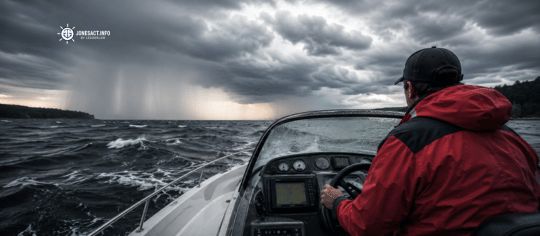
Key Takeaways: Most boating accidents occur in calm water, clear skies, light wind, and good visibility-not during storms or hurricane warnings. Good weather puts more boats on the water, which increases the risk of collisions, falls overboard, alcohol-related incidents, and operator mistakes. Severe weather creates fewer total accidents because fewer boaters launch, but storms, fog, rough water, and high winds are far more likely to turn fatal. Operator inattention, improper lookout, inexperience, speed, and alcohol are major causes of boating accidents in every type of weather. Wearing life jackets is one of the simplest ways to reduce drowning and boating deaths. A boating safety course helps boat operators learn weather judgment, navigation rules, emergency operation, and collision avoidance. Many serious boating accidents cluster during daylight hours, summer months, weekends, and holiday afternoons. Do most boating accidents happen in bad weather or good weather? The surprising answer is good weather. U.S. Coast Guard recreational boating data repeatedly shows that most boating accidents occur during calm, clear, daylight conditions with light wind and good visibility. That does not mean storms are safe. Thunderstorms, hurricane warnings, rough water, fog, lightning, and strong winds create severe dangers for boaters. The difference is volume: fewer people go out in bad weather, while clear skies bring crowded waterways, faster boats, social drinking, and a lower sense of risk. In this guide, you’ll learn which weather conditions are linked to the majority of boating accidents, which conditions are most dangerous when accidents occur, and how practical boating safety habits can help you avoid injuries, drowning, and fatal accidents. Understanding Marine Weather Risks : Most Boating Accidents Occur During Which Weather Conditions? The direct answer is this: most reported recreational boating accidents occur during calm water, light wind, and good visibility under clear skies. According to the U.S. Coast Guard’s 2023 recreational boating statistics, 2,387 of 3,844 accidents-about 62%-occurred when water was calm, meaning waves were under 6 inches. Light or no wind was also involved in roughly two-thirds of all accidents. You can review the Coast Guard’s annual data in the 2023 Recreational Boating Statistics report. That is why the keyword question “most boating accidents occur during which weather conditions” has a counterintuitive answer. Most boating accidents happen when the weather feels safe. Calm water, clear visibility, and light wind encourage boaters to relax, speed up, socialize, and pay less attention to other vessels, floating objects, swimmers, and navigational hazards. Accidents occur more often in fair weather because fair weather creates more exposure. More boats leave the dock. More passengers move around the deck. More people swim, tow tubes, drink alcohol, and stay out longer. When the number of boats increases, so does the number of opportunities for collisions, falls overboard, swamping, running aground, and injuries. In severe weather, the number of total accidents is often lower because prudent boaters stay at shore or return early. But when accidents occur during storms, rough water, fog, high winds, or hurricane warnings, the results are typically more severe. Small vessels can be overwhelmed quickly, and rescue may be more difficult at night, in poor visibility, or far from shore. The key weather conditions affecting boating safety include calm and clear days, gusty winds, rough water, thunderstorms, lightning, fog, reduced visibility, extreme cold, and tropical systems. High winds, reduced visibility, extreme waves, lightning, and rapid temperature drops are the primary weather factors that dramatically elevate the risk of boating accidents. That is why marine weather awareness is essential. Before leaving, boat operators should understand wind speed, wind direction, wave height, swell, storm outlook, visibility, and water temperature. While underway, boaters should keep checking the sky, watching other boats, and responding quickly when conditions change. Fair Weather, Hidden Dangers: Why Most Boating Accidents Occur in Calm, Clear Conditions: Coast Guard and state boating reports routinely show that the majority of recreational boating accidents occur in daylight, fair weather, and calm seas. More than three-quarters of all recreational boating accidents occur in broad daylight, which reinforces the point that visibility alone does not prevent mistakes. Fair weather is dangerous because it lowers caution. Boaters feel comfortable, passengers relax, and hazards seem less urgent. Here are the main reasons many accidents happen when conditions appear ideal: Risk compensation: Under clear skies, boaters often feel safer and may take more chances with speed, distance, alcohol, or passenger movement. Crowded waterways: Calm summer weekends put more boats, jet skis, paddlecraft, swimmers, and towable riders in the same areas, increasing collision risk. More social activity: Swimming off the boat, towing tubes, standing while underway, and moving between seats can lead to falls, drowning, or capsizing. Distraction: Music, phones, guests, and conversation can pull attention away from other vessels, channel markers, objects in the water, and wakes. Overconfidence: Experienced and inexperienced boat operators alike may underestimate currents, wakes, shoals, or the turning radius of their boats. Alcohol use: Good weather and weekend leisure often increase drinking, which slows reaction time and weakens judgment. Calm water can still kill: A fall overboard in calm water can become fatal if the person is injured, intoxicated, not wearing a pfd, or unable to get back aboard. Most non-fatal boating accidents are caused by collisions with other boats or objects in the water, emphasizing the importance of having a lookout posted at all times. Even when the weather is clear, a proper lookout by sight and hearing is one of the most important security habits on the water. In busy places such as Miami and other parts of florida, fair-weather boating risk is amplified by traffic. The main reasons for boating accidents in Miami include failure to follow safety guidelines and an increase in the number of boats on the water. Dangerous Weather Conditions for Boating: When the Risk of Death Skyrockets: Although most boating accidents occur in good weather, severe conditions dramatically raise the chance that an accident becomes fatal. Prudent skippers avoid leaving port when hurricane warnings, gale warnings, small craft advisories, or severe thunderstorm forecasts are in
California Boating Accident Report Rules 2026 | When Should & How to File Report | Legal Help
Key Takeaways: There are more than 4 million recreational boaters in California, according to the state’s Division of Boating and Waterways. Boats get into accidents in California more often than in most other states. Northern Lakes has the highest fatality rate. Southern Coast has the highest accident rate. Most accidents happen because the person operating the boat either doesn’t have experience or isn’t paying attention to what he’s/she’s doing. Boating is a great way to pass the time and enjoy life. It can also be a great way to earn a living (if you don’t get seasick). California is a boater’s paradise. There are lots of lakes to pick from. And great boating weather year-round. The problem is the more often you boat, the more likely you are to get into an accident. What Is Considered a Reportable Boating Accident? According to the California Division of Boating and Waterways, a reportable boating accident is one that: Results in someone getting hurt, going missing, or dying. One that causes a total loss to at least one boat. Causes more than $500 in damage to a vessel or other property (this includes boats and other structures, such as a dock). Common Types of Reportable Boating Accidents: Crashing into something that’s not moving on the water (besides a boat). Crashing into another boat. Grounding. Swamping. Someone falling overboard. When Should You Report a Boating Accident? Under California’s reporting rule, report a boating accident if: Someone got hurt. Even if the injuries don’t look serious. Someone fell overboard. Even if the person knows how to swim. You think the damage to a boat or other property is more than $500. Your boat sank, or the other person’s boat sank. Everyone seems fine but someone on the boat dies later on, as a result of the accident. You have to report your accident to the Division of Boating and Waterways no later than 48 hours after someone: Dies. Goes missing. Get injured beyond what first aid can handle. On the other hand, the Division of Boating and Waterways gives you 10 days if: Someone died more than 24 hours after the accident. Property damage will cost more than $500 to fix. One or more boats sank. You have to submit a report to the Division of Boating and Waterways within ten days of your accident. California Boating Accident Report Rules & How to File It? Each state has boating accident reporting laws. California’s no exception Prioritize Safety and Seek Medical Attention: If someone got hurt: Don’t. Move. Them. Unless you have to, to keep them safe. Call 911. Follow the operator’s instructions. Only move the boat if the operator tells you to. The move could destroy evidence. Report the Accident to the Proper Authorities: Did someone: Get hurt? Go missing? Die? If so, call 911. Did the accident: Damage another boat or a fixed object. Make a boat sink. Cause more than $500 in property damage, the state’s reporting threshold, but hurt no one? If so, call the Coast Guard or harbor police. Gather Evidence and Document the Scene: If you don’t take photos or get a video? It’s “he said, she said.” Especially if you have to move the boats before first responders or the local Coast Guard get there. Get as many shots as you can. From as many angles as you can. You also want to get other people to back you up. Ask others in the boats or people who saw the accident from nearby boats (or the dock) to say something. Or get their contact information for later on. Notify Your Insurance Company Carefully: Collect and organize your evidence from the accident scene. Collect your information so your insurer can process your claim without delay. Have a professional give a cost estimate for repairing damage. Tell your insurance agency exactly what happened. Keep Detailed Records of Damages and Expenses: Every boat owner should have: Maintenance records. Repair records. Recent images of the boat before the accident. These records show that the damage wasn’t pre-existing. Which means insurance is responsible to cover it. If you work on someone else’s boat full-time, see a doctor right after your accident. Your doctor will: Identify all the injuries from the accident. Tell you what further treatments you need. Tell you how much your medical care will cost long-term. Let you know if your injuries will impact your ability to work on a boat in the future. Your doctor’s trip shouldn’t cost you a dime. People who work on a boat more than 30% of the time can file a maintenance and cure claim with an employer. This claim covers: Food. Lodging. Medical care. Even if there’s a dispute about who’s to blame for the accident. Understand Liability and Identify Responsible Parties: Playing the “Blame Game” sucks. But you do have to know who’s responsible for a boating accident. Law enforcement officials on the scene should draw up a report. Your insurance agency will take their conclusions seriously. But that doesn’t mean you shouldn’t collect evidence on your own. Maybe a mechanic didn’t fix the other person’s boat properly. Perhaps the boat manufacturer created a boat with defective parts. Where Should I File My Boating Accident Report? Did someone get hurt? Call 911. Is there just property damage? Call the Coast Guard or harbor police. Is the accident reportable? Report it to the Division of Boating and Waterways. What Are The Benefits of Reporting an Accident? Reporting an accident is the first step in getting medical care. This. Is. Vital. It’s easy to miss an injury until days or even weeks later. You need to see a doctor right after your accident to document your case. If not, your insurer and the guilty party may claim your new medical problems weren’t from the accident. Plus, it’s the law. You’re legally required to report the accident. There are penalties for not reporting A report shows what happened and who’s to blame. It’s an official account
Arctic Rose Sinking Story | Investigation Process | Death and Injury Details

Key Takeaways From The Arctic Rose Sinking: Sudden Catastrophe: The F/V Arctic Rose sank on April 2, 2001, in the Bering Sea. The commercial fishing vessel vanished in less than five minutes, taking all 15 crew members with it. Cause of Sinking: Rapid progressive flooding through an open aft watertight door was the primary cause of the sink. Also, there were stability issues. Stability Negligence: The owners modified the vessel’s structure. Also, they did it without proper naval architect consultation, compromising the vessel’s stability. Regulatory Loophole: The 199-ton vessel was just under the 200-ton threshold. So, it was exempted from mandatory U.S. Coast Guard safety and stability inspections. Survivor: All 15 crew members were dead. However, only Captain David Rundall’s body was found. The F/V Arctic Rose sank in the Bering Sea, making it one of the most shocking commercial fishing disasters in recent U.S. history. On April 2, 2001, the 92-foot-long vessel vanished without a distress call. It took the lives of all 15 crew members in the icy Alaskan waters. The investors and experts were left in the dark as the ship sank in less than 4 minutes. The subsequent investigation found that the vessel had stability, regulatory oversight, and crew safety training issues. Also, being a 12-year-old commercial shipping vessel, it was already under strict scrutiny. Following its sinking, maritime claims were made that the ship operator and owner settled at an undisclosed amount. Overview of Arctic Rose: The F/V Arctic Rose was a 92-foot-long commercial fishing vessel. It worked as a head and gut catcher-processor. It could catch fish, remove the heads and entrails, and then flash-freeze the product before offloading. It means the ship could perform multiple tasks at the same time. Originally, the vessel was built as a shrimp crawler in 1988 in Biloxi, Mississippi, for the Gulf of Mexico. The vessel underwent several conversions and name changes. It was later reoutfitted to trawl in the Pacific. Finally, the Arctic Sole Seafoods bought it in 1999 and renamed it the Arctic Rose. Although the ship operated in the Bering Sea, it was controlled from Seattle, Washington. In 2001, it became the center of one of the deadliest U.S. commercial fishing accidents of the last 100 years. The Coast Guard found that the owners had made numerous modifications, including: Weight additions. Removals. Relocations. Shockingly, the owner did all these without consulting a naval architect. They didn’t assess the vessel’s stability. The vessel was initially classified under 200 tons. Also, it was largely uninspected by the Coast Guard, which further contributed to its fatal accident. A Detailed Story of Arctic Rose Sinking: The final voyage of the Arctic Rose Wasilla began in early 2001, departing from Seattle’s Fisherman’s Terminal. It was headed for the Bering Sea, specifically the Zemchug Canyon. The famous fishing ground was approximately 200 miles northwest of St. Paul Island. The commercial vessel was heading to fish for sole. Even before its departure, the vessel’s seaworthiness was questionable. It had engine and equipment problems due to unverified structure modification and weight distribution. When did the Arctic Rose sink? The Arctic Rose sank in the early morning of April 2, 2001. It was operating in the Bering Sea under severe weather conditions. There was reportedly a triple-point system, a collision of three fronts, active in the region. It caused high winds and waves of up to 24 feet. At 03:35 on April 2, 2001, an Emergency Position-Indicating Radio Beacon (EPIRB) activated and alerted the Coast Guard Command Center in Juneau, Alaska. Thus, everyone knew that the ship was in distress and submerged. However, the crew didn’t release any verbal Mayday or distress call. The vessel’s sister ship, the Alaskan Rose, was fishing just a few miles away. However, it did not immediately receive a distress message. The Coast Guard launched their C-130 aircraft from Kodiak. It arrived on the scene hours later, only to see that the vessel had already disappeared. The search efforts initially found only debris and an oil sheen. The body of Captain David Rundall was found partially in a survival suit. Later, a remotely operated vehicle (ROV) located the wreckage of the Arctic Rose. It was on the seafloor, resting upright in 428 feet of water. The Coast Guard investigation concluded that the vessel sank with frightening speed. It sank within 1 minute 30 seconds to 2 minutes 40 seconds, and certainly less than five minutes. Investigation into the Sinking of The Arctic Rose: The sinking of the Arctic Rose was a mystery. So, the United States Coast Guard (USCG) Formal Marine Board of Investigation started an investigation soon. The USCG investigation led to several key findings: Progressive Flooding and Open Watertight Door: The investigation concluded that the vessel capsized due to rapid, progressive flooding. This flooding began when a large wave washed over the stern. As a result, water poured through an aft doorway into the processing space. However, the doorway was designed to be kept closed at all times to maintain watertight integrity. Once the water entered the processing area, it quickly spread to other compartments. So, there was a “free surface effect” dramatically reducing the vessel’s stability. Unverified Vessel Modifications: The investigation highlighted unverified modifications of the vessel. The owners had altered the vessel’s weight and configuration after a 1999 stability test. Critically, they didn’t contact a naval architect to re-evaluate the effect of these weight changes on the ship’s stability. So, these modifications likely made the ship unseaworthy. Crew Training and Experience: The USCG also found that many of the 15 crewmen, including foreign nationals, were inexperienced in commercial fishing. Most of them had only limited or introductory exposure to abandon ship drills. Also, the crewmen lacked knowledge of survival suit donning. Nonetheless, at what speed the ship sank, within 2 minutes, would also make experienced crews helpless. Regulatory Lapses: The Arctic Rose was classified at 199 tons. So, it was just under the 200-ton threshold. The wattage was strategically positioned to avoid the required
How Does Alcohol Use Affect Boat Operators And Passengers | What You Need To Know When Drinking on Boat

Key Takeaways Consuming alcohol causes the body to slow down: Drinking and boating don’t go together well because reaction times are much slower, and it’s harder to adjust to the movement of a boat. Operating a boat while under the influence is more difficult: Alcohol impairs your executive functions and makes it harder to handle a boat, much less compensate for current conditions. Drinking while boating can come with serious consequences: Being drunk as a passenger on a boat can result in bad judgments. It could lead to a slip and fall, or going overboard. Also, it slow downs your decision making time and physical reaction which can worsen the condition. Blood Alcohol Limit: In most US states, the blood alcohol content (BAC) limit is 0.08 or greater, unless you are a minor. If the boat crew and captain cross the BAC limit, they are held liable for boating under influence. So, boating under intoxication (BUI) charge could cancel your license. Seek legal help after a boating accident: In the event you’ve been injured because someone on the boat was drunk, you have rights. A maritime lawyer can help enforce those rights on your behalf and help you recover damages. People often prefer boating as a reason to entertain themselves and drink alcoholic beverages. Unfortunately, irresponsible drinking can result in boating accidents and collisions, causing serious injuries. Alcohol depresses, or relaxes, the nervous system and slows down the transmission of normal impulses. So, it becomes more difficult to react to an event that may result in a bad accident. Another issue is that the vessel operator can get charged with a BUI, something that affects their diver’s license. How Does Alcohol Use Affect Boat Operators And Passengers? Alcohol is an intoxicant that impairs people’s ability to make good judgments. When people drink on a boat, their risk of getting into an accident increases. The boat operator must understand that a boat moves differently than a car which makes its control even more difficult. Additionally, boat operators who drink and operate the boat are putting them and their passengers at the risk of an accident. Another issue that comes with operating a boat while intoxicated is getting a BUI, or boating under the influence. A BUI is treated similarly to a DUI, and can impact your ability to both operate a boat and drive a car. Read on to learn more to answer the question of “how does alcohol use affect boat operators or passengers?” How Does Alcohol Affect You When You’re Operating A Boat? Alcohol is an intoxicant and a depressant that affects your ability to react, make judgments, and stay focused. You don’t make good decisions because your mind is impaired, and you’re not as accurate as you are when you’re sober. Here’s a look at how alcohol affects you overall. Inaccurate Judgment: It’s more difficult to make a judgment or decision while intoxicated. Alcohol slows down your brain’s ability to process information. Thus, it becomes harder to figure out what’s going on around you. Slower reaction times: Alcohol also slows down the signals that pass through your nervous system. That means all of your physical movements and reactions are not as fast as you think they are. It happens as alcohol impairs the cognitive component. So, your reaction time and brain response become slower. And on water, a millisecond of your delay in decision making could be fatal. Reduces coordination and balancing: Counterbalancing against the movement of the boat is more difficult, as is walking around. For example, you think that you’re going to shift your body against the movement of the boat, but you’re not able to move fast enough in the right direction. Tiredness and Fatigue: This is often interpreted as feeling relaxed after having a drink, but you’re in a state of physical weakness. Alcohol makes you lose your muscle control, while reducing your alertness. Decreases vision and perception: One of the main impacts alcohol has on the eyes is that it dries the surface, which causes impaired vision. Additionally, the muscles that control the eyes are unable to respond quickly to stimuli, and focusing is more difficult. How Does Alcohol Affect Boat Passengers? Being on a boat amplifies your lack of physical control because the boat rocks with the slightest of current. That means countering the movement of the boat is more difficult, and can result in a fall of some kind. You’re also more likely to suffer an injury as the result of a bad decision or movement that you or the boat operator made. Falling overboard: Falling overboard is way more likely when you’ve been drinking. Your spatial awareness isn’t what it’s supposed to be, as is your balance. One bad move by you or the boat can result in you going over the side and into the water. Decreases Sensation: Your sense of smell, touch, are all impacted by alcohol, and sometimes hearing as well. This means you can’t easily detect that you’ve been in the sun too long and are developing a serious burn, can’t smell if a fire is starting on the boat, and if you’re touching something you shouldn’t be. Slips and falls Injury: A boat is a wet environment that can become slippery when least expected. Alcohol impairment can make it harder to react to a slippery surface and cause you to fall in a way that causes injury. Impacts Decisions Badly: Drinking impacts your ability to make a judgment call or decision. All it takes is one drink to impair your decision-making ability, and consuming a lot of drinks only worsens your judgment. You’re more likely to get into an accident with another boat or collide with an object in the water as a result. Drinking on a Boat: What You Need to Know: It’s true that alcohol affects boat operation safety the same as it affects the safe operation of a car. The difference is, boating while intoxicated comes with more serious consequences for
Top 3 Duck Boat Accident Lawsuit and Settlements You Must Know About

Key Takeaways: Systemic Negligence and Design Flaws: Duck boats are decades old and have major systemic design flaws. Also, owners and operators are often negligent. Branson Lawsuits: Lawsuits followed the 2018 Branson accident that killed 17 people. Limitation of Liability Act: The boat owners asked the court to limit their liability under the 1851 law to the value of the vessels. The claims settled during the trial. Delaware River Settlement: The claims from the 2010 Delaware River duck boat disaster were settled during the trial in May 2012. Talk to a Maritime Attorney: Victims should speak with a maritime attorney about a duck boat crash claim. Duck Boats have been at the center of debate over their safety issues, their use of ancient technology, and fatalities. In the past two decades, we have seen many duck boat accident lawsuits following their collisions and crashes. From the Delaware duck boat accident settlement to the 2018 Table Rock Lake accident, the lawsuits highlight different aspects. It showed design flaws, improper maintenance, and negligence by boat operators. So, today we will discuss the top three duck boat accident cases, their lawsuit, settlement updates, and the lawyers’ roles in them. 3 Recent Duck Boat Accident Lawsuits: Duck boat history is full of accidents, crashes, and lawsuits, despite being a popular tourist attraction. It includes the 2010 Delaware River duck boat collision, which killed two people, and the 2018 sinking near Branson, which killed 17. Duck Boat Disaster Case Settles (2010 Delaware River) The claims from the Delaware River duck boat disaster ended in a settlement that NBC10 Philadelphia reported at $17 million. Accident History: The “Duck Boat 34” accident took place on July 7, 2010. It became disabled and stalled in the Delaware River near Philadelphia. At the same time, the Caribbean Sea, a tugboat pushing a barge, ran over the stalled duck boat. All the passengers were thrown into the river and sustained critical injuries. Two Hungarian students, Dora Schwendtner (16) and Szabolcs Prem (20) died. Also, the run-over accident injured 18 other passengers. The investigation found that the tugboat operator was distracted. He was dealing with a family emergency on his cell phone. So, he wasn’t observing the waterway properly and missed the critical lookout. So, it was a major negligence that led to the collision. Law Firm Contribution: Many prominent maritime law firms represented the plaintiffs. It included: Saltz Mongeluzzi Bendesky P.C. Robert J. Mongeluzzi, Jeffrey P. Goodman, Andrew R. Duffy, and Ronai & Ronai. The legal team started a “long, drawn-out campaign” of discovery. They gathered significant documentation to support their claims. The documents made it clear that the accident was preventable. Also, there was serious negligence and safety breaches from the tugboat. Also, they proved that the tugboat routinely ignored the safety practices. It was a clear negligence from the boat operator. So, the maritime lawyers effectively proved operator negligence and challenged the defendants’ efforts to cap liability. Settlement Details: No jury decided the case. The parties settled during the trial. NBC10 Philadelphia reported that $15 million would be split between the families of the two Hungarian students who died. NBC10 Philadelphia reported that a $2 million fund would be set up for the survivors. The defendants included: Ride the Ducks Parent company Herschend Entertainment K-Sea Transportation Partners, owner of the tugboat Caribbean Sea All parties agreed to the terms. Before the settlement, the defendants had asked the court to limit their liability under the 1851 Limitation of Liability Act to the value of the vessels, a total of $1.8 million according to The Philadelphia Inquirer. 2018 Table Rock Lake Duck Boat Accident, Branson, MO The 2018 Table Rock Lake duck boat accident was one of the deadliest in history. The litigation started immediately and later became famous as a 100-million-dollar duck boat lawsuit. Accident History: On July 19, 2018, there was a thunderstorm warning from the National Weather Service (NWS). Yet Stretch Duck 7 ignored the weather warning and Table Rock Lake near Branson, Missouri. It also ignored the forecast of wind gusts of up to 70 mph. Stretch Duck 7 was carrying 31 people. Unfortunately, the duck boat experienced worsening conditions. High winds and waves were overwhelming the duck boat. The boat’s captain didn’t properly assess the weather. Also, he didn’t tell passengers to put on life jackets as the water became choppy. Instead, the crews lowered the plastic side curtains. The lawsuit claimed that the lowered curtains trapped the passengers in the soon-to-sink vessel. There was no escaping, and in a shocking event, 17 people were killed. It included nine members of one Indiana family. Law Firm Contribution The estates of two victims who died in the sinking filed a lawsuit against the boat’s owners and operators alleging negligence. The lawsuit sought $100 million in damages, the Associated Press reported. The plaintiff of the Branson duck boat accident lawsuit, accused Ride the Ducks and Ripley Entertainment Inc. The attorneys claimed that the vessel’s operators and owners repeatedly ignored safety warnings. So, they prioritized profits over passenger well-being, a gross violation of their duty of care. Furthermore, the lawsuit alleged that Stretch Duck 7 had design defects. The boat owner knew about the defects for years, but they never addressed them. There were defects and improper maintenance of the engines and pumps. So, the maritime lawyers argued that proper maintenance could have prevented the accident. There were criminal charges against three employees, including the captain, too. Charges mentioned that the captain failed to communicate and assess the bad weather. Settlement Outcome: The initial 100-million-dollar duck boat lawsuit highlighted massive negligence and loss. However, the ultimate resolution involved numerous individual lawsuits. In total, 31 lawsuits were filed against the boat operator. However, the final settlement amount wasn’t disclosed for the Indian family. Branson Duck Boat Lawsuit: Maritime Law Challenge and Final Resolution The 2018 duck boat accident had different aspects. In one way, a family lost 9 of its members. In another way, the boat operator tried