
Carnival Ship Fire: What Happened, What Caused It, and How the “Poop Cruise” Disaster Unfolded
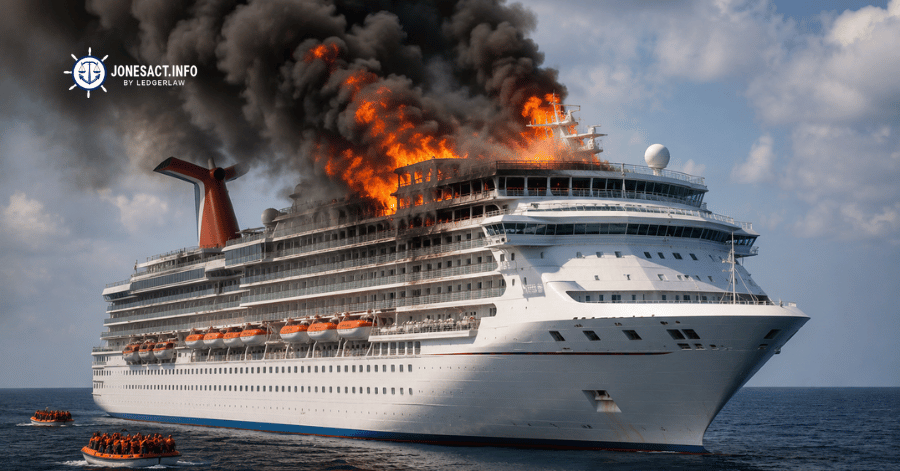
Key Takeaways: On February 10, 2013, a carnival ship fire in the engine room left the Carnival Triumph powerless and adrift in the gulf of mexico with 3,143 passengers and 1,086 crew members aboard. No one died, but more than 4,200 people endured four days without functioning toilets, air conditioning, or reliable food-earning the trip the nickname poop cruise. The vessel was towed to mobile, Alabama, triggering lawsuits, a thorough investigation by the coast guard and NTSB, and major safety investments by carnival cruise line. Carnival said each guest would receive a full refund and $500, according to its statement of February 15, 2013, though many pursued additional legal claims for negligence and emotional distress. Carnival said it spent $115 million to repair and upgrade the Triumph before the ship returned to service in June 2013. Carnival renamed the ship Carnival Sunrise in 2019 after a later makeover. Passengers and crew members involved in cruise ship fires may have important legal rights under maritime and Jones Act law. In the middle of the night on February 10, 2013, alarms ripped through the lower decks of the Carnival Triumph. The carnival ship fire readers usually mean was the engine room fire in the Gulf of Mexico that disabled propulsion, caused a complete power loss, and left 3,143 passengers and 1,086 crew adrift for four days without functioning toilets, air conditioning, or reliable food. Passengers jolted awake-some mid-dream about their bachelorette party plans in Cozumel, others resting after a day at sea-scrambled into darkened hallways as smoke poured from the aft engine room. Within hours, the ship that had promised a carefree four-day cruise became an international headline for all the wrong reasons. The fire knocked out power across the vessel and left thousands stranded in sweltering heat and worsening sanitary conditions. When toilets stopped working and red biohazard bags replaced toilet paper, the media and the public gave the incident a name that stuck: the poop cruise. For affected passengers and crew, maritime injury victims, legal professionals, and anyone trying to understand what happened and what followed, the case remains a defining example of how a cruise emergency turns into a safety, compensation, and accountability fight. This is the true story of what happened on the Carnival Triumph, drawn from public reports, official investigations, and firsthand accounts. Below, you’ll find the timeline of the disaster, its technical causes, the passenger and crew experience, the rescue and towing effort, the legal aftermath, Carnival’s safety reforms, and what became of the ship after repair and renaming-so readers can see not just how the crisis unfolded, but why it still matters for cruise safety, passenger rights, and maritime law. Carnival Ship Fire: What Happened, What Caused It, and How the Cruise Disaster Unfolded: This section answers the core questions-what, where, when, and why-about the fire on carnival cruise ship Triumph as early and directly as possible. Timeline of the Carnival Triumph Fire in the Gulf of Mexico: The Carnival Triumph departed Galveston, Texas on February 7, 2013, en route to Cozumel, Mexico for a four-day cruise. The trip went smoothly through Day 3. Passengers explored the port in Cozumel and returned to the ship for the sailing home. On Day 4-February 10, 2013-a fire broke out in the engine room at 5:30 a.m. Smoke was spotted in the aft engine room, and alarms sounded across multiple decks. The ship carried 3,143 passengers and 1,086 crew members, nearly all of whom were asleep when it happened. The fire was extinguished by an automatic system (the Hi-Fog® water-mist suppression), supplemented by manual CO₂ flooding. But by the time flames were out, the damage was done. Key power cables were destroyed, and the vessel lost propulsion and most electrical services. From that moment, the Triumph began drifting in the gulf of Mexico. Over the next four days, tugs and the coast guard coordinated a slow tow. The ship finally reached Mobile, Alabama on February 14, 2013-Valentine’s Day, after tugboats towed it the rest of the way. Root Cause: What Caused the Fire on Carnival Triumph? Coast Guard and NTSB investigators traced the carnival cruise engine fire to a single point of failure: a flexible pipe in a fuel oil return line forward of the No. 6 diesel generator. The pipe failed under approximately 10 bar of pressure at roughly 122°C, spraying atomized fuel upward. That fuel mist contacted a hot surface-specifically, the turbocharger on the No. 6 engine-and ignited instantly. The resulting flash fire severely damaged generators No. 5 and No. 6 and, critically, burned through overhead cabling that connected the forward engine room generators to the ship’s main power distribution. This design vulnerability meant that a single fire in one engine room could-and did-knock out power from generators in both the forward and aft compartments. While the fire suppression systems worked to contain the blaze, the fire was extinguished by an automatic system that itself lost effectiveness when the main switchboard lost power. The CO₂ flooding system’s remote station failed, requiring manual valve operation. How the Engine Room Fire Knocked Out Power Across the Ship? Cruise ships depend on centralized engine rooms and overhead power cables to run everything passengers take for granted: propulsion, air conditioning, lighting, kitchens, and sewage systems. On the Triumph, power was lost after the fire damaged main power cables running between engine rooms. With both forward and aft generator rooms unable to deliver power, the ship switched to a limited emergency generator and battery backups. That meant dim lighting in hallways, no elevators on most decks, and heavily restricted electrical use everywhere. The cascade was swift. Refrigeration failed, spoiling perishable food. Ventilation stopped, turning interior cabins into hot boxes. Water pumps shut down, leaving toilets without the vacuum pressure needed to flush. This incident revealed a critical gap: the lack of improved redundancy and fire-hardened cabling that would later become standard across the entire cruise industry. Immediate Response by the Crew and Firefighting Efforts: When alarms activated, fire doors closed
Carnival Triumph Fire Disaster: Did Carnival Know About the Risk Before the Engine Room Fire?
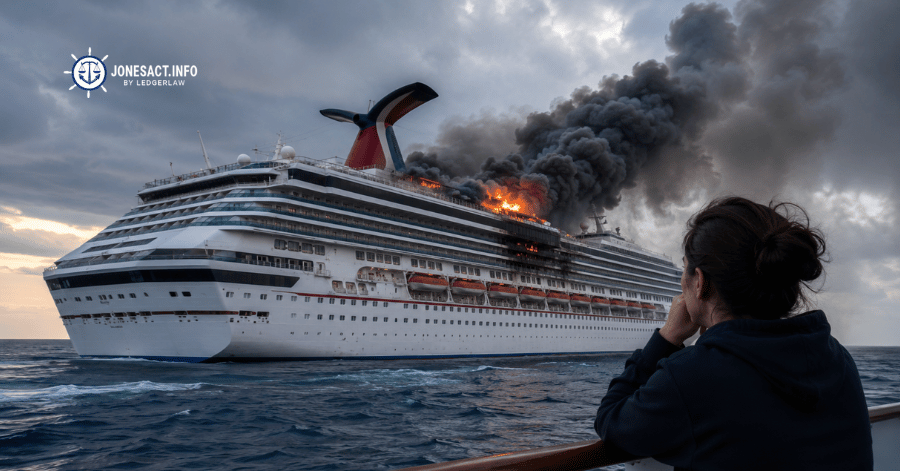
Key Takeaways: On February 10, 2013, an engine room fire aboard the Carnival Triumph disabled power, propulsion, air conditioning, and toilets, stranding over 4,200 passengers and crew in the Gulf of Mexico. Passengers endured five days of extreme heat, sewage backups, limited food, and sleeping on deck-earning the voyage the nickname “poop cruise.” The ship was eventually towed to Mobile, Alabama, arriving on February 14 after plans to reach Mexico were abandoned. Investigations by the Bahamas Maritime Authority found preventable mechanical failures and evidence that Carnival knew of fuel leaks and engine fire risks before the vessel sailed. Carnival’s response, by its own account, included a full refund, $500 per passenger, a future cruise credit, a safety program of more than $300 million across its 24 ships and $115 million spent to repair and upgrade the Triumph. The ship was renamed Carnival Sunrise in 2019 after a later makeover. If you have questions about maritime rights after a cruise ship disaster, contact JonesAct.info for guidance. Picture a cruise ship drifting powerless across the Gulf of Mexico. Toilets overflow into hallways. The lights are out. There is no air conditioning. Thousands of guests sleep on the open deck under makeshift tents. This was life aboard the Carnival Triumph in February 2013—the Carnival Triumph fire disaster, an engine room fire that knocked out power and critical ship systems and left more than 4,200 passengers and crew stranded for five days under worsening conditions the media quickly dubbed the poop cruise. The Carnival Triumph engine room fire on February 10, 2013, roughly 150 miles off the Yucatan Peninsula, turned a routine four day cruise into a survival ordeal. For passengers, crew members, maritime legal professionals, and anyone trying to understand what this case means for cruise safety and passenger rights, this article breaks down what happened, what caused the fire, what people endured onboard, how Carnival Cruise Lines responded and compensated travelers, whether the company knew about fire risks before sailing, and what lawsuits and legal claims followed. This is general information, not legal advice—readers with specific questions should consult JonesAct.info. A Full Overview On Carnival Triumph Fire Disaster: The Carnival Triumph fire disaster unfolded over the course of a week, transforming a vacation into chaos. Here is what happened, step by step. Timeline: From Departure to Disaster at Sea: The carnival ship departed Galveston, Texas on February 7, 2013, carrying approximately 3,143 passengers and 1,086 crew on a four day cruise to Cozumel, Mexico. The trip proceeded normally through February 8 and 9, with guests enjoying a port stop in Cozumel before the vessel turned back toward Galveston. En route home in the early morning of February 10, around 5:30 a.m., crew detected smoke via CCTV near diesel generator No. 6 in the aft engine room. Alarms sounded. A fire in the engine room occurred on February 10, 2013, and while suppression systems contained the blaze before it reached passenger decks, it badly damaged the electrical and propulsion infrastructure. The cruise ship lost main power and propulsion, leaving it adrift in the gulf with thousands aboard. Immediate Impact: Power Loss, Panic, and Initial Response: The fire left the ship without power and propulsion almost instantly. When the main switchboard failed, nearly every “hotel” system went dark: lights, air conditioning, refrigeration, and the vacuum sewage system. Emergency generators restored navigation and basic communications, but could not support the galley, toilets, or climate control. Passengers had no air conditioning during the ordeal. The captain announced the situation and asked folks to remain calm. Many passengers initially treated the incident as a temporary inconvenience. Early Coast Guard communications described the vessel as “stable” with no immediate injuries-but conditions were already deteriorating below deck. Life Onboard: How the “Poop Cruise” Nickname Was Earned: Within hours the sanitation system failed completely. The loss of power led to sanitation system failure, causing overflowing toilets across the ship. Passengers used red biohazard bags and buckets as the crew roped off unusable areas. The smell in interior cabins became unbearable, and hot, humid conditions drove many passengers to sleep on the open deck under tent cities fashioned from bedsheets and life jackets. Supplies ran short, so emergency food provisions were brought over from nearby ships, including the Carnival Elation and Carnival Legend, in a ship-to-ship transfer. Food supplies were limited and had to be rationed, with the galley restricted to cold sandwiches and fruit. Water was scarce. The ship’s medical staff treated cases of heat exhaustion, dehydration, and anxiety, particularly among older passengers, children, and those with chronic illnesses. Drift, Tow, and Final Arrival in Mobile, Alabama: Without propulsion, winds and currents pushed the powerless Carnival Triumph northward. Over 4,200 passengers were stranded for five days as tugboats connected lines to begin a slow tow. Initial plans called for towing to Progreso, Mexico, but Carnival switched the destination to Mobile, Alabama, extending the trip and passenger hardship. During towing, the ship developed a noticeable list that worsened sewage leaks and made walking and rest difficult. The vessel finally arrived at the port of Mobile on the night of February 14, 2013, after tug assistance helped it arrive there late in the rescue effort. Media crews, buses, and emergency personnel lined the dockside. Passengers endured five days adrift in the Gulf of Mexico before disembarking into a flood of national media coverage, facing late-night processing and long bus rides to Galveston and New Orleans. Did Carnival Knew About Fire Risks Before Carnival Triumph Disaster: Investigations and court filings after the disaster raised serious questions: did Carnival cruise lines already know this kind of engine fire could happen? Prior Carnival Engine Fires and Loss‑of‑Power Events: Carnival Triumph had a history of maintenance issues before the incident. The Carnival Splendor suffered a similar engine room fire in 2010 that left it without power. Maritime attorneys noted the Triumph fire was reportedly the fourth such power-loss event on a carnival ship in a short span. Just weeks before the disaster, on January 28,
21 Million Lawsuit Cruise Ship: What Really Happened?
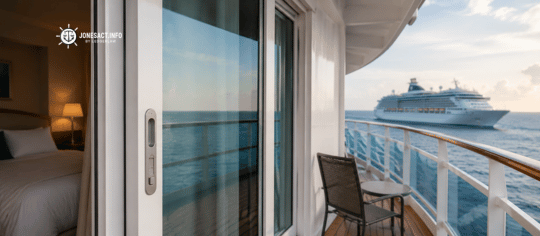
Key Takeaways: A Seattle jury awarded $21.5 million to passenger James Hausman after a 2011 Holland America Line sliding glass door incident, court records show. The verdict included $16.5 million in punitive damages after the jury found the cruise line acted with reckless disregard for his safety. A federal judge later threw out the $21.5 million verdict and ordered a new trial after finding Hausman deleted relevant emails. Hausman claimed a traumatic brain injury with seizures, vertigo, memory loss, sleep problems, and cognitive limitations. Jurors heard testimony of 16 similar injuries from automatic doors, while evidence showed over 30 prior injuries occurred due to the same doors. The case is a reminder that cruise ship passengers should report injuries quickly, seek care, preserve evidence, and understand ticket deadlines. A luxury Holland America Line cruise in 2011 turned into a high-stakes lawsuit after passenger James Hausman was struck in the head by an automatic sliding glass door aboard a cruise ship. What began as a shipboard incident near Hawaii later became one of the most discussed personal injury cases involving passenger safety, corporate negligence, and evidence preservation. The case involved James Hausman, an Illinois man from Springfield, Holland America Line, and federal court proceedings in Seattle. According to the court’s record in Hausman v. Holland America Line, case 2:13-cv-00937 in the U.S. District Court in Seattle, the jury’s verdict form of October 30, 2015 awarded $5 million in compensatory damages and $16.5 million in punitive damages, $21.5 million in all, and Judge Barbara Rothstein’s order of January 5, 2016 vacated the judgment and ordered a new trial after finding that Hausman had deleted emails. This article explains what happened, why the award was so large, why it was thrown out, and what injured cruise ship passengers should know before moving forward with a claim. What Was the Holland America Cruise Ship Lawsuit? The 21 million lawsuit cruise ship case refers to James Hausman’s lawsuit against holland america line after he was hit by an automatic sliding door on a Holland America cruise ship during a 2011 voyage. In 2015, a Seattle jury found Holland America Line negligent for Hausman’s injuries and awarded $21.5 million. The award included: $5 million in compensatory damages for past and future pain and suffering, disability and emotional distress. $16.5 million in punitive damages against the cruise line. A finding on the verdict form that Holland America acted with reckless disregard for his safety and rights. A later ruling by U.S. District Judge Barbara Rothstein vacating the verdict because of deleted emails. A new trial order, rather than a final dismissal of the case. According to reporting from the ABA Journal, the case took a dramatic turn after Hausman’s former personal assistant came forward with information about missing emails and an undisclosed email account. The Cruise Ship Door Accident: Timeline and Location: The incident occurred in 2011 aboard a Holland America Line cruise ship identified in court records and news coverage as the ms Amsterdam. Hausman was on an around-the-world voyage, and the ship was approaching Honolulu, Hawaii, when the sliding door accident happened. Hausman, then 61, walked through an automatic sliding glass door that led toward an outer deck area. The door allegedly closed too quickly and struck him in the temple or side of the face. He was bleeding, dazed, and later examined by onboard medical staff. The lawsuit was filed in federal court in Washington state, where Holland America is headquartered and where its passenger ticket contracts often require cases to be filed. The trial later took place before a federal jury in Seattle. This was not treated as a simple accident involving a door. The plaintiff argued that the company had notice of a mechanical hazard and failed to protect cruise ship passengers from a known risk. The Passenger’s Injuries: From Sliding Glass Door to Brain Injury: Hausman claimed the sliding glass door caused a traumatic brain injury. He said the head strike led to concussion symptoms that developed into long-term medical episodes, including seizures, vertigo, dizziness, fatigue, memory loss, and post-concussion syndrome. The victim experienced seizures and memory loss after the accident. Hausman also claimed the injury made it harder to multitask, tolerate bright lights, function in busy public places, and stay awake normally. His wife, Carol Hausman, reportedly testified that he was not the same person after the incident. The injuries also affected his business life. Hausman said he had to sell or significantly reduce his role in the gold center, his Springfield business, because of cognitive problems and physical limitations. Medical experts linked the symptoms to the head trauma from the automatic sliding door. The plaintiff suffered a traumatic brain injury from an automatic door, and his lawyers argued that the long-term effects changed his daily life. The Seattle Jury Verdict: How the Award Was Reached: After a nine-day trial in 2015, the jury found Holland America Line negligent for Hausman’s injuries. The award was divided into two major parts: Type of damages Approximate amount Purpose Compensatory damages $5 million Pain and suffering, disability, emotional distress and loss of enjoyment of life Punitive damages $16.5 million Punitive damages after a finding of reckless disregard Total verdict $21.5 million Full jury award before later vacatur The jury assessed $16.5 million in punitive damages. On the verdict form it found that Holland America acted with reckless disregard for his safety and rights. Jurors heard testimony of 16 similar injuries from automatic doors. The case involved 16 similar prior injuries from automatic doors, and other evidence suggested a broader pattern across cruises operated by the cruise line. Holland America argued that Hausman walked into the door himself and disputed responsibility. But the jury sided with the injured passenger after considering the testimony, expert opinions, and security camera footage. Inside the Evidence: Surveillance Video, Door Settings, and Cruise Line Knowledge: The verdict turned heavily on evidence about the door, the video, and what Holland America knew before Hausman was injured. Security camera footage
Bar Harbor Cruise Ship Lawsuit: Passenger Caps, Court Rulings, and What Comes Next
Key Takeaways: Bar Harbor voters approved cruise ship disembarkation limits of 1,000 passengers daily in early November 2022, passing the initiative by 507 votes to address pedestrian congestion and safety concerns near Acadia National Park. Judge Walker’s decision in May 2026 ruled the 1,000-passenger limit remains effective only during July and August, deeming it unconstitutional during shoulder seasons under the pike balancing test. The First Circuit Court partially upheld Bar Harbor’s cruise ship ordinance in its August 2025 circuit opinion but partially remanded the case for further fact-finding on seasonal burdens. Cruise tourism numbers have dropped sharply-from roughly 182,000 cruise ship passengers in 2024 to a projected figure under 50,000 in 2026-reshaping the local economy. The legal battle, which has spawned multiple lawsuits, could set precedent for how other coastal towns regulate cruise ships under the commerce clause. Bar Harbor, Maine-a small coastal gateway where Acadia National Park sits just minutes from the downtown area-has become the center of a greatly discussed legal battle over cruise ship regulation. In November 2022, bar harbor voters approved a citizen-initiated ordinance limiting cruise ship disembarkations to 1,000 per day at town-managed piers. The move triggered lawsuits from cruise-dependent businesses and maritime groups, pushing the dispute through federal court and the first circuit court of appeals. This article covers the bar harbor cruise ship lawsuit, court decisions, impacts on cruise lines and local businesses, and what comes next after judge walker’s remand decision in May 2026. Bar Harbor Cruise Ship Lawsuit Overview: The bar harbor cruise ship lawsuit has become shorthand for the town of bar harbor’s high-stakes fight over cruise regulation. The legal battles over cruise ship regulations in Bar Harbor involve several interconnected lawsuits challenging the 2022 ordinance that limits cruise ship disembarkations to 1,000 daily. At its core, this partially remanded federal case pits local environmental and quality-of-life concerns against the interstate commerce interests of cruise lines and port service providers. Origins of the Bar Harbor Story and the 1,000-Passenger Cap: By the late 2010s, Bar Harbor was receiving over 100 cruise ship visits per season, with peak daily passenger counts far exceeding 1,000. Bar Harbor previously hosted 60% of Maine’s cruise ship visitors, making it one of the state’s major tourist attractions for maritime tourism. Residents voiced frustration over crowding in downtown bar harbor, strain on town services, and visitor pressure on Acadia national park. Voluntary agreements (MOAs) with cruise lines had set caps of 3,500 during peak season and 5,500 in shoulder seasons, but these were unenforceable. Dissatisfaction led to the citizen initiative. Voters approved the disembarkation limits in November 2022 by 507 votes (approximately 1,780 yes to 1,273 no). The ordinance seeks to cap the number of cruise ship passengers allowed ashore daily, with fines of $100 to $5,000 for each passenger over the cap, according to the First Circuit’s opinion of August 11, 2025. Who Filed the Bar Harbor Cruise Ship Lawsuit and Why? The primary lawsuit was filed in federal court by Golden Anchor, L.C., B.H. Piers, and other local businesses involved in cruise operations, alongside maritime interests including the Penobscot Bay & River Pilots Association. Plaintiffs argued that limited passenger disembarkations unlawfully restricted interstate commerce by constraining more cruise ships from calling on Bar Harbor. Tender operators and shore service providers claimed direct economic harm from reduced cruise traffic. On the opposing side, defendant intervenor Charles Sidman-a resident and business owner-moved to protect local livelihoods by defending the ordinance, arguing voter intent and local control should prevail. Each party involved brought distinct economic and constitutional concerns to the table. The Legal Battle in Federal Court: Judge Walker and the Commerce Clause: The case landed before federal judge Lance E. Walker in the U.S. District Court for the District of Maine. Judge Walker applied the pike balancing test, weighing putative local benefits-reduced pedestrian congestion, protected town character, managing access to acadia national park-against burdens on interstate commerce. Court rulings indicate a balance is needed between tourism management and economic impacts. Judge Walker initially found the cap could not constitutionally apply during shoulder seasons while viewing July and August differently, given documented congestion, public safety data, and infrastructure strain during the peak summer tourism season. Both sides filed a cross appeal, leading to the First Circuit’s involvement. First Circuit Appeal and Oral Arguments: The U.S. Court of Appeals ruled on August 11, 2025, in a detailed circuit opinion. Chief judge David Barron and circuit judge William Kayatta participated in the panel’s analysis. The First Circuit partially upheld judge walker’s approach but vacated the Pike analysis, requiring more refined fact-finding around seasonal harms. The appeals court emphasized considering concrete evidence-congestion data, impacts on Acadia National Park, and availability of alternative ports. After the partial remand, the lower court scheduled additional oral arguments. Judge Lance Walker heard oral arguments on February 11, 2026, to refine the record before issuing his post-remand ruling. The May 2026 Ruling: Seasonal Constitutionality of the Ordinance: In May 2026, judge walker’s decision reaffirmed that bar harbor’s cruise ship cap is enforceable in July and August. A federal court ruled the 1,000-passenger cap unconstitutional during shoulder seasons-May, June, September, and October-because the burdens on interstate commerce outweigh demonstrated local benefits in those months. The 1,000-passenger limit remains effective only during July and August, creating a seasonal framework. Proponents of the ordinance argue it preserves Bar Harbor’s quality of life during the most congested months. Some aspects remain open for further appeals, and the Town and intervenors have signaled interest in reviewing next steps, potentially seeking guidance that could reach as high as the supreme court, though no supreme court justice has weighed in to date. Current Status of Bar Harbor’s Cruise Ship Ordinance: As of the May 2026 ruling, Bar Harbor can enforce disembarkation limits only in July and August. The town council has committed publicly to not returning to pre-ordinance cruise traffic levels. Bar Harbor stopped accepting new advance cruise ship reservations amid ongoing litigation while designing new regulatory tools. Notably, a repeal
What Is The Main Cause Of Costa Concordia Accident?
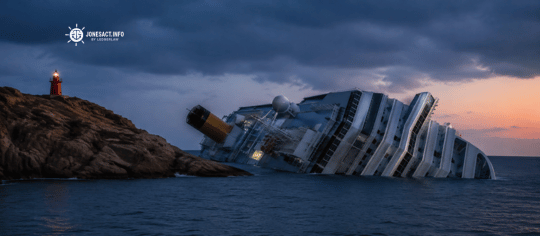
Key Takeaways: The main cause of the Costa Concordia accident was human error after the ship deviated from its planned route. Captain Francesco Schettino ordered an informal close-coastal salute near Giglio island. The cruise ship struck the le scole reef after navigating too close to shore in shallow waters. Disabled or ignored navigation safeguards, weak bridge communication, and delayed evacuation procedures worsened the disaster. Thirty two people died, while more than 4,200 passengers and crew were rescued. The Costa Concordia disaster forced major changes to cruise line safety rules, muster drills, and route controls. Costa Crociere’s chief executive said in July 2014 that removing the wreck would cost 1.5 billion euros, about $2 billion, PBS NewsHour reported. On the night of 13 January 2012, the costa concordia was sailing through a calm Tyrrhenian sea near giglio island. The mood on board was relaxed: restaurants were open, many passengers were settling into the first evening of their cruise, and the huge ship looked like a floating resort, complete with restaurants, theaters, and four swimming pools. Then the ship struck submerged rocks. Within minutes, water flooded critical spaces, lights failed, and the cruise ship began to list. Passengers were first told the problem was only an electrical fault, but the situation was already far more serious. By the next morning, the concordia lay on her starboard side near isola del giglio, half-submerged and visible from the shore. The central question is still unsettling: how could one of the most advanced modern cruise ships run aground on a known reef in good weather? The answer is not a single broken machine or a freak act of nature. It is a chain of choices involving navigation, human error, bridge discipline, company culture, and delayed emergency response. This article explains the cause of the Costa Concordia accident in practical terms, from the fatal route deviation to the evacuation and the reforms that followed across the cruise industry. 10 Main Reasons – What Caused the Costa Concordia Accident? The primary cause of the incident was an unauthorized route deviation for a close “sail-by salute” near giglio island, combined with navigation mistakes and a severely delayed rescue operation process. 1. Unauthorized Route Deviation: The primary cause of the Costa Concordia incident was an unauthorized deviation from the planned course. Captain Francesco Schettino ordered a close “sail-by salute” near Giglio Island, bringing the ship dangerously close to the shore and the submerged Le Scole reef. This maneuver was not part of the official passage plan and significantly reduced safety margins. 2. Risky Close-Coastal Maneuver: The ship navigated at an unsafe speed of approximately 15.5 knots in dark conditions near shallow reefs. This close-coastal maneuver increased the risk of collision with underwater hazards, leaving little room for error or corrective action. 3. Disabled or Ignored Navigation Safeguards: Despite having advanced navigation systems such as electronic charts, radar, and alarms, many safety features were muted, ignored, or inadequately used. This failure in utilizing technology effectively contributed to the bridge’s poor situational awareness. 4. Poor Bridge Communication and Resource Management: Communication breakdowns and weak bridge resource management played a critical role. Confusion over helm orders, language barriers with the helmsman, and a lack of challenge to the captain’s risky decisions led to delayed or incorrect maneuvers. 5. Delayed Emergency Response and Evacuation: There was a significant delay of nearly an hour between the collision and the formal abandon-ship order. Passengers were initially misinformed that the issue was an electrical fault, which slowed muster and evacuation efforts. This delay worsened the situation as the ship’s list increased and the sinking made rescue and evacuation more difficult. 6. Insufficient Crew Training and Preparedness: Many crew members were not adequately trained for emergency situations. The absence of a mandatory muster drill before departure meant passengers were unfamiliar with evacuation procedures, leading to confusion and chaos during the emergency. 7. Culture of Normalization of Deviance: A systemic culture within Costa Cruises and the wider industry tolerated risky practices, such as unauthorized close passes to shore, because previous attempts had not resulted in occurrences. This normalization of deviance lowered safety standards and encouraged complacency. 8. Captain’s Abandonment of Ship: Captain Schettino abandoned the ship before all passengers and crew had evacuated, violating maritime protocols. He was later convicted of multiple charges, including manslaughter, causing a maritime disaster, and abandoning ship, and was sentenced to 16 years in prison. His premature departure undermined leadership during the crisis and contributed to the overall chaos. 9. Inadequate Enforcement of Safety Protocols: Although formal safety management systems existed, enforcement was lax. The failure to rigorously apply passage plans, conduct regular drills, and maintain bridge discipline allowed unsafe practices to persist unchecked. 10. Overreliance on Visual Navigation in Darkness: The bridge team relied heavily on visual cues despite darkness and challenging coastal geography. This overreliance, combined with insufficient cross-checking of electronic navigation data, impaired hazard detection and timely response. These causes combined to create a catastrophic chain of events that led to the grounding, flooding, and eventual capsizing of the Costa Concordia, making it one of the most significant maritime disasters in recent history.: Human Error, Risk Culture & Lasting Lessons Background: The Costa Concordia And Her Final Voyage: Costa Concordia was a 114,500 GT cruise ship operated by Costa cruises, also known as costa crociere, under the wider carnival corporation business group. Launched in 2005 and entering service after her maiden voyage period, she represented the scale and confidence of modern cruise ships in the early 2000s. The ship was about 290 metres long and designed as a floating hotel. It carried thousands of maritime travelers and crew, with multiple restaurants, entertainment venues, swimming pools, cabins, and a large superstructure that made stability and rescue planning especially important in maritime emergencies. On 13 January 2012, the ship was beginning a Mediterranean itinerary from Civitavecchia, with planned calls at ports such as Savona, Marseille, Barcelona, Palma, Cagliari, and Palermo. There were roughly 4,229 people on board, including about 3,206 passengers
Liability Determination in Cruise Ship Injury Cases

Key Takeaways: If you’re injured on a cruise, legal responsibility typically falls on the cruise line, its crew, onboard medical staff, or third-party excursion operators. Maritime law and your cruise ticket contract together determine who can be held accountable and under what conditions. Liability in cruise ship injury cases usually turns on proving negligence by the cruise line was negligent in maintaining safe conditions, training employees, or responding to known hazards. Cruise lines are generally held liable for passenger injuries under maritime law, which requires proof of negligence or willful intent on the part of the cruise operator. Most major cruise lines like Carnival, Royal Caribbean, and Norwegian require passengers to provide written notice within approximately 6 months of an incident and file lawsuits within 1 year—often exclusively in Miami federal court. Under general maritime law, the statute of limitations for personal injury claims is three years from the date of the incident, but many cruise lines incorporate clauses in their passenger contracts that shorten this timeframe. Typical liability disputes include wet deck slip and fall accidents, cruise ship chair accidents involving defective loungers, medical malpractice cruise ship medical negligence in onboard infirmaries, and food poisoning illness outbreaks norovirus covid clusters from contaminated buffets. If you were injured on a cruise and are unsure who bears legal responsibility, you’re facing what attorneys call “liability determination”—identifying which person or company must legally compensate you under general maritime law and the contract of carriage embedded in your cruise ticket. Real-world incidents illustrate the complexity. Consider a 2023 wet-deck slip near a pool bar where a passenger fractured her hip due to absent warning cones despite crew awareness. Or a 2022 gangway collapse at Cozumel injuring multiple passengers from corroded metal ignored in pre-voyage inspections. A 2020 norovirus outbreak affected over 700 passengers from contaminated buffet tongs. A 2019 misdiagnosed stroke in a ship infirmary led to paralysis because the ship’s doctor delayed evacuation. Because cruise ship injury claims are governed by maritime law rather than typical state premises liability rules, the usual assumptions about where and when you can sue often do not apply. Understanding cruise ship liability requires navigating federal admiralty precedent, analyzing ticket contracts, and gathering evidence before it disappears. This article walks through how courts decide fault, what evidence matters most, how ticket deadlines work, and when a cruise ship injury lawyer becomes critical to protecting your claim. Understanding Cruise Ship Liability: Maritime Law and Common Carrier Duties: Cruise lines qualify as “common carriers” under maritime law, meaning they must exercise reasonable care under the circumstances to protect passengers from foreseeable harm. Cruise lines have a heightened duty of care as common carriers, meaning they must take extra precautions to ensure passenger safety compared to other types of businesses. General maritime law differs from ordinary state negligence law in several key ways: Notice requirements: Cruise lines must protect against hazards they knew about (actual notice) or should have discovered through reasonable inspections (constructive notice). Foreseeability focus: Courts examine whether similar incidents occurred previously or whether safety audits revealed risks. Federal preemption: For ships leaving or arriving at U.S. ports like PortMiami or Port Canaveral, U.S. maritime law controls even if the injury occurred in international waters. Cruise ship operators must demonstrate reasonable care to prevent foreseeable harm to passengers, which includes maintaining safe conditions on board and during excursions. However, cruise companies are not strictly liable—passengers must prove some form of negligence, such as failing to clean a spill, repair a defective chair, or enforce crowd-control policies. Tickets often attempt to limit liability through venue clauses, shortened time limits, and assumptions of risk. Under federal law, cruise ships cannot include provisions in tickets or contracts that waive liability for personal injury or death due to negligence when making port in the United States (46 U.S.C. § 30509). Common Types of Cruise Ship Injuries That Trigger Liability Analysis: Certain recurring accident patterns drive most ship injuries understanding cruise ship contexts. The majority of cruise ship injury claims involve slips, trips, or falls, primarily due to moving decks, frequent spills, and maintenance lapses. Slip, Trip, and Fall Accidents: Slip trip fall accidents account for approximately 40% of cruise injuries according to CDC data. Common locations include wet pool decks with algae buildup, unmarked step-downs in dining rooms, worn stair treads, and poorly lit corridors. Courts scrutinize housekeeping logs and patrol frequencies when evaluating notice. Cruise Ship Chair Accidents and Defective Furniture: Broken chairs defective furniture claims have risen significantly post-COVID due to deferred maintenance. Incidents involve collapsing aluminum loungers with fractured welds, barstools that tip due to loose bolts, and balcony chairs failing despite weight ratings. A deck chair a faulty design or stairs or missing handrails can cause severe injuries. Food Poisoning and Illness Outbreaks: Cruise ships are hotspots for foodborne illnesses, such as Norovirus and Legionnaires’ Disease, due to shared buffets and close quarters among passengers. CDC Vessel Sanitation Program scores below 85 often correlate with outbreak liability. Swimming Pool and Water Slide Injuries: Swimming pools and water slides on cruise ships pose serious risks, especially for children, due to the absence of properly trained lifeguards. Burns from improper chlorination and falls excursion accidents faulty equipment supervision create liability when staffing falls below safety protocols. Onboard Crime and Assault: Physical assaults and crimes, including sexual assault, can occur on cruise ships, despite the perception of safety onboard. Cruise ship liability waivers cannot eliminate liability for deliberate acts, such as physical or sexual assaults, as cruise lines must properly vet employees and maintain security onboard. Courts require crew members to contact law enforcement including the FBI when serious crimes occur. Tender, Gangway, and Shore Excursion Injuries: Injuries on tenders, gangways, and ship-sponsored excursions involve third party operators in many cases. Liability determination examines who controlled the location and operations—whether snorkeling diving drowning incidents or bus crashes transportation failures during organized tours. How Courts Determine Negligence in Cruise Ship Injury Cases: Courts analyze four elements in cruise ship injury lawsuits:
Cruise Ships Safety Regulations | Cruise Ships Safety Rule | Cruise Ship Safety Advocate and Attorney
Key Takeaways: Global Oversight: International treaties like SOLAS and IMO ensure all cruise ships maintain high structural safety and carry sufficient life-saving equipment. Mandatory Drills: Every passenger must complete a safety briefing at the beginning. It helps them learn evacuation routes and locate their specific muster station. Fire Prevention: Cruise lines prohibit open flames and heating elements. It’s crucial because fire causes most accidents at sea. Legal Protection: The Cruise Vessel Security and Safety Act mandates high railings and rigorous crime reporting to protect all passengers. Professional Support: Maritime law is complex. So, you need expert cruise ship attorneys to navigate injury claims and hold lines accountable. In 2025, the global cruise industry carried around 35M passengers worldwide. No doubt, cruise ships are becoming more popular for their alluring open sea and luxury on a floating resort. But cruise ship safety regulations are also a rising concern among travelers. In cruise ships, safety is not just a priority; it is a massive, multi-layered operation. It includes structural integrity, hygienic food, appropriate security personal and cruise ship rules. From CCTV footage to following US cruise ship rules, it has different aspects. Yet, if you suffer from theft, sexual assault, or anything unexpected, you can contact a cruise ship safety advocate to fight for your rights. The Ledger Law Firm handles cruise ship injury claims. Whether you are unaware of cruise ship life jackets, the first line of defense, or need CCTV footage for a court presentation, we will help you with it. Cruise Ships Safety Rules: The safety rules of cruise ships start even before a ship leaves the port. They must follow appropriate safety rules to ensure everyone’s safety. So, every crew and passenger on board knows how to react in an emergency. Mandatory Safety Drills: The muster drill or mandatory safety drill is the most critical rule for passengers. Under international law, every passenger must participate in a safety briefing. The cruise ship authority arranges it before the ship departs or immediately upon sailing. Many cruise lines use e-mustering for this drill and declaration. Passengers can actually watch safety videos on their smartphones or stateroom TVs. But passengers must physically check in at their muster station. Also, cruise ships must arrange regular safety training for their crew members. It must also follow the safety protocols, including weather alerts during its cruise time. Follow Crew Instructions: The crew is trained in emergency management. During an emergency, their instructions supersede all other plans. It could be an evacuation or a simple localized code. So, you must follow the crew’s direction. It is a mandatory safety requirement for all guests. If you don’t follow the crew’s instructions and suffer from any injury, you are most likely not going to receive any compensation for it. Lifeboat and Life Jacket Awareness: The cruise ship must tell its passengers the location of the cruise life jacket. Most modern ships store life jackets at the muster stations instead of the staterooms. It prevents bottlenecks during an emergency. Also, passengers should locate the safety boats on cruise ships. The lifeboats should be near their rooms for quick accessibility. Pool and Water Safety: Cruise ship pools can be hazardous. The motion of the ship might make the pool stable. So, cruise ship pool rules usually don’t allow: Diving on pool Running on wet decks Swimming alone For better safety, many cruise lines now employ lifeguards. However, passengers must follow their safety guidelines. Also, guardians are responsible for children’s safety in the water. Balcony and Deck Safety: Passengers aren’t allowed to climb on railings or lean over balconies. Most cruise ship falls happen because of intoxication or not following the safety guidelines. Many modern cruise ship balconies now have high-tech sensors. Also, reinforced glass prevents accidental falls. Fire Safety Awareness: Fire is the greatest threat at sea. Thus, cruise ship authorities take every possible step to reduce the chances of any fire breakout. Passengers aren’t allowed to bring items with heating elements. So, you should avoid irons or candles on cruise ships. Passengers can smoke only in specific smoking zones. These areas have specialized fire-suppression technology. Security and ID Checks: Every person entering or leaving the ship must scan their SeaPass or digital ID. It is crucial to maintain a secure environment inside the ship. Thus, the ship’s security knows exactly who is on board at any given moment. It improves the security for passengers. Too. Health and Sanitation Rules: The global health concerns have shifted since the early 2020s after COVID-19. Hygiene and sanitation are more rigorous than ever. Cruise lines have placed mandatory hand-sanitizing stations at every restaurant entrance. Also, passengers must report any gastrointestinal or viral symptoms to the medical center immediately. Shore Excursion Safety: The safety rules still apply even when you leave the ship. Cruise lines vet their official excursions for safety standards. You are responsible for returning to the ship on time if you venture out. Also, you must ensure your physical safety in port. Cruise lines aren’t responsible for your safety outside the ship. Reporting Safety Concerns: Did you see a broken railing, a slippery floor, or suspicious behavior in the shop? If so, you are required to report it. Modern ships often have Safety Hotlines or mobile app features. So, you can report instantly to the bridge or security team. If the cruise ship proves that you observed a security failure and didn’t notify the bridge, it can go against you. So, your compensation claims may get reduced for it. What Are the Cruise Ships Safety Regulations? Cruise ship rules are mainly for passengers to follow. But safety regulations are the legal frameworks for the cruise lines. International bodies and national coast guards apply these cruise ship safety regulations. It ensures the industry follows a global safety standard and maximizes comfort and safety of the travelers. International Maritime Safety Standards: The International Maritime Organization (IMO) is the pillar of cruise ship safety guidelines and regulations. It is a United Nations
How Do Cruise Ship Injury Lawyers Gather Evidence: A Step-by-Step Guideline

Key Takeaways: Collect Evidence Early: Gather high-quality proof like photos, videos, and witness names immediately after the accident for a successful claim. Protect Digital Proof: Lawyers send “spoliation letters” to the cruise line. It prevents them from deleting helpful CCTV footage or maintenance records. Watch the Deadlines: Cruise ship injury claims have much shorter filing deadlines than accidents on land. So, you must act quickly. Prove Negligence: You must show that the cruise line knew about a specific danger but failed to fix it or warn passengers. Use Professional Experts: Our legal team uses maritime experts and medical data to build the case. When we go on a cruise, we expect it to be a relaxing getaway. However, our dream cruise vacation could turn into a legal nightmare when an accident occurs. In such cases, gathering all the required evidence for your compensation is quite a challenge. So, how do cruise ship injury lawyers gather evidence? Cruise ship accident claims fall under maritime law. It has strict deadlines and requirements, unlike regular land-based laws. The jury asks for concrete proof. So, cruise ship accident lawyers follow these steps to collect the evidence: Legal Preservation of Evidence Accident Scene Documentation Medical and Expert Consultation Recovery of Shipboard Records Witness Testimony Collection These steps require an extensive, standardized procedure. As a client, you can go through these steps to know how our cruise ship attorneys fight for you. Key Evidence Needed For Cruise Ship Injury Lawsuit The chances of winning a settlement after a cruise ship accident largely depend on your documents. The attorney must prove that the cruise line’s negligence caused your harm. For this, lawyers use photos and videos of the accident scene. Also, we verify the statements of the witness, the official report, and the CCTV footage. We even discuss with the medical professionals to assess your injury severity. Finally, we evaluate the physical and economic loss associated with it. Photographs and Videos of the Accident Scene Visual proof is the easiest way to demonstrate the cruise operator’s negligence. When we submit photos and videos of a slippery floor or broken window, it immediately establishes your claim. So, you must take clear photos of the cause of the accidents. It could be a puddle without a “wet floor” sign, a broken handrail, or poor lighting. Capture the photos and videos from multiple angles. Also, if possible, take wide shots to show the context of the location. Witness Statements Witness statements are also crucial for proving the cruise operator’s negligence. There could be other passengers or crew members who saw the incident. They can provide unbiased and detailed accounts of the accident. If possible, record a quick video of them. They could explain what they saw. Also, you can request them to write a brief note about the accidents. Their perspective can confirm details you might have missed during the accident. It’s critical because often injured people forget key details due to the shock of the injury. Official Accident Report of The Cruise Ship Cruise operators and their security or medical team will likely create an internal report. Always request a copy of the report. The report should include details of the accident and your injury. Also, before signing any document, be careful and read thoroughly. You should always stick to the facts. Also, never admit fault or say sorry. Otherwise, the cruise line will use it against you. Lastly, avoid saying “I’m fine” before a doctor evaluates you. Surveillance Footage (CCTV) Modern cruise ships are covered in cameras. Almost every inch of the cruise ships is now under 24/7 surveillance. The CCTV footage is the “holy grail” of evidence. The footage shows the timeline and details of events. However, cruise lines often recycle this footage quickly. So, you must contact a legal team to intervene and collect the footage before it is erased. Also, your legal team will save and preserve it. Medical Records and Bills It is crucial to collect and preserve your shipboard medical center records. Also, you must collect records of the subsequent treatments back home. These documents prove the extent of your injuries. It is also essential to link them directly to the shipboard accident. The lawyer will use it to assess and prepare the payouts. Document of Damages Keep a log of all financial losses. It includes medical bills, lost wages from missing work, and future costs. Also, preserve receipts for out-of-pocket expenses, including specialized transport or physical therapy equipment. It will establish the authenticity of your economic claim. Witness Contact Information Names and phone numbers of the witnesses are crucial to contact them. Once the cruise ends, it is nearly impossible to track down a fellow passenger from another country. You should collect their WhatsApp number, Facebook Id or other social media accounts for quick reach. If you don’t collect the witness contact, you will probably lose their valuable evidence. It will impact your injury claims and output. Preserve Physical Evidence Maybe you tripped over a loose carpet or slipped on an oily substance, causing the injury. If so, you should keep the shoes and clothing you were wearing. Do not wash them as they may contain forensic proof of the hazard. It will help our accident experts to reconstruct the event and explain it better to the jury. How Do Cruise Ship Injury Lawyers Gather Evidence It’s not an easy task to collect, preserve, and use the evidence to improve the authenticity of your cruise ship accident cases. Once you reach the cruise ship injury lawyer, he will assess your case as you describe it. Then, he will make a list of the required evidence and immediately start working to collect it. Initial Case Assessment The process of collecting the accident evidence begins with a deep dive into your passenger ticket contract. The ticket document often contains “fine print.” It dictates where you can sue. Also, the contract specifies the time you have to notify the cruise line of your intent.
How Common Are Cruise Ship Accidents?: A Detailed Discussion

Key Takeaways: Safety Statistics: Major shipwrecks are rare these days. However, daily slip-and-fall injuries occur frequently. Top Crime: Sexual assault is the most commonly reported serious crime on cruises. Property theft is the second most common crime on cruise ships. Health Risks: Norovirus spreads rapidly in cruise ships due to their closed environment and high density of passengers. Primary Causes: Human error and operator negligence cause most avoidable ship accidents. Legal Rights: Maritime law limits your time to sue from 6 months to 1 year; check your cruise ticket. How common are cruise ship accidents? In the past 25 years, major disasters like sinkings have become rare. However, minor accidents and medical incidents happen regularly. Statistically, the chance of a serious cruise ship accident for a passenger is roughly 1 in 6.25 million. Also, slips and falls, food poisoning, and mechanical failures are common. If you are involved in a cruise ship accident, you should immediately contact an experienced maritime lawyer. It’s crucial to assess your damage and file the compensation before the statute of limitations expires. How Common Are Cruise Ship Accidents? In 2025, the cruise chip industry hosted over 37 million travelers worldwide. More than 300 ocean-going vessels served the 37 million passengers. However, the accident numbers were at a record low. According to maritime safety reports, a total of 27 losses were recorded globally in 2024 across all vessel types. The accident rates continued a downward trend. These days, total sinking and loss of the cruise ships are almost none. Passengers, however, face injuries from slips and falls, medical emergencies, and operational failures. Understanding Cruise Ship Accident Frequency Cruise ship accident frequency is determined by “incidents”. Among all, machinery damage and engine failures cause more than 50% maritime incidents globally. Also, minor personal injuries are higher among passengers than ship-wide emergencies. Around 30 million people cruise each year. However, only 5000 to 6000 people experience minor or major accidents. Recently, a three-year study of shipboard medical centers found approximately 663 reported injuries. Only 12.5% of these injuries were serious. In the last two to three decades, ship crashes or sinkings have become rare. It’s because the cruise lines have introduced better safety standards for their ships. Common Types of Accidents Cruise Ships Encounter At Sea From vessel collisions to slips and falls, cruise ship accidents have different causes. As a passenger, you must know about the types and reasons of cruise ship accidents. It will help you stay safer and more prepared. Vessel Collisions and Grounding Incidents The ship could hit another vessel or the seabed. Modern GPS has reduced the collision rates. However, pilot errors in tight harbors still cause minor collisions. Slip and Fall Accidents Slips and falls are the most common passenger injury. The reasons include wet decks, steep staircases, and ship motion. As a result, thousands of minor and major falls occur annually. Man-Overboard and Passenger Overboard Incidents Men overboard from the cruise ships are rare but highly lethal. Statistics show that only about 28% of people survive the fall and cold water. Defective Equipment and Onboard Machinery Failures Occasionally, cruise ships experience failures in elevators, sliding glass doors, or recreational equipment. Plus, water slides can fail. All these could lead to unexpected and severe passenger injuries. Ship Mechanical Malfunctions and Engine Failures A ship could be drifting due to propulsion loss or “blackouts”. Although it’s not rare, it turns the cruises to hell without air conditioning or toilets. Sexual Assault Tragically, sexual assault is the most commonly reported serious crime on cruise ships. Male passengers often get drunk and assault females. Also, sexual assault is common in private passenger cabins. Norovirus Outbreaks Although highly contagious, norovirus outbreaks aren’t common these days. It is a minor gastrointestinal illness. The year 2025 saw a 22% surge in reported outbreaks on major cruise lines. Food Contamination Cruise ships rely on mass catering for 1000 to 5000 people inside the ship. It increases the risk of E. coli or Salmonella. One contaminated kitchen and hundreds of passengers will fall ill simultaneously. Medical Negligence Cruise lines recruit independent and onboard doctors. It might cause misdiagnosis or delayed treatment for heart attacks and strokes. You can claim wrongful death compensation for medical negligence. The 5 Leading Causes of Cruise Ship Accidents Human error, unpredictable weather at sea, food contamination, etc., are the reasons for cruise ship accidents. Operator Negligence Operator negligence includes bridge team errors in navigation: Misreading charts Miscalculating distances during docking. Cruise lines’ failure to maintain the vessel properly. A crew might ignore a leaking fuel line or fail to dry a public walkway. It creates a “negligent” environment, leading to fires or falls. Weather and Sea Conditions Although we now have advanced meteorology, ocean weather is still unpredictable. “Rogue waves” or sudden tropical squalls can cause a ship to list (tilt) or move violently. As the ship tilts or moves violently, furniture or glass panels break or fall on the passengers. It injures passengers more frequently than anything else on the cruise lines. Also, cruise ships are forced to ground due to bad weather. Contaminated Food and Water Cruise ships have a closed ecosystem, and a few kitchens serve thousands of travelers. So, a single contaminated shipment of packed food can cause a massive outbreak of food poisoning. Also, a water filtration system can fail, causing a ship-wide crisis. A single passenger can introduce norovirus. It could then spread through shared buffet utensils and high-touch surfaces. Lack of Adequate Security People are in a “vacation mindset” at cruise ships. It is a major cause of crimes on the ships as passengers lower their guard. The cruise line’s internal staff handles the internal security. So, there are often inadequate security patrols. Over-service of alcohol further contributes to the increased crime rates and sexual assaults in the cruise lines. Cruise Ship Fires A fire in the engine room can knock out power, steering, and the communication system on the ship. Most fires occur due to electrical
The Largest Cruise Ship on Fire | Royal Caribbean International’s Icon of the Seas Fire and Temporary Power Loss

Key Takeaways: Contained Small Fire: Icon of the Seas caught a small, localized fire within its machinery or generator room in June 2024; it was not a widespread disaster. No Injuries Reported: Royal Caribbean confirmed that there were no injuries and fatalities due to the power fluctuation in the ship. Crew Expertise Prevented Escalation: Highly trained crew members used onboard fire suppression systems to contain and extinguish the blaze. Brief Power Disruption: There was a temporary power fluctuation/outage. However, backup systems were activated immediately to continue the necessary work. Itinerary Maintained: Despite the minor accident, the Icon of the Seas maintained its full navigational capability. Also, it continued its planned Caribbean itinerary. The Royal Caribbean International’s Icon of the Seas is a marvel of modern engineering and design. In June 2024, it captured global attention after reports of a fire and a temporary power outage while at sea. Since it is the world’s largest cruise ship, any operational problem quickly spreads worldwide. Following it, travelers, news media, and maritime authorities expressed their concern. The phrase, Cruise Ship on Fire can indicate a massive disaster. However, the reality of the incident was far less dramatic. There was a small, contained fire within a technical area of the ship. The crew managed the fire swiftly without any damage. Nonetheless, it caught the attention of all for being the largest cruise ship on earth. A Detailed Overview of Royal Caribbean Icon of The Seas The Icon of the Seas was launched in January 2024. And right from the word go, it redefined ocean travel. The cruise ship spans 20 decks and measures 1,198 feet long. It can accommodate approximately 7,600 passengers. At the same time, it has dedicated 2,350 crew members. The ship weighs 250,800 gross tons. Hence, the cruise ship is often described as a floating city for its gigantic size. It also offers eight distinct neighborhoods, multiple waterparks. Moreover, its revolutionary dome-like structure made it more famous. Six Wärtsilä engines power the advanced propulsion system. The engines run on Liquefied Natural Gas (LNG), causing less pollution than traditional marine diesel. The luxury cruise ship is equipped with cutting-edge safety systems. Furthermore, its highly specialized engineering teams ensure the smooth operation of its vast electrical, mechanical, and technical infrastructure. So, it is understandable how crucial the fast response of the crew members was during last year’s fire breakout. Otherwise, it could have endangered the travelers’ lives. The Largest Cruise Ship on Fire and Temporary Power Loss: The Icon of the Seas caught fire on June 25, 2024. The ship was sailing on an itinerary in the Caribbean Sea. Initial reports were sensationalized, using phrases like “Icon of the Seas Fire” and “cruise ship catches fire.” So, it made people concerned about the ship and the passengers’ safety. However, Royal Caribbean soon clarified the matter. It was a local event with a small-scale fire breaking out. Also, the crew members responded to the fire soon after. They contained and extinguished it using the ship’s suppression system. Subsequent investigation also supported this claim and praised the emergency response teams. The Critical Consequence There was a temporary power fluctuation or partial power loss. Modern cruise ships, like the Icon of the Seas, rely on multiple generators and electrical systems to power everything. It includes propulsion, lighting, air conditioning, and guest services. Thus, a fire in a critical machinery space is critical to maintain safety protocols. The crew must isolate the affected area and shut down the specific equipment. It might cause a brief and localized power disruption. And the same thing happened with the cruise ship. Royal Caribbean confirmed that the event caused a minor power fluctuation. However, the ship maintained its full navigational capabilities. Also, the authority ensured that the ship was never in danger. The temporary power interruption lasted only a few minutes. Also, the backup systems ensured minimal inconvenience to travelers. Icon Of The Seas Incident Details: The fire originated in a generator room. The space houses critical components of the vessel’s extensive electrical power generation system. Also, it was a separate space from the ship’s main LNG storage. The primary propulsion area, housing the six massive engines, was far away from the fire. The crew promptly detected and responded to the fire. So, their quick response prevented the situation from escalating. Most travelers on board didn’t even notice the fire. It means the crew contained the fire within the ship’s engineering sections. There were no ship-wide emergency signs. Also, guests resumed their daily activities as soon as the crew members resolved the issue and stabilized the power system. The quick response highlights the effectiveness of the ship’s advanced fire detection and suppression systems. These are mandatory under international SOLAS (Safety of Life at Sea) regulations for modern cruise ships. Icon Of The Seas Engine Fire: Initial media reports referred to an “Icon of the Seas” engine fire. However, the fire was only a local event that happened in the machinery or generator room. The fire was confined to its electrical generation area. There was no engine failure or combustion in one of the six main Wärtsilä propulsion engines. The distinction is vital: an isolated generator room fire is serious but manageable. Whereas a failure in a main propulsion engine could affect the ship’s ability to maneuver. There was a technical issue that caused the fire, but it never spread outside the generator room. Possibly, the following reasons were: Electrical faults Insulation failure Oil leaks near hot surfaces Component overheating Maritime regulatory bodies conducted a thorough investigation and submitted an internal file. However, it was never disclosed. So, the public is unaware of the actual reason for the fire. How the Cruise Crews Handled the Situation: The cruise ship crews were exemplary. Their high-level preparedness and quick emergency response were crucial in handling the situation effectively. The crew immediately activated the emergency response plan upon detecting the fire. It included: Isolation: The crew swiftly isolated the affected machinery space. It helped