Key Takeaways:
-
Contained Small Fire: Icon of the Seas caught a small, localized fire within its machinery or generator room in June 2024; it was not a widespread disaster.
-
No Injuries Reported: Royal Caribbean confirmed that there were no injuries and fatalities due to the power fluctuation in the ship.
-
Crew Expertise Prevented Escalation: Highly trained crew members used onboard fire suppression systems to contain and extinguish the blaze.
-
Brief Power Disruption: There was a temporary power fluctuation/outage. However, backup systems were activated immediately to continue the necessary work.
-
Itinerary Maintained: Despite the minor accident, the Icon of the Seas maintained its full navigational capability. Also, it continued its planned Caribbean itinerary.
The Royal Caribbean International’s Icon of the Seas is a marvel of modern engineering and design. In June 2024, it captured global attention after reports of a fire and a temporary power outage while at sea. Since it is the world’s largest cruise ship, any operational problem quickly spreads worldwide. Following it, travelers, news media, and maritime authorities expressed their concern.
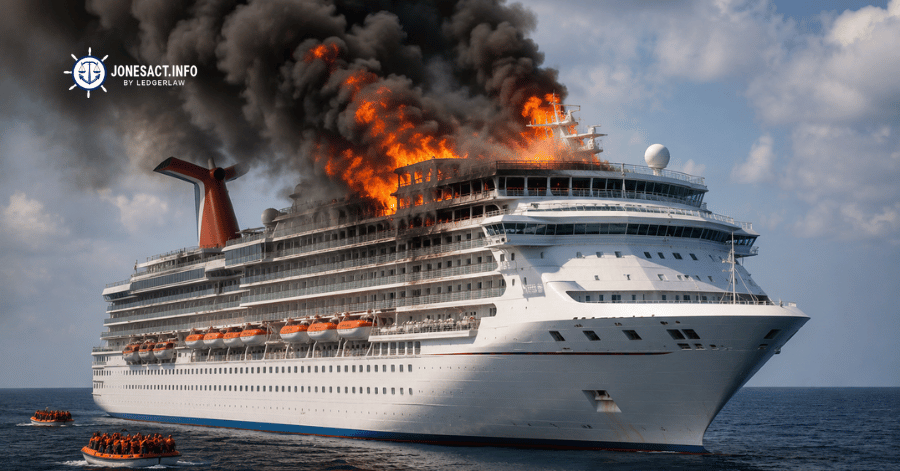
The phrase, Cruise Ship on Fire can indicate a massive disaster. However, the reality of the incident was far less dramatic. There was a small, contained fire within a technical area of the ship. The crew managed the fire swiftly without any damage. Nonetheless, it caught the attention of all for being the largest cruise ship on earth.
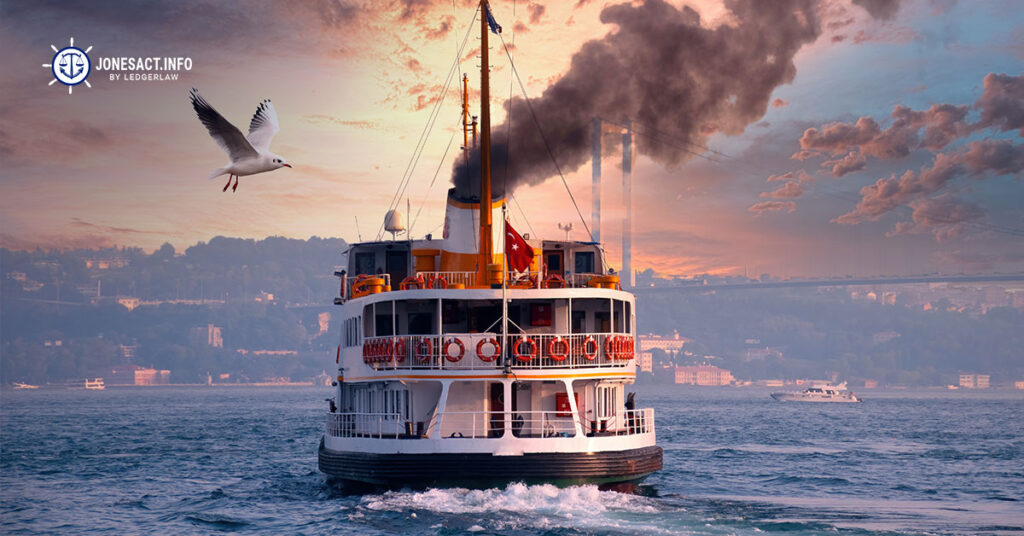
A Detailed Overview of Royal Caribbean Icon of The Seas
The Icon of the Seas was launched in January 2024. And right from the word go, it redefined ocean travel. The cruise ship spans 20 decks and measures 1,198 feet long. It can accommodate approximately 7,600 passengers.
At the same time, it has dedicated 2,350 crew members. The ship weighs 250,800 gross tons. Hence, the cruise ship is often described as a floating city for its gigantic size. It also offers eight distinct neighborhoods, multiple waterparks.
Moreover, its revolutionary dome-like structure made it more famous. Six Wärtsilä engines power the advanced propulsion system. The engines run on Liquefied Natural Gas (LNG), causing less pollution than traditional marine diesel. The luxury cruise ship is equipped with cutting-edge safety systems.
Furthermore, its highly specialized engineering teams ensure the smooth operation of its vast electrical, mechanical, and technical infrastructure. So, it is understandable how crucial the fast response of the crew members was during last year’s fire breakout. Otherwise, it could have endangered the travelers’ lives.
The Largest Cruise Ship on Fire and Temporary Power Loss:
The Icon of the Seas caught fire on June 25, 2024. The ship was sailing on an itinerary in the Caribbean Sea. Initial reports were sensationalized, using phrases like “Icon of the Seas Fire” and “cruise ship catches fire.” So, it made people concerned about the ship and the passengers’ safety.
However, Royal Caribbean soon clarified the matter. It was a local event with a small-scale fire breaking out. Also, the crew members responded to the fire soon after. They contained and extinguished it using the ship’s suppression system. Subsequent investigation also supported this claim and praised the emergency response teams.
The Critical Consequence
There was a temporary power fluctuation or partial power loss. Modern cruise ships, like the Icon of the Seas, rely on multiple generators and electrical systems to power everything. It includes propulsion, lighting, air conditioning, and guest services.
Thus, a fire in a critical machinery space is critical to maintain safety protocols. The crew must isolate the affected area and shut down the specific equipment. It might cause a brief and localized power disruption. And the same thing happened with the cruise ship.
Royal Caribbean confirmed that the event caused a minor power fluctuation. However, the ship maintained its full navigational capabilities. Also, the authority ensured that the ship was never in danger. The temporary power interruption lasted only a few minutes. Also, the backup systems ensured minimal inconvenience to travelers.
Icon Of The Seas Incident Details:
The fire originated in a generator room. The space houses critical components of the vessel’s extensive electrical power generation system. Also, it was a separate space from the ship’s main LNG storage. The primary propulsion area, housing the six massive engines, was far away from the fire.
The crew promptly detected and responded to the fire. So, their quick response prevented the situation from escalating. Most travelers on board didn’t even notice the fire. It means the crew contained the fire within the ship’s engineering sections.
There were no ship-wide emergency signs. Also, guests resumed their daily activities as soon as the crew members resolved the issue and stabilized the power system. The quick response highlights the effectiveness of the ship’s advanced fire detection and suppression systems. These are mandatory under international SOLAS (Safety of Life at Sea) regulations for modern cruise ships.
Icon Of The Seas Engine Fire:
Initial media reports referred to an “Icon of the Seas” engine fire. However, the fire was only a local event that happened in the machinery or generator room. The fire was confined to its electrical generation area.
There was no engine failure or combustion in one of the six main Wärtsilä propulsion engines. The distinction is vital: an isolated generator room fire is serious but manageable. Whereas a failure in a main propulsion engine could affect the ship’s ability to maneuver.
There was a technical issue that caused the fire, but it never spread outside the generator room. Possibly, the following reasons were:
-
Electrical faults
-
Insulation failure
-
Oil leaks near hot surfaces
-
Component overheating
Maritime regulatory bodies conducted a thorough investigation and submitted an internal file. However, it was never disclosed. So, the public is unaware of the actual reason for the fire.
How the Cruise Crews Handled the Situation:
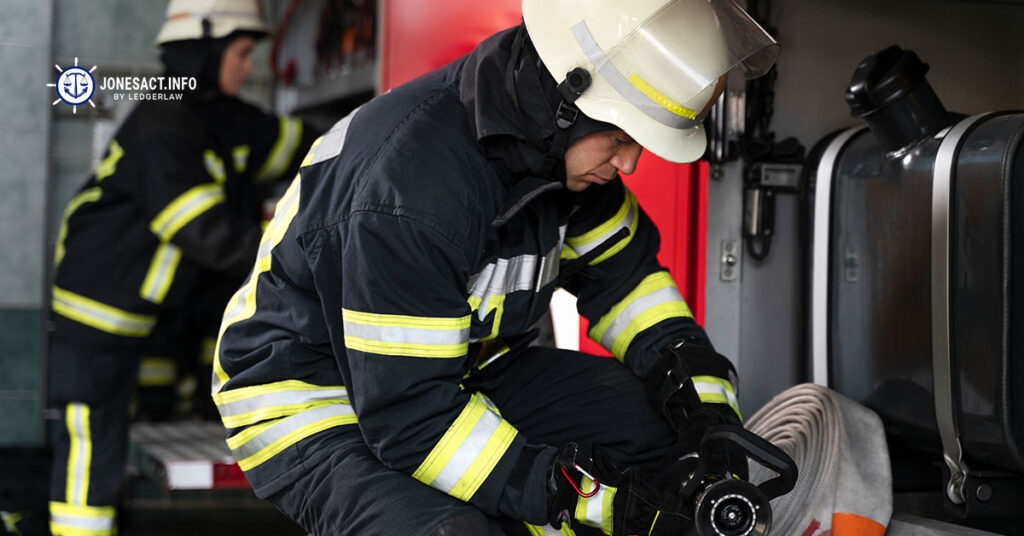
The cruise ship crews were exemplary. Their high-level preparedness and quick emergency response were crucial in handling the situation effectively. The crew immediately activated the emergency response plan upon detecting the fire. It included:
-
Isolation: The crew swiftly isolated the affected machinery space. It helped to contain the fire, smoke, and heat.
-
Suppression: The crew quickly suppressed the fire. They utilized the ship's fixed firefighting systems, including high-pressure water mist or CO2, to distinguish the fire. Also, they used portable equipment to douse the flames.
-
Damage Control and Restoration: Engineers worked rapidly to assess damage. Also, they worked hard to switch power sources and stabilize the ship's electrical grid. As a result, the power loss was for a brief time. Hence, guests felt minimal disturbance.
The crew seamlessly and professionally handled the situation. They ensured the travelers didn’t face extreme difficulty and continued their fun and enjoyment.
Discuss Your Maritime Injury With The Ledger Law Firm
Cruise ship accidents aren’t rare. Like the largest cruise on fire accident, many cruise lines often experience minor accidents. And if you are a traveler on one of those cruise ships and face accidents, you can claim compensation.
Injured crew members are typically classified as “seamen” and are protected under the Jones Act. The federal law allows injured seamen to sue their employers for negligence that caused or contributed to their injuries. The Ledger Law Firm will stand by you.
We handle the following cases for travelers and crew members on cruise ships:
Category | Common Injury Types | Typical Causes |
Falls (Most Common) | Fractures (Ankles, wrists, hips) | Wet or slippery decks |
Sprains and Strains | Unmarked steps, raised thresholds, loose carpeting | |
Head & Spinal Injuries (Concussions, TBIs) | Falls on staircases due to poor lighting, lack of handrails, etc. | |
Illness & Disease | Food Poisoning (Salmonella, E. coli) | Contaminated food, water, and unsanitary food handling |
Viral Outbreaks (Norovirus, COVID-19) | Close quarters, inadequate sanitation of public areas | |
Recreational & Activity | Lacerations & Dislocations | Accidents on water slides, rock climbing walls, or fitness equipment |
Drowning/Near-Drowning | Pool accidents, lack of lifeguard supervision | |
Excursion Injuries (Travelers) | Accidents during shore excursions operated by third-party vendors | |
Assault & Security | Physical Trauma, Psychological Injuries | Physical or sexual assault by a passenger or crew member due to inadequate security |
Crew-Specific Injuries | Back & Repetitive Strain Injuries (RSIs) | Frequent heavy lifting, continuous and repetitive tasks, such as kitchen work, and cleaning |
Burns & Chemical Exposure | Kitchen accidents, engine room malfunctions, chemical spills | |
Medical | Worsened Conditions | Medical negligence or malpractice by the ship’s onboard clinic staff, such as misdiagnosis, delayed treatment, or a lack of proper equipment |
Conclusion:
The largest cruise ship on fire was evidence that no cruise ship is 100% safe on the sea. Icon of the Seas, with its skilled crews and exemplary technique, ensured the fire didn’t spread. So, guests were largely untouched by the fire and enjoyed their travels.
However, not all can be so lucky. So, if you are injured on a cruise ship, The Ledger Law Firm can review your case. Contact us, and we will assess your cruise ship injury case and take the initiative to settle the claim soon.
Related: Cruise Ship Injuries
FAQ
Frequently Asked Questions

The Icon of the Seas primarily sails from its home port of Miami, Florida. It operates on seven-night Eastern and Western Caribbean itineraries year-round.
The vessel can accommodate approximately 7,600 passengers. Also, it carries a dedicated crew of 2,350 members. Thus, the total capacity of the icon of the seas is nearly 10,000 people.
Yes, the Icon of the Seas experienced a small, contained fire on June 25, 2024. It occurred in one of its machinery or generator spaces. The system quickly detected the fire and the crew extinguished it sooner.
The cost of a cruise on the Icon of the Seas depends on its itinerary, season, and cabin type.
Royal Caribbean officially confirmed that no passengers or crew members were injured or died during the fire breakout in the last year.