
Boating Accident Everett WA: 3 Missing Boaters, Possession Sound Shrimping Tragedy & Legal Guide
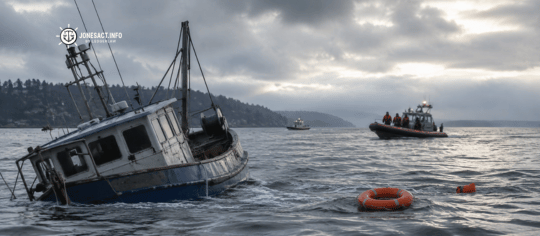
Key Takeaways: On May 21, 2025, a 26-foot shrimp boat sank in Possession Sound near Everett and Mukilteo on a Wednesday afternoon, leaving three missing boaters and one survivor rescued by passing boaters. Two bodies were later recovered from the submerged vessel at 165 feet deep water; a third boater remains missing and is presumed drowned as of the latest local news updates. Everett Police, Everett Fire, the U.S. Coast Guard, and multiple marine units led an extensive search-and-rescue and subsequent recovery effort. Anyone involved in a boating accident in Everett WA should call 911, seek medical help, preserve evidence, and report to law enforcement and the coast guard when required. Victims and families may pursue compensation for wrongful death, medical bills, and other losses with help from an experienced Everett boating accident attorney. A significant boating accident occurred in Possession Sound in May 2025 that shook the Everett community and drew attention across the pacific northwest. What began as an ordinary shrimping expedition on a spring afternoon ended with a sinking vessel, a frantic rescue, and three people unaccounted for beneath the cold waters of Puget Sound. This article provides a comprehensive account of the incident based on current public reports, including what happened to the missing boaters, how the bodies recovered were found, and what the ongoing investigation has revealed. It also covers the legal rights and practical steps available to injured survivors, families of victims, and anyone who may face a similar tragedy on Washington waters. Possession Sound sits between Everett, Mukilteo, and Whidbey Island and is a popular area for recreational boating and shrimping. Boating accidents often result in fatalities due to drowning, and the conditions in these deep, cold waters make survival and recovery extraordinarily difficult. Whether you are following this story in the news, preparing for your own time on the water, or seeking legal guidance after an accident, the sections below will walk you through the facts, the law, and the steps that matter most. Boating Accident Everett WA: Shrimp Boat Sinks in Possession Sound, 3 Missing: Timeline of the Possession Sound Shrimp Boat Sinking: On Wednesday afternoon, May 21, 2025, four people set out shrimping aboard a 26-foot shrimping vessel in Possession Sound near Everett and Mukilteo. The area is commonly used by local shrimpers during the spring season opener, and conditions appeared manageable for an afternoon on the water. A 26-foot shrimping vessel sank on May 21. Around 1 p.m. on that day, the boat began taking on water while the crew was actively shrimping. The situation deteriorated rapidly. Within minutes, the boat sinking scenario became reality, and the vessel went under before a full rescue could be organized. Key details of the timeline: ~1:00 p.m., May 21 – The vessel begins taking on water northeast of Mukilteo, off Everett’s waterfront. Minutes later – The boat submerges. Emergency calls go out. A man in his 50s ends up in the water and is spotted by nearby boaters. Early afternoon – Multiple agencies respond, launching an immediate search across Possession Sound. The exact location was in waters with steep underwater drop-offs, where depths reach well over 100 feet not far from shore. Water temperature in late May in this part of Puget Sound is typically between 50°F and 55°F, cold enough to cause rapid onset hypothermia and significantly limit survival time for anyone without a life jacket or immersion suit. Missing Boaters and Survivor: Who Was on Board? Four people were aboard the vessel that afternoon: Person Age Range Status Boat owner Man in his 60s Recovered (deceased) Owner’s son Man in his 20s Missing, presumed drowned Co-worker Woman in her 40s Recovered (deceased) Fourth passenger Man in his 50s Rescued (survived) Three people were reported missing after the boat sank: the man in his 60s, the man in his 20s, and the woman in her 40s. The man in his 50s was the sole person rescued from the water. Everett police and the coast guard treated the case as a probable drowning event after hours of unsuccessful rescue efforts. The multigenerational nature of the trip, a father and his adult son going out shrimping together alongside friends, underscores the deeply personal loss at the center of this incident. Some details about family relationships and identities have been withheld by authorities out of respect for the families and due to the ongoing investigation. Rescue of the Surviving Boater: After the vessel went under in Possession Sound, the man in his 50s was spotted in the water by passing boaters who acted as a good samaritan crew, pulling him from the cold water. One man in his 50s was rescued and reported uninjured after the incident, though he was evaluated for cold-water exposure. He was transported to shore and then taken to Providence Regional Medical Center in Everett for further medical assessment. Initial reports indicated he did not sustain serious physical injuries, but the psychological trauma of witnessing the boat rescue scenario and losing companions was significant. His account of the events is expected to be crucial for investigators reconstructing what happened in the moments before and during the sinking. Immediate assistance from nearby mariners, including boat rescue efforts by private boaters, often makes the difference between life and death in fast-developing marine emergencies. Multi-Agency Search, Coast Guard Response, and Recovery Efforts: Within minutes of the first emergency call, a rapid deployment of resources flooded the scene. The agencies involved included: Everett police marine unit. Everett fire department (everett fire response teams). U.S. Coast Guard (station seattle and air station port angeles assets). Washington department of Fish and Wildlife officers. Snohomish County marine operations. Search assets included rescue swimmers, dive teams, marine patrol boats, drones, and helicopters sweeping Possession Sound. The coast guard broadcast alerts to all mariners in the area to keep a sharp lookout for debris or missing people in the water and to report sightings immediately. The U.S. Coast Guard suspended its active search on May 21 after determining
Maritime Lawsuit Deadline for Unsecured Cargo Crash Accidents
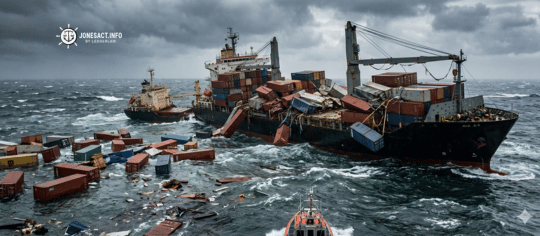
Key Takeaways: Most maritime unsecured cargo crash and debris impact claims must be filed within three years under federal law, but some deadlines are as short as 30 days for notice or one year for filing. The legal clock usually starts on the date the cargo crash occurred or the date the injury occurred and was reasonably discovered. Different deadlines apply depending on whether the claim falls under the Jones Act, unseaworthiness, DOHSA, LHWCA, or OCSLA, and these laws can overlap in a single cargo accident. Multiple liable parties may share fault, including vessel owners, cargo loaders, stevedoring companies, equipment manufacturers, and non-maritime third parties like trucking companies and a freight broker. Delaying action risks losing most critical evidence and permanently forfeiting your right to pursue compensation, so contact an accident lawyer for a free consultation immediately. This article uses concrete dates, examples, and timelines so readers can quickly understand their legal options and legal limits after a maritime cargo crash. Maritime Lawsuit Deadline for Unsecured Cargo Crash Accidents: An unsecured maritime cargo crash occurs when improperly secured containers, deck loads, or cargo gear break loose, fall, or shift aboard a vessel or at a dock, causing debris impact, personal injury, or death. Unsecured cargo crashes happen aboard container ships, barges, oil platforms, and during port loading operations. Cargo accidents can result in traumatic brain injuries and paralysis, and falling cargo can cause severe vehicle damage and injuries to anyone in the impact zone. The statute of limitations for maritime lawsuits generally falls under three years, but the actual deadline depends on who you are, where the injury occurred, and which statute applies. Missing the lawsuit deadline permanently bars recovery of damages, regardless of how strong your evidence may be. The sections below break down every major deadline by claim type so you can act before time runs out. What Counts as an Unsecured Maritime Cargo Crash? Unsecured maritime cargo crashes include a wide range of incidents where cargo securement fails at sea or in port: Falling cargo from container ship decks during heavy seas. Cargo shifts inside vessel holds due to improper stowage or overloaded vehicles. Loose deck cargo on barges striking crew members. Debris impact from cranes, spreader bars, or cargo gear during loading and unloading. Falling objects from elevated container stacks onto longshore workers below. On land, similar cargo securement concepts apply to commercial trucks and dump trucks hauling freight along interstate highways, but different legal regimes control at sea. Over 200,000 unsecured cargo crashes occurred from 2011 to 2014, and unsecured cargo caused 715 deaths and 16,595 injuries in one year. Cargo must be secured to prevent shifting or falling during transport, whether aboard a vessel or a motor carrier on the highway. These numbers demonstrate why accidents happen far more often than most people assume. General Three-Year Maritime Tort Deadline (46 U.S.C. § 30106): Under General Maritime Law, personal injury claims generally have a three-year statute of limitations. This uniform federal rule under 46 U.S.C. § 30106 applies to negligence, unseaworthiness, and most debris impact claims involving unsecured cargo on navigable waters. It applies regardless of which U.S. state the vessel was in because it is a federal maritime rule, not a state personal injury deadline. Key exceptions to keep in mind: Claims against U.S. government vessels carry a shorter two-year limit. OCSLA claims on offshore platforms may borrow state deadlines as short as one year. Contractual time limits in tickets or bills of lading can override the three-year period. When the Maritime Statute of Limitations Clock Starts Running: For most unsecured cargo crashes, the three-year clock starts on the calendar date of the accident. For example, if a container falls and crushes a seaman on September 6, 2026, the deadline to file is September 6, 2029. The statute of limitations may not start until the injured party discovers their injury. This discovery rule applies in latent injury scenarios, such as when exposure to hazardous materials in cargo causes symptoms months later. Courts may also delay the start date when an employer conceals conditions, but these exceptions are narrow. Do not assume you will receive extra time. If your injury occurred more than two years ago, treat your case as urgent. Shorter Deadlines When the U.S. Government Is a Liable Party: If the vessel is owned by the U.S. government, the filing deadline for claims is typically two years. This applies when unsecured cargo or debris impact involves a U.S. Navy, Coast Guard, or other government vessel, governed by the Suits in Admiralty Act or Public Vessels Act. The two-year deadline is strictly enforced. Administrative claim steps may be required before filing suit. Missing the two-year window can completely bar the claim. If a government contractor was involved, treat the deadline as two years at most. How Contractual Time Limits Can Shorten Your Cargo Claim: Passenger tickets, cargo bills of lading, and carriage contracts often contain very short time limits. Cruise ship passenger claims often have a reduced filing timeframe of one year, and some require written notice within six months. Lawsuits against ocean carriers for cargo damage must be filed within one year under COGSA. Written notice of claims for hidden damages under COGSA must be submitted within 3 days of delivery. For example, a cruise passenger injured by falling luggage containers from a crane during embarkation could face a one-year contractual deadline, even though the federal statute allows three years. The shorter period usually controls. Save all tickets, booking confirmations, and shipping documents, and let an attorney review them promptly for hidden time bars. The carrier’s insurer will enforce these provisions aggressively. Why Delays Are Especially Dangerous in Unsecured Cargo Crash Cases: Evidence in cargo crash cases disappears quickly after an accident. Victims of maritime accidents must preserve evidence immediately after an incident because cargo, securing gear, and logbooks are often repaired, moved, or discarded shortly after an unsecured cargo crash. Vessel owners and the insurance company often conduct internal investigations without
Death on the High Seas Act (DOHSA): Rights, Limits, and What Families Should Know
Key Takeaways: DOHSA applies to wrongful death beyond three nautical miles from the U.S. coastline, or beyond twelve nautical miles for commercial aviation. DOHSA is strictly triggered by the geographical location where the fatal injury occurs. Eligible family members usually recover only pecuniary damages, such as lost wages, financial support, medical expenses, and funeral expenses. Decedent’s contributory negligence can reduce, but not eliminate, the financial remedy. Lawsuits filed under the Death on the High Seas Act (DOHSA) are subject to a three-year statute of limitations from the date of the death. DOHSA often becomes the exclusive remedy and preempts many state law and general maritime law claims. Experienced counsel is critical because fault requires careful examination in dohsa lawsuits. Offshore deaths are handled differently from ordinary wrongful death cases. A rig explosion, commercial fishing vessel sinking, cruise passenger overboard incident, helicopter crash to a platform, or fatal aircraft crash over water can trigger the death on the high seas act instead of ordinary state law. The Death on the High Seas Act (DOHSA) is a federal US maritime statute codified under 46 U.S.C. §§ 30301–30308 that provides a legal framework for families to seek financial recovery when a loved one dies due to a wrongful act, negligence, or unseaworthiness in international waters. DOHSA was enacted in 1920 to provide a uniform legal remedy for wrongful death cases occurring on the high seas, following increased awareness of maritime deaths after the Titanic disaster. What Does DOHSA Mean in Maritime Law? In maritime law, DOHSA is a federal wrongful death statute for deaths occurring on the high seas. The Death on the High Seas Act (DOHSA) is a federal law that provides a legal remedy for wrongful death cases occurring beyond three nautical miles from the United States coastline. If a death occurs within 3 nautical miles, DOHSA does not apply, and state wrongful death laws or general maritime law govern the case. For maritime incidents, high seas means waters beyond three nautical miles from shore. In commercial aviation death cases, DOHSA applies only to accidents beyond twelve miles from U.S. shore, allowing claims under state law for incidents within that distance. DOHSA focuses on providing legal remedy and fair compensation for economic harm, not punishment or emotional loss. That is why the first strategic question is whether DOHSA, the jones act, state law, or another remedy controls. Death on the High Seas Act Explained for Offshore Accident Claims: The phrase death on the high seas act, the high seas act, and the seas act all refer to a statute with strict location, damages, and filing rules. These dohsa rules affect deceased’s surviving family members after cases involving vessels sailing offshore, aircraft accidents, and maritime workers killed far from shore. Scope and When DOHSA Applies: DOHSA applies when death is caused by a wrongful act, neglect, or default occurring beyond three nautical miles from U.S. shores. Under the 2000 amendments, it also covers fatal aircraft crashes involving commercial aviation beyond twelve nautical miles. The location of the wrongful act matters more than where the deceased individual later dies. For example, DOHSA coverage may apply if injuries from a sunken vessel onboard fire, explosion defective equipment, mechanical error failure, or safety procedures failure occur offshore, even if death happens later in a hospital. Examples include: 1. A commercial fishing vessel sinking in international waters. 2. A cruise passenger lost overboard beyond territorial limits. 3. A helicopter crash carrying maritime workers to an offshore rig. 4. A vessel collision where a negligent owner or vessel’s owner caused the fatal event. DOHSA often becomes the exclusive remedy against non-employer defendants for death on the high seas. Who Can Bring a DOHSA Claim? A dohsa compensation claim is filed by the decedent’s personal representative for qualified beneficiaries. DOHSA allows the decedent’s spouse, parent, child, or dependent relative to recover for pecuniary losses sustained due to the death, but does not permit recovery for non-pecuniary damages such as pain and suffering. A dependent parent, other dependent relative, spouse, or child may receive financial proceeds, but the decedent’s estate usually plays the procedural role. One dohsa suit is typically filed, and recovery is allocated based on dependency, financial support, and other financial costs caused by the death. Unlike Jones Act claims, DOHSA does not require the person to be a seaman. Passengers, contractors, and other maritime workers can qualify if dohsa applies. Damages Under DOHSA: Focus on Pecuniary Loss: Under the Death on the High Seas Act (DOHSA), eligible family members can only recover for pecuniary losses, which are financial losses that can be calculated with precision, such as lost wages and funeral expenses. Pecuniary damages may include future lost earnings, household services, funeral costs, funeral expenses loss, and some medical expenses. Damages under DOHSA are typically calculated based on the financial benefits that the beneficiaries might have reasonably expected to receive from the decedent had their life not been terminated, considering factors like age and earning potential. Economists often assist with calculating lost wages, benefits, and financial support counseling needs. Non-Pecuniary Damages and the Aviation Exception: DOHSA does not allow for recovery of non-pecuniary damages, such as pain and suffering or loss of companionship, which are often significant in other wrongful death claims. Standard maritime DOHSA cases also bar non economic damages, suffering damages, and punitive damages; the Supreme Court confirmed this limit in Mobil Oil Corp. v. Higginbotham. The 2000 amendments to DOHSA allow claimants in commercial aviation cases to recover non-pecuniary damages for loss of care, comfort, and companionship, although pre-death pain and suffering remains non-recoverable. This exception does not let maritime claimants recover non pecuniary damages, which remains controversial. Decedent’s Contributory Negligence and Comparative Fault: If the deceased was partly at fault for the incident leading to their death, contributory negligence can reduce the financial remedy awarded to the family under DOHSA. The defendant must prove decedent’s contributory negligence and show that it helped cause the death. Examples include failure to wear a
10 Worst Oil Rig Accidents in US History
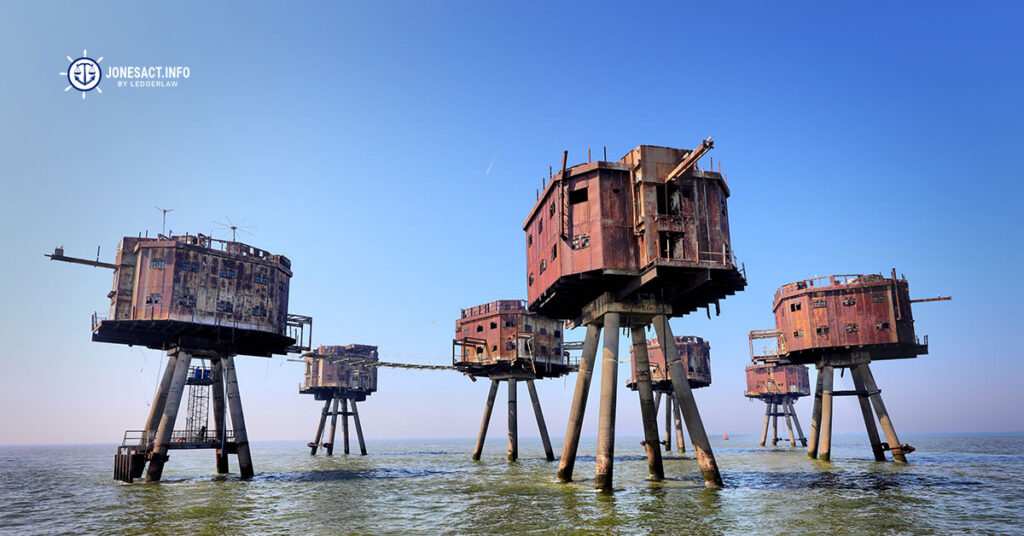
Key Takeaways: US oil rig accidents have caused mass casualties, environmental harm, and sweeping offshore drilling reforms over decades. The Deepwater Horizon explosion in the Gulf of Mexico remains the most devastating US offshore drilling disaster ever recorded. Several incidents, including Lake Peigneur and Vermilion Block 380, involved natural gas leaks and blowouts rather than crude oil spills. Many victims and families sought compensation through maritime law, the Jones Act, and related offshore injury claims. Offshore oil rigs are massive engineering structures designed to extract hydrocarbons from reservoirs thousands of feet beneath the ocean floor. Offshore workers in the oil and gas industry face unique hazards daily—high-pressure wells exceeding 15,000 psi, volatile natural gas compositions, and remote locations often 100 miles offshore where rescue times stretch to hours amid unpredictable weather. Offshore drilling has been shaped by catastrophic failures that triggered radical shifts in federal oversight and industry standards. In 1969, an oil production platform experienced a blowout off the coast of Santa Barbara, releasing over four million gallons of oil into the ocean. This incident led to significant environmental harm and contributed to the establishment of the Environmental Protection Agency and the Clean Water Act. The National Environmental Policy Act was directly inspired by a major oil spill that galvanized the modern environmental movement. Blowouts, explosions, and fires remain common causes of deadly oil rig disasters. Accidents in the oil industry have historically reshaped safety regulations, leading to a shift from simple checklists to comprehensive Safety Management Systems. The industry has moved toward “Safety Case” regulations requiring operators to identify hazards and prove they have mitigation measures in place. For context, the Piper Alpha disaster on July 6, 1988, in the North Sea is the deadliest offshore oil disaster in history, claiming 167 lives. This article covers 10 of the worst offshore accidents based on loss of life, serious injuries, and legal consequences. Understanding these events helps improve safety standards and informs injured workers about their legal options. 10 Devastating Oil Rig Accidents in United States 1. Deepwater Horizon Explosion: On April 20, 2010, the Transocean-owned Deepwater Horizon drilling rig suffered a catastrophic blowout while drilling the Macondo well about 41 miles off Louisiana in the Gulf of Mexico. High-pressure hydrocarbons escaped when cement plugs failed to isolate the well, permitting a methane-rich gas influx that overwhelmed the blowout preventer. The massive explosion and resulting fire engulfed the rig, which capsized and sank two days later. The Deepwater Horizon disaster resulted in the largest offshore oil spill in US history. Four million barrels of oil flowed from the damaged well over 87 days, according to the U.S. Environmental Protection Agency, causing extensive environmental damage. In the aftermath, BP faced record-setting settlements and fines, marking some of the largest environmental penalties ever imposed in the United States. Improved testing and verification procedures for well cement jobs are now recognized as essential to prevent gas from migrating into the wellbore. The disaster occurred when oil began flowing uncontrollably from the ocean floor, devastating 1,100 miles of Louisiana marsh and killing hundreds of thousands of birds. Deepwater Horizon Explosion Injuries & Fatalities: The Deepwater Horizon explosion on April 20, 2010, resulted in 11 fatalities. Out of 126 crew members aboard, 17 suffered serious injuries including severe burns, blast trauma, and smoke inhalation. The chaotic nighttime evacuation saw 99 survivors escape via lifeboats amid 80-foot waves. Many injured crew members later pursued Jones Act and general maritime law claims for medical expenses and lost earnings, with psychological trauma including PTSD affecting 30% of responders. Legal Consequences of the Deepwater Horizon Explosion: Federal investigations found BP grossly negligent under the Clean Water Act. Following the Deepwater Horizon explosion, BP agreed to a civil settlement with the United States and five Gulf states worth $20.8 billion, which the U.S. Department of Justice called the largest settlement with a single entity in its history. BP also agreed to pay $4 billion in criminal fines and penalties, according to the Department. Transocean agreed to pay $1.4 billion in civil and criminal fines and penalties, the Department said, and Halliburton reported a settlement of approximately $1.1 billion with plaintiffs. The Bureau of Safety and Environmental Enforcement was created to separate safety oversight from leasing revenue and mandated stricter blowout preventer inspections. The establishment of BSEE replaced the old Minerals Management Service to provide stricter oversight of offshore operations. Following the Deepwater Horizon explosion in 2010, new safety regulations were implemented, including stricter blowout preventer standards and improved emergency response protocols. 2. Lake Peigneur Blowout: On November 20, 1980, a Texaco-contracted drilling rig operating under Lake Peigneur in Louisiana accidentally punctured the roof of an active salt mine. The mistake triggered a massive whirlpool that swallowed the drilling rig, eleven barges, trees, and large sections of shoreline. The Delcambre Canal temporarily reversed flow as Gulf water rushed into the collapsing lake and mine caverns, creating one of the most visually catastrophic disasters in US drilling history. This incident occurred during exploratory gas drilling rather than crude oil extraction. The lake’s depth changed from 3 feet to over 1,300 feet in places, and salinity tripled, devastating freshwater fisheries. Lake Peigneur Blowout Injuries & Fatalities: The Lake Peigneur blowout on November 20, 1980, created a massive whirlpool that swallowed a drilling rig and eleven barges, but remarkably, all 55 workers escaped unharmed. All 50 underground miners also surfaced safely via elevators. Quick evacuation and alarms allowed offshore workers and miners to flee as the sinkhole expanded, with only minor injuries and emotional trauma reported. Legal Consequences of the Lake Peigneur Blowout: In the aftermath of the Lake Peigneur Blowout, lawsuits over the damage followed, and the incident led to regulatory changes for geological surveys to prevent similar accidents. The accident led to stricter subsurface mapping requirements and coordination protocols between drillers and mining operations. 3. C.P. Baker Drilling Barge Explosion (1964): On June 30, 1964, the C.P. Baker drilling barge in the Gulf of Mexico suffered a sudden gas blowout
What Is The Amount Of Fees In Maritime Case Injured On Job | Contact Maritime Attorneys
Key Takeaways: Most Jones Act and maritime injury cases use contingency fees of about 33.3% to 40% of the financial compensation recovered. “No win, no fee” usually means no attorney’s fee is owed without a settlement or verdict, but case costs depend on the written agreement. Maritime law is specialized, so fees can be higher than in a routine car crash or workers compensation claim. A fee agreement should explain whether filing fees, experts, court costs, and deposition costs are separate from contingency fees. Do not choose a maritime injury attorney based only on price; experience with Jones Act claims in state or federal court matters. A free case evaluation lets injured maritime workers ask about legal fees, timelines, and likely case value before hiring a law firm. When you are injured on the job offshore, on a vessel, or at a dock, bills can arrive before answers do. Maritime workers may face lost wages, medical treatment delays, medical bills, and rules that are different from ordinary workers compensation. This guide explains the amount of fees in maritime cases injured on job situations, including how contingency fees work, what costs may be deducted, and what happens if a maritime injury claim is lost. Briefly Explain – What Is The Amount Of Fees In Maritime Case Injured On Job? Most maritime attorneys work on a contingency fee basis, meaning the lawyer is paid only if the injury claim produces money. Maritime cases typically carry a 33.3% to 40% contingency fee, which is higher than standard onshore personal injury claims that usually charge a 33.3% fee. A Jones act claim may start near 33 1⁄3% if it resolves early. The percentage may rise to around 40% if the maritime injury cases require filing suit, discovery, expert testimony, or trial in federal court. Some agreements increase again for appeals, so read the contract carefully. Most injury attorneys do not charge retainers or hourly fees to injured seamen who cannot pay upfront. For example, in a $600,000 offshore back injury settlement, a 40% fee equals $240,000 before case costs and liens are handled. Understanding Common Fee Structures in Maritime Law: Fee structures vary, but injured maritime workers usually see these options: Contingency fee arrangements: The dominant model for a maritime injury lawyer. No fee is charged unless the lawyer helps recover compensation. Hourly billing: More common for a vessel owner, insurer, or maritime industry company than for injured seamen. Flat fees: Rare for a serious maritime personal injury lawyer handling a Jones Act case. Hybrid fees: A reduced hourly rate plus a smaller contingency may exist, but it is uncommon in maritime injury claims. Access-to-justice benefit: Contingency fees allow an injured worker to get legal representation even after catastrophic injuries, an offshore accident, or an oil rig explosion. What Maritime Attorneys Do for the Fee: A maritime attorney does more than send a demand letter. The legal team investigates the maritime accident, preserves vessel logs and electronic data, interviews crew, and works with experts. Key work often includes: Filing pleadings in state or federal court under admiralty law and federal law. Handling discovery, motions, depositions, and settlement negotiations. Building a negligence claim by showing unsafe conditions or employer fault. Evaluating medical expenses, lost wages, pain and suffering damages, and future care. Working with marine safety experts, physicians, and vocational rehabilitation specialists. Advising injury victims whether a fair settlement truly provides fair compensation. “No Win, No Fee” in Maritime Injury Cases: “No win, no fee” means that if the maritime injury attorney recovers no money, no attorney’s fee is owed. Maritime attorneys typically work on a contingency fee basis and usually take around 40% of the final recovery when the case is successful. Many firms advance filing fees, expert witness fees, deposition transcripts, travel, and other court costs. Unlike hourly attorneys, maritime attorneys advance all case costs, which may include expenses for expert witnesses and other necessary resources, absorbing these costs if the case is unsuccessful when the contract says so. Other contracts require reimbursement even after a loss, so ask before signing. Why Maritime Law Fees Are Often Higher Than Other Injury Cases: In maritime injury cases, legal fees operate under distinct rules compared to standard personal injury or onshore workers’ compensation claims. Maritime attorney fees are generally higher than those for car accident cases due to the complexity of maritime law, which involves federal statutes and detailed knowledge. A Jones Act case may involve seaman status, unseaworthiness, maintenance and cure, and third-party liability. The Jones Act, officially known as the Merchant Marine Act of 1920, allows injured seamen to sue their employers for personal injury damages resulting from negligence. The Jones Act provides a lower burden of proof for injured workers compared to traditional personal injury law, requiring only that the employer’s negligence played some part in causing the injury. Is It Possible to Hire a Maritime Lawyer for Less Money? Yes, but price should not be the only factor. Some personal injury lawyers advertise lower fees but may lack maritime law trial experience. Net recovery matters more than the lowest percentage. A lower fee is not helpful if the lawyer misses maintenance and cure, unseaworthiness, or future wage loss. Ask about prior Jones Act verdicts, offshore injury settlements, and whether the attorney has handled claims for offshore oil rig workers and other maritime workers. An experienced maritime lawyer may recover damages that a general injury lawyer overlooks. Beware of Escalating or Confusing Fee Agreements: Some contracts use escalating percentages. The fee may be 33⅓% before a lawsuit, 40% after filing, and higher after trial or appeal. Other contracts use one flat percentage whether the maritime claim settles early or after a federal court trial. Ask for examples in dollars. If a lawyer cannot explain the fee, costs, and likely deductions in plain English, slow down. Keep a signed copy and review it before accepting any settlement. Know What You Owe Before Accepting a Settlement: From the gross settlement, deductions usually include
A Detailed Overview On Maritime Accident Claims | Claim Types | Who Is Covered & Can File Accident Claims
Key Takeaways Maritime shipping happens to be one of the most dangerous industries in the world. There are many types of marine accidents. They range from the trivial (slight damage to a ship on the water) to severe (think multiple deaths and a sunken ship). Marine casualties are up. Ship losses are down. But ship damage is on the rise. Accidents can happen anywhere. The park. Your home. At the office. But accidents at sea can be more dangerous than ones on land. Maritime workers are the most common victims. Which stands to reason. They work on slippery surfaces. With heavy-duty machinery. Managing heavy cargo. But travelers can be affected too. A slip and fall accident can break a bone or even cause a concussion. A fall overboard can be fatal. What Is Considered a Maritime Accident? The UN Office for Disaster Risk Reduction says that a maritime accident that: Injures or kills someone. Damages one or more ships on the water. Environmental damage caused by an incident involving one or more ships on the water. Common Causes and Scenarios of Maritime Accidents: Lacey walks around on the deck after a storm. She slips. She breaks her ankle. And has a mild concussion. The captain forgets to check the weather forecast. Sails into a storm. The ship runs aground. Dock workers don’t load barrels with toxic chemicals carefully. One cracks during the trip. Chemicals leak out. Nearby sailors incur chemical burns and other injuries. Maritime Law and Your Rights For Maritime Accident Claims: Maritime law gives you the right to sue over an accident. But you have to know: Which laws apply to your situation. What types of compensation you can claim. Who to sue? How to sue. Then you need to understand how these cases work their way through the legal system. 4 Maritime Accident Claim Types: There are four main types of claims: Jones Act claims. Maintenance and Cure claims. Vessel Unseaworthiness claims. Negligence claims. All these claims fall under at least one of these categories. Jones Act Claim: Are you: A maritime worker who’s been hurt or gotten sick while the boat is sailing? An oil rig worker who’s been hurt or gotten sick on the rig? Is your injury or sickness someone else’s fault (or at least partly someone else’s fault)? If you answered yes to any of these questions, you can file a Jones Act claim. Your Rights Under Maintenance and Cure Claims: Did you get sick or hurt at sea? If so, your employer is legally required to pay for: Your medical care. Food. Lodging. It doesn’t matter how you got hurt. Or who’s to blame. Your employer is legally required to cover your claim. But disagreements might come up over: How much needs to be paid. How long you need maintenance/cure payments. Understanding Vessel Unseaworthiness Claim in Maritime Law: The law says maritime companies have to make sure their vessels are safe for sailing. All. The. Time. You can file an unseaworthiness claim over: Lack of maintenance. Improper maintenance. Defective equipment. Lack of proper safety gear. Untrained staff. Negligence Claim: Seamen who want to claim negligence can file a claim under the Jones Act. Ship passengers can file a negligence claim against responsible parties. Did you get hurt? Sick? You can file a negligence claim if someone else is to blame for your suffering. Who Is Covered Under Maritime Law? Maritime law doesn’t cover everyone who works in the maritime industry. Understanding Longshore and Harbor Workers Compensation Act This act covers people who work with, near, or on docked ships. Such people include: Longshore workers. Harbor construction workers. Ship builders. Ship breakers. People who happen to be working on a ship at the time the injury happened. On top of that, to qualify for coverage, you have to show your accident happened in one of the following places: On navigable waters. On a pier, dock, terminal or wharf. At a place used for loading or unloading a ship. Who Qualifies as a Seaman Under the Jones Act: Seamen are covered under the Jones Act. But only if they work at least 30% of the time on: A sailing boat. An oil rig in the ocean. You also have to work in a job that plays an integral role in the ship’s or rig’s operations. What Financial Compensation Can I Receive in a Maritime Injury Lawsuit? Medical bills. Lost Wages. Pain and suffering. Emotional suffering. Wrongful death (if you lost a loved one). But you’ll need evidence: Photos/videos. Witness testimony. Medical bills. Expert witness testimony. Who Can File a Maritime Injury Claim? Anyone who’s been hurt or gotten sick at sea. If they have evidence proving fault. The only question is which law the claim can be filed under. Only seamen can file a maintenance and cure claim or a Jones Act claim. Only people working at a port, dock, wharf, or similar location can file a claim under the Longshore and Harbor Workers Compensation Act. Other injured parties can file a negligence claim. Statute of Limitations for Maritime Injury Claims: You have three years to file your claim. The clock starts ticking from the day your injury happened. But in some cases, it can start from the day you discovered the injury. If you try to file a case after the Statute of Limitations has run out, it’ll be automatically dismissed. Even if you have clear, strong evidence on your side. Conclusion: Accidents happen. Sometimes no-one is to blame. In other cases, one or more people or entities are responsible for at least some of your suffering. Maritime law allows you to file a claim. But the type of claim you file will depend on your employment status and where the accident happened. Claims can be complicated. And you can be sure the other side will be lawyered up. So hire a maritime accident lawyer who’s familiar with your case type if you’re considering a lawsuit. A good lawyer can: Tell you
How To Sue For Maritime Injury In Seattle | Common Maritime Injuries and Claims | Why do People Sue
Key Takeaways: Almost 2,700 maritime casualties happened in 2023 alone. 743 of these casualties were serious. And 45 were very serious. 75 investigations were launched. Workers injured at sea can claim compensation, but not under regular liability laws. Maritime law governs injuries that happen at sea. Working at sea is dangerous. Even if you’re not in an active war zone. Or the middle of a storm. Common dangers include: Drowning/almost drowning. Broken bones. Burns. Exposure to hazardous materials. Injuries from repetitive strain. An Overview On Maritime Law: Maritime laws are laws governing what happens on the open sea. It also governs what happens if a maritime worker has an accident at sea and one or more parties are to blame. The Jones Act: The Jones Act allows those working at sea to sue employers and/or other responsible parties in the event of a mishap. However, this law only applies if: The accident occurred while the boat was sailing. The person has a substantial, long-term connection to the vessel. The accident happened on an oil rig in the ocean. Longshore and Harbor Workers’ Compensation Act: Have you been hurt while working: On navigable waters in the United States? On a pier? At a dock, terminal, or wharf? Outlines the rights of people traveling on covered waterways. If so, the LHWCA applies to you. Like the Jones Act, it allows you to sue for mishaps that occur while working close to a vessel. If the injury happened when working on or close to a ship, or doing work related to a ship. A secretary who works at an office near the shore and has a slip-and-fall accident is covered by workers compensation insurance. General Maritime Law: General maritime law defines where to sue if you’re hurt at sea. It says that: International waters? That depends on your ship’s flag. But U.S. citizens with foreign employers might still be able to file a case under the Jones Act. Not a U.S. citizen? You can sue under the Jones Act if you’re working on a ship owned by a U.S. company or flying a U.S. flag. What Are The Common Maritime Accidents & Injuries in Seattle? The shipping industry isn’t a safe one. Accidents happen. A lot. Slips, Trips, and Falls: Slips, trips, and falls can happen anywhere. But working on wet surfaces makes them even more likely. Machinery & Equipment Accidents: Operator mistakes are common. The operator could be untrained, make a mistake, or show up to work plastered. Machinery can malfunction. Especially if it hasn’t been properly maintained Lifting equipment (such as cranes) can accidently snag the wrong thing (or person). Overboard & Drowning Incidents: If you fall overboard while working on a boat? It might go unnoticed. But even if someone saw and came to help, you could still almost drown. Especially in stormy weather. Or if you’re not a good swimmer. Chemical & Burn Injuries: Chemical and burn injuries are common among maritime workers: You could get burned handling hot equipment or touching hot surfaces. If you’re on a ship built before 1980, the odds are it was made with asbestos. And you’ll probably breathe plenty of it in your cramped quarters. If you work on an oil rig or tanker, there is a high risk of breathing in benzene. It’s a chemical used for maintenance and tank cleaning. You could get a “cold burn” working in refrigerated areas or if refrigerated gasses get loose. Repetitive Strain & Musculoskeletal Injuries: Ship work is repetitive. Lift. Carry. Move. Repeat. It’s easy to suffer repetitive strain injuries and musculoskeletal injuries. Especially if your employer isn’t giving you the right machinery and equipment for doing your job. What to Do Immediately After a Maritime Injury in Seattle? Get to safety. Your life is always the #1 priority. Document what happened if you can. Do you have a phone on you? Film the surroundings. Does someone else nearby have a phone? Ask them to do it too. See who witnessed the accident. You’ll want to ask for their statements later. See the ship’s doctor as soon as you can. See a doctor on land as soon as you can. Get a thorough exam even if you feel fine. Some injuries are asymptomatic for weeks or even months. Talk to your supervisor about what happened and why. If you’re at sea for a long time, keep a diary. It’s evidence. And it can even jog your memory if you forget important details. The Process – How to Sue for Maritime Injury in Seattle: In a liability lawsuit, you have to show that most of the evidence is in your favor. But seamen who file a case under the Jones Act just have to show that the other party was at least partly responsible. Even so, suing for a maritime injury isn’t a walk in the park. You have to do things right or your case will tank. Report Your Accident to a Supervisor: Report the accident to your supervisor right away. This establishes, for the record, that something happened to you. Gather Evidence to Establish Fault: You need evidence to show who’s at fault. This can include: Photos. Videos. Maintenance records. Witness testimony. Medical records. Expert witness testimony for complicated cases. File Your Accident Report Promptly: File your report right away. There is a time limit and filing too late will cost you compensation even if you have strong evidence. Determine Liability After a Boating Accident in Seattle: Find out who’s at fault. It could be: Another maritime worker. Your supervisor. The company that made the machinery on your boat. The company that loaded or packed the cargo on your ship. The mechanic who’s supposed to maintain the machinery on your ship. Your ship’s captain. There’s often more than one party at fault. Make sure you list them all. Seek Immediate Medical Attention: See a doctor. Immediately. Even if it’s just the ship doctor. Make sure the doctor lists all injuries and gives a
What Are Maritime Salvage Rights | Common Injuries | Marine Salvage Law
Key Takeaways: Applies to Everything on the Water: International cargo routes, injury claims, pollution cleanup, and more. Maritime law touches every vessel and everybody on navigable waters. Built-In Protections for Workers: The Jones Act and LHWCA give injured maritime workers legal and financial safeguards. Keeps Global Trade Moving: International shipping runs on time thanks to the legal framework. Saves lives: Navigation rules, vessel inspections, safety requirements. All exist to stop collisions and onboard accidents from happening. National Defense: Keep the U.S. domestic fleet strong, gives federal agencies the legal teeth to patrol and secure American waters. If you voluntarily rescue a ship, cargo, or other items that are in danger at sea, you may be entitled to compensation. In short, if a vessel is sinking and you bring it to safety, or recover cargo someone has lost, the law says you have a right to payment. This is called a salvage award. The maritime law of salvage is in place because rescuing stuff at sea is risky and expensive. This legal entitlement encourages salvaging. In other words, it helps valuable property not be lost. The team at The Ledger Law Firm can help you file a claim and figure out what you’re owed. What Is Salvage in Maritime Law and Maritime Salvage Rights? Maritime salvage reward is the compensation you’re allowed to get for rescuing property that’s at risk. Specifically, if you’re a person who’s not legally obligated to put yourself at risk or expensive to do so. In Fine v. Rockwood, 895 F. Supp. 306 (S.D. Fl. 1995), the courts aid it’s a bounty granted under public policy that encourages rescue at sea. Salvage bounties date back for centuries, to the edicts of Rhodes and the Roman Digest of Justinian. But in our century, maritime laws set in place by the Salvage Convention of 1989 govern salvaging. This convention replaced the Brussels Convention on Assistance and Salvage at Sea. Real-World Scenarios of Maritime Salvage: Here’s one example. Say a commercial fishing boat loses engine power when they’re in the middle of a mega-storm. Another boat nearby sees the struggle and hooks a towline to it. Then tows it to port. The crew on the rescuing boat has a valid salvage claim. Or for example, a cargo ship runs aground in a shipping channel, and there’s tons of valuable merchandise on board. A tugboat can deploy equipment that can refloat that boat that’s in trouble so it doesn’t break apart. The tug company can get compensation. Salvage Agreements Role: There are professional salvage operations that run on contracts. Formal agreements that spell out exactly who does what and who gets paid, along with what happens if something ends up going sideways. These two most common ones: Lloyd’s Open Form (LOF): The standard international salvage contract, operates on a “no cure, no pay” basis. Meaning the person or company salvaging only collects if the operation actually saves the property. Disputes are sent to arbitration. SCOPIC (Special Compensation P&I Club Clause): Supplemental clause added to the LOF. It guarantees you’ll get compensated even if the operation fails. Example of this: trying to prevent environmental damage from an oil spill. The “no cure, no pay” principle is from the 1910 Brussels Convention. It worked for decades, but had a major issue. If a salvor actually prevents something like a huge oil spill by towing away a tanker that’s been damaged, but failed to save the actual ship, they got nothing. So they brought in the 1989 Salvage Convention. It created “enhanced salvage awards” and “special compensation” for salvagers who were making honest efforts to try to save the environment. These these agreements do: “No Cure, No Pay”: Performance-based system. You only collect when you successfully save a vessel or cargo. Rapid Response with no Red Tape: The LOF is standardized. This means salvors can get to work immediately during life-threatening emergencies. No wasting time negotiating complicated terms. Guaranteed Lien on Saved Property: You hold a maritime lien. A legal claim to the rescued property, stays in place until the saved party pays. Environmental Incentives: More modern agreements reward salvors who prevent pollution. Even when they can’t save the ship. This was a direct response to more oil spills from tankers becoming damaged. Structured Compensation Process: Arbitration determines the award amount. They look at things like the difficulty of the operation or the value of what they saved. Also, environmental factors. How Maritime Law Calculates Salvage Awards? There’s not a fixed formula. Usually, maritime salvage awards range anywhere between 10 to 25 percent of the total value of the property the salvagers save. Extreme cases sometimes go higher. Here’s what comes into play: Labor and time the rescue cost. How much skill and expertise was needed. Recovered property value. How dangerous the salvage mission was. How close it came to total loss. The steps needed to prevent damage to the environment. Common Injuries of Maritime Salvage: In salvage work, people are often in confined spaces and exposed to toxic fumes. Plus they’re on unstable structures. And often, lethal weather. Lots of things can go south quickly. Machinery failure, fires, explosions, falls and injuries. And all this happens in long hours of intense physical work. Which means exhaustion and loss of focus. Some of the injuries we see most often: Slips, trips, falls: It can be a broken limb, or something like a spinal injury or traumatic brain injuries. Crush injuries and amputations: Things can crash into workers. Winches, chains, crane loads, shifting wreckage. All these can trap or even sever arms and legs. Burns and chemical exposure: Fires, explosions, chemical leaks from damaged vessels cause thermal burns and damage to the throat and lungs. Drowning and hypothermia: Drowning, plus cold-water shock. Repetitive strain: Prolonged intense labor breaks down the body. Back, neck, legs, arms, shoulders, etc… Questions About Marine Salvage? The Ledger Law Firm can review a maritime claim and tell you whether it can help. It’s not something we do on the
Ammonia Leak On A Boat | Ammonia Leak Injuries | Damages, Laws And Statutes
Key Takeaways Maritime law governs all activities taking place on the water, e.g., injured crew members, global trade and environmental effects. The Longshore and Harbor Workers’ Compensation Act (LHWCA) offers no-fault coverage for harbor workers and longshoremen injured while working in maritime industries, while the Jones Act covers injured workers due to negligence at sea. Both are essential for our global shipping industry and create safe and stable legal pathways to justice. They prioritize worker safety with navigation and safety rules that also protect passengers and vessels from harm at sea. These sets of laws also enhance national security by maintaining a strong defensive fleet while authorizing federal agencies to enforce their laws. Ammonia is a toxic substance used in refrigeration systems on fishing vessels and cargo ships. Ammonia leak on a boat is one of the most serious incidents in the maritime environment. It often leads to severe injuries and complex legal challenges. It can create respiratory damage, chemical burns, and long-term health complications too. So, it needs immediate response and proper safety measures. Here, in the writing, we will discuss ammonia, injuries, damages, laws and status related to its leaks and so on. What is Ammonia and Ammonia Leak On A Boat? Ammonia is a volatile inorganic compound that is frequently used in the refrigeration systems on commercial fishing vessels. This toxic gas is both effective and inexpensive. Problems occur if a leak occurs in the refrigeration system due to improper maintenance, accidents and equipment failures. Leaks expose crews to serious health risks, and consequences of an ammonia release on a ship can also include damaging environmental hazards. 10 Types Of Ammonia Leak Injuries on Ships and Fishing Boats: While most people understand that ammonia exposures can be deadly, they may not realize the myriad ways that ammonia can adversely affect those exposed to it. Below are some of the health risks of ammonia leaks aboard sea-faring vessels. Respiratory irritation: Burning throats, coughing, respiratory distress and permanent lung damage can arise from an ammonia leak exposure. The longer the exposure, the worse the symptoms. Skin chemical burns: Highly corrosive liquid ammonia causes permanent damage to the skin. Immediate damage includes: Redness. Itching. Blisters. Victims may also suffer from scarring, tissue death and chronic skin conditions. Eye burns: Ammonia exposure is an ophthalmic emergency, especially in a remote location at sea. Failure to promptly flush and treat the eyes can cause permanent damage, including loss of sight. Vision damage: Permanent damage to the cornea and other eye structures from an ammonia leak is possible. Fast treatment can mitigate the damage caused by exposure to the toxic chemical. Chemical pneumonitis: Chemical pneumonitis is an acute condition characterized by lung inflammation and other breathing difficulties from inhaling chemical fumes after a toxic leak or release. Throat burns: The irritating properties of ammonia often cause throat burns. Symptoms can manifest in the throat, causing tissue to swell and narrow. Swift treatment can save injured crew members’ lives. Frostbite injuries: As ammonia is a corrosive alkaline gas stored at -28º Fahrenheit, even brief exposures from a leak at sea can lead to liquefaction necrosis of the skin and underlying tissue and other frostbite injuries. Loss of consciousness: Ammonia is toxic to the delicate brain tissue and can cause unconsciousness and other neurological damage, seizures and even death. Someone exposed to toxic levels of ammonia can even appear to have dementia. Asphyxiation: As a corrosive gas in poorly ventilated areas or enclosed spaces, ammonia can asphyxiate its victims. Asphyxia causes hypoxia, a frequently lethal condition. Chronic lung damage: Pulmonary edema, i.e., fluid accumulation in the lungs, is a potentially fatal condition stemming from ammonia leaks on fishing boats. Acute respiratory distress syndrome (ARDS) from chemical burns may return as chronic bronchitis. Damages for Ammonia Leak Injuries: Fishing boat crew injuries from accidental ammonia exposures deserve compensation. Depending on the circumstances of their injuries, exposed crew members may be able to seek damages from the persons or entities deemed liable for the exposure. Loss Of Earnings: One type of economic damage is the lost wages from injured workers being unable to work after an on-the-job accident. This type of damage is easily quantifiable when negotiating for a settlement. Medical Expenses: The other type of economic damage plaintiffs seek to recover is their medical expenses, both past and future. This can be important if the injured party used their private health insurance policy during treatment. Insurers may also file their own claims of subrogation to the defendant(s) for reimbursement. Pain And Suffering: These claims are less quantifiable but frequently enhance settlements. Non-economic damages are calculated using formulas that consider the extent of the damage, its duration and the changed lifestyle of the injured plaintiff, along with other pertinent factors. In some cases, spouses of injured fishermen may even be able to file their own claims for damage. Laws And Statutes Of Ammonia Leak: Those suffering from on-the-job ammonia exposures may wonder what the law says about filing claims for damages. It’s important to understand that these claims are filed under maritime law regulations, which are different from damage claims filed on land. The Jones Act Impact On Ammonia Leak: The Jones Act offers protection and a path to justice for injured maritime workers. Ammonia leak on fishing boat due to an employer’s negligence may qualify injured seamen to pursue additional damages under the Jones Act. The Seaman Manslaughter Statute: The Seaman’s Manslaughter Statute (18 U.S.C. § 1115) holds corporate executives and holding officers criminally responsible for deaths aboard vessels that are linked to misconduct and//or neglect. Those convicted face fines and up to 10 years in prison. OSHA and EPA Guidelines: The Occupational Safety and Health Administration (OSHA) regulates the storage and handling of ammonia. It dictates the design, location, construction, installation, maintenance and operation of ammonia coolant systems. The Environmental Agency (EPA) monitors operators for compliance with environmental laws put in place to protect fishermen at sea from death or debilitation caused by ammonia
How To Choose Maritime Injury Attorney In Seattle | Do I Need It | Why Choose Our Maritime Lawyers

Key Takeaways: Maritime law covers Every Activity on the Water: International trade, personal injury claims, environmental safeguards. Worker Safety Prioritization: Legal rights and financial recovery for maritime workers who are injured. Global Commerce: Provides the consistent legal framework that keeps supply chains moving across oceans. Disaster Prevention: Navigation standards, vessel safety requirements, crew training mandates exist to reduce accidents and keep everyone on board protected. National Security: Enforces security, customs, and immigration laws across U.S. waters and international waterways. If you work on the water in Seattle and get hurt on the job, you’ll need a lawyer who knows all the ins and outs of maritime law. This isn’t the same as a general personal injury attorney. Maritime injury lawyers live and breathe every aspect of federal admiralty law. Including the Jones Act and protections for maritime workers who get injured. Let’s learn more about how to choose a maritime injury attorney in Washington. You can also read about how the firm helps injured maritime workers in Seattle. What Is Maritime Law and a Maritime Injury Attorney? Maritime law governs injuries, disputes, and commerce on water that can be navigated. It’s completely separate from state personal injury laws. Maritime injury attorneys work on injury claims covered under maritime laws like the Jones Act (46 U.S.C. § 30104) and the Longshore and Harbor Workers’ Compensation Act. Do I Need a Maritime Lawyer? If your injury happened when you were working on or near navigable water, your case will usually be under federal maritime law. Here are some examples of times when you may need a maritime injury attorney: Injuries on any of these: vessel, tugboat, barge, cargo ship. Slipping or falling when working at the Port of Seattle. Equipment struck you while you were working on or near navigable water. The vessel your employer provided wasn’t seaworthy and that caused your injury. Longshoremen or dock workers injured during cargo operations. Toxic chemical exposure. Death of a family member that falls under maritime law. Your employer pressures you to accept a quick settlement, or denies maintenance and cure benefits. How To Choose Maritime Injury Attorney In Seattle: Working with the right maritime injury lawyer is one of the most important decisions you’ll make after you’re injured. Maritime Law Experience: Keep in mind that maritime law is completely separate from personal injury law. You need an attorney who has handled Jones Act and Longshore Act claims. Also, maintenance and cure claims. The fact is that a general practice lawyer who just sometimes takes on some maritime cases will almost always miss something a lawyer who handles these cases will catch on day one. Ask attorneys specifically what percentage of their caseload is in maritime cases. Experience and Track Record: The types of cases a maritime injury attorney has handled matters more than how long they’ve been practicing law. Ask them specifically how many maritime injury cases they’ve taken to verdict. And what the settlements looked like. A lawyer with 10 years experience in working Jones Act claims is going to serve you better than one who’s been handling auto accident injuries for 25 years. Lawyer Credentials and Professional Qualifications: The lawyer handling your case should be a member of the Maritime Law Association of the United States.Other good signs that you’ve got someone who knows what they’re doing: Board certifications in admiralty law Published articles High-profile speaking engagements at maritime law conferences Knowledge and Industry Insight: To practice maritime law, an excellent maritime injury attorney needs to have a solid understanding of the industry. Not just the law. They’ll know all about working conditions on a fishing trawler, and how they’re different from a container ship. They have expert knowledge of OSHA Maritime Standards. Just a couple of examples. Location and Local Knowledge of Seattle Maritime Laws: The Port of Seattle Economic Impact report says commercial fishing operations at the Port account for more than 8,800 jobs. The attorney you choose should know how local federal courts work. Significant Office Resources (A Strong Legal Team): It’s expensive to litigate maritime injury cases. Your employer is likely going to hire a large firm for their defense. So you need to have similar resources. This means: Investigators Maritime safety experts Medical consultants Financial backing to take a case to trial if needed Accessibility and Communication: After a serious injury, you’re going to want to make sure people are returning your calls. Make sure you know who your point of contact is, and if you’ll be able to speak directly to your attorney. Initial Consultations and Case Evaluation: Most reputable maritime injury attorneys will offer a free initial consultation. This is your chance to get a good idea of their knowledge. And ask tough questions. Transparent Fee Structure: Most of the time, maritime injury attorneys work on contingency. This means you don’t have to pay anything upfront. But be sure to ask what their percentage is. It can vary from one attorney to the next. Also ask what costs they’ll deduct before and/or after their fee is calculated. The standard is zero ambiguity. Client Reviews, Testimonials, and Referrals: Read online reviews. But also, ask the attorney if they’ll give you referrals to past clients who will give them a recommendation. Personalized Attention to Your Case: What you don’t want to do is become just another case number for your attorney. Every maritime accident or injury is different. You need individual attention. Why Choose JonesAct.info? Our maritime practice is built to fight for maritime workers who get injured. Here’s what makes us different. Admiralty and Maritime Injury Lawyers The attorneys at our firm handle admiralty and maritime injury claims. Committed to Our Clients Our founding attorney stands behind every client, and we represent injured: Seamen Longshoremen Offshore workers Courtroom and Trial Work We prepare cases for trial and take them to court when that serves the client. Personalized Legal Support You’re not going to be just another file on our desks. A team will handle your