Key Takeaways:
-
Maritime accidents happen for many reasons. Most are preventable.
-
Slips and falls are some of the most common.
-
Victims with injuries can seek financial compensation for those losses.
-
It will be up to the victim to prove who is at fault.
-
Working with a maritime injury attorney can help you recover damages owed to you.
Maritime injuries are those that happen on navigable waters. Rented boats and the use of another person’s assets could mean you can file a claim if hurt. Understanding maritime injury claim types is a big part of that process. Your attorney can help you navigate the entire process.
What Is a Maritime Injury?
A maritime injury is any type of accident or illness that happens on navigable waters. This includes on rented or leased boats. It can happen on commercial boats or ships. It often applies to injuries incurred by customers or visitors.
What Are the Most Common Maritime Injuries?

There are dozens of ways you can suffer an injury on a boat. The following are some of the most common maritime injuries. Note that these are just some examples. You should get care for any type of injury you have. Document the injuries, where they occurred, and when they happened. These are some initial risks.
Loss of limbs or amputated fingers:
Maritime equipment often has serious areas of risk for pinching. Getting caught between or caught in equipment can lead to amputations.
Arm, hand, and shoulder injuries:
Soft tissue injuries to the arms, hands, or shoulders are also common. This can happen from overreaching or extension.
Leg, knee, and foot injuries:
Falls are a common reason for leg, knee, and foot injuries. Getting caught in equipment can also be a cause for serious injury.
Head injuries:
Any strike to the head can lead to injuries. This includes conclusions from rapid back-and-forth movement. It may include fractures of the skull. Serious injuries can involve traumatic brain injuries.
Traumatic brain injuries (TBI):
Traumatic brain injuries are internal damage to the brain structure. This happens when force to the head causes damage to the soft tissues in the brain. Falls are a common cause.
Neck and back injuries:
Many people face serious injuries to their neck or back from straining. Picking up something too heavy is probably the most common cause. Twists and turns with too much pressure can also be a factor.
Spinal cord injuries (SCI)
Some falls can lead to damage to the spinal cord. This often causes nerve damage and results in partial or full paralysis. Some suffer from chronic pain.
Broken bones and fractures
Broken bones often occur in maritime accidents due to falls. Being crushed in equipment can also be a concern.
Crush injuries
Crushing injuries happen when heavy equipment falls on a person. It can also happen if a person is pinned behind equipment.
Burns from fire, explosions, or extreme heat
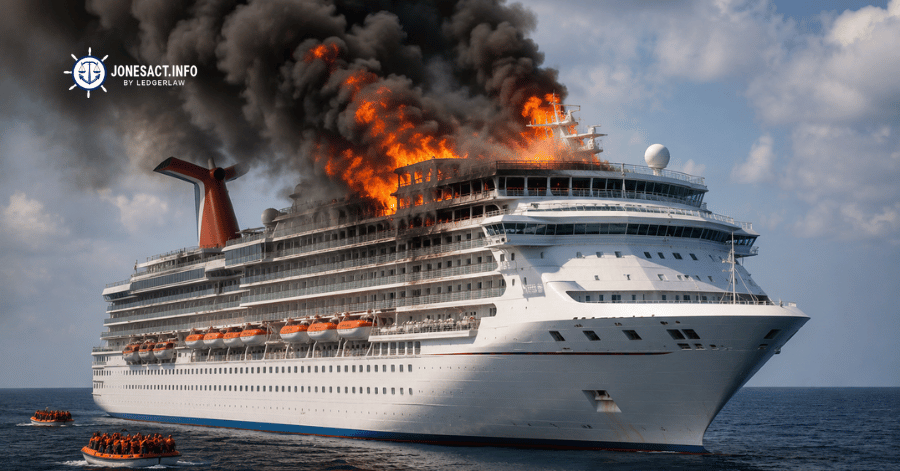
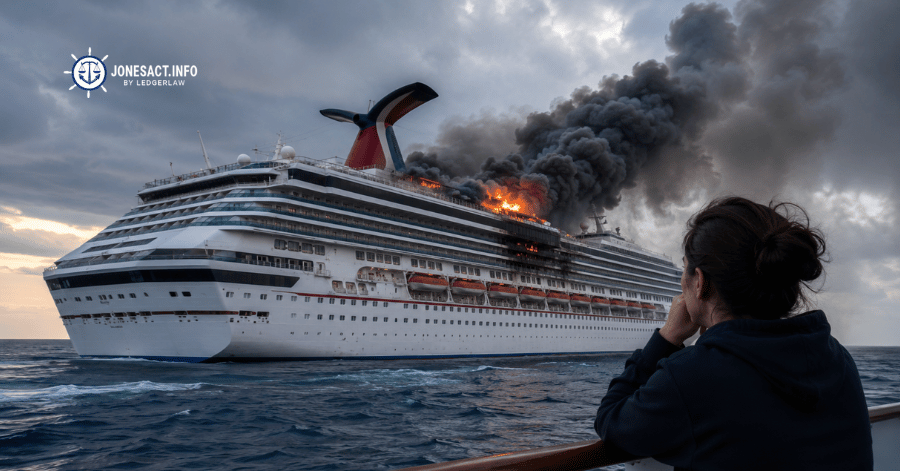
Fires can break out on many of the surfaces of boats. Explosions also cause devastating injuries. Extreme heat from equipment can also cause serious injury.
Chemical burns
Numerous chemicals are on board most boats. Exposure can lead to illness development, including cancer. Other times, chemical burns can cause from chemicals coming in contact with your skin.
Electrical shock injuries
Unsafe conditions around a boat can lead to an electrical shock. These can be devastating in some situations.
Drowning and near-drowning injuries
Falling overboard is just one cause of drowning or near-drowning accidents. Pools and spas onboard larger boats can also cause serious risks.
Hypothermia and frostbite
Being in the water or cold for too long can cause serious risk to the skin and tissue. Hypothermia and frostbite can be devastating conditions.
Hearing loss
Very loud sounds can cause significant injury to hearing. The loss of hearing can be a catastrophic injury that impacts every facet of your life.
Blindness or vision loss
Toxic exposure, electrical shock, and numerous other instances can cause loss of vision. This is another catastrophic injury.
Lung diseases, including mesothelioma
Exposure to chemicals can lead to lung damage. Mesothelioma is specifically a risk in older equipment that involves the use of asbestos material.
Occupational cancers
Exposure to chemicals and toxins over time can lead to a serious risk of cancer development. Toxic pollutants in the air can also lead to these injuries.
Repetitive stress and overuse injuries
Much of the work done on board boats can also contribute to repetitive strain and overuse. Carpal tunnel is one example.
Injuries resulting from assault or onboard violence
Negligent security is another type of risk on board many boats. Assault from workers or others can lead to serious injuries.
4 Common Maritime Injury Claims Types:

Any injury can be scary. Knowing your rights is super important. Consider these types of maritime injury claims in Seattle options. The key is to consider where the injury happened. You may have been working at the time of the accident. You may not have been working, but using someone else’s boat. You may also be visiting someone’s property. All of these factors contribute to who caused your injuries. Here are some types of claims you may file to recover your damages.
Jones Act Claim:
The Jones Act allows seamen to hold their employers accountable for negligence. That allows you to recover injuries from maritime work. This type of claim falls under the federal government laws. It only applies if you are a seaman. That means you spend 30% or more of your time on a vessel on navigable waters. This takes the place of workers’ compensation coverage. It allows you to seek compensation for lost wages. It also covers medical expenses. If you cannot go back to work, it may also provide disability protections.
Maintenance and Cure Claims:
Maintenance and Cure claims are a type of no-fault benefit. It provides for daily living expenses as well as medical care during a recovery. You will need this protection depending on when and how you were hurt.
These claims cover your medical expenses. They may also provide compensation for money to live on. That might include food, utility bills, and rent. This allows you to maintain your life on land. It occurs when you are hurt on the water. Your employer must provide protection.
Unseaworthiness Claim:
In this situation, you have the legal ability to seek action against the owner of a ship. You will have to show that the ship was not safe for some reason. That could be due to equipment or the vessel itself. Sometimes it refers to having a competent crew on board.
Employers must provide a safe place for you to work. If that does not happen, they can be held accountable. This type of claim covers injuries related to the poor condition of the vessel. It may include claims against the employer or the shipowner. It is not simple to prove unseaworthiness. That’s why having an attorney can be so important here.
Negligence Claim:
You can seek a claim against the owner if you suffer injuries while visiting or using another person’s boat. You have to show they caused your injuries due to negligent factors. This might include falling due to unsafe conditions. You may be able to file a negligence claim if another person’s boat strikes yours.
Negligence claims are a very important tool. This type of injury means that you are demanding that someone else repay you for your damages. These are for losses from reckless actions. Maritime negligence laws allow you to recover damages like wages you lost and pain and suffering. It also includes medical costs.
What You Should Know About a Maritime Injury Claim in Seattle:
Suffering an injury in an accident on navigable waters is different than filing a claim on land. That complexity is an important consideration. It means the duty of proving fault is more challenging. Employees may find it more challenging to recover damages as well.
Work with a maritime injury attorney. You’ll gain knowledge and support to help you navigate your rights in these tough cases. Reach out to our team when you need immediate help.
FAQ
Frequently Asked Questions

After a maritime injury, take immediate action. Call for help. Take photos of what happened and wear them. Always get medical care as soon as possible. Then, report the incident to the employer or owner of the ship. These steps can safeguard your rights in getting compensation later.
Victims of a maritime injury may be able to seek compensation for any damages they have. However, that differs based on the type of claim you can file. For example, employees filing a claim against employers may not be able to seek compensation for pain and suffering. It only covers economic losses. That might include medical expenses and lost time at work.
If you are filing a negligence claim, that’s different. In these claims, you can request compensation for all of your losses. That includes negligence claims for pain and suffering. Your attorney can help you determine which type of damages you can seek.
The complexities of maritime injury claims make it important to always reach out to a lawyer. Your lawyer will investigate and build a claim that holds those who hurt you accountable. Your attorney will also help you avoid seeking compensation from all parties that contributed to your losses. Economic losses are a big factor in these situations.
This depends on the situation. In some cases, you may file a claim against your employer. Seamen and others working on navigable waters typically need to do this. Seaworthiness and negligence claims may be made against the owner of the vessel. That could also include an operations provider. A thorough understanding of what happened at the time of the accident makes a big difference here.
That depends on the type of claim you must seek. Depending on your situation, you may need to file a claim against your employer’s workers' compensation. You may need to alert the human resources department or the owner of the ship about your injuries. The details matter here significantly. Your attorney will help you determine who is responsible. That makes it possible for you to then seek a claim for your losses.
Damages for economic losses are straightforward. They are based on the specific losses you have, such as medical bills. Wages missed can also be specific. Pain and suffering claims are more challenging. Your lawyer will consider the severity of your injuries and your recovery to make better decisions.