
Jones Act or Workers’ Compensation: Which One Covers an Injured Crew Member?

You were hurt working on a vessel and the company handed you a workers’ compensation form. Before you sign it, know this: if you are a seaman, your claim against your employer generally does not run under state workers’ compensation. It runs under the Jones Act and the general maritime law. Which system covers you depends on your job and your vessel, not on the form you were given. Three systems, three kinds of worker System Who it covers Must you prove fault? State workers’ compensation Most workers on land. The rules differ from state to state. Generally no. In return the worker generally cannot sue the employer. The Longshore and Harbor Workers’ Compensation Act People in maritime employment who are not crew, such as longshoremen, ship repairmen and shipbuilders. No. It is a federal compensation system. The Jones Act, with maintenance and cure and the law of unseaworthiness Seamen: the master and the crew of a vessel. For a Jones Act claim, yes: the employer’s negligence must have played a part. For maintenance and cure, no. What the Jones Act gives a seaman The Jones Act says that a seaman injured in the course of employment may bring a civil action at law against the employer, with the right of trial by jury. The statute is 46 U.S.C. 30104. A workers’ compensation system pays set benefits and closes the courthouse door. The Jones Act opens it. Our page on the Jones Act explains the claim. The Longshore Act draws the same line from the other side. Its definition of a covered employee leaves out “a master or member of a crew of any vessel” (33 U.S.C. 902(3)(G)). A crew member is a Jones Act seaman, not a Longshore Act employee. Our page on the Longshore Act explains who falls on that side of the line. Are you a seaman? The Supreme Court set a two part test in Chandris, Inc. v. Latsis, 515 U.S. 347 (1995) (the syllabus, at the Legal Information Institute of Cornell Law School). First, your duties must contribute to the function of the vessel or to the accomplishment of its mission. Second, you must have a connection to a vessel in navigation, or to an identifiable group of vessels, that is substantial in both its duration and its nature. Your job title does not decide it, and neither does the form your employer chose. A deckhand, a cook, an engineer or a fish processor who lives and works aboard can each be a seaman. Someone who comes aboard now and then to do a task may not be. Our page on seaman status goes through the test. What you are owed from the first day A seaman who is hurt or falls ill in the service of the vessel is owed maintenance and cure by the employer. Maintenance is a daily amount for room and board while you recover ashore. Cure is your medical care. Neither depends on who was at fault. See our page on maintenance and cure. This is why the label matters. If the company treats your injury as a state compensation claim, you may be handled under rules that were not written for you, and the rights a seaman has may never be mentioned. What to do this week Report the injury to the master or your supervisor, in writing if you can, and keep a copy. See a doctor and say exactly how you were hurt. Write down the vessel’s name, where it was, what you were doing and who saw it. Read anything before you sign it. You may ask for time, and you may ask a lawyer first. Mind the clock. A civil action for personal injury arising out of a maritime tort must generally be brought within three years after the cause of action arose (46 U.S.C. 30106). Other limits can be shorter. See our page on time limits. Talk to the firm Talk to a Jones Act lawyer. The Ledger Law Firm takes Jones Act and maritime injury claims. Emery Brett Ledger, the founder, is licensed in California, Texas and Washington. Send the form on our contact page or call (800) 610-6255. The firm will call you. This article is general information, not legal advice. Every claim turns on its own facts.
Drunk Boating Accidents: Causes, Laws, Liability, and Prevention
Key Takeaways: Alcohol is the leading known contributing factor in fatal recreational boating accidents, accounting for 17% of boating deaths in 2023. Boating under the influence carries criminal penalties including fines, jail time, and license suspension in all 50 states and under federal law. A drunk boat driver can be sued for compensation by injured victims, and liability may extend to boat owners, rental companies, employers, and alcohol vendors. Victims of alcohol-related boating accidents can recover compensation for medical bills, lost income, pain and suffering, property damage, and wrongful death. Designating a sober skipper, wearing life jackets, and limiting alcohol consumption aboard are the most effective ways to prevent drunk boating tragedies. Taking immediate steps after a crash-seeking medical help, documenting the scene, and filing a boating accident report-protects both safety and legal rights. Environmental stressors like sun and wave motion magnify alcohol’s impairing effects on boaters, making even moderate drinking extremely dangerous on the water. Every boating season, crowded lakes and rivers fill with friends, families, and fun-along with coolers of booze. Drunk boating accidents happen when someone operates a vessel while impaired by alcohol or drugs, sharply increasing the risk of collisions, capsizes, and drownings. On any given Fourth of July weekend, marine patrols across the country respond to crashes and fatalities tied directly to intoxicated operators, even though many people who would never drink and drive still underestimate how dangerous alcohol is on the water. The numbers paint a stark picture. Alcohol is the leading known contributing factor in fatal recreational boating accidents, and the U.S. Coast Guard reports that alcohol was linked to 17% of boating deaths in 2023, including 79 fatalities on U.S. waterways. For boaters and passengers planning a day on the water, victims and families dealing with a serious crash, and legal professionals evaluating fault or claims, understanding these accidents can protect both lives and legal rights. The legal charge is typically called boating under the influence, or BUI, and a drunk boat driver can face criminal prosecution much like a drunk driver on the highway, along with civil liability when someone is injured or killed. This article explains how alcohol affects boating safety, the state and federal BUI laws that apply, who may be held liable after a crash, what compensation may be available to victims, and the practical steps that help prevent alcohol-related boating accidents. It is educational in nature and not a substitute for personalized legal advice about a specific boating accident or BUI charge. Drunk Boating Accidents: Causes, Laws, Liability, and Prevention: This core section explains how and why drunk boating accidents happen, what laws apply, who may be held responsible, and how these crashes can be prevented. Each subsection below breaks down one of four pillars: causes and alcohol effects on the water, BUI laws and penalties, liability in civil claims, and prevention strategies. This is the most detailed portion of the article because it directly addresses the “what, why, and how” behind alcohol-related boating accidents-and what boaters, passengers, and victims need to know to protect themselves. Primary Causes of Drunk Boating Accidents: According to U.S. Coast Guard data, there were 3,844 reported boating accidents and 564 fatalities in 2023. Alcohol use is the leading cause of boating accidents when fatal outcomes are involved, and the most common causes of non-fatal boating accidents include operator inattention and improper lookout-both of which alcohol worsens dramatically. Alcohol consumption reduces balance and coordination, and drug use can further impair judgment and reaction time, making falls overboard, slips on wet decks, and missteps near spinning propellers far more likely. On a moving vessel, even a person who feels “fine” after a few drinks becomes a serious risk to themselves and other boaters. Then there is what safety experts call “boater’s hypnosis.” The combined effect of sun, heat, glare, engine vibration, wind, and constant wave motion already fatigues a sober person. Adding alcohol accelerates dehydration, increases heat exhaustion, and deepens fatigue-all of which compound impaired judgement on the water. Common recreational scenarios only raise the stakes: holiday parties on a lake, nighttime cruises, sandbar gatherings, and booze cruises all increase the temptation for drunk boating and reduce supervision of passengers. Inexperienced operators with limited hours at the helm are especially vulnerable when impaired. How Alcohol Impairs Boat Operators and Passengers: Alcohol impairs balance, judgment, and reaction time on boats. A boat operator who has been drinking processes visual information more slowly, loses peripheral vision, and struggles to judge wave height, distance to other boats, or closing speed on a channel marker at dusk. Physical impairments are equally dangerous. Unsteady footing on a moving deck, delayed responses to sudden wakes or swells, and weakened swimming ability after falling overboard can turn a minor incident into a fatal one. Drunk passengers can fall overboard and drown before anyone notices they are gone-especially at night. Consider what makes a boat different from a car: there are no lane markings, traffic lights, or brakes. No seatbelts. No guardrails. Impairment can begin at one third of the legal limit. Even modest blood alcohol concentration levels are more dangerous on a vessel because there is nothing to compensate for poor judgment. A drunk boater who misjudges a turn near a jetty has no rumble strip to warn them-only rocks. Mixing alcohol with the environmental stressors of boating creates a compounding effect that makes even a single drink more impairing than it would be on shore. BUI and Drunk Boating Laws in the United States: Boating under the influence is a crime in all 50 states and a federal offense. The federal legal limit for boating is .08% BAC-the same threshold used in drunk driving laws. A BAC over 0.08% is illegal for operating a boat on any state waters or federally navigable waterways, though BUI rules are separate from road DUI laws for a vehicle even when the legal threshold is similar. Several states also impose lower thresholds. In California, operating a boat under the influence is illegal,
Carnival Ship Fire: What Happened, What Caused It, and How the “Poop Cruise” Disaster Unfolded
Key Takeaways: On February 10, 2013, a carnival ship fire in the engine room left the Carnival Triumph powerless and adrift in the gulf of mexico with 3,143 passengers and 1,086 crew members aboard. No one died, but more than 4,200 people endured four days without functioning toilets, air conditioning, or reliable food-earning the trip the nickname poop cruise. The vessel was towed to mobile, Alabama, triggering lawsuits, a thorough investigation by the coast guard and NTSB, and major safety investments by carnival cruise line. Carnival said each guest would receive a full refund and $500, according to its statement of February 15, 2013, though many pursued additional legal claims for negligence and emotional distress. Carnival said it spent $115 million to repair and upgrade the Triumph before the ship returned to service in June 2013. Carnival renamed the ship Carnival Sunrise in 2019 after a later makeover. Passengers and crew members involved in cruise ship fires may have important legal rights under maritime and Jones Act law. In the middle of the night on February 10, 2013, alarms ripped through the lower decks of the Carnival Triumph. The carnival ship fire readers usually mean was the engine room fire in the Gulf of Mexico that disabled propulsion, caused a complete power loss, and left 3,143 passengers and 1,086 crew adrift for four days without functioning toilets, air conditioning, or reliable food. Passengers jolted awake-some mid-dream about their bachelorette party plans in Cozumel, others resting after a day at sea-scrambled into darkened hallways as smoke poured from the aft engine room. Within hours, the ship that had promised a carefree four-day cruise became an international headline for all the wrong reasons. The fire knocked out power across the vessel and left thousands stranded in sweltering heat and worsening sanitary conditions. When toilets stopped working and red biohazard bags replaced toilet paper, the media and the public gave the incident a name that stuck: the poop cruise. For affected passengers and crew, maritime injury victims, legal professionals, and anyone trying to understand what happened and what followed, the case remains a defining example of how a cruise emergency turns into a safety, compensation, and accountability fight. This is the true story of what happened on the Carnival Triumph, drawn from public reports, official investigations, and firsthand accounts. Below, you’ll find the timeline of the disaster, its technical causes, the passenger and crew experience, the rescue and towing effort, the legal aftermath, Carnival’s safety reforms, and what became of the ship after repair and renaming-so readers can see not just how the crisis unfolded, but why it still matters for cruise safety, passenger rights, and maritime law. Carnival Ship Fire: What Happened, What Caused It, and How the Cruise Disaster Unfolded: This section answers the core questions-what, where, when, and why-about the fire on carnival cruise ship Triumph as early and directly as possible. Timeline of the Carnival Triumph Fire in the Gulf of Mexico: The Carnival Triumph departed Galveston, Texas on February 7, 2013, en route to Cozumel, Mexico for a four-day cruise. The trip went smoothly through Day 3. Passengers explored the port in Cozumel and returned to the ship for the sailing home. On Day 4-February 10, 2013-a fire broke out in the engine room at 5:30 a.m. Smoke was spotted in the aft engine room, and alarms sounded across multiple decks. The ship carried 3,143 passengers and 1,086 crew members, nearly all of whom were asleep when it happened. The fire was extinguished by an automatic system (the Hi-Fog® water-mist suppression), supplemented by manual CO₂ flooding. But by the time flames were out, the damage was done. Key power cables were destroyed, and the vessel lost propulsion and most electrical services. From that moment, the Triumph began drifting in the gulf of Mexico. Over the next four days, tugs and the coast guard coordinated a slow tow. The ship finally reached Mobile, Alabama on February 14, 2013-Valentine’s Day, after tugboats towed it the rest of the way. Root Cause: What Caused the Fire on Carnival Triumph? Coast Guard and NTSB investigators traced the carnival cruise engine fire to a single point of failure: a flexible pipe in a fuel oil return line forward of the No. 6 diesel generator. The pipe failed under approximately 10 bar of pressure at roughly 122°C, spraying atomized fuel upward. That fuel mist contacted a hot surface-specifically, the turbocharger on the No. 6 engine-and ignited instantly. The resulting flash fire severely damaged generators No. 5 and No. 6 and, critically, burned through overhead cabling that connected the forward engine room generators to the ship’s main power distribution. This design vulnerability meant that a single fire in one engine room could-and did-knock out power from generators in both the forward and aft compartments. While the fire suppression systems worked to contain the blaze, the fire was extinguished by an automatic system that itself lost effectiveness when the main switchboard lost power. The CO₂ flooding system’s remote station failed, requiring manual valve operation. How the Engine Room Fire Knocked Out Power Across the Ship? Cruise ships depend on centralized engine rooms and overhead power cables to run everything passengers take for granted: propulsion, air conditioning, lighting, kitchens, and sewage systems. On the Triumph, power was lost after the fire damaged main power cables running between engine rooms. With both forward and aft generator rooms unable to deliver power, the ship switched to a limited emergency generator and battery backups. That meant dim lighting in hallways, no elevators on most decks, and heavily restricted electrical use everywhere. The cascade was swift. Refrigeration failed, spoiling perishable food. Ventilation stopped, turning interior cabins into hot boxes. Water pumps shut down, leaving toilets without the vacuum pressure needed to flush. This incident revealed a critical gap: the lack of improved redundancy and fire-hardened cabling that would later become standard across the entire cruise industry. Immediate Response by the Crew and Firefighting Efforts: When alarms activated, fire doors closed
Why Should Boaters Slow Down While Passing Recreational Fishing Boats?

Key Takeaways: Wakes from a speeding boat can swamp or capsize low-freeboard fishing boats, even at moderate wake heights of 8–12 inches. Anglers standing, casting, or handling gear are extremely vulnerable to falls and overboard accidents caused by sudden rocking. Fishing lines and trolling gear can extend 100–165 feet behind a fishing boat, creating nearly invisible entanglement hazards for passing vessels. US Coast Guard guidelines and local boating rules require safe speed and proper passing distance near fishing vessels. Slowing down prevents property damage, avoids collisions, reduces citation risk, and preserves a peaceful environment for everyone on the water. Picture a busy summer weekend in 2026: you’re running a 24-ft center console across a coastal bay when you spot a small 20-ft bass boat anchored near a point, two anglers casting toward shore. Many boaters underestimate how vulnerable that fishing boat is to your wake, your speed, and a close pass. This article explains why boaters should slow down while passing recreational fishing boats, how to do it safely and legally, and what happens when you don’t. The guidance here draws on common boating rules, US Coast Guard navigation principles, and practical on-the-water experience. Why Should Boaters Slow Down While Passing Recreational Fishing Boats? Key Safety Reasons: Passing recreational fishing boats at high speed is one of the most avoidable causes of accidents and conflicts on the water. Below are the core safety reasons every responsible boater should understand before passing fishing boats in any waterway. Preventing Dangerous Wake Impacts on Small Fishing Boats: High-speed boats create large wakes that can hit a 16–22 ft fishing boat like a rolling wall of water, especially when it is anchored or drifting broadside. As speed increases, so does the number of wakes produced and their height. Even an 8–12 inch wake can be dangerous for a small boat with a low freeboard. Wakes can destabilize smaller fishing boats, causing injury to anglers, flooding cockpits, and knocking unsecured gear overboard. According to USCG 2023 Recreational Boating Statistics, flooding and swamping accounted for 386 accidents and capsizing for another 234-many linked to wake or wave forces. A strong wake can damage fishing gear, knock rods into the water, or cause flooding that disables electronics and motors. This is exactly why many jurisdictions establish no-wake and slow speed, minimum wake zones near fishing areas. Protecting Anglers From Falls, Impacts, and Overboard Accidents: Anglers routinely stand on the bow, lean over gunwales, or move around handling rods, coolers, and bait. A sudden, unanticipated large wake while passing recreational fishing boats can cause twisted ankles, head impacts against consoles, or man-overboard events. Imagine a weekend fisherman on the bow mid-cast when a broadside wake rolls the boat-there’s nothing to grab. In 2023, over half of fatal boating incidents involved someone ending up in the water through falls overboard or capsizing. Slowing down allows the fishing boat’s skipper and passengers time to brace and adjust, dramatically reducing injury risk. Avoiding Entanglement With Fishing Lines, Nets, and Trolling Gear: Fishing lines may extend far from the side of the boat-trolling spreads commonly run 100–165 feet behind a fishing boat, with planer boards spreading laterally 20–30 feet. Monofilament and fluorocarbon lines are nearly invisible on choppy water. Running over a fishing boat’s lines can foul propellers, damage lower units, strip rods from holders, or cause sudden loss of steering. Entanglement in fishing gear poses significant risks to vessels involved. Slow speeds minimize the risk of entangling fishing lines because they give skippers time to spot rods, floats, and nets, then choose the correct side and distance. Property damage claims from tangled gear and equipment are common and avoidable. Reducing Collision Risk in Busy, Mixed-Use Waterways: On crowded summer lakes, bays, and rivers with greater boat traffic, wake boats, PWCs, and fishing boats share tight channels. Speed shortens reaction time, making it harder to steer clear if a fishing boat suddenly turns or drifts. Many recreational fishing boats are focused on fish finders or casting angles and may not see a speeding boat early. Slowing down allows boaters more time to see fishing signals and respond to obstacles, giving both operators space to correct course and avoid accidents. Complying With Coast Guard Guidelines and Local Boating Rules: US Coast Guard navigation rules require a safe speed appropriate to conditions, including traffic density and the presence of fishing vessels. The US Coast Guard emphasizes following right-of-way rules as part of responsible seamanship. Many US states specifically limit wake and speed near anchored or trolling fishing boats. For example, Colorado requires vessels to reduce speed when passing within 150 feet of a boat engaged in fishing. Boating regulations often require operating at idle speed near fishing boats to prevent hazards. Ignoring these coast guard guidelines can result in warnings, citations, or fines-and may be used against a boater in a civil injury claim. Respecting Anglers’ Experience and the Resource: Slowing down shows courtesy and respect for anglers sharing the same water. Excessive speed and engine noise can spook fish, ruin a bite, or churn up sediment in shallow flats, destroying the peaceful environment fishermen depend on. Respectful slow passing is unwritten water etiquette-think of it as slowing near pedestrians on a narrow road. Understanding Hazards Around Recreational Fishing Boats: Before you can pass a fishing boat safely, you must understand its unique hazards and limitations. Here’s what makes fishing boats different from other boats on the water. How Fishing Lines, Nets, and Trolling Patterns Create Invisible Risk: A typical trolling spread includes multiple rods, planer boards spread wide to port and starboard, and lines far aft. Low-visibility monofilament lies flat on the water and is nearly impossible to see at speed. A passing boat crossing too close behind a trolling vessel can snag multiple lines, rip rods from holders, and damage both vessels. Always assume any slowly moving fishing boat may have gear deployed and give a wide berth. Limits on a Fishing Boat’s Maneuverability and Acceleration: Fishing boats are less maneuverable
Carnival Triumph Fire Disaster: Did Carnival Know About the Risk Before the Engine Room Fire?
Key Takeaways: On February 10, 2013, an engine room fire aboard the Carnival Triumph disabled power, propulsion, air conditioning, and toilets, stranding over 4,200 passengers and crew in the Gulf of Mexico. Passengers endured five days of extreme heat, sewage backups, limited food, and sleeping on deck-earning the voyage the nickname “poop cruise.” The ship was eventually towed to Mobile, Alabama, arriving on February 14 after plans to reach Mexico were abandoned. Investigations by the Bahamas Maritime Authority found preventable mechanical failures and evidence that Carnival knew of fuel leaks and engine fire risks before the vessel sailed. Carnival’s response, by its own account, included a full refund, $500 per passenger, a future cruise credit, a safety program of more than $300 million across its 24 ships and $115 million spent to repair and upgrade the Triumph. The ship was renamed Carnival Sunrise in 2019 after a later makeover. If you have questions about maritime rights after a cruise ship disaster, contact JonesAct.info for guidance. Picture a cruise ship drifting powerless across the Gulf of Mexico. Toilets overflow into hallways. The lights are out. There is no air conditioning. Thousands of guests sleep on the open deck under makeshift tents. This was life aboard the Carnival Triumph in February 2013—the Carnival Triumph fire disaster, an engine room fire that knocked out power and critical ship systems and left more than 4,200 passengers and crew stranded for five days under worsening conditions the media quickly dubbed the poop cruise. The Carnival Triumph engine room fire on February 10, 2013, roughly 150 miles off the Yucatan Peninsula, turned a routine four day cruise into a survival ordeal. For passengers, crew members, maritime legal professionals, and anyone trying to understand what this case means for cruise safety and passenger rights, this article breaks down what happened, what caused the fire, what people endured onboard, how Carnival Cruise Lines responded and compensated travelers, whether the company knew about fire risks before sailing, and what lawsuits and legal claims followed. This is general information, not legal advice—readers with specific questions should consult JonesAct.info. A Full Overview On Carnival Triumph Fire Disaster: The Carnival Triumph fire disaster unfolded over the course of a week, transforming a vacation into chaos. Here is what happened, step by step. Timeline: From Departure to Disaster at Sea: The carnival ship departed Galveston, Texas on February 7, 2013, carrying approximately 3,143 passengers and 1,086 crew on a four day cruise to Cozumel, Mexico. The trip proceeded normally through February 8 and 9, with guests enjoying a port stop in Cozumel before the vessel turned back toward Galveston. En route home in the early morning of February 10, around 5:30 a.m., crew detected smoke via CCTV near diesel generator No. 6 in the aft engine room. Alarms sounded. A fire in the engine room occurred on February 10, 2013, and while suppression systems contained the blaze before it reached passenger decks, it badly damaged the electrical and propulsion infrastructure. The cruise ship lost main power and propulsion, leaving it adrift in the gulf with thousands aboard. Immediate Impact: Power Loss, Panic, and Initial Response: The fire left the ship without power and propulsion almost instantly. When the main switchboard failed, nearly every “hotel” system went dark: lights, air conditioning, refrigeration, and the vacuum sewage system. Emergency generators restored navigation and basic communications, but could not support the galley, toilets, or climate control. Passengers had no air conditioning during the ordeal. The captain announced the situation and asked folks to remain calm. Many passengers initially treated the incident as a temporary inconvenience. Early Coast Guard communications described the vessel as “stable” with no immediate injuries-but conditions were already deteriorating below deck. Life Onboard: How the “Poop Cruise” Nickname Was Earned: Within hours the sanitation system failed completely. The loss of power led to sanitation system failure, causing overflowing toilets across the ship. Passengers used red biohazard bags and buckets as the crew roped off unusable areas. The smell in interior cabins became unbearable, and hot, humid conditions drove many passengers to sleep on the open deck under tent cities fashioned from bedsheets and life jackets. Supplies ran short, so emergency food provisions were brought over from nearby ships, including the Carnival Elation and Carnival Legend, in a ship-to-ship transfer. Food supplies were limited and had to be rationed, with the galley restricted to cold sandwiches and fruit. Water was scarce. The ship’s medical staff treated cases of heat exhaustion, dehydration, and anxiety, particularly among older passengers, children, and those with chronic illnesses. Drift, Tow, and Final Arrival in Mobile, Alabama: Without propulsion, winds and currents pushed the powerless Carnival Triumph northward. Over 4,200 passengers were stranded for five days as tugboats connected lines to begin a slow tow. Initial plans called for towing to Progreso, Mexico, but Carnival switched the destination to Mobile, Alabama, extending the trip and passenger hardship. During towing, the ship developed a noticeable list that worsened sewage leaks and made walking and rest difficult. The vessel finally arrived at the port of Mobile on the night of February 14, 2013, after tug assistance helped it arrive there late in the rescue effort. Media crews, buses, and emergency personnel lined the dockside. Passengers endured five days adrift in the Gulf of Mexico before disembarking into a flood of national media coverage, facing late-night processing and long bus rides to Galveston and New Orleans. Did Carnival Knew About Fire Risks Before Carnival Triumph Disaster: Investigations and court filings after the disaster raised serious questions: did Carnival cruise lines already know this kind of engine fire could happen? Prior Carnival Engine Fires and Loss‑of‑Power Events: Carnival Triumph had a history of maintenance issues before the incident. The Carnival Splendor suffered a similar engine room fire in 2010 that left it without power. Maritime attorneys noted the Triumph fire was reportedly the fourth such power-loss event on a carnival ship in a short span. Just weeks before the disaster, on January 28,
What Does a Boatswain Do? Duties, Career Path, and Legal Rights at Sea

Key Takeaways: A boatswain is the senior deck crew leader responsible for supervising maintenance, cargo, and safety operations. The role requires strong leadership, seamanship skills, and the ability to coordinate deck activities efficiently. Boatswains typically advance from deckhands after gaining sea service experience and certifications like STCW. They oversee ship rigging, mooring, cargo handling, and emergency preparedness on various vessel types. The position involves physically demanding work with significant safety risks and legal protections under maritime law. Boatswain pay in the U.S. varies by vessel and contract. Career progression can lead to licensed officer roles or shore-based maritime positions. A boatswain (pronounced “bosun”) is the senior deck rating on a ship, responsible for supervising deck crews, maintaining the hull, rigging, and deck equipment, coordinating mooring and cargo operations, leading safety drills, and keeping daily deck work safe and efficient. Usually promoted from experienced deckhands, the boatswain serves as the front-line leader for seamanship, maintenance, and crew discipline on cargo ships, tankers, offshore supply vessels, cruise ships, Coast Guard cutters, and large yachts. If you are a deck crewmember, an aspiring boatswain, a maritime student, or someone exploring maritime careers, this guide explains what the job involves, how people move into it, what training and certifications are typically required, which skills and working conditions come with the role, what pay and job prospects look like, and what legal protections may apply after an onboard injury. Because boatswains and deck crews do dangerous physical work that directly affects vessel safety and operations, they also hold specific rights under U.S. maritime law, including the Jones Act. So what does a boatswain actually do day to day on a ship? What Does a Boatswain Do? A boatswain is often considered the operational leader of the deck crew. The bosun supervises the deck crew and assigns daily tasks, translating officers’ plans into actionable work that keeps the vessel safe and efficient. Below are the major areas of responsibility. Supervising Deck Crews and Boatswain’s Mates: The boatswain reports to the chief mate and is responsible for organizing all deck crews and boatswain’s mates (sometimes abbreviated as BMs). Typical tasks under their supervision include chipping and painting, rust removal, line handling, cleaning, and minor repairs. On larger vessels, the bosun runs toolbox talks each morning, checks that crew members follow safety procedures, and monitors rest-hour compliance. This is a hands-on leadership position-the bosun works alongside personnel on board during deck jobs, not just behind paperwork. The bosun also provides training to junior crew members in seamanship skills, from knot-tying to winch operation, ensuring development across the team. Inspecting and Maintaining the Ship’s Exterior and Gear: The bosun oversees the upkeep of the ship’s structure including rust removal and painting, and is responsible for ship’s rigging maintenance. Daily tasks include greasing winches, checking anchor windlass brakes, replacing mooring lines, and inspecting ladders and gangways. The bosun helps maintain equipment readiness through regular inspections and keeps maintenance logs for the chief mate. Poor maintenance can lead to injuries or accidents, which may become Jones Act or unseaworthiness claims if the vessel is kept unsafe. Cargo Handling, Mooring, and Small Boat Operations: In port, the boatswain organizes mooring stations, leads line-handling teams, and ensures the vessel is secured safely. They perform docking, undocking, and anchoring duties on every arrival and departure. The bosun oversees the loading and unloading of cargo, rigging and inspecting cargo gear, supervising cranes and winches, and overseeing lashings. They also handle shipboard cargo and small arms safely when required. On offshore vessels or Coast Guard cutters, the boatswain often runs small boat evolutions and launch-and-recovery operations, coordinating with the coxswain. Towing operations and fuel transfer also fall under deck crew supervision. The risk of crush injuries, line snap-backs, and falls during these tasks is significant. Safety, Drills, and Emergency Response: The bosun is responsible for the readiness of lifeboats and rescue equipment, and commonly leads emergency response teams for fire, rescue, and damage control. Before each voyage, they check survival craft, life rafts, immersion suits, and muster lists. The bosun ensures compliance with safety protocols among the deck crew, with proper regard for pollution and environmental rules, and maintains safety and cleanliness of deck work areas, including guardrails, fall-protection lines, and enclosed-space entry setups. Recordkeeping and Communication with Officers: The bosun serves as the link between ship officers and the deck crew, providing daily updates on completed work, crew performance, and needed repairs. Basic paperwork includes maintenance checklists, paint and supplies inventory, defect reports, and watch handover notes. Clear radio and verbal communication during mooring and cargo operations keeps everyone coordinated and safe. Boatswain Job Settings: Merchant Ships, Navy, Coast Guard, and Yachts: The title “boatswain” appears across military and civilian fleets, but duties and legal protections vary by ship type. Boatswain on Merchant and Cargo Ships: On tankers, container ships, and bulk carriers, the bosun focuses on cargo gear, mooring operations, and structural upkeep. Schedules range from 3–6 month contracts for international crews to 28/28 day rotations on U.S.-flagged offshore vessels, including weekends underway. These boatswains serve full time and are clearly covered by the Jones Act when injured due to employer negligence. What a Boatswain Does in the Navy and Coast Guard: In the U.S. Navy, “Boatswain’s Mate” is a formal military rating. What do boatswain’s mates do? They handle seamanship, small boat handling, deck weapons support, ammunition handling, and amphibious operations. The boatswain mate navy job description includes running anchor detail, supervising painting teams, and operating rigid-hull inflatable boats for boarding missions. Since Vietnam-era deployments, this rating has remained central to naval operations. While active-duty sailors fall under a different legal system, the practical seamanship skills mirror civilian roles. Boatswain on Large Yachts and Cruise Ships: On superyachts and cruise ships, the bosun blends maintenance with hospitality-managing tenders, water-sports equipment, and guest-facing presentation. These jobs often involve seasonal sailing in the Mediterranean and Caribbean, with both full time and rotational contracts available. Qualifications, Training, and Certifications for Boatswains: Becoming a boatswain requires
Independence Day Boating Safety Tips: Stay Safe on the Water This 4th of July

Key Takeaways: Every passenger must wear a U.S. Coast Guard–approved life jacket at all times, especially children under 13, since 85% of drowning victims were not wearing one. Plan your route, float plan, and fireworks viewing spot early because Independence Day is one of the busiest times for boating and ramps, slips, and rentals fill up fast. Boating under the influence is illegal in all 50 states, so designate a sober operator before you leave the dock. Follow navigation rules, obey posted no-wake zones, and maintain a safe distance of several hundred feet or more from fireworks barges and display areas. Carry all required emergency gear and verify navigation lights are working so you are prepared before any night-time fireworks cruise. After the fireworks show ends, wait 10–20 minutes for traffic to thin, then return to shore at slow speed with extra lookouts scanning for unlit vessels. If a serious boating accident occurs, contact JonesAct.info promptly to learn about your rights and protect time-sensitive evidence. Independence Day boating safety tips start with the basics that prevent the most common holiday accidents: wear a U.S. Coast Guard-approved life jacket, plan your route and fireworks viewing spot early, choose a sober operator, follow navigation rules and no-wake zones, keep a safe distance from fireworks barges, carry required emergency gear, and prepare for the trip back after dark. Independence Day is one of the busiest times for boating in the United States, and with the 2026 fourth of july falling on a Saturday, millions of families, friends, loved ones, first-time boaters, and multi-generational groups will spend the entire day on lakes, rivers, and coastal waterways – cruising through the afternoon, rafting up for barbecues, and anchoring out to watch the fireworks show after dark. That extended Saturday timeline means more hours on the water, more boats crowding into the same areas, and a sharply higher risk of boating accidents. The numbers confirm how dangerous things can get. According to the U.S. Coast Guard’s Recreational Boating Statistics 2024, there were 3,887 reported incidents resulting in 556 deaths, 2,170 injuries, and nearly $88 million in property damage across the year. Drowning was the leading cause of boating fatalities, and among those who drowned, 87% were not wearing a life jacket. Open motorboats accounted for 46% of deaths, and four of every five boaters who drowned were aboard vessels under 21 feet. What makes the holiday uniquely risky is the combination of operator inexperience, alcohol use, crowded waterways, and the transition from daylight to dark navigation that happens mid-trip. This article provides practical, easy-to-follow independence day boating safety tips for anyone heading out this July, including guidance on life jackets, float plans, sober operation, fireworks safety, night boating, emergency gear, weather and crowd management, child and guest safety, environmental responsibility, and what to do after an accident. Whether you are on a lake in the Midwest, a river in the South, or a coastal bay on the East Coast, these safety tips will help you protect your family, keep your mind on safety, and return to the dock with only good memories. Independence Day Boating Safety Tips for a Safe 4th July: Before diving into detailed gear lists, crowd management, and legal considerations, here are the core fourth of July–specific safety tips every boater needs. These cover the full arc of a holiday outing – from planning your day to arriving home safely after the last firework fades. Plan Your Fourth of July Boating Day Early: Reserve your boat well in advance for July 4th. Slips, ramp parking, and rental boats book up weeks ahead in popular areas, so secure yours at least two to three weeks before the holiday. Fuel docks and marinas may also close early on the holiday, so confirm hours and fuel availability before you leave. Create a simple float plan and share it with a friend or family member on shore. A float plan should be filed to inform someone about your boating trip. It does not need to be complicated – include your departure time, intended route, fireworks viewing area, expected return time, and the number of passengers aboard. If something goes wrong, this document helps rescuers find you faster. Before heading out, check local july 4th schedules and restrictions: City fireworks start times (often around 9:00–9:30 p.m.). Temporary navigation restrictions and safety zones near fireworks barges. State-specific rules for the holiday weekend, such as increased BUI enforcement or expanded no-wake areas. Check local fireworks restrictions before boating, because temporary closures and exclusion zones can change your route entirely. Pack enough water and snacks for a full day on the water – high temperatures and sun exposure can lead to fatigue while boating, and dehydration sneaks up faster than most people expect. Arriving 60–90 minutes before the fireworks start helps you secure a safe anchoring position before congestion and low light make maneuvering more difficult. Wear the Right Life Jacket All Day and All Night: Most Independence Day drowning victims were not wearing a life jacket. That single fact should change behavior more than any other statistic in this article. Life jackets must be worn to be effective in saving lives – having them stowed under a seat does nothing if someone falls overboard unexpectedly. Federal law requires a U.S. Coast Guard–approved wearable PFD for every person onboard. Have enough life jackets for everyone onboard, including extras for guests and children of different sizes. Children under 13 must wear a life jacket when underway in most states, and some states impose stricter age requirements or mandate wear even at anchor. When choosing life jackets: Select properly sized jackets based on chest measurement or weight. Use infant and toddler jackets with crotch straps and head support for young children. Consider inflatable belt-pack or vest-style PFDs for adults who find traditional foam jackets uncomfortable – but note these are not approved for weak swimmers or children. Discard any jacket that is faded, torn, waterlogged, or has a broken buckle. Life jackets
2 Major Cases Of Orlando Boating Accidents Lawsuit: Major Cases, Florida Law, and How Lawyers Help
Key Takeaways: Recent Orlando boating accident cases, including the 2022 Lake Fairview lightning strike that killed two youth rowers, demonstrate how quickly recreational boating turns deadly on Central Florida lakes. Injured boat accident victims in Orlando, FL can file negligence lawsuits under florida law to recover boating accident damages including medical bills, lost wages, and pain and suffering. Florida follows a modified comparative negligence system, meaning you can still recover compensation if you were 50% or less at fault for the accident. Orlando boating accident attorneys investigate liability against operators, owners, boat rental companies, and tour operators while identifying all available insurance policies. The statute of limitations for boating accident claims is two years in Florida, making early consultation with a boating accident lawyer critical to protecting your rights. You may pursue compensation through personal injury claims or wrongful death lawsuits, depending on the severity of the outcome. Many maritime injury lawyers work on a contingency fee, a percentage of what is recovered, with no fee if there is no recovery. Ask any lawyer about costs before you hire them. Florida law allows victims to seek compensation for negligence, and understanding how these cases work can make the difference between a fair recovery and getting nothing. Two Major Cases Involving Orlando Boating Accidents Lawsuit: The following two cases illustrate how boating accident lawsuits arise in Florida and the legal issues that shape their outcomes. Both highlight negligence, weather risk, vessel safety duties, and damage claims under Florida law. Overview of Recent High‑Profile Orlando Boating Accident Lawsuits: Florida has the highest number of registered boats in the U.S. and leads the nation in boating incidents. In 2022, Florida reported 723 boating accidents and 65 people died in Florida boating accidents that year, while California had 454 boating accidents in 2022 by comparison. In 2020, Florida reported 836 boating accidents and 79 people died in Florida boating accidents. Among recent central Florida incidents, the September 2022 Lake Fairview rowing tragedy in Orlando and several commercial tour boat and personal watercraft cases stand out. These lawsuits are typically filed in Florida state courts, though cases on navigable waters sometimes involve overlapping federal maritime law issues. The cases consistently focus on operator decisions, safety planning, and weather monitoring responsibilities. Common Legal Themes in Orlando Boating Accident Cases: Recurring negligence allegations in Orlando boating cases include failure to monitor weather, inadequate proper safety equipment, improper training, and ignoring Florida boating safety regulations. Many boating accidents stem from operators, schools, or tour companies failing to put passenger safety ahead of schedules or profits. Orlando boating accident lawyers use these themes to frame liability arguments and settlement negotiations. The two detailed case studies below show exactly how these themes play out in real lawsuits. How These Lawsuits Influence Orlando Boating Safety Practices? High-profile lawsuits pressure schools, clubs, and tour operators to revise safety protocols. After the Lake Fairview tragedy, local rowing programs adopted stricter lightning policies, mandatory weather monitoring apps, and clear evacuation thresholds. Civil lawsuits complement FWC and coast guard enforcement by holding negligent parties financially accountable, driving improved practices across Orlando waterways. Lake Fairview Lightning Strike Rowing Boating Accident Case: On September 15, 2022, a youth rowing team practicing on Lake Fairview in Orlando was struck by lightning, capsizing their rowing shell. Two children died, including one boy on his 12th birthday. Lawsuits filed in early 2023 alleged negligent weather judgment and catastrophic failures in safety planning. Timeline of the Lake Fairview Rowing Accident: Five students from area schools were rowing on Lake Fairview near North Orange Blossom Trail and Lee Road at approximately 5:50 p.m. when storms approached. Lightning struck the shell, overturning it into the water. One child’s body was recovered from the lake; another died later at the hospital from drowning. Coaches remained on the dock rather than in a safety boat on the water. The Orlando Fire Department and first responders arrived to a scene of chaos. Allegations of Negligence and Safety Failures: Plaintiffs alleged that the North Orlando Rowing Club, College Park Lions Club, and USRowing failed to monitor weather, failed to evacuate, and failed to warn rowers despite approaching storms. Other rowing teams reportedly stayed indoors that day. Allegations included lack of swim proficiency testing, absent life jackets, and no coach presence on the water. Discovery focused on emails, weather alert policies, and practice-day communications. Injuries, Losses, and Types of Damages Sought: Lightning strikes and near-drowning events can cause cardiac arrest, burn injuries, traumatic brain injuries, and potential spinal cord injuries. Families sought wrongful death damages including medical expenses, funeral costs, loss of companionship, counseling, and pain and suffering. Because the victims were minors, long-term economic damage projections-reflecting lifetime earning impacts and medical costs-significantly increase the case value. Role of Orlando Boat Accident Lawyers in the Lake Fairview Case: Boating accident lawyers investigating this case would collect weather records, lightning alert data, practice logs, and FWC reports. Expert witnesses including meteorologists and rowing safety specialists evaluate whether decisions were reasonable. Negotiations with clubs, insurers, and organizational defendants can lead to settlement, though some claims may proceed to trial in Orange County courts. Experienced legal representation helps families navigate media coverage and complex insurance claim disputes after such a high-profile boating accident. Impact of the Lake Fairview Lawsuit on Orlando Boating Policies: After the tragedy, Orlando rowing programs and youth sports organizations began revising safety protocols. Changes include stricter lightning delay rules, mandatory weather monitoring, clear evacuation thresholds, and requirements that coaches maintain safety boats on the water. Civil litigation pushes organizations beyond minimal regulatory requirements, building broader public awareness about boating safety on Central Florida lakes like Lake Conway and the Butler Chain. Florida Tour Boat Collision Boating Accident Case: Commercial tour boat collisions illustrate how special duties apply to operators carrying paying passengers. In cases like Fox v. Sunset Waverunner Tours, Inc., plaintiffs rented personal watercraft and collided with mangroves, raising questions about waiver enforceability when statutory safety duties are violated. These legal principles apply directly to
10 Maritime Accidents in USA in May 2026
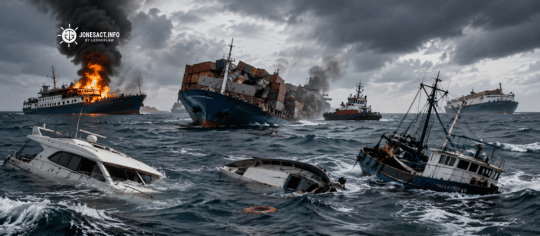
Key Takeaways: May 2026 saw at least 10 notable maritime incidents across U.S. waters and inland lakes, resulting in multiple fatalities and injuries. Accidents ranged from pier and dock collisions to sandbar groundings, boat fires, and suspected Boating Under the Influence (BUI) crashes. Crew members and passengers were affected by factors such as rough seas, nighttime navigation, and possible operator impairment. Several events occurred in calm or no-wake zones, underscoring that severe weather conditions were not the only risk factor. Rapid Coast Guard and local rescue responses prevented further loss of life in some maritime incidents. A cargo vessel lost roughly 70 cargo containers off North Carolina on May 30, and a 45-foot catamaran caught fire and sank south of St. Thomas on May 31, further expanding the month’s toll. These cases underline the need for better safety training, sober operation, and strict adherence to maritime regulations. Several notable maritime incidents occurred in the United States during May 2026, making it one of the more sobering months for boating safety in recent memory. In May 2026, there were several significant recreational and minor operational maritime accidents in U.S. waters, spanning everything from recreational boats and a sportfishing vessel to a workboat on a service pond and an offshore sailing yacht. Themes like crew members’ safety, heavy seas, nighttime navigation, and human error run through nearly every case, and the details that follow paint a clear picture of what went wrong and why it matters, even though not every dangerous situation involves severe weather. 10 Maritime Accidents in USA in May 2026: The following sections walk through 10 specific, documented maritime accidents in the USA in May 2026 in roughly chronological order. Each summary covers the date and time, location, accident type, casualties, essential details, and source links for further reading. Descriptions distinguish between fatalities, crew injuries, and close calls, with brief context on visibility, time of day, or environmental conditions when available. 1. Fatal Boat Crash Near Boston Logan Airport (Pier Collision): A fatal recreational boating accident occurred on May 13, 2026, in Boston, Massachusetts, when a twin-engine boat struck a pier near Logan International Airport at approximately 11:20 p.m. The collision killed one person and hospitalized three others. Accident Date, Location and Type: Date & Time: May 13, 2026, ~11:20 p.m. Location: Boston Harbor, Pier 4R adjacent to Runway 4R, East Boston, Massachusetts. Accident Type: High-speed pier collision in darkness. Accident Details: The twin-engine recreational boat, carrying four passengers (one man and three women), was reportedly taken without authorization from the Freedom Boat Club after hours. Operating in darkness, the boat struck Pier 4R near the airport runway, causing all passengers to be thrown onto slippery rocks beneath the pier. Elizabeth Dankert, a Union College graduate working at PTC software company, succumbed to injuries sustained in the crash. The other three passengers were hospitalized but sustained non-life-threatening injuries. Massachusetts State Police and Suffolk County District Attorney’s Office are investigating factors including speed, lighting conditions, and potential operator impairment. The incident highlights the dangers of unauthorized vessel use and nighttime navigation near complex harbor structures. Casualties: 1 death (Elizabeth “Lizzie” Dankert, 24, of Andover); 3 injured with non-life-threatening injuries. Sources: CBS News Boston, BoatTEST. 2. Fatal Boating Accident – Watauga Lake, Tennessee: On May 8, 2026, a man scheduled to compete in a bass tournament fell overboard in a no-wake zone on Watauga Lake and did not resurface, making it Tennessee’s 8th boating fatality of the year. Accident Date, Location and Type: Date & Time: May 8, 2026, ~7:00 p.m. Location: Rat Branch boat ramp, Watauga Lake, Hampton, Carter County, Tennessee. Accident Type: Fall overboard in a no-wake zone. Accident Details: Details: Alexander C. Luster was preparing to compete in a bass fishing tournament when he fell overboard near the Rat Branch boat ramp in the no-wake zone of Watauga Lake. Despite calm water conditions, Luster did not resurface, prompting a search by Carter County Rescue Squad divers. The body was recovered around 11:35 p.m. using a remotely operated vehicle (ROV) to assist in the underwater search. An autopsy was ordered to determine the exact cause of death. This incident underscores that even in restricted-speed zones and calm waters, risks such as accidental falls and drowning remain significant, especially when safety equipment like life jackets may not be worn or accessible. Casualties: 1 death (Alexander C. Luster, 36, of Boone, North Carolina). Sources: BoatTEST. 3. Boat Hit Sandbar – Jones Beach, New York: A recreational vessel struck a sandbar near Jones Beach on May 8, 2026, injuring the operator during a routine transit from Zachs Bay toward the Wantagh State Parkway bridge. Accident Date, Location and Type: Date & Time: May 8, 2026. Location: Waters near Jones Beach, Nassau County, Long Island, New York. Accident Type: Grounding on a sandbar. Accident Details: While navigating from Zachs Bay toward the Wantagh State Parkway bridge, the boat operator failed to avoid a sandbar in the shallow waters near Jones Beach. The unexpected grounding caused the operator to be thrown forward violently, resulting in a head injury. The vessel remained stuck on the sandbar until the Wantagh Fire Department arrived to assist. Emergency responders safely removed the injured captain and coordinated transport to a Nassau County ambulance for hospital treatment. This accident highlights the importance of updated navigational charts, awareness of shifting sandbars common in coastal areas, and cautious vessel operation in shallow waters. Casualties: 1 injured (captain sustained a head injury). Sources: BoatTEST. 4. Boat Struck Dock – Antioch, California: On May 10, 2026, a boat crashed into a marina dock at a waterfront restaurant in Antioch, California, injuring two people. Accident Date, Location and Type: Date & Time: May 10, 2026. Location: Antioch Marina, Contra Costa County, California. Accident Type: Collision with a dock. Accident Details: The vessel was attempting to dock at the Antioch Marina near a local restaurant but collided with the dock structure, resulting in injuries to two occupants. Contra Costa County Fire Protection District (CONFIRE) responded
What Is The Main Cause Of Costa Concordia Accident?
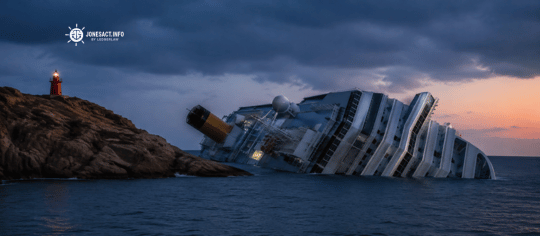
Key Takeaways: The main cause of the Costa Concordia accident was human error after the ship deviated from its planned route. Captain Francesco Schettino ordered an informal close-coastal salute near Giglio island. The cruise ship struck the le scole reef after navigating too close to shore in shallow waters. Disabled or ignored navigation safeguards, weak bridge communication, and delayed evacuation procedures worsened the disaster. Thirty two people died, while more than 4,200 passengers and crew were rescued. The Costa Concordia disaster forced major changes to cruise line safety rules, muster drills, and route controls. Costa Crociere’s chief executive said in July 2014 that removing the wreck would cost 1.5 billion euros, about $2 billion, PBS NewsHour reported. On the night of 13 January 2012, the costa concordia was sailing through a calm Tyrrhenian sea near giglio island. The mood on board was relaxed: restaurants were open, many passengers were settling into the first evening of their cruise, and the huge ship looked like a floating resort, complete with restaurants, theaters, and four swimming pools. Then the ship struck submerged rocks. Within minutes, water flooded critical spaces, lights failed, and the cruise ship began to list. Passengers were first told the problem was only an electrical fault, but the situation was already far more serious. By the next morning, the concordia lay on her starboard side near isola del giglio, half-submerged and visible from the shore. The central question is still unsettling: how could one of the most advanced modern cruise ships run aground on a known reef in good weather? The answer is not a single broken machine or a freak act of nature. It is a chain of choices involving navigation, human error, bridge discipline, company culture, and delayed emergency response. This article explains the cause of the Costa Concordia accident in practical terms, from the fatal route deviation to the evacuation and the reforms that followed across the cruise industry. 10 Main Reasons – What Caused the Costa Concordia Accident? The primary cause of the incident was an unauthorized route deviation for a close “sail-by salute” near giglio island, combined with navigation mistakes and a severely delayed rescue operation process. 1. Unauthorized Route Deviation: The primary cause of the Costa Concordia incident was an unauthorized deviation from the planned course. Captain Francesco Schettino ordered a close “sail-by salute” near Giglio Island, bringing the ship dangerously close to the shore and the submerged Le Scole reef. This maneuver was not part of the official passage plan and significantly reduced safety margins. 2. Risky Close-Coastal Maneuver: The ship navigated at an unsafe speed of approximately 15.5 knots in dark conditions near shallow reefs. This close-coastal maneuver increased the risk of collision with underwater hazards, leaving little room for error or corrective action. 3. Disabled or Ignored Navigation Safeguards: Despite having advanced navigation systems such as electronic charts, radar, and alarms, many safety features were muted, ignored, or inadequately used. This failure in utilizing technology effectively contributed to the bridge’s poor situational awareness. 4. Poor Bridge Communication and Resource Management: Communication breakdowns and weak bridge resource management played a critical role. Confusion over helm orders, language barriers with the helmsman, and a lack of challenge to the captain’s risky decisions led to delayed or incorrect maneuvers. 5. Delayed Emergency Response and Evacuation: There was a significant delay of nearly an hour between the collision and the formal abandon-ship order. Passengers were initially misinformed that the issue was an electrical fault, which slowed muster and evacuation efforts. This delay worsened the situation as the ship’s list increased and the sinking made rescue and evacuation more difficult. 6. Insufficient Crew Training and Preparedness: Many crew members were not adequately trained for emergency situations. The absence of a mandatory muster drill before departure meant passengers were unfamiliar with evacuation procedures, leading to confusion and chaos during the emergency. 7. Culture of Normalization of Deviance: A systemic culture within Costa Cruises and the wider industry tolerated risky practices, such as unauthorized close passes to shore, because previous attempts had not resulted in occurrences. This normalization of deviance lowered safety standards and encouraged complacency. 8. Captain’s Abandonment of Ship: Captain Schettino abandoned the ship before all passengers and crew had evacuated, violating maritime protocols. He was later convicted of multiple charges, including manslaughter, causing a maritime disaster, and abandoning ship, and was sentenced to 16 years in prison. His premature departure undermined leadership during the crisis and contributed to the overall chaos. 9. Inadequate Enforcement of Safety Protocols: Although formal safety management systems existed, enforcement was lax. The failure to rigorously apply passage plans, conduct regular drills, and maintain bridge discipline allowed unsafe practices to persist unchecked. 10. Overreliance on Visual Navigation in Darkness: The bridge team relied heavily on visual cues despite darkness and challenging coastal geography. This overreliance, combined with insufficient cross-checking of electronic navigation data, impaired hazard detection and timely response. These causes combined to create a catastrophic chain of events that led to the grounding, flooding, and eventual capsizing of the Costa Concordia, making it one of the most significant maritime disasters in recent history.: Human Error, Risk Culture & Lasting Lessons Background: The Costa Concordia And Her Final Voyage: Costa Concordia was a 114,500 GT cruise ship operated by Costa cruises, also known as costa crociere, under the wider carnival corporation business group. Launched in 2005 and entering service after her maiden voyage period, she represented the scale and confidence of modern cruise ships in the early 2000s. The ship was about 290 metres long and designed as a floating hotel. It carried thousands of maritime travelers and crew, with multiple restaurants, entertainment venues, swimming pools, cabins, and a large superstructure that made stability and rescue planning especially important in maritime emergencies. On 13 January 2012, the ship was beginning a Mediterranean itinerary from Civitavecchia, with planned calls at ports such as Savona, Marseille, Barcelona, Palma, Cagliari, and Palermo. There were roughly 4,229 people on board, including about 3,206 passengers