
What Every Boater Should Know: Most Boating Accidents Occur During Which Weather Conditions?
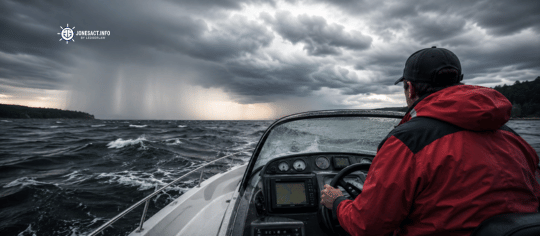
Key Takeaways: Most boating accidents occur in calm water, clear skies, light wind, and good visibility-not during storms or hurricane warnings. Good weather puts more boats on the water, which increases the risk of collisions, falls overboard, alcohol-related incidents, and operator mistakes. Severe weather creates fewer total accidents because fewer boaters launch, but storms, fog, rough water, and high winds are far more likely to turn fatal. Operator inattention, improper lookout, inexperience, speed, and alcohol are major causes of boating accidents in every type of weather. Wearing life jackets is one of the simplest ways to reduce drowning and boating deaths. A boating safety course helps boat operators learn weather judgment, navigation rules, emergency operation, and collision avoidance. Many serious boating accidents cluster during daylight hours, summer months, weekends, and holiday afternoons. Do most boating accidents happen in bad weather or good weather? The surprising answer is good weather. U.S. Coast Guard recreational boating data repeatedly shows that most boating accidents occur during calm, clear, daylight conditions with light wind and good visibility. That does not mean storms are safe. Thunderstorms, hurricane warnings, rough water, fog, lightning, and strong winds create severe dangers for boaters. The difference is volume: fewer people go out in bad weather, while clear skies bring crowded waterways, faster boats, social drinking, and a lower sense of risk. In this guide, you’ll learn which weather conditions are linked to the majority of boating accidents, which conditions are most dangerous when accidents occur, and how practical boating safety habits can help you avoid injuries, drowning, and fatal accidents. Understanding Marine Weather Risks : Most Boating Accidents Occur During Which Weather Conditions? The direct answer is this: most reported recreational boating accidents occur during calm water, light wind, and good visibility under clear skies. According to the U.S. Coast Guard’s 2023 recreational boating statistics, 2,387 of 3,844 accidents-about 62%-occurred when water was calm, meaning waves were under 6 inches. Light or no wind was also involved in roughly two-thirds of all accidents. You can review the Coast Guard’s annual data in the 2023 Recreational Boating Statistics report. That is why the keyword question “most boating accidents occur during which weather conditions” has a counterintuitive answer. Most boating accidents happen when the weather feels safe. Calm water, clear visibility, and light wind encourage boaters to relax, speed up, socialize, and pay less attention to other vessels, floating objects, swimmers, and navigational hazards. Accidents occur more often in fair weather because fair weather creates more exposure. More boats leave the dock. More passengers move around the deck. More people swim, tow tubes, drink alcohol, and stay out longer. When the number of boats increases, so does the number of opportunities for collisions, falls overboard, swamping, running aground, and injuries. In severe weather, the number of total accidents is often lower because prudent boaters stay at shore or return early. But when accidents occur during storms, rough water, fog, high winds, or hurricane warnings, the results are typically more severe. Small vessels can be overwhelmed quickly, and rescue may be more difficult at night, in poor visibility, or far from shore. The key weather conditions affecting boating safety include calm and clear days, gusty winds, rough water, thunderstorms, lightning, fog, reduced visibility, extreme cold, and tropical systems. High winds, reduced visibility, extreme waves, lightning, and rapid temperature drops are the primary weather factors that dramatically elevate the risk of boating accidents. That is why marine weather awareness is essential. Before leaving, boat operators should understand wind speed, wind direction, wave height, swell, storm outlook, visibility, and water temperature. While underway, boaters should keep checking the sky, watching other boats, and responding quickly when conditions change. Fair Weather, Hidden Dangers: Why Most Boating Accidents Occur in Calm, Clear Conditions: Coast Guard and state boating reports routinely show that the majority of recreational boating accidents occur in daylight, fair weather, and calm seas. More than three-quarters of all recreational boating accidents occur in broad daylight, which reinforces the point that visibility alone does not prevent mistakes. Fair weather is dangerous because it lowers caution. Boaters feel comfortable, passengers relax, and hazards seem less urgent. Here are the main reasons many accidents happen when conditions appear ideal: Risk compensation: Under clear skies, boaters often feel safer and may take more chances with speed, distance, alcohol, or passenger movement. Crowded waterways: Calm summer weekends put more boats, jet skis, paddlecraft, swimmers, and towable riders in the same areas, increasing collision risk. More social activity: Swimming off the boat, towing tubes, standing while underway, and moving between seats can lead to falls, drowning, or capsizing. Distraction: Music, phones, guests, and conversation can pull attention away from other vessels, channel markers, objects in the water, and wakes. Overconfidence: Experienced and inexperienced boat operators alike may underestimate currents, wakes, shoals, or the turning radius of their boats. Alcohol use: Good weather and weekend leisure often increase drinking, which slows reaction time and weakens judgment. Calm water can still kill: A fall overboard in calm water can become fatal if the person is injured, intoxicated, not wearing a pfd, or unable to get back aboard. Most non-fatal boating accidents are caused by collisions with other boats or objects in the water, emphasizing the importance of having a lookout posted at all times. Even when the weather is clear, a proper lookout by sight and hearing is one of the most important security habits on the water. In busy places such as Miami and other parts of florida, fair-weather boating risk is amplified by traffic. The main reasons for boating accidents in Miami include failure to follow safety guidelines and an increase in the number of boats on the water. Dangerous Weather Conditions for Boating: When the Risk of Death Skyrockets: Although most boating accidents occur in good weather, severe conditions dramatically raise the chance that an accident becomes fatal. Prudent skippers avoid leaving port when hurricane warnings, gale warnings, small craft advisories, or severe thunderstorm forecasts are in
10 Worst Oil Rig Accidents in US History
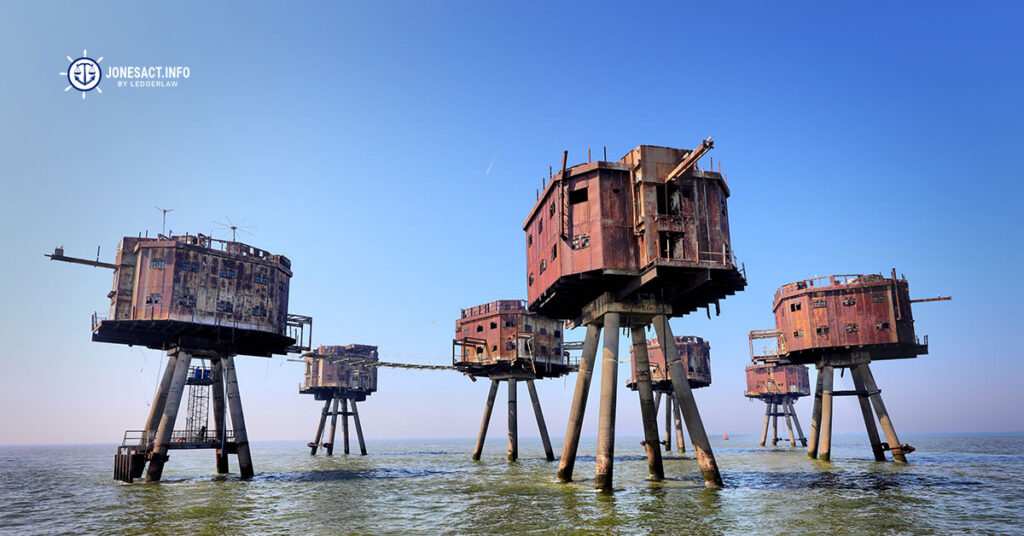
Key Takeaways: US oil rig accidents have caused mass casualties, environmental harm, and sweeping offshore drilling reforms over decades. The Deepwater Horizon explosion in the Gulf of Mexico remains the most devastating US offshore drilling disaster ever recorded. Several incidents, including Lake Peigneur and Vermilion Block 380, involved natural gas leaks and blowouts rather than crude oil spills. Many victims and families sought compensation through maritime law, the Jones Act, and related offshore injury claims. Offshore oil rigs are massive engineering structures designed to extract hydrocarbons from reservoirs thousands of feet beneath the ocean floor. Offshore workers in the oil and gas industry face unique hazards daily—high-pressure wells exceeding 15,000 psi, volatile natural gas compositions, and remote locations often 100 miles offshore where rescue times stretch to hours amid unpredictable weather. Offshore drilling has been shaped by catastrophic failures that triggered radical shifts in federal oversight and industry standards. In 1969, an oil production platform experienced a blowout off the coast of Santa Barbara, releasing over four million gallons of oil into the ocean. This incident led to significant environmental harm and contributed to the establishment of the Environmental Protection Agency and the Clean Water Act. The National Environmental Policy Act was directly inspired by a major oil spill that galvanized the modern environmental movement. Blowouts, explosions, and fires remain common causes of deadly oil rig disasters. Accidents in the oil industry have historically reshaped safety regulations, leading to a shift from simple checklists to comprehensive Safety Management Systems. The industry has moved toward “Safety Case” regulations requiring operators to identify hazards and prove they have mitigation measures in place. For context, the Piper Alpha disaster on July 6, 1988, in the North Sea is the deadliest offshore oil disaster in history, claiming 167 lives. This article covers 10 of the worst offshore accidents based on loss of life, serious injuries, and legal consequences. Understanding these events helps improve safety standards and informs injured workers about their legal options. 10 Devastating Oil Rig Accidents in United States 1. Deepwater Horizon Explosion: On April 20, 2010, the Transocean-owned Deepwater Horizon drilling rig suffered a catastrophic blowout while drilling the Macondo well about 41 miles off Louisiana in the Gulf of Mexico. High-pressure hydrocarbons escaped when cement plugs failed to isolate the well, permitting a methane-rich gas influx that overwhelmed the blowout preventer. The massive explosion and resulting fire engulfed the rig, which capsized and sank two days later. The Deepwater Horizon disaster resulted in the largest oil spill in US history, with an estimated 4 million barrels of oil released into the Gulf of Mexico over 87 days, causing extensive environmental damage. In the aftermath, BP faced record-setting settlements and fines, marking some of the largest environmental penalties ever imposed in the United States. Improved testing and verification procedures for well cement jobs are now recognized as essential to prevent gas from migrating into the wellbore. The disaster occurred when oil began flowing uncontrollably from the ocean floor, devastating 1,100 miles of Louisiana marsh and killing hundreds of thousands of birds. Deepwater Horizon Explosion Injuries & Fatalities: The Deepwater Horizon explosion on April 20, 2010, resulted in 11 fatalities. Out of 126 crew members aboard, 17 suffered serious injuries including severe burns, blast trauma, and smoke inhalation. The chaotic nighttime evacuation saw 99 survivors escape via lifeboats amid 80-foot waves. Many injured crew members later pursued Jones Act and general maritime law claims for medical expenses and lost earnings, with psychological trauma including PTSD affecting 30% of responders. Legal Consequences of the Deepwater Horizon Explosion: Federal investigations found BP grossly negligent under the Clean Water Act. Following the Deepwater Horizon explosion, BP agreed to pay over $20 billion in fines and settlements, marking the largest environmental penalty in US history. Criminal charges resulted in BP’s $4 billion felony fine, while Transocean paid $1 billion and Halliburton $1.2 billion. The Bureau of Safety and Environmental Enforcement was created to separate safety oversight from leasing revenue and mandated stricter blowout preventer inspections. The establishment of BSEE replaced the old Minerals Management Service to provide stricter oversight of offshore operations. Following the Deepwater Horizon explosion in 2010, new safety regulations were implemented, including stricter blowout preventer standards and improved emergency response protocols. 2. Lake Peigneur Blowout: On November 20, 1980, a Texaco-contracted drilling rig operating under Lake Peigneur in Louisiana accidentally punctured the roof of an active salt mine. The mistake triggered a massive whirlpool that swallowed the drilling rig, eleven barges, trees, and large sections of shoreline. The Delcambre Canal temporarily reversed flow as Gulf water rushed into the collapsing lake and mine caverns, creating one of the most visually catastrophic disasters in US drilling history. This incident occurred during exploratory gas drilling rather than crude oil extraction. The lake’s depth changed from 3 feet to over 1,300 feet in places, and salinity tripled, devastating freshwater fisheries. Lake Peigneur Blowout Injuries & Fatalities: The Lake Peigneur blowout on November 20, 1980, created a massive whirlpool that swallowed a drilling rig and eleven barges, but remarkably, all 55 workers escaped unharmed. All 50 underground miners also surfaced safely via elevators. Quick evacuation and alarms allowed offshore workers and miners to flee as the sinkhole expanded, with only minor injuries and emotional trauma reported. Legal Consequences of the Lake Peigneur Blowout: In the aftermath of the Lake Peigneur Blowout, Texaco settled lawsuits for approximately $32 million to cover damages, and the incident led to regulatory changes for geological surveys to prevent similar accidents. Additional settlements totaling roughly $13 million went to fishermen and landowners. The accident led to stricter subsurface mapping requirements and coordination protocols between drillers and mining operations. 3. C.P. Baker Drilling Barge Explosion (1964): On June 30, 1964, the C.P. Baker drilling barge in the Gulf of Mexico suffered a sudden gas blowout while working a well for Pan American Petroleum about 75 miles offshore Louisiana. Natural gas and drilling mud surged onto the deck, ignited via hot manifold contact, and
Why Is Underwater Welding So Dangerous? – Physical Dangers | Long-Term Health Risks | Legal Protections and Compensation
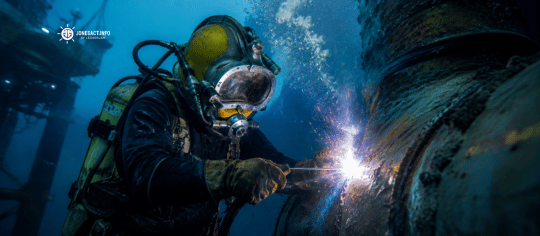
Key Takeaways: Underwater welding is so dangerous because electricity, pressure, water, and distance from rescue combine. Fatality rates may reach a lifetime estimate of 15%, though modern safety has improved outcomes. Underwater welders face electrical hazards, decompression sickness, explosions, marine wildlife, and poor visibility. Most wet welding jobs happen in wet environments where rescue can be delayed. Decompression stress can cause joint pain, neurological damage, lung damage, and Dysbaric Osteonecrosis. U.S. laws like the Jones Act and LHWCA may protect injured workers and families. Underwater welding is welding performed underwater on ship hulls, offshore oil rigs, oil rigs, offshore pipelines, subsea pipelines, bridges, and marine structures. It can be a lucrative career, but it is also a dangerous profession requiring unique skills, specialized training, extensive training, and specialized equipment. So, why is underwater welding so dangerous? Because welding underwater combines high-voltage equipment, water pressure, limited visibility, cold water, marine life, and emergency response delays in one working environment. Investigations and industry summaries place the estimated lifetime fatality rate near 15%, with some claims saying this is about 40 times higher than commercial divers overall and over 1,000 times the U.S. national average for all workers. These numbers are debated, but the danger is not. Why Is Underwater Welding So Dangerous? Underwater welding is one of the most dangerous professions because it combines extreme environmental pressures and hazardous equipment. The biggest dangers of underwater welding include electric shock, electrical shock, drowning, decompression sickness, explosions, equipment failure, and delayed medical attention. Underwater welding has one of the highest fatality rates in the industrial sector and is often compared unfavorably to logging and fishing. Main causes of death include drowning and decompression sickness, and the underwater welding death rate is alarming because one mistake can cascade into several failures. For example, electrocution is a significant risk because water is highly conductive; if insulation fails or improper body positioning occurs, current can pass through the human body. If an underwater welder loses consciousness, drowning can follow quickly. The life expectancy of an underwater welder is sometimes estimated at 35–40 years for some offshore roles, compared with about 78 years in the U.S., though actual life expectancy varies widely by employer, region, safety culture, and type of actual work. Core Physical Dangers of Underwater Welding: Electrical Hazards and Risk of Electric Shock: Underwater welders work with an electric arc, welding tools, and special waterproof equipment in a conductive underwater environment. Direct current is preferred over AC, but DC only reduces risk; it does not remove electrical hazards. The risk of drowning is significant because equipment malfunction or human error can become life-threatening. Proper protective gear, thermal protection suits, full-face masks, waterproof welding gear, and regular inspections of welding machines and diving gear are essential. Explosions, Fires, and Burns Below the Surface: The welding process can release hydrogen and oxygen gases. If these gases accumulate in gas pockets, a spark can ignite them and create dangerous explosions. Confined spaces such as tanks, caissons, and hull sections amplify blast effects. Extreme temperatures from the welding arc can also cause thermal burns, arc flash injuries, and molten metal burns even underwater. Drowning, Entrapment, and Diving Suit Failures: Drowning can follow electric shock, gas exposure, blunt trauma, or breathing apparatus failure. Diving suits, helmets, umbilicals, and surface air systems keep divers alive, so a small failure can be fatal. Differential Pressure (Delta P) refers to powerful suction created when water moves through narrow openings; it can trap a diver and make escape difficult. Strong currents, waves, and surge can also pull a diver off position. Pressure, Decompression Sickness, and “The Bends” Decompression sickness, commonly called the bends, occurs when a diver surfaces too quickly after time at depth, causing nitrogen bubbles to form in the bloodstream. It can cause joint pain, paralysis, neurological damage, or death if not treated promptly in a hyperbaric chamber. Prolonged exposure to pressure can cause Dysbaric Osteonecrosis, which damages blood vessels and can cause bone tissue death. Decompression tables, dive computers, and strict safety protocols reduce risk, but rushed schedules raise it. Cold, Hypothermia, and Environmental Stress: Hypothermia is a major risk because deep ocean cold water rapidly depletes body heat. It causes clumsiness, confusion, impaired cognitive function, and physical exhaustion. This is why underwater welders must follow strict safety protocols in harsh locations such as the North Sea, where water pressure, cold, and fatigue compound every hazard. Wet vs. Dry Underwater Welding: Comparing the Risk: Wet Welding: Directly in the Water Column: Wet welding is performed directly in the water with the electrode and arc exposed. It is used for fast repairs, hull patches, and emergency pipeline work because setup is cheaper and faster. Wet welding is riskier because the diver, electrode, and surrounding water interact directly. Poor visibility, flammable gases, marine life, and unstable positioning make wet welding jobs especially hazardous. Dry Welding and Habitat Welding: Hyperbaric Chambers: Dry welding, habitat welding, and hyperbaric welding use a sealed chamber attached to the structure, creating a dry environment. This improves visibility, gas control, and standard underwater welding techniques. However, dry welding is still dangerous because the habitat remains pressurized. Fire, flooding, complex equipment, and decompression remain inherent risks. Why Wet Welding Is Considered More Dangerous: Wet welding is generally more dangerous than dry welding because protection is limited and hazards are less controlled. Most catastrophic underwater welding accident scenarios involve shock, drowning, trapped gas, or poor visibility. Contractors may accept wet welding risk to avoid habitat cost and downtime, especially in the maritime industry. Hidden Long-Term Health Risks and Life Expectancy: Life Expectancy of an Underwater Welder: The 35–40-year estimate is not from one perfect database, but it reflects acute accidents plus long-term damage. The question is not only why underwater welders die, but how surviving welders may live with chronic injury. Decompression Damage, Joint Pain, and Neurological Issues: Repeated compression and decompression can damage joints, cartilage, bones, and nerves. Chronic decompression sickness may shorten careers and require therapy, disability benefits, or
What Is The Amount Of Fees In Maritime Case Injured On Job | Contact Maritime Attorneys
Key Takeaways: Most Jones Act and maritime injury cases use contingency fees of about 33.3% to 40% of the financial compensation recovered. “No win, no fee” usually means no attorney’s fee is owed without a settlement or verdict, but case costs depend on the written agreement. Maritime law is specialized, so fees can be higher than in a routine car crash or workers compensation claim. A fee agreement should explain whether filing fees, experts, court costs, and deposition costs are separate from contingency fees. Do not choose a maritime injury attorney based only on price; experience with Jones Act claims in state or federal court matters. A free case evaluation lets injured maritime workers ask about legal fees, timelines, and likely case value before hiring a law firm. When you are injured on the job offshore, on a vessel, or at a dock, bills can arrive before answers do. Maritime workers may face lost wages, medical treatment delays, medical bills, and rules that are different from ordinary workers compensation. This guide explains the amount of fees in maritime cases injured on job situations, including how contingency fees work, what costs may be deducted, and what happens if a maritime injury claim is lost. Briefly Explain – What Is The Amount Of Fees In Maritime Case Injured On Job? Most maritime attorneys work on a contingency fee basis, meaning the lawyer is paid only if the injury claim produces money. Maritime cases typically carry a 33.3% to 40% contingency fee, which is higher than standard onshore personal injury claims that usually charge a 33.3% fee. A Jones act claim may start near 33 1⁄3% if it resolves early. The percentage may rise to around 40% if the maritime injury cases require filing suit, discovery, expert testimony, or trial in federal court. Some agreements increase again for appeals, so read the contract carefully. Most injury attorneys do not charge retainers or hourly fees to injured seamen who cannot pay upfront. For example, in a $600,000 offshore back injury settlement, a 40% fee equals $240,000 before case costs and liens are handled. Understanding Common Fee Structures in Maritime Law: Fee structures vary, but injured maritime workers usually see these options: Contingency fee arrangements: The dominant model for a maritime injury lawyer. No fee is charged unless the lawyer helps recover compensation. Hourly billing: More common for a vessel owner, insurer, or maritime industry company than for injured seamen. Flat fees: Rare for a serious maritime personal injury lawyer handling a Jones Act case. Hybrid fees: A reduced hourly rate plus a smaller contingency may exist, but it is uncommon in maritime injury claims. Access-to-justice benefit: Contingency fees allow an injured worker to get legal representation even after catastrophic injuries, an offshore accident, or an oil rig explosion. What Maritime Attorneys Do for the Fee: A maritime attorney does more than send a demand letter. The legal team investigates the maritime accident, preserves vessel logs and electronic data, interviews crew, and works with experts. Key work often includes: Filing pleadings in state or federal court under admiralty law and federal law. Handling discovery, motions, depositions, and settlement negotiations. Building a negligence claim by showing unsafe conditions or employer fault. Evaluating medical expenses, lost wages, pain and suffering damages, and future care. Working with marine safety experts, physicians, and vocational rehabilitation specialists. Advising injury victims whether a fair settlement truly provides fair compensation. “No Win, No Fee” in Maritime Injury Cases: “No win, no fee” means that if the maritime injury attorney recovers no money, no attorney’s fee is owed. Maritime attorneys typically work on a contingency fee basis and usually take around 40% of the final recovery when the case is successful. Many firms advance filing fees, expert witness fees, deposition transcripts, travel, and other court costs. Unlike hourly attorneys, maritime attorneys advance all case costs, which may include expenses for expert witnesses and other necessary resources, absorbing these costs if the case is unsuccessful when the contract says so. Other contracts require reimbursement even after a loss, so ask before signing. Why Maritime Law Fees Are Often Higher Than Other Injury Cases: In maritime injury cases, legal fees operate under distinct rules compared to standard personal injury or onshore workers’ compensation claims. Maritime attorney fees are generally higher than those for car accident cases due to the complexity of maritime law, which involves federal statutes and specialized knowledge. A Jones Act case may involve seaman status, unseaworthiness, maintenance and cure, and third-party liability. The Jones Act, officially known as the Merchant Marine Act of 1920, allows injured seamen to sue their employers for personal injury damages resulting from negligence. The Jones Act provides a lower burden of proof for injured workers compared to traditional personal injury law, requiring only that the employer’s negligence played some part in causing the injury. Is It Possible to Hire a Maritime Lawyer for Less Money? Yes, but price should not be the only factor. Some personal injury lawyers advertise lower fees but may lack maritime law trial experience. Net recovery matters more than the lowest percentage. A lower fee is not helpful if the lawyer misses maintenance and cure, unseaworthiness, or future wage loss. Ask about prior Jones Act verdicts, offshore injury settlements, and whether the attorney has handled claims for offshore oil rig workers and other maritime workers. An experienced maritime lawyer may recover damages that a general injury lawyer overlooks. Beware of Escalating or Confusing Fee Agreements: Some contracts use escalating percentages. The fee may be 33⅓% before a lawsuit, 40% after filing, and higher after trial or appeal. Other contracts use one flat percentage whether the maritime claim settles early or after a federal court trial. Ask for examples in dollars. If a lawyer cannot explain the fee, costs, and likely deductions in plain English, slow down. Keep a signed copy and review it before accepting any settlement. Know What You Owe Before Accepting a Settlement: From the gross settlement, deductions usually include
Foreign Seaman and Common Law Rights in Arbitration
Key Takeaways: Foreign seamen—Filipino engine room workers, Brazilian waiters, Ukrainian deck officers, and Indonesian housekeepers—form the backbone of international shipping. These maritime workers are typically hired abroad through crewing agencies in Manila, Mumbai, or Eastern Europe, signing employment contracts that will govern their rights for years at sea. After the 1990s expansion of international cruise and offshore energy fleets, shipowners began routinely inserting arbitration clauses into these contracts. These provisions require disputes—including personal injury claims, wage disputes, and wrongful death actions—to be resolved in foreign forums like Manila, London, or Nassau under foreign law rather than in U.S. district court proceedings. Foreign seamen injured on vessels calling at U.S. ports between 2000 and 2026 have frequently faced a defendant’s motion to compel arbitration under the New York Convention, which can push their cases out of American courts entirely. This creates a fundamental tension between the Federal Arbitration Act’s seaman exemption, the Jones Act’s negligence protections, and international treaty obligations favoring foreign arbitral awards. This article examines how U.S. courts have treated the foreign seaman’s arbitration clause, common law rights, and choice of law issues—particularly in circuits like the Fifth and Eleventh Circuit that handle substantial cruise ship and offshore energy litigation. Foreign Seaman and Common Law Rights in Arbitration With Seamen’s Employment Contracts: An arbitration clause in a maritime employment contract is a provision requiring that disputes be resolved through private arbitration rather than court litigation. These clauses typically appear in the “Standard Terms and Conditions” that seamen sign at hiring offices in Manila, Mumbai, or Odessa—often without meaningful opportunity to negotiate. Many foreign seaman’s contracts designate foreign law (Philippine law, Norwegian law, Bahamian law) and foreign arbitration forums for disputes involving personal injury, lost wages, and termination. A written agreement to arbitrate is required for these arbitration agreements to be enforceable, and common law and international treaties often make them more enforceable for foreign seamen than for American citizens working in U.S. territorial waters. Consider a concrete example: A Filipino seaman injured aboard a Miami-based cruise ship may discover that his seaman’s employment contract requires arbitration in Manila under Philippine law. Despite the injury occurring in U.S. waters and the vessel owner maintaining headquarters in Florida, the arbitration provision contained in his contract could remove his case from federal courts entirely. Key characteristics of these clauses: Cover Jones Act negligence claims, unseaworthiness, and maintenance and cure claims. Designate a foreign forum (often the seaman’s nationality jurisdiction). Specify foreign law governing the dispute. Remove the right to a jury trial available in American court proceedings. The New York Convention treats these as “commercial” contracts, allowing shipowners to seek enforcement in U.S. courts. The Federal Arbitration Act, New York Convention, and the Seamen’s Exemption: The Federal Arbitration Act, enacted in 1925, established a strong presumption favoring enforcement of written arbitration agreements in matters affecting foreign or interstate commerce. The FAA generally requires trial courts to enforce arbitration provisions in maritime contracts. However, Section 1 of the FAA contains a critical carve-out: it expressly excludes “contracts of employment of seamen, railroad employees, or any other class of workers engaged in foreign or interstate commerce” from mandatory arbitration. The U.S. Supreme Court has ruled that seafarers are “wards of admiralty,” emphasizing the need for special protections due to the unique hazards they face at sea. This exemption reflects centuries of admiralty tradition treating seamen as deserving special solicitude. Despite this exemption, courts began using the New York Convention (implemented through Chapter 2 of the FAA) to enforce foreign arbitration clauses in crew contracts starting in the 1980s and 1990s: In Bautista v. Star Cruises, the Eleventh Circuit ruled that foreign seamen’s contracts are subject to arbitration under the Convention on the Recognition and Enforcement of Foreign Arbitral Awards, provided the agreements meet certain criteria. Arbitration clauses in employment agreements for American seamen working in U.S. waters are generally disfavored and likely to be deemed invalid, especially if the seaman and employer are both American. Cases from the Fifth Circuit and Eleventh Circuit have held that foreign seamen’s employment contracts can be treated as “commercial” relationships under the York Convention, allowing enforcement of foreign arbitration for injuries and maintenance and cure claims. The core conflict remains unresolved: whether the combination of the FAA and New York Convention can override U.S. statutory protections like the Jones Act and general maritime law remedies when arbitration clauses require application of foreign law. Common Law and Jones Act Rights of Foreign Seamen: Jones Act status does not depend on the seaman’s nationality. To qualify as a Jones Act seaman, an employee must satisfy a two-part test established by the U.S. Supreme Court, which does not require U.S. citizenship or residency: Contribution to vessel function: The worker must contribute to the essential function of the vessel or fleet Substantial connection: The worker must have a substantial connection to a vessel or fleet (typically 30% or more of work time) The Jones Act provides some of the most robust protections for maritime workers, often superior to those of foreign counterparts and U.S. land-based workers under standard worker’s compensation systems. Seamen are considered a protected class under the General Maritime Law of the United States, which affords them special protections and general deference under the law. Even foreign seamen may have U.S. common law and statutory rights when the subject vessel or employer has significant U.S. contacts. When a foreign seaman is employed by a United States company, U.S. legal policies and public interests may protect the seafarer, even if the employment contract specifies foreign law or forum: Right Description Availability to Foreign Seamen Jones Act Negligence Sue employer for negligence causing injury If substantial U.S. connection exists Unseaworthiness Strict liability for unfit vessel conditions Retained under general maritime law Maintenance and Cure Medical care and living expenses during recovery Available regardless of fault Wage Claims Protection under Seaman’s Wage Act If certain U.S. connections exist Foreign seamen may still argue employer negligence under the Jones Act if the ship
Liability Determination in Cruise Ship Injury Cases

Key Takeaways: If you’re injured on a cruise, legal responsibility typically falls on the cruise line, its crew, onboard medical staff, or third-party excursion operators. Maritime law and your cruise ticket contract together determine who can be held accountable and under what conditions. Liability in cruise ship injury cases usually turns on proving negligence by the cruise line was negligent in maintaining safe conditions, training employees, or responding to known hazards. Cruise lines are generally held liable for passenger injuries under maritime law, which requires proof of negligence or willful intent on the part of the cruise operator. Most major cruise lines like Carnival, Royal Caribbean, and Norwegian require passengers to provide written notice within approximately 6 months of an incident and file lawsuits within 1 year—often exclusively in Miami federal court. Under general maritime law, the statute of limitations for personal injury claims is three years from the date of the incident, but many cruise lines incorporate clauses in their passenger contracts that shorten this timeframe. Typical liability disputes include wet deck slip and fall accidents, cruise ship chair accidents involving defective loungers, medical malpractice cruise ship medical negligence in onboard infirmaries, and food poisoning illness outbreaks norovirus covid clusters from contaminated buffets. If you were injured on a cruise and are unsure who bears legal responsibility, you’re facing what attorneys call “liability determination”—identifying which person or company must legally compensate you under general maritime law and the contract of carriage embedded in your cruise ticket. Real-world incidents illustrate the complexity. Consider a 2023 wet-deck slip near a pool bar where a passenger fractured her hip due to absent warning cones despite crew awareness. Or a 2022 gangway collapse at Cozumel injuring multiple passengers from corroded metal ignored in pre-voyage inspections. A 2020 norovirus outbreak affected over 700 passengers from contaminated buffet tongs. A 2019 misdiagnosed stroke in a ship infirmary led to paralysis because the ship’s doctor delayed evacuation. Because cruise ship injury claims are governed by maritime law rather than typical state premises liability rules, the usual assumptions about where and when you can sue often do not apply. Understanding cruise ship liability requires navigating federal admiralty precedent, analyzing ticket contracts, and gathering evidence before it disappears. This article walks through how courts decide fault, what evidence matters most, how ticket deadlines work, and when a cruise ship injury lawyer becomes critical to protecting your claim. Understanding Cruise Ship Liability: Maritime Law and Common Carrier Duties: Cruise lines qualify as “common carriers” under maritime law, meaning they must exercise reasonable care under the circumstances to protect passengers from foreseeable harm. Cruise lines have a heightened duty of care as common carriers, meaning they must take extra precautions to ensure passenger safety compared to other types of businesses. General maritime law differs from ordinary state negligence law in several key ways: Notice requirements: Cruise lines must protect against hazards they knew about (actual notice) or should have discovered through reasonable inspections (constructive notice). Foreseeability focus: Courts examine whether similar incidents occurred previously or whether safety audits revealed risks. Federal preemption: For ships leaving or arriving at U.S. ports like PortMiami or Port Canaveral, U.S. maritime law controls even if the injury occurred in international waters. Cruise ship operators must demonstrate reasonable care to prevent foreseeable harm to passengers, which includes maintaining safe conditions on board and during excursions. However, cruise companies are not strictly liable—passengers must prove some form of negligence, such as failing to clean a spill, repair a defective chair, or enforce crowd-control policies. Tickets often attempt to limit liability through venue clauses, shortened time limits, and assumptions of risk. Under federal law, cruise ships cannot include provisions in tickets or contracts that waive liability for personal injury or death due to negligence when making port in the United States (46 U.S.C. § 30509). Common Types of Cruise Ship Injuries That Trigger Liability Analysis: Certain recurring accident patterns drive most ship injuries understanding cruise ship contexts. The majority of cruise ship injury claims involve slips, trips, or falls, primarily due to moving decks, frequent spills, and maintenance lapses. Slip, Trip, and Fall Accidents: Slip trip fall accidents account for approximately 40% of cruise injuries according to CDC data. Common locations include wet pool decks with algae buildup, unmarked step-downs in dining rooms, worn stair treads, and poorly lit corridors. Courts scrutinize housekeeping logs and patrol frequencies when evaluating notice. Cruise Ship Chair Accidents and Defective Furniture: Broken chairs defective furniture claims have risen significantly post-COVID due to deferred maintenance. Incidents involve collapsing aluminum loungers with fractured welds, barstools that tip due to loose bolts, and balcony chairs failing despite weight ratings. A deck chair a faulty design or stairs or missing handrails can cause severe injuries. Food Poisoning and Illness Outbreaks: Cruise ships are hotspots for foodborne illnesses, such as Norovirus and Legionnaires’ Disease, due to shared buffets and close quarters among passengers. CDC Vessel Sanitation Program scores below 85 often correlate with outbreak liability. Swimming Pool and Water Slide Injuries: Swimming pools and water slides on cruise ships pose serious risks, especially for children, due to the absence of properly trained lifeguards. Burns from improper chlorination and falls excursion accidents faulty equipment supervision create liability when staffing falls below safety protocols. Onboard Crime and Assault: Physical assaults and crimes, including sexual assault, can occur on cruise ships, despite the perception of safety onboard. Cruise ship liability waivers cannot eliminate liability for deliberate acts, such as physical or sexual assaults, as cruise lines must properly vet employees and maintain security onboard. Courts require crew members to contact law enforcement including the FBI when serious crimes occur. Tender, Gangway, and Shore Excursion Injuries: Injuries on tenders, gangways, and ship-sponsored excursions involve third party operators in many cases. Liability determination examines who controlled the location and operations—whether snorkeling diving drowning incidents or bus crashes transportation failures during organized tours. How Courts Determine Negligence in Cruise Ship Injury Cases: Courts analyze four elements in cruise ship injury lawsuits:
Defense Base Act Claims | Defense Base Act Settlement Amounts

Key Takeaways: More than 32,000 Federal employees work outside the United States (This includes U.S. territories and possessions). Working at a U.S. embassy is usually a pretty safe job. Unless you work in a country with lots of political upheaval (think Yemen, Afghanistan, Egypt, Uzbekistan). There are no stats showing how many civilian contractors on U.S. bases abroad have gotten hurt or died on the job. Dealing with paperwork after an on-the-job accident is hard enough in the “Land of the Free”. Dealing with the aftermath of an accident while you work for the U.S. outside the country is even harder. What Is the DBA (Defense Base Act)? The Defense Base Act (DBA) is actually a division of the Longshore and Harbor Workers’ Compensation Act. Even though it has absolutely nothing to do with port and dock workers. The DBA covers people who work for the United States but not in one of the 50 U.S. states. It covers: Medical payments. Disability compensation. Lost wages. Death benefits. Who Qualifies For A DBA Claim? Civilian contractors on U.S. bases. Embassy workers. Anyone who works for a private employer on a U.S. base or on land the U.S. military uses. U.S. government agency employees. Employees doing contract work funded by the Foreign Assistance Act. You don’t have to be an American citizen to benefit from the DBA. It also covers: Local employees. Employees from third countries. What are the Injuries Covered Under the DBA? Traumatic injuries (think broken bones and concussions). Occupational disease (ranges from breathing in harmful chemicals to loss of hearing). Psychological illness. Repetitive stress injuries (such as carpal tunnel syndrome). Step By Step Defense Base Act Claims Process: If you need DBA money, make sure your claim gets processed right. Seek Immediate Medical Attention See a doctor immediately after your accident or at the first sign of symptoms. A doctor will: Document your complaints. Run tests to determine what the problem is and what caused it. Tell you what kinds of treatments you need and how much they’ll cost. Tell you how your problems will affect your ability to work. And if so, for how long. Report the Incident to Your Employer: Tell your boss what happened. You have thirty days to do this from the date of your accident. Give your boss copies of your medical report. Your boss will file a claim with the DBA insurance company. Understand Your Rights Under the Defense Base Act: You should start getting payments within 14 days of telling your employer about your injury. If your employer doesn’t pay up within 28 days (from the time you first told him/her about your injury) you could be able to claim additional compensation. You should get payments bi-weekly once they’re approved. You can pick your doctor (although it’s best to choose one that’s familiar with the DBA). Payments include compensation for the cost of traveling to/from the doctor. Compensation should also cover the cost of having to return to the U.S. for treatment. Consult a Defense Base Act Attorney Unfortunately, insurers won’t always automatically recognize your rights. They’ll try to get out of paying by: Claiming your line of work isn’t covered by the DBA. Claiming your injuries aren’t as serious as you say. Claiming your injuries aren’t job-related. Dealing with insurers and an injury/sickness at the same time is very, very hard. Especially since insurance adjusters are experts in getting people to say or do something that could cost them benefits. A good DBA lawyer can help you by: Proving you’re covered by the DBA. Collecting evidence that shows how, where, and when the accident happened. Collecting evidence (and getting expert testimony) to provide you need the medical help you’re claiming. File Your Defense Base Act Claim: Collect as much evidence as you can to back up your claim. Tell your employer about your claim. Your employer will contact the insurance company. Fill out the forms relevant to your claim. Send them to the insurer. It’s best to hire a lawyer as soon as you know that you need to file a DBA claim. But you can also hire one in the middle of the claims process. An Overview On Defense Base Act Settlements: “Mid-tier” settlements range between $250,000 and $500,000. “High-end” settlements range between $750,000 and $1 million. Recent DBA Settlements: A chef contractor at an understaffed facility in Iraq slipped, resulting in hip damage. A DBA lawyer won the chef a $510,000 settlement. A helicopter pilot who was crammed in a very small space while flying wound up with spine injuries. The pilot wound up with $615,000 in compensation. DBA PTSD Settlements: A linguist was attached to a team in Iraq. The team was attacked, and the linguist suffered PTSD as a result. The compensation came to $575,000. Defense Base Act Wage Benefits Calculation Process: How much money you get will depend on: How serious your injury is. How long it will last. How it affects your ability to work. Permanent Total Disability(PTD): People with a PTD are eligible to receive lifetime payments. Temporary Total Disability(TTD): You should get up to 66.6% of your average weekly wage until you’re better. Permanent Partial Disability(PPD): How much you get depends on: The impairment rating you’re given. Which body part was injured/disabled. Temporary Partial Disability(TPD): It depends on: Which part of your body is hurt. How long you’ll be injured. Your average weekly wage. Contact Jonesact.Info For The Best DBA Lawyer for Maritime Workers: Are you DBA-covered and need to file a claim? Are you a maritime worker who’s covered by the Jones Act? If the answer to either of these is yes, we can help you. Our team specializes in DBA claims. We have a winning track record. Plus: We offer a free initial consultation. We operate on a “no win = no fee” basis. Conclusion: If you work for the U.S. government outside the United States, the odds are you’re covered by the DBA But that doesn’t mean claiming compensation under
NTSB Issues Final Report On FV Katmai Fishing Vessel Sinking – Key Findings Explained
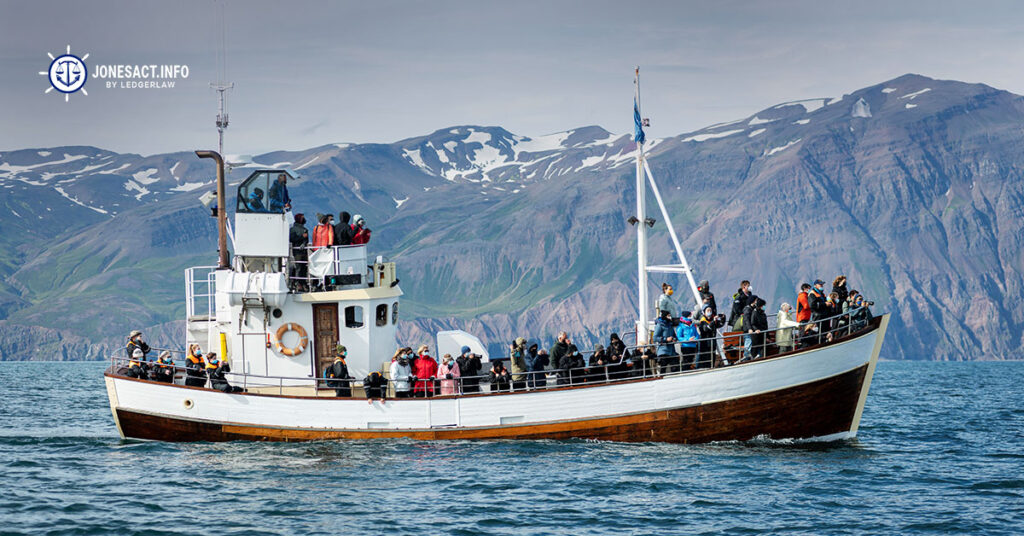
Key Takeaways: You may have heard of the Katmai. It’s a large boat operating in the Bering Sea. The fishing vessel sank in October of 2008. Eleven people were on board. Just four survived the sinking. The National Transportation Safety Board investigated. Their goal? To determine why a seemingly well-maintained boat failed. Lots of investigating was necessary. Little actual evidence was available. THe information from four people was used to determine what really happened. The board’s final ruling involved a number of complicated matters. All contributed to the reason for the boat going down. The boat was carrying twice the amount of frozen cod on board that it should have been. Plus, there were miscommunications about the proper steering of the ship. A third factor was a door that someone failed to close. Someone didn’t shut the door. The National Transportation Safety Board said that’s one of the reasons the Katmai fishing vessel sank. The 93-foot fishing vessel was traveling through the Aleutian Islands on an October night in 2008. That’s when a massive storm blew in. The boat took on water. A watertight door wasn’t properly shut. Someone didn’t do their job. That lets water get deep into the hull. Four of the 11 people on board were alive after the incident. The victims told their story to the National Transportation Safety Board (NSTB) during an investigation. That’s when the board issued its decision on what really happened that night. National Transportation Safety Board NTSB Issues Final Report On FV Katmai Sinking: The Coast Guard raced to the sight of the Katmai that night. They tossed down two life rafts and managed to save four people. The other seven died. The National Transportation Safety Board had to find out why. Records showed the board had inspected the vessel within the last two years. It didn’t inspect the hull in those visits. It wasn’t possible to bring the boat up for an investigation. And sending divers into the water wasn’t an option. The board asked the four surviving crew members what happened. What they learned was that a number of smaller things contributed to the loss of life. That starts with what was on board. The board rated the ship stable for as much as 60,000 pounds of fish. That many fish wouldn’t have caused a concern. Investigators found that the boat had 120,000 pounds of frozen cod on board. That’s more than two times the amount recommended. That overloading could be a contributing factor to the loss of steering. The board also found other interesting facts. That includes that one of the main deck doors wasn’t shut properly. The doors led to a processing space. Those doors were supposed to block out water. They were supposed to be water-tight doors. But they let water in. That led to the flooding of the ship. The lazarette is a storage space located under the deck at the stern of the boat. The doors failed. And water made it into this area. That eventually caused the ship to sink. Another big factor was a lack of communication. The report found that the boat’s master didn’t make a safe decision. A storm was raging at the time of the accident. The boat’s master made the decision to continue the operation even as the boat approached the storm. The board said that another factor was a failure of communication. The owner didn’t communicate critical information to the master of the ship. That includes information about keeping the boat stable. The owner failed to make sure the master understood critical information so that they could operate safely. There are still other questions raised by the board. The board hadn’t completed a stability analysis on the ship since 1996. That was 12 years from the time of the accident. The board also didn’t take into account the change in what the fishery boat was doing. Previous efforts were to catch shrimp. That switched to fishing for code. No analysis was done. It wasn’t clear if the ship was stable. The sinking report on FV Katmai was telling. The boat wasn’t properly maintained. There were questions about just how stable an overloaded boat could be under these conditions. The waves at the sinking reached 17 feet high. It was windy with 34 miles per hour winds blowing in. The water was just 43 degrees. Final Words: There’s no doubt the FV report is tragic. The Katmai Boat Deadliest Catch saga will go on in the history of just how devastating this industry can be. The TV show The Deadliest Catch was receiving significant attention at the time of the accident. Note that the Katmai Deadliest Catch vessel never actually was on the show. It was just one of many stories told about it. A combination of factors led to the death of 7 people. Many of them could have been reported. That’s what makes this such a devastating accident.
How To Claim Salvage Rights On A Boat | Boat Salvage and Marine Salvage Law | How the Salvage Claim Process Works
Key Takeaways: You can claim salvage rights for a boat. Prove the vessel was in some type of marine peril to do so. There are three parts to meeting a salvage award on a boat. That starts with marine peril, voluntary service, and success. Your legal rights depend on numerous factors. And marine time law isn’t simple to understand. Learn how the marine salvage law applies to your situation. Hire an attorney to help you with the process. Protect your rights and your financial well-being with the guidance of an attorney. Maritime law allows for salvage claims. A salvage claim is a demand for compensation by the salvor who voluntarily rescues a marine vessel. That vessel is in some form of peril. Salvage claims don’t follow a finder-keepers rule. Instead, the salvor receives a claim for successfully rescuing the vessel. These are critical services after a fire ravages a boat. Perhaps a boat sank. A grounded vessel also benefits from this service. You can seek a salvage claim. But you have to prove the rights to it. That’s the hard part in the process. What Is A Salvage Claim? A salvage claim is a legal action to seek compensation for rescuing a boat in peril. That’s a super simple definition, but it provides clarity. Salvage is the process that a salvor takes. They voluntarily save the life or property at sea of another. They then seek a claim against the boat’s owner for the costs involved. An Overview On Boat Salvage and Marine Salvage Law: You can claim salvage rights on a boat that’s in peril that you save. You’ll have to prove the ship was in marine peril and that the actions you took were voluntary. You also have to show that the actions you took were successful. Let’s dig into what the law says about these rights. Meaning of Salvage Rights in Maritime Law: Salvage rights are a maritime law that lets someone who voluntarily saves a vessel from marine peril recoup some of their losses. It’s a reward for rescuing the vessel or cargo. This law applies only in situations where there is true peril present. The effort must also be voluntary. That means you didn’t have any type of pre-event obligation to the vessel. A pure salvage right is typically an unexpected rescue. These elements must apply: Marine peril is a real danger. The service is voluntary. There is success in rescuing or protecting the vehicle. Salvage Under Contract in Maritime Law: Under contract is slightly different. It means that there are pre-arranged services at the place. A salvor is paid regardless of the success of the mission. The terms and conditions of contracts differ widely. These actions often happen with professional salvors. They use high-end technology and equipment. Environmental protections may demand special compensation for their efforts. For example, your actions prevent an oil spill from happening. 7 Steps by Steps Guide: How to Claim Salvage Rights on a Boat? Maritime salvage rights require several steps. Turn to an attorney if you think you have boat salvage rights. This is what you can expect from the process of recovering those damages. Step 1: Verify the Situation Qualifies as Salvage: Real danger must be present. Some examples include: The boat is sinking. The boat is stranded. It’s drifting into heavy weather. There’s a fire onboard. Cargo was lost. The boat is in some way disabled. Your efforts are to save it. Step 2: Ensure Safety First: Never put your safety after protecting a boat. Prioritize acting in a way that’s safe for you and any other person. Always focus on protecting a person’s life over saving the boat. That applies to any person on either ship. Step 3: Provide Voluntary Assistance: You see a ship at risk. So you act. That’s voluntary. The actions you take are specifically meant to protect the boat or cargo. It’s voluntary in that you don’t have any previous agreement with the owner to save the boat. You may tow the vessel out of grounding, for example. Step 4: Notify Authorities or Coast Guard: Contact the U.S. Coast Guard immediately. You may need to contact other maritime authorities applicable to the situation. This is like calling the police after a car accident. The Coast Guard arrives, documents what happened, and creates evidence you can use later. That helps ensure your legal efforts are recognized. Step 5: Document the Salvage Effort: Next, document everything. Maintain records of what you did, where it happened, and what was involved. Write down the GPS coordinates. Get timestamps in place on videos and photos you take. Also, get the name and contact information for any witnesses. Step 6: Identify and Contact the Boat Owner: The Coast Guard may help you with this process. You need to determine who the owner is after taking the vessel or the cargo to a safe port. You can also use the vessel registry or an insurer to seek information about the owner. Let them know what happened. Step 7: Request Salvage Compensation: File a salvage claim. That’s done in the U.S. Admiralty Court or a tribunal abroad. You’ll need to show proof of the peril, your rescue, and the value protected. Your attorney can help you calculate these losses. You’ll need to consider factors related to the value of the property, skill and effort, and the degree of danger involved. How the Salvage Claim Process Works in Maritime Law? Here’s another look at how the salvage claim process works. This falls under the Salvage Convention of 1989. Other laws may also apply. Establish Voluntary Act and Maritime Peril: Show the vessel was in peril of some type. The vessel was in immediate danger. Examples include grounding, fires, or sinking. Report Authorities: Contact the U.S. Coast Guard as soon as possible. That’s typically during or after you act to save the vessel. Securing, Protecting, and Documenting the Property: Take steps to secure and protect the vessel. Document all steps you
FV Katmai Sink And 7 Crew Members Died | Deadliest Catch Katmai
Key Takeaways: FV Katmai was a large fishing vessel. It operated in the Bering Sea. The sinking of the Katmai Deadliest Catch was in October 2008. A massive storm overtook the ship. This caused it to sink. There were 11 people on board at the time. Just 4 survived the accident. The National Transportation Safety Board investigated the Katmai. The agency looked at reports. It also looked at evidence to determine what occurred. They found that the boat was overloaded. It also noted that the boat took on water because of the failure to shut a watertight door. That failure allowed water to enter the hull. The Katmai sinking will long be a story that tells a tragedy. It’s also likely to be a story of a boat that didn’t have to sink. If it had been properly managed, then it wouldn’t have. For anyone who has learned of the Katmai Deadliest Catch saga knows that the Bering Sea is an unforgivable location. The intense storms. The incredible work that crew members had to do. It all amounted to dangerous conditions for those on board the Katmai boat. What is FV Katmai? The FV Katmai was a 93-foot fishing vessel. The fishing boat sought prized Alaskan cod. This was done for numerous years. The boat sank in October of 2008. It was near the Aleutian Islands. The boat was traveling through the Amchitka Pass. That’s about 120 miles to the west of Adak. That is when the boat went down. The loss of the vessel was blamed on doors located on the main deck being left open in a storm. That move let too much water into the processing space. The result was the loss of life for seven people. The FV Katmai was never directly on Deadliest Catch, a very popular reality TV show centered around the treacherous conditions of the Alaska fishing industry. The vessel may not have been on the show. But it was doing the same type of work as the many vessels on it. That brought a lot of attention to this ship. Full Details On FV Katmai Sink & 7 Crew Members Died: The story of the FV Katmai is a sad one. It may have been preventable. This was a tragedy. The National Transportation Safety Board investigated the accident. Numerous claims came in. Rumors started about it. Seven people died in the accident. The vessel was carrying 11 crew. 11 people at the time of the accident. It was carrying a large load of cod and moving towards port at Dutch Harbor. That is about 800 miles to the southwest of Anchorage. Every crew member was from the area. That includes Washington, Oregon, and Alaska. The Katmai ran into trouble on a Wednesday evening. Initially, it wasn’t clear how such a large and modern boat could sink. The Coast Guard received an email from another boat that said the Katmai lost steering at some point. They alerted the Coast Guard. The Katmai was also taking on water in an enclosed area of the stern. The Coast Guard received a signal. This was from the Electronic Position Indicating Radio Beacon. This beacon only activates when a vessel is submerged. The Coast Guard received word of the concern. Search teams flew to the area from Kodiak. They were able to rescue four people. They dropped two life rafts into the water. At the time, the water was horribly cold. It was unsurvivable at just 43 degrees. The Coast Guard got to those four in time. They were said to be okay. The conditions surrounding the incident were tough. Waves were reaching as high as 17 feet. Winds were blowing at 34 miles per hour. It was raining and snowing at the time. There’s no doubt the conditions were horrible. That could mean that the weather played the most important part in why the ship went down. But that’s not all that seems to have happened. Katmai Fisheries owned and operated the fishing vessel at the time of the accident. A full investigation would be necessary to determine what really happened and why the vessel went down. The investigation centered around the information provided by the four people who survived the accident. The vessel was heading toward Alaska with as much as 120,000 pounds of frozen cod in its hull. That’s when the severe storm hit. The captain lost steering. Then, the boat started taking on water right before midnight. The crew learned of the water and the skipper called for the evacuation of the boat right away. The results were devastating. The ship went down. It is believed 1 of the 11 people on board went down with the ship. Six others were lost when the two life rafts rolled due to the intense seas. The Coast Guard recovered the other four over 15 hours after the vessel sank. NTSB Issues Final Report on FV KATMAI’S: The National Transportation Safety Board set out to find out what happened. It was determined that the boat has a number of big risk factors. That includes stability problems that made it unable to handle the intense storms common on the Bering Sea. The board had inspected the vessel within the prior two years, as is expected. However, it had not investigated the structural soundness of the hull itself. The board believed that the sinking was due to the lack of watertight doors being shut. That’s a job that one of the crew members should have completed. And, the vessel had nearly twice the amount of weight in cod that it should have been carrying. That is 60,000 pounds more than what the boat should have had to remain stable. Additionally, the board found that there was a failure of the owner of the vessel to communicate critical information to the master on how to keep the boat stable. That failure may have prevented the incident. Final Words: The fishing vessel Katmai did what many other ships in