
Defense Base Act Claims | Defense Base Act Settlement Amounts

Key Takeaways: More than 32,000 Federal employees work outside the United States (This includes U.S. territories and possessions). Working at a U.S. embassy is usually a pretty safe job. Unless you work in a country with lots of political upheaval (think Yemen, Afghanistan, Egypt, Uzbekistan). There are no stats showing how many civilian contractors on U.S. bases abroad have gotten hurt or died on the job. Dealing with paperwork after an on-the-job accident is hard enough in the “Land of the Free”. Dealing with the aftermath of an accident while you work for the U.S. outside the country is even harder. What Is the DBA (Defense Base Act)? The Defense Base Act (DBA) is actually a division of the Longshore and Harbor Workers’ Compensation Act. Even though it has absolutely nothing to do with port and dock workers. The DBA covers people who work for the United States but not in one of the 50 U.S. states. It covers: Medical payments. Disability compensation. Lost wages. Death benefits. Who Qualifies For A DBA Claim? Civilian contractors on U.S. bases. Embassy workers. Anyone who works for a private employer on a U.S. base or on land the U.S. military uses. U.S. government agency employees. Employees doing contract work funded by the Foreign Assistance Act. You don’t have to be an American citizen to benefit from the DBA. It also covers: Local employees. Employees from third countries. What are the Injuries Covered Under the DBA? Traumatic injuries (think broken bones and concussions). Occupational disease (ranges from breathing in harmful chemicals to loss of hearing). Psychological illness. Repetitive stress injuries (such as carpal tunnel syndrome). Step By Step Defense Base Act Claims Process: If you need DBA money, make sure your claim gets processed right. Seek Immediate Medical Attention See a doctor immediately after your accident or at the first sign of symptoms. A doctor will: Document your complaints. Run tests to determine what the problem is and what caused it. Tell you what kinds of treatments you need and how much they’ll cost. Tell you how your problems will affect your ability to work. And if so, for how long. Report the Incident to Your Employer: Tell your boss what happened. You have thirty days to do this from the date of your accident. Give your boss copies of your medical report. Your boss will file a claim with the DBA insurance company. Understand Your Rights Under the Defense Base Act: You should start getting payments within 14 days of telling your employer about your injury. If your employer doesn’t pay up within 28 days (from the time you first told him/her about your injury) you could be able to claim additional compensation. You should get payments bi-weekly once they’re approved. You can pick your doctor (although it’s best to choose one that’s familiar with the DBA). Payments include compensation for the cost of traveling to/from the doctor. Compensation should also cover the cost of having to return to the U.S. for treatment. Consult a Defense Base Act Attorney Unfortunately, insurers won’t always automatically recognize your rights. They’ll try to get out of paying by: Claiming your line of work isn’t covered by the DBA. Claiming your injuries aren’t as serious as you say. Claiming your injuries aren’t job-related. Dealing with insurers and an injury/sickness at the same time is very, very hard. Especially since insurance adjusters are experts in getting people to say or do something that could cost them benefits. A good DBA lawyer can help you by: Proving you’re covered by the DBA. Collecting evidence that shows how, where, and when the accident happened. Collecting evidence (and getting expert testimony) to provide you need the medical help you’re claiming. File Your Defense Base Act Claim: Collect as much evidence as you can to back up your claim. Tell your employer about your claim. Your employer will contact the insurance company. Fill out the forms relevant to your claim. Send them to the insurer. It’s best to hire a lawyer as soon as you know that you need to file a DBA claim. But you can also hire one in the middle of the claims process. An Overview On Defense Base Act Settlements: “Mid-tier” settlements range between $250,000 and $500,000. “High-end” settlements range between $750,000 and $1 million. Recent DBA Settlements: A chef contractor at an understaffed facility in Iraq slipped, resulting in hip damage. A DBA lawyer won the chef a $510,000 settlement. A helicopter pilot who was crammed in a very small space while flying wound up with spine injuries. The pilot wound up with $615,000 in compensation. DBA PTSD Settlements: A linguist was attached to a team in Iraq. The team was attacked, and the linguist suffered PTSD as a result. The compensation came to $575,000. Defense Base Act Wage Benefits Calculation Process: How much money you get will depend on: How serious your injury is. How long it will last. How it affects your ability to work. Permanent Total Disability(PTD): People with a PTD are eligible to receive lifetime payments. Temporary Total Disability(TTD): You should get up to 66.6% of your average weekly wage until you’re better. Permanent Partial Disability(PPD): How much you get depends on: The impairment rating you’re given. Which body part was injured/disabled. Temporary Partial Disability(TPD): It depends on: Which part of your body is hurt. How long you’ll be injured. Your average weekly wage. Contact Jonesact.Info For The Best DBA Lawyer for Maritime Workers: Are you DBA-covered and need to file a claim? Are you a maritime worker who’s covered by the Jones Act? If the answer to either of these is yes, we can help you. Our team specializes in DBA claims. We have a winning track record. Plus: We offer a free initial consultation. We operate on a “no win = no fee” basis. Conclusion: If you work for the U.S. government outside the United States, the odds are you’re covered by the DBA But that doesn’t mean claiming compensation under
NTSB Issues Final Report On FV Katmai Fishing Vessel Sinking – Key Findings Explained
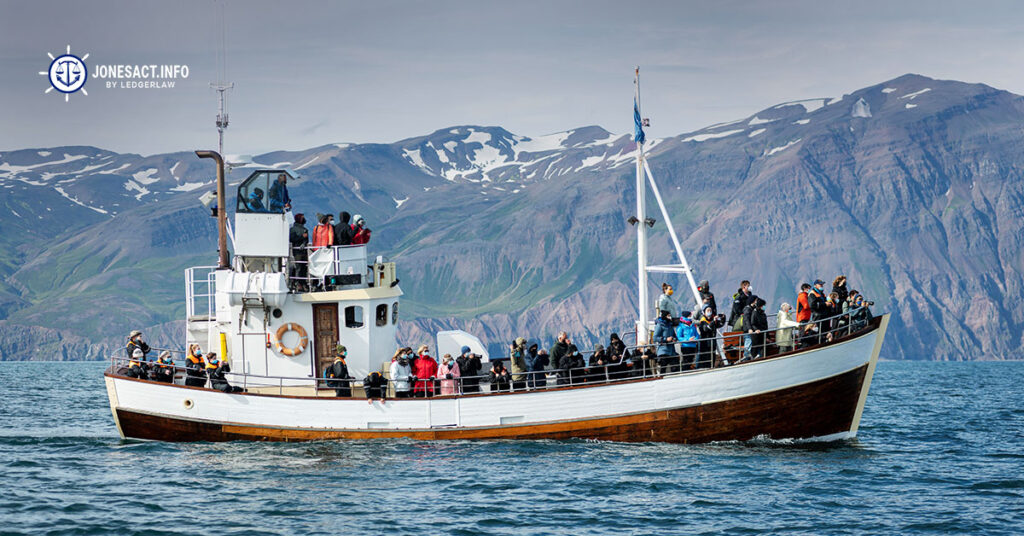
Key Takeaways: You may have heard of the Katmai. It’s a large boat operating in the Bering Sea. The fishing vessel sank in October of 2008. Eleven people were on board. Just four survived the sinking. The National Transportation Safety Board investigated. Their goal? To determine why a seemingly well-maintained boat failed. Lots of investigating was necessary. Little actual evidence was available. THe information from four people was used to determine what really happened. The board’s final ruling involved a number of complicated matters. All contributed to the reason for the boat going down. The boat was carrying twice the amount of frozen cod on board that it should have been. Plus, there were miscommunications about the proper steering of the ship. A third factor was a door that someone failed to close. Someone didn’t shut the door. The National Transportation Safety Board said that’s one of the reasons the Katmai fishing vessel sank. The 93-foot fishing vessel was traveling through the Aleutian Islands on an October night in 2008. That’s when a massive storm blew in. The boat took on water. A watertight door wasn’t properly shut. Someone didn’t do their job. That lets water get deep into the hull. Four of the 11 people on board were alive after the incident. The victims told their story to the National Transportation Safety Board (NSTB) during an investigation. That’s when the board issued its decision on what really happened that night. National Transportation Safety Board NTSB Issues Final Report On FV Katmai Sinking: The Coast Guard raced to the sight of the Katmai that night. They tossed down two life rafts and managed to save four people. The other seven died. The National Transportation Safety Board had to find out why. Records showed the board had inspected the vessel within the last two years. It didn’t inspect the hull in those visits. It wasn’t possible to bring the boat up for an investigation. And sending divers into the water wasn’t an option. The board asked the four surviving crew members what happened. What they learned was that a number of smaller things contributed to the loss of life. That starts with what was on board. The board rated the ship stable for as much as 60,000 pounds of fish. That many fish wouldn’t have caused a concern. Investigators found that the boat had 120,000 pounds of frozen cod on board. That’s more than two times the amount recommended. That overloading could be a contributing factor to the loss of steering. The board also found other interesting facts. That includes that one of the main deck doors wasn’t shut properly. The doors led to a processing space. Those doors were supposed to block out water. They were supposed to be water-tight doors. But they let water in. That led to the flooding of the ship. The lazarette is a storage space located under the deck at the stern of the boat. The doors failed. And water made it into this area. That eventually caused the ship to sink. Another big factor was a lack of communication. The report found that the boat’s master didn’t make a safe decision. A storm was raging at the time of the accident. The boat’s master made the decision to continue the operation even as the boat approached the storm. The board said that another factor was a failure of communication. The owner didn’t communicate critical information to the master of the ship. That includes information about keeping the boat stable. The owner failed to make sure the master understood critical information so that they could operate safely. There are still other questions raised by the board. The board hadn’t completed a stability analysis on the ship since 1996. That was 12 years from the time of the accident. The board also didn’t take into account the change in what the fishery boat was doing. Previous efforts were to catch shrimp. That switched to fishing for code. No analysis was done. It wasn’t clear if the ship was stable. The sinking report on FV Katmai was telling. The boat wasn’t properly maintained. There were questions about just how stable an overloaded boat could be under these conditions. The waves at the sinking reached 17 feet high. It was windy with 34 miles per hour winds blowing in. The water was just 43 degrees. Final Words: There’s no doubt the FV report is tragic. The Katmai Boat Deadliest Catch saga will go on in the history of just how devastating this industry can be. The TV show The Deadliest Catch was receiving significant attention at the time of the accident. Note that the Katmai Deadliest Catch vessel never actually was on the show. It was just one of many stories told about it. A combination of factors led to the death of 7 people. Many of them could have been reported. That’s what makes this such a devastating accident.
How To Claim Salvage Rights On A Boat | Boat Salvage and Marine Salvage Law | How the Salvage Claim Process Works
Key Takeaways: You can claim salvage rights for a boat. Prove the vessel was in some type of marine peril to do so. There are three parts to meeting a salvage award on a boat. That starts with marine peril, voluntary service, and success. Your legal rights depend on numerous factors. And marine time law isn’t simple to understand. Learn how the marine salvage law applies to your situation. Hire an attorney to help you with the process. Protect your rights and your financial well-being with the guidance of an attorney. Maritime law allows for salvage claims. A salvage claim is a demand for compensation by the salvor who voluntarily rescues a marine vessel. That vessel is in some form of peril. Salvage claims don’t follow a finder-keepers rule. Instead, the salvor receives a claim for successfully rescuing the vessel. These are critical services after a fire ravages a boat. Perhaps a boat sank. A grounded vessel also benefits from this service. You can seek a salvage claim. But you have to prove the rights to it. That’s the hard part in the process. What Is A Salvage Claim? A salvage claim is a legal action to seek compensation for rescuing a boat in peril. That’s a super simple definition, but it provides clarity. Salvage is the process that a salvor takes. They voluntarily save the life or property at sea of another. They then seek a claim against the boat’s owner for the costs involved. An Overview On Boat Salvage and Marine Salvage Law: You can claim salvage rights on a boat that’s in peril that you save. You’ll have to prove the ship was in marine peril and that the actions you took were voluntary. You also have to show that the actions you took were successful. Let’s dig into what the law says about these rights. Meaning of Salvage Rights in Maritime Law: Salvage rights are a maritime law that lets someone who voluntarily saves a vessel from marine peril recoup some of their losses. It’s a reward for rescuing the vessel or cargo. This law applies only in situations where there is true peril present. The effort must also be voluntary. That means you didn’t have any type of pre-event obligation to the vessel. A pure salvage right is typically an unexpected rescue. These elements must apply: Marine peril is a real danger. The service is voluntary. There is success in rescuing or protecting the vehicle. Salvage Under Contract in Maritime Law: Under contract is slightly different. It means that there are pre-arranged services at the place. A salvor is paid regardless of the success of the mission. The terms and conditions of contracts differ widely. These actions often happen with professional salvors. They use high-end technology and equipment. Environmental protections may demand special compensation for their efforts. For example, your actions prevent an oil spill from happening. 7 Steps by Steps Guide: How to Claim Salvage Rights on a Boat? Maritime salvage rights require several steps. Turn to an attorney if you think you have boat salvage rights. This is what you can expect from the process of recovering those damages. Step 1: Verify the Situation Qualifies as Salvage: Real danger must be present. Some examples include: The boat is sinking. The boat is stranded. It’s drifting into heavy weather. There’s a fire onboard. Cargo was lost. The boat is in some way disabled. Your efforts are to save it. Step 2: Ensure Safety First: Never put your safety after protecting a boat. Prioritize acting in a way that’s safe for you and any other person. Always focus on protecting a person’s life over saving the boat. That applies to any person on either ship. Step 3: Provide Voluntary Assistance: You see a ship at risk. So you act. That’s voluntary. The actions you take are specifically meant to protect the boat or cargo. It’s voluntary in that you don’t have any previous agreement with the owner to save the boat. You may tow the vessel out of grounding, for example. Step 4: Notify Authorities or Coast Guard: Contact the U.S. Coast Guard immediately. You may need to contact other maritime authorities applicable to the situation. This is like calling the police after a car accident. The Coast Guard arrives, documents what happened, and creates evidence you can use later. That helps ensure your legal efforts are recognized. Step 5: Document the Salvage Effort: Next, document everything. Maintain records of what you did, where it happened, and what was involved. Write down the GPS coordinates. Get timestamps in place on videos and photos you take. Also, get the name and contact information for any witnesses. Step 6: Identify and Contact the Boat Owner: The Coast Guard may help you with this process. You need to determine who the owner is after taking the vessel or the cargo to a safe port. You can also use the vessel registry or an insurer to seek information about the owner. Let them know what happened. Step 7: Request Salvage Compensation: File a salvage claim. That’s done in the U.S. Admiralty Court or a tribunal abroad. You’ll need to show proof of the peril, your rescue, and the value protected. Your attorney can help you calculate these losses. You’ll need to consider factors related to the value of the property, skill and effort, and the degree of danger involved. How the Salvage Claim Process Works in Maritime Law? Here’s another look at how the salvage claim process works. This falls under the Salvage Convention of 1989. Other laws may also apply. Establish Voluntary Act and Maritime Peril: Show the vessel was in peril of some type. The vessel was in immediate danger. Examples include grounding, fires, or sinking. Report Authorities: Contact the U.S. Coast Guard as soon as possible. That’s typically during or after you act to save the vessel. Securing, Protecting, and Documenting the Property: Take steps to secure and protect the vessel. Document all steps you
FV Katmai Sink And 7 Crew Members Died | Deadliest Catch Katmai
Key Takeaways: FV Katmai was a large fishing vessel. It operated in the Bering Sea. The sinking of the Katmai Deadliest Catch was in October 2008. A massive storm overtook the ship. This caused it to sink. There were 11 people on board at the time. Just 4 survived the accident. The National Transportation Safety Board investigated the Katmai. The agency looked at reports. It also looked at evidence to determine what occurred. They found that the boat was overloaded. It also noted that the boat took on water because of the failure to shut a watertight door. That failure allowed water to enter the hull. The Katmai sinking will long be a story that tells a tragedy. It’s also likely to be a story of a boat that didn’t have to sink. If it had been properly managed, then it wouldn’t have. For anyone who has learned of the Katmai Deadliest Catch saga knows that the Bering Sea is an unforgivable location. The intense storms. The incredible work that crew members had to do. It all amounted to dangerous conditions for those on board the Katmai boat. What is FV Katmai? The FV Katmai was a 93-foot fishing vessel. The fishing boat sought prized Alaskan cod. This was done for numerous years. The boat sank in October of 2008. It was near the Aleutian Islands. The boat was traveling through the Amchitka Pass. That’s about 120 miles to the west of Adak. That is when the boat went down. The loss of the vessel was blamed on doors located on the main deck being left open in a storm. That move let too much water into the processing space. The result was the loss of life for seven people. The FV Katmai was never directly on Deadliest Catch, a very popular reality TV show centered around the treacherous conditions of the Alaska fishing industry. The vessel may not have been on the show. But it was doing the same type of work as the many vessels on it. That brought a lot of attention to this ship. Full Details On FV Katmai Sink & 7 Crew Members Died: The story of the FV Katmai is a sad one. It may have been preventable. This was a tragedy. The National Transportation Safety Board investigated the accident. Numerous claims came in. Rumors started about it. Seven people died in the accident. The vessel was carrying 11 crew. 11 people at the time of the accident. It was carrying a large load of cod and moving towards port at Dutch Harbor. That is about 800 miles to the southwest of Anchorage. Every crew member was from the area. That includes Washington, Oregon, and Alaska. The Katmai ran into trouble on a Wednesday evening. Initially, it wasn’t clear how such a large and modern boat could sink. The Coast Guard received an email from another boat that said the Katmai lost steering at some point. They alerted the Coast Guard. The Katmai was also taking on water in an enclosed area of the stern. The Coast Guard received a signal. This was from the Electronic Position Indicating Radio Beacon. This beacon only activates when a vessel is submerged. The Coast Guard received word of the concern. Search teams flew to the area from Kodiak. They were able to rescue four people. They dropped two life rafts into the water. At the time, the water was horribly cold. It was unsurvivable at just 43 degrees. The Coast Guard got to those four in time. They were said to be okay. The conditions surrounding the incident were tough. Waves were reaching as high as 17 feet. Winds were blowing at 34 miles per hour. It was raining and snowing at the time. There’s no doubt the conditions were horrible. That could mean that the weather played the most important part in why the ship went down. But that’s not all that seems to have happened. Katmai Fisheries owned and operated the fishing vessel at the time of the accident. A full investigation would be necessary to determine what really happened and why the vessel went down. The investigation centered around the information provided by the four people who survived the accident. The vessel was heading toward Alaska with as much as 120,000 pounds of frozen cod in its hull. That’s when the severe storm hit. The captain lost steering. Then, the boat started taking on water right before midnight. The crew learned of the water and the skipper called for the evacuation of the boat right away. The results were devastating. The ship went down. It is believed 1 of the 11 people on board went down with the ship. Six others were lost when the two life rafts rolled due to the intense seas. The Coast Guard recovered the other four over 15 hours after the vessel sank. NTSB Issues Final Report on FV KATMAI’S: The National Transportation Safety Board set out to find out what happened. It was determined that the boat has a number of big risk factors. That includes stability problems that made it unable to handle the intense storms common on the Bering Sea. The board had inspected the vessel within the prior two years, as is expected. However, it had not investigated the structural soundness of the hull itself. The board believed that the sinking was due to the lack of watertight doors being shut. That’s a job that one of the crew members should have completed. And, the vessel had nearly twice the amount of weight in cod that it should have been carrying. That is 60,000 pounds more than what the boat should have had to remain stable. Additionally, the board found that there was a failure of the owner of the vessel to communicate critical information to the master on how to keep the boat stable. That failure may have prevented the incident. Final Words: The fishing vessel Katmai did what many other ships in
How To Sue For Maritime Injury In Seattle | Common Maritime Injuries and Claims | Why do People Sue
Key Takeaways: Almost 2,700 maritime casualties happened in 2023 alone. 743 of these casualties were serious. And 45 were very serious. 75 investigations were launched. Workers injured at sea can claim compensation, but not under regular liability laws. Maritime law governs injuries that happen at sea. Working at sea is dangerous. Even if you’re not in an active war zone. Or the middle of a storm. Common dangers include: Drowning/almost drowning. Broken bones. Burns. Exposure to hazardous materials. Injuries from repetitive strain. An Overview On Maritime Law: Maritime laws are laws governing what happens on the open sea. It also governs what happens if a maritime worker has an accident at sea and one or more parties are to blame. The Jones Act: The Jones Act allows those working at sea to sue employers and/or other responsible parties in the event of a mishap. However, this law only applies if: The accident occurred while the boat was sailing. The person has a substantial, long-term connection to the vessel. The accident happened on an oil rig in the ocean. Longshore and Harbor Workers’ Compensation Act: Have you been hurt while working: On navigable waters in the United States? On a pier? At a dock, terminal, or wharf? Outlines the rights of people traveling on covered waterways. If so, the LHWCA applies to you. Like the Jones Act, it allows you to sue for mishaps that occur while working close to a vessel. If the injury happened when working on or close to a ship, or doing work related to a ship. A secretary who works at an office near the shore and has a slip-and-fall accident is covered by workers compensation insurance. General Maritime Law: General maritime law defines where to sue if you’re hurt at sea. It says that: International waters? That depends on your ship’s flag. But U.S. citizens with foreign employers might still be able to file a case under the Jones Act. Not a U.S. citizen? You can sue under the Jones Act if you’re working on a ship owned by a U.S. company or flying a U.S. flag. What Are The Common Maritime Accidents & Injuries in Seattle? The shipping industry isn’t a safe one. Accidents happen. A lot. Slips, Trips, and Falls: Slips, trips, and falls can happen anywhere. But working on wet surfaces makes them even more likely. Machinery & Equipment Accidents: Operator mistakes are common. The operator could be untrained, make a mistake, or show up to work plastered. Machinery can malfunction. Especially if it hasn’t been properly maintained Lifting equipment (such as cranes) can accidently snag the wrong thing (or person). Overboard & Drowning Incidents: If you fall overboard while working on a boat? It might go unnoticed. But even if someone saw and came to help, you could still almost drown. Especially in stormy weather. Or if you’re not a good swimmer. Chemical & Burn Injuries: Chemical and burn injuries are common among maritime workers: You could get burned handling hot equipment or touching hot surfaces. If you’re on a ship built before 1980, the odds are it was made with asbestos. And you’ll probably breathe plenty of it in your cramped quarters. If you work on an oil rig or tanker, there is a high risk of breathing in benzene. It’s a chemical used for maintenance and tank cleaning. You could get a “cold burn” working in refrigerated areas or if refrigerated gasses get loose. Repetitive Strain & Musculoskeletal Injuries: Ship work is repetitive. Lift. Carry. Move. Repeat. It’s easy to suffer repetitive strain injuries and musculoskeletal injuries. Especially if your employer isn’t giving you the right machinery and equipment for doing your job. What to Do Immediately After a Maritime Injury in Seattle? Get to safety. Your life is always the #1 priority. Document what happened if you can. Do you have a phone on you? Film the surroundings. Does someone else nearby have a phone? Ask them to do it too. See who witnessed the accident. You’ll want to ask for their statements later. See the ship’s doctor as soon as you can. See a doctor on land as soon as you can. Get a thorough exam even if you feel fine. Some injuries are asymptomatic for weeks or even months. Talk to your supervisor about what happened and why. If you’re at sea for a long time, keep a diary. It’s evidence. And it can even jog your memory if you forget important details. The Process – How to Sue for Maritime Injury in Seattle: In a liability lawsuit, you have to show that most of the evidence is in your favor. But seamen who file a case under the Jones Act just have to show that the other party was at least partly responsible. Even so, suing for a maritime injury isn’t a walk in the park. You have to do things right or your case will tank. Report Your Accident to a Supervisor: Report the accident to your supervisor right away. This establishes, for the record, that something happened to you. Gather Evidence to Establish Fault: You need evidence to show who’s at fault. This can include: Photos. Videos. Maintenance records. Witness testimony. Medical records. Expert witness testimony for complicated cases. File Your Accident Report Promptly: File your report right away. There is a time limit and filing too late will cost you compensation even if you have strong evidence. Determine Liability After a Boating Accident in Seattle: Find out who’s at fault. It could be: Another maritime worker. Your supervisor. The company that made the machinery on your boat. The company that loaded or packed the cargo on your ship. The mechanic who’s supposed to maintain the machinery on your ship. Your ship’s captain. There’s often more than one party at fault. Make sure you list them all. Seek Immediate Medical Attention: See a doctor. Immediately. Even if it’s just the ship doctor. Make sure the doctor lists all injuries and gives a
What Are Maritime Salvage Rights | Common Injuries | Marine Salvage Law
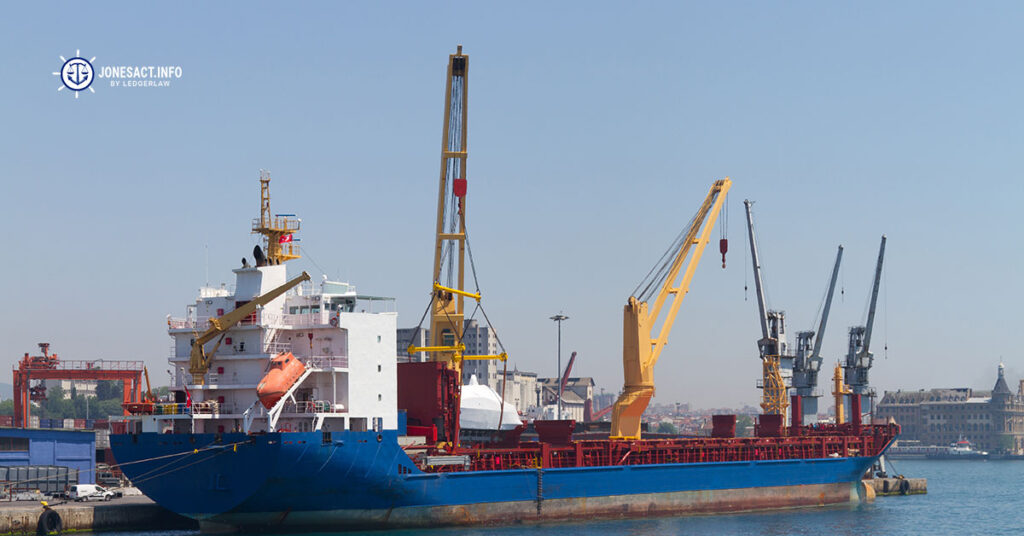
Key Takeaways: Applies to Everything on the Water: International cargo routes, injury claims, pollution cleanup, and more. Maritime law touches every vessel and everybody on navigable waters. Built-In Protections for Workers: The Jones Act and LHWCA give injured maritime workers legal and financial safeguards. Keeps Global Trade Moving: International shipping runs on time thanks to the legal framework. Saves lives: Navigation rules, vessel inspections, safety requirements. All exist to stop collisions and onboard accidents from happening. National Defense: Keep the U.S. domestic fleet strong, gives federal agencies the legal teeth to patrol and secure American waters. If you voluntarily rescue a ship, cargo, or other items that are in danger at sea, you may be entitled to compensation. In short, if a vessel is sinking and you bring it to safety, or recover cargo someone has lost, the law says you have a right to payment. This is called a salvage award. The maritime law of salvage is in place because rescuing stuff at sea is risky and expensive. This legal entitlement encourages salvaging. In other words, it helps valuable property not be lost. The team at JonesAct.Info can help you file a claim and figure out what you’re owed. What Is Salvage in Maritime Law and Maritime Salvage Rights? Maritime salvage reward is the compensation you’re allowed to get for rescuing property that’s at risk. Specifically, if you’re a person who’s not legally obligated to put yourself at risk or expensive to do so. In Fine v. Rockwood, 895 F. Supp. 306 (S.D. Fl. 1995), the courts aid it’s a bounty granted under public policy that encourages rescue at sea. Salvage bounties date back for centuries, to the edicts of Rhodes and the Roman Digest of Justinian. But in our century, maritime laws set in place by the Salvage Convention of 1989 govern salvaging. This convention replaced the Brussels Convention on Assistance and Salvage at Sea. Real-World Scenarios of Maritime Salvage: Here’s one example. Say a commercial fishing boat loses engine power when they’re in the middle of a mega-storm. Another boat nearby sees the struggle and hooks a towline to it. Then tows it to port. The crew on the rescuing boat has a valid salvage claim. Or for example, a cargo ship runs aground in a shipping channel, and there’s tons of valuable merchandise on board. A tugboat can deploy equipment that can refloat that boat that’s in trouble so it doesn’t break apart. The tug company can get compensation. Salvage Agreements Role: There are professional salvage operations that run on contracts. Formal agreements that spell out exactly who does what and who gets paid, along with what happens if something ends up going sideways. These two most common ones: Lloyd’s Open Form (LOF): The standard international salvage contract, operates on a “no cure, no pay” basis. Meaning the person or company salvaging only collects if the operation actually saves the property. Disputes are sent to arbitration. SCOPIC (Special Compensation P&I Club Clause): Supplemental clause added to the LOF. It guarantees you’ll get compensated even if the operation fails. Example of this: trying to prevent environmental damage from an oil spill. The “no cure, no pay” principle is from the 1910 Brussels Convention. It worked for decades, but had a major issue. If a salvor actually prevents something like a huge oil spill by towing away a tanker that’s been damaged, but failed to save the actual ship, they got nothing. So they brought in the 1989 Salvage Convention. It created “enhanced salvage awards” and “special compensation” for salvagers who were making honest efforts to try to save the environment. These these agreements do: “No Cure, No Pay”: Performance-based system. You only collect when you successfully save a vessel or cargo. Rapid Response with no Red Tape: The LOF is standardized. This means salvors can get to work immediately during life-threatening emergencies. No wasting time negotiating complicated terms. Guaranteed Lien on Saved Property: You hold a maritime lien. A legal claim to the rescued property, stays in place until the saved party pays. Environmental Incentives: More modern agreements reward salvors who prevent pollution. Even when they can’t save the ship. This was a direct response to more oil spills from tankers becoming damaged. Structured Compensation Process: Arbitration determines the award amount. They look at things like the difficulty of the operation or the value of what they saved. Also, environmental factors. How Maritime Law Calculates Salvage Awards? There’s not a fixed formula. Usually, maritime salvage awards range anywhere between 10 to 25 percent of the total value of the property the salvagers save. Extreme cases sometimes go higher. Here’s what comes into play: Labor and time the rescue cost. How much skill and expertise was needed. Recovered property value. How dangerous the salvage mission was. How close it came to total loss. The steps needed to prevent damage to the environment. Common Injuries of Maritime Salvage: In salvage work, people are often in confined spaces and exposed to toxic fumes. Plus they’re on unstable structures. And often, lethal weather. Lots of things can go south quickly. Machinery failure, fires, explosions, falls and injuries. And all this happens in long hours of intense physical work. Which means exhaustion and loss of focus. Some of the injuries we see most often: Slips, trips, falls: It can be a broken limb, or something like a spinal injury or traumatic brain injuries. Crush injuries and amputations: Things can crash into workers. Winches, chains, crane loads, shifting wreckage. All these can trap or even sever arms and legs. Burns and chemical exposure: Fires, explosions, chemical leaks from damaged vessels cause thermal burns and damage to the throat and lungs. Drowning and hypothermia: Drowning, plus cold-water shock. Repetitive strain: Prolonged intense labor breaks down the body. Back, neck, legs, arms, shoulders, etc… Jonesact.info Marine Salvage Attorneys: Our attorneys are recognized leaders in admiralty and maritime injury laws. It’s not something we do on the side. It’s ALL we do. And there’s our
A Detailed Overview On Barge Accident | Barge Accidents Types | Common Causes | Legal Rights and Compensation
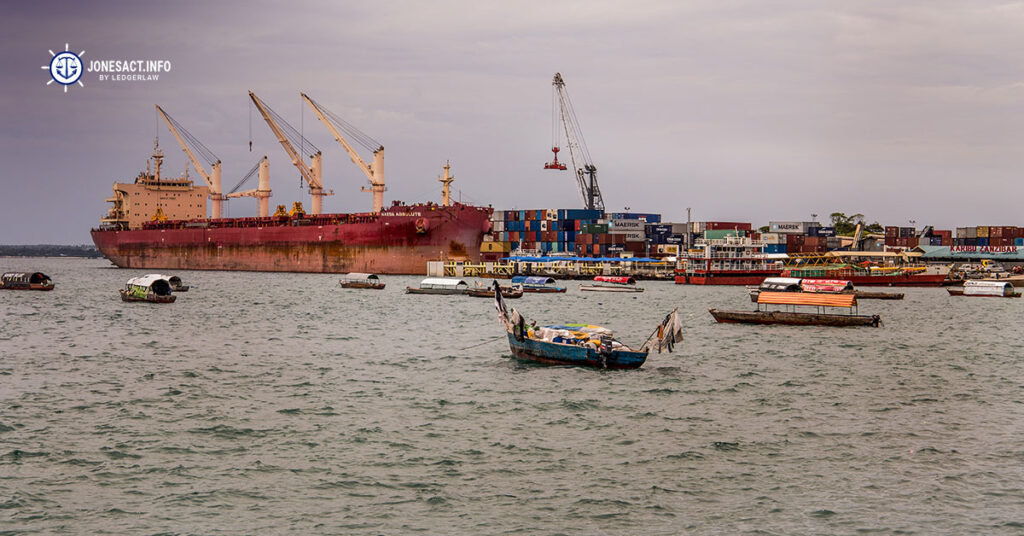
Key takeaways: Barge accidents are common. The design of a barge increases the risk of accidents occurring. These long and flat-bed ships are critical transportation tools. They are heavily used in rivers and canals. Common causes of barge accidents include frayed and weak lines. Operator error is another reason. You have the right to seek compensation if you’re a worker hurt on a barge. Having an attorney can help with that process. A barge is a long, flat-bed vessel. It moves all sorts of goods across canals and rivers. Tugboats typically tow this vessel from one location to the next. The design and overall function of these vessels make them critical, but also dangerous. The accidents that can happen on these vessels can be treacherous and life-changing. There are many different factors to take into account as far as what may or may not happen. These vessels are dangerous by themselves, not including outside factors that may affect them. What Is a Barge Accident? Barge accidents are any type of incident in which a barge causes damage to other property. It can also lead to a worker suffering an injury. There are dozens of reasons and ways these can happen. Many factors can contribute to these incidents occurring. 10 Common Types of Barge Accidents Accidents are preventable. That’s what makes many of these frustrating. You’re hurt due to no fault of your own. Look at the following common types of barge accidents and why they happen. 1. Collisions and Allisions with Other Vessels: It’s not hard to see why this happens. It’s often the result of inexperienced operators. Reckless operation can also lead to collisions. It doesn’t take much for a problem to occur on open waters. 2. Barge Sinking or Capsizing: A barge may capsize due to uneven loads. They can lose buoyancy. This typically happens when water enters the hull. Collisions can cause this, as can grounding. Overtopping from waves can also be a reason barges sink. 3. Explosions and Fires: The type of equipment on board a barge can easily cause it to be set on fire. Explosions can also occur. This often happens with poor management and maintenance of systems. 4. Equipment and Machinery Failures: Equipment on board can be dangerous. They also need heavy machinery on board. This is to move cargo. Proper maintenance can reduce the risk of accidents. 5. Machinery or Cargo Incidents: Any time cargo or machinery moves on the barge, there’s a risk of an accident. The reason? That shifts the balance of the vessel. It’s hard for any operator to control a barge in situations like this. 6. Cargo Accidents: Some worker injuries happen when cargo falls on them. That’s also due to poor alignment and balance. Cargo accidents result in lacerations, falls, and crushing accidents. 7. Crane Accidents: Inexperienced operators or unmaintained equipment fail when crane operators lack experience. Mistakes with cranes can lead to a serious risk to life for anyone using them or nearby. 8. Slip and Fall Accidents: All vessels carry some risk of slips and falls. However, barges have a much higher risk for several reasons. They are not designed to protect passengers. And what’s on them tends to be messy. Poor maintenance leads to accidents. 9. Falling Overboard: Barges lack many of the safety features other vessels have to protect humans. They aim to use up as much usable floor space for cargo instead. That creates risks for those on board. 10. Pinned or Crushed Injuries: Falling equipment and cargo mishaps often lead to crushing injuries. Much of what’s on board these boats is huge and heavy. That makes devastating accidents like this common. 5 Common Causes of Barge Accidents: Understanding the cause helps you avoid such injuries. A duck boat barge accident is avoidable when these risks don’t happen. 1. Operator error: The most common reason for injuries is human mistakes. Specifically, this focuses on operators being inexperienced or unskilled for the work. That makes it hard for those individuals to control barges when conditions are challenging. You can expect accidents to be significant when the operator is intoxicated or impaired in any way as well. 2. Ignore safety regulations: Safety regulations are there for a reason. The problem? They require more time and effort. Mistakes happen. More commonly, operators don’t follow these regulations because it puts them behind. Time lines and labor costs can lead to cutting corners. When regulations aren’t met, injuries are likely to occur. 3. Malfunction of equipment: Workers need to know how to use equipment properly. Companies that manufacture it need to design and build it to be reliable. Any breakdown in these areas leads to an increased risk of accidents and injuries. Malfunctions don’t typically just happen. There’s often a reason they occur. 4. Weather conditions: It’s true that the weather is a factor. However, this doesn’t excuse liability. If the weather is too bad to operate, the company that gets onto the waterway is liable for the injuries that happen. Style of operation needs to adjust to the weather conditions. 5. Lack of proper maintenance: Every component of a barge or duck boat requires maintenance. That’s what keeps it operationally sound. This includes preventive maintenance tasks. There’s also the need to keep working surfaces in good order. Mistakes here often cause unnecessary and even deadly outcomes. What are the most common barge accident injuries? Imagine the incredible weight of cargo falling onto a person. A sudden wave crashes into the vessel, causing people to fall. Or, think about the risks of falling from heights. There are plenty of reasons these accidents happen. Injuries can occur in a serious barge accident Traumatic Brain Injuries (TBI): Blows to the head result in brain damage. Traumatic brain injuries can range in severity. Some result in cognitive function loss. Others result in serious concussions. Fractures: Broken bones are quite common. Victims often suffer broken arms, legs, hips, and ribs from blows and falls. Spinal Cord Injuries: Damage to the
Ammonia Leak On A Boat | Ammonia Leak Injuries | Damages, Laws And Statutes
Key Takeaways Maritime law governs all activities taking place on the water, e.g., injured crew members, global trade and environmental effects. The Longshore and Harbor Workers’ Compensation Act (LHWCA) offers no-fault coverage for harbor workers and longshoremen injured while working in maritime industries, while the Jones Act covers injured workers due to negligence at sea. Both are essential for our global shipping industry and create safe and stable legal pathways to justice. They prioritize worker safety with navigation and safety rules that also protect passengers and vessels from harm at sea. These sets of laws also enhance national security by maintaining a strong defensive fleet while authorizing federal agencies to enforce their laws. Ammonia is a toxic substance used in refrigeration systems on fishing vessels and cargo ships. Ammonia leak on a boat is one of the most serious incidents in the maritime environment. It often leads to severe injuries and complex legal challenges. It can create respiratory damage, chemical burns, and long-term health complications too. So, it needs immediate response and proper safety measures. Here, in the writing, we will discuss ammonia, injuries, damages, laws and status related to its leaks and so on. What is Ammonia and Ammonia Leak On A Boat? Ammonia is a volatile inorganic compound that is frequently used in the refrigeration systems on commercial fishing vessels. This toxic gas is both effective and inexpensive. Problems occur if a leak occurs in the refrigeration system due to improper maintenance, accidents and equipment failures. Leaks expose crews to serious health risks, and consequences of an ammonia release on a ship can also include damaging environmental hazards. 10 Types Of Ammonia Leak Injuries on Ships and Fishing Boats: While most people understand that ammonia exposures can be deadly, they may not realize the myriad ways that ammonia can adversely affect those exposed to it. Below are some of the health risks of ammonia leaks aboard sea-faring vessels. Respiratory irritation: Burning throats, coughing, respiratory distress and permanent lung damage can arise from an ammonia leak exposure. The longer the exposure, the worse the symptoms. Skin chemical burns: Highly corrosive liquid ammonia causes permanent damage to the skin. Immediate damage includes: Redness. Itching. Blisters. Victims may also suffer from scarring, tissue death and chronic skin conditions. Eye burns: Ammonia exposure is an ophthalmic emergency, especially in a remote location at sea. Failure to promptly flush and treat the eyes can cause permanent damage, including loss of sight. Vision damage: Permanent damage to the cornea and other eye structures from an ammonia leak is possible. Fast treatment can mitigate the damage caused by exposure to the toxic chemical. Chemical pneumonitis: Chemical pneumonitis is an acute condition characterized by lung inflammation and other breathing difficulties from inhaling chemical fumes after a toxic leak or release. Throat burns: The irritating properties of ammonia often cause throat burns. Symptoms can manifest in the throat, causing tissue to swell and narrow. Swift treatment can save injured crew members’ lives. Frostbite injuries: As ammonia is a corrosive alkaline gas stored at -28º Fahrenheit, even brief exposures from a leak at sea can lead to liquefaction necrosis of the skin and underlying tissue and other frostbite injuries. Loss of consciousness: Ammonia is toxic to the delicate brain tissue and can cause unconsciousness and other neurological damage, seizures and even death. Someone exposed to toxic levels of ammonia can even appear to have dementia. Asphyxiation: As a corrosive gas in poorly ventilated areas or enclosed spaces, ammonia can asphyxiate its victims. Asphyxia causes hypoxia, a frequently lethal condition. Chronic lung damage: Pulmonary edema, i.e., fluid accumulation in the lungs, is a potentially fatal condition stemming from ammonia leaks on fishing boats. Acute respiratory distress syndrome (ARDS) from chemical burns may return as chronic bronchitis. Damages for Ammonia Leak Injuries: Fishing boat crew injuries from accidental ammonia exposures deserve compensation. Depending on the circumstances of their injuries, exposed crew members may be able to seek damages from the persons or entities deemed liable for the exposure. Loss Of Earnings: One type of economic damage is the lost wages from injured workers being unable to work after an on-the-job accident. This type of damage is easily quantifiable when negotiating for a settlement. Medical Expenses: The other type of economic damage plaintiffs seek to recover is their medical expenses, both past and future. This can be important if the injured party used their private health insurance policy during treatment. Insurers may also file their own claims of subrogation to the defendant(s) for reimbursement. Pain And Suffering: These claims are less quantifiable but frequently enhance settlements. Non-economic damages are calculated using formulas that consider the extent of the damage, its duration and the changed lifestyle of the injured plaintiff, along with other pertinent factors. In some cases, spouses of injured fishermen may even be able to file their own claims for damage. Laws And Statutes Of Ammonia Leak: Those suffering from on-the-job ammonia exposures may wonder what the law says about filing claims for damages. It’s important to understand that these claims are filed under maritime law regulations, which are different from damage claims filed on land. The Jones Act Impact On Ammonia Leak: The Jones Act offers protection and a path to justice for injured maritime workers. Ammonia leak on fishing boat due to an employer’s negligence may qualify injured seamen to pursue additional damages under the Jones Act. The Seaman Manslaughter Statute: The Seaman’s Manslaughter Statute (18 U.S.C. § 1115) holds corporate executives and holding officers criminally responsible for deaths aboard vessels that are linked to misconduct and//or neglect. Those convicted face fines and up to 10 years in prison. OSHA and EPA Guidelines: The Occupational Safety and Health Administration (OSHA) regulates the storage and handling of ammonia. It dictates the design, location, construction, installation, maintenance and operation of ammonia coolant systems. The Environmental Agency (EPA) monitors operators for compliance with environmental laws put in place to protect fishermen at sea from death or debilitation caused by ammonia
How To Choose Maritime Injury Attorney In Seattle | Do I Need It | Why Choose Our Maritime Lawyers

Key Takeaways: Maritime law covers Every Activity on the Water: International trade, personal injury claims, environmental safeguards. Worker Safety Prioritization: Legal rights and financial recovery for maritime workers who are injured. Global Commerce: Provides the consistent legal framework that keeps supply chains moving across oceans. Disaster Prevention: Navigation standards, vessel safety requirements, crew training mandates exist to reduce accidents and keep everyone on board protected. National Security: Enforces security, customs, and immigration laws across U.S. waters and international waterways. If you work on the water in Seattle and get hurt on the job, you’ll need a lawyer who knows all the ins and outs of maritime law. This isn’t the same as a general personal injury attorney. Maritime injury lawyers live and breathe every aspect of federal admiralty law. Including the Jones Act and protections for maritime workers who get injured. Let’s learn more about how to choose a maritime injury attorney in Washington. What Is Maritime Law and a Maritime Injury Attorney? Maritime law governs injuries, disputes, and commerce on water that can be navigated. It’s completely separate from state personal injury laws. Maritime injury attorneys work on injury claims covered under maritime laws like the Jones Act (46 U.S.C. § 30104) and the Longshore and Harbor Workers’ Compensation Act. Do I Need a Maritime Lawyer? If your injury happened when you were working on or near navigable water, your case will usually be under federal maritime law. Here are some examples of times when you may need a maritime injury attorney: Injuries on any of these: vessel, tugboat, barge, cargo ship. Slipping or falling when working at the Port of Seattle. Equipment struck you while you were working on or near navigable water. The vessel your employer provided wasn’t seaworthy and that caused your injury. Longshoremen or dock workers injured during cargo operations. Toxic chemical exposure. Death of a family member that falls under maritime law. Your employer pressures you to accept a quick settlement, or denies maintenance and cure benefits. How To Choose Maritime Injury Attorney In Seattle: Working with the right maritime injury lawyer is one of the most important decisions you’ll make after you’re injured. Maritime Law Expertise: Keep in mind that maritime law is completely separate from personal injury law. You need an attorney with specific expertise in the Jones Act and the Longshore Act. Also, maintenance and cure claims. The fact is that a general practice lawyer who just sometimes takes on some maritime cases will almost always miss something a specialist will catch on day one. Ask attorneys specifically what percentage of their caseload is in maritime cases. Experience and Track Record: The types of cases a maritime injury attorney has handled matters more than how long they’ve been practicing law. Ask them specifically how many maritime injury cases they’ve taken to verdict. And what the settlements looked like. A lawyer with 10 years experience in working Jones Act claims is going to serve you better than one who’s been handling auto accident injuries for 25 years. Lawyer Credentials and Professional Qualifications: The lawyer handling your case should be a member of the Maritime Law Association of the United States.Other good signs that you’ve got someone who knows what they’re doing: Board certifications in admiralty law Published articles High-profile speaking engagements at maritime law conferences Knowledge and Industry Insight: To practice maritime law, an excellent maritime injury attorney needs to have a solid understanding of the industry. Not just the law. They’ll know all about working conditions on a fishing trawler, and how they’re different from a container ship. They have expert knowledge of OSHA Maritime Standards. Just a couple of examples. Location and Local Knowledge of Seattle Maritime Laws: The Port of Seattle Economic Impact report says commercial fishing operations at the Port account for more than 8,800 jobs. The attorney you choose should know how local federal courts work. Significant Office Resources (A Strong Legal Team): It’s expensive to litigate maritime injury cases. Your employer is likely going to hire a large firm for their defense. So you need to have similar resources. This means: Investigators Maritime safety experts Medical consultants Financial backing to take a case to trial if needed Accessibility and Communication: After a serious injury, you’re going to want to make sure people are returning your calls. Make sure you know who your point of contact is, and if you’ll be able to speak directly to your attorney. Initial Consultations and Case Evaluation: Most reputable maritime injury attorneys will offer a free initial consultation. This is your chance to get a good idea of their knowledge. And ask tough questions. Transparent Fee Structure: Most of the time, maritime injury attorneys work on contingency. This means you don’t have to pay anything upfront. But be sure to ask what their percentage is. It can vary from one attorney to the next. Also ask what costs they’ll deduct before and/or after their fee is calculated. The standard is zero ambiguity. Client Reviews, Testimonials, and Referrals: Read online reviews. But also, ask the attorney if they’ll give you referrals to past clients who will give them a recommendation. Personalized Attention to Your Case: What you don’t want to do is become just another case number for your attorney. Every maritime accident or injury is different. You need individual attention. Why Choose JonesAct.info? This maritime law firm was built specifically to fight for maritime workers who get injured. Here’s what makes us different. World’s Best Admiralty Lawyers The attorneys at our firm are recognized leaders in admiralty and maritime injury law. We don’t dabble in maritime law. It’s all we do. 30+ Years of Maritime Injury Case Experience For more than three decades, we’ve been representing injured: Seamen Longshoremen Offshore workers This means we’ve seen just about every single tactic maritime employers or insurance companies can throw at us. And we can handle it. Proven Courtroom and Trial Success A lot of firms settle any chance they get because they’re
Accident On Tugboats | Accidents Types | Common Causes | What to Do After | Legal Rights
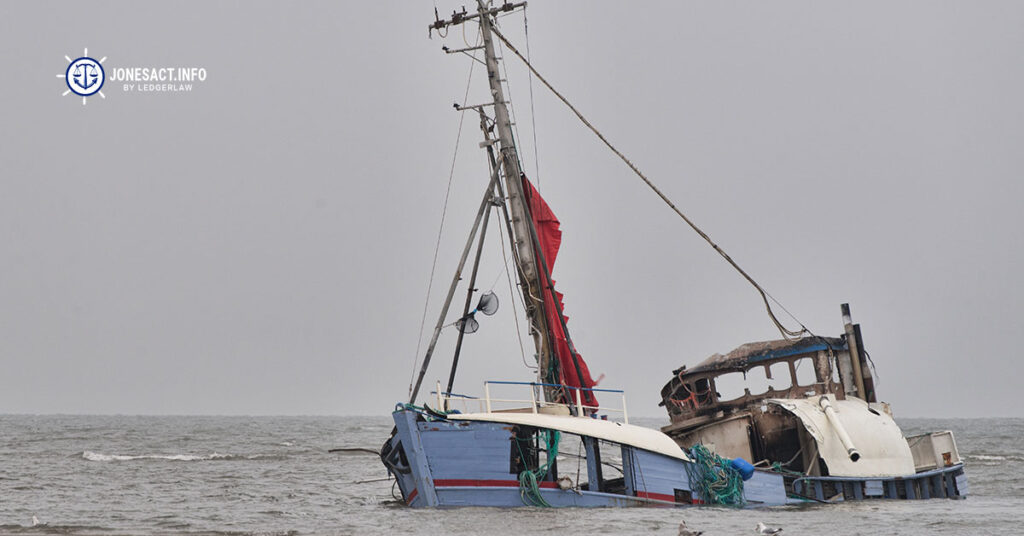
Key Takeaways: Tugboat incidents can happen on any body of water. Maritime law governs these waterways. Most common causes of tugboat incidents are preventable. Accidents on tugboats or with tugboats may lead to liability claims. A tugboat incident lawyer can help you recover damages from those who hurt you. Tugboats are the go-getters. These specialized vessels help ships to navigate tight areas or get through difficult locations. They are powerful vessels, with engines that can pull and push with significant force. You may see them breaking through ice. They can help put out fires. As powerful ships, even with their smaller stature, these vessels can create a serious risk of injury when someone isn’t operating them safely. Incidents on tugboats could be a workers’ compensation claim. If you suffer injuries from a tugboat striking you, you may be able to seek a personal liability claim. Types of Tugboat Accidents: Plenty of factors can cause tugboat accidents. Our tugboat incident lawyer handles them all. Tugboats Slip, Trip and Fall Accidents: Falling on board can create serious injuries. Slips and trips can even cause you to suffer head trauma. Unsafe conditions are often the cause. Capsize Accidents: Victims on board can suffer life-threatening injury if a boat capsizes. This can happen due to reckless behavior. It may happen when someone without experience is captaining the boat. Tugboat Collisions: Collisions with other vessels, docks, or other structures can also cause serious injuries. The damages can include significant loss in serious cases. Tugboat Line-Handling and Pinch-Point Injuries Any type of accident can result in serious injury. There are some situations where they can also lead to loss of life. Consider some of the most significant injuries we see. Amputations: The loss of digits and limbs happens when lines are not used properly. These injuries are avoidable if teams follow best practices. Head Injuries: Fast-moving lines can also cause traumatic brain injuries. Head strikes from objects out of control can lead to significant injury. You may face long-term implications. Common Causes of Tugboat Accidents: This is the hard part about these accidents. Most of them are preventable. Following the law and safety practices minimizes risks. These are some of the most common reasons these accidents happen. Mechanical Problems and Failures: All of that power is critical for the work these vehicles do. The problem is that these boats require constant repairs and upgrades. Mechanical problems and failures contribute to accidents. Engine failures can occur. Winches fail. Collisions with Vessels, Stationary Objects: Collisions happen for various reasons. It may be due to inexperienced operators. Other times, there’s an impairment causing the incident. Weather conditions can play a role. Operators must have the skill to avoid complications. Typical Hazards Found Onboard: Hazards are everywhere. These vessels engage in hard work in tough conditions. Hazards like the following are preventable: Debris and clutter. Unkept work areas. Failed maintenance and upkeep of the equipment. Lack of monitoring of safety best practices. Old and worn equipment. Capsizing: Boats capsize when there’s a loss of stability. That’s nearly always due to a combination of these elements: High-speed maneuvers. Excessive weight. Poor weight distribution. Weather conditions. Negligence From Co–Worker: Your co-worker could be the cause of your injuries. They may not follow safety rules. Some violate best practices. They may just not have cared for the equipment properly. Near–Drowning Accidents: Falling overboard is a common cause of near-drowning. This may happen due to failed safety procedures. Broken or worn safety equipment may also be behind it. You may suffer an overboard fall due to reckless behavior. What to Do After the Accident On Tugboats? Get safe in all cases. Prioritize your safety after an accident of any type. Then, take these steps. Immediately Report the Accident: Get immediate help for injuries. Request assistance from the local Coast Guard when possible. Alert others to what happened on the boat. File a Formal Accident Report: Complete a formal incident report. That’s done with your captain. Employees must be given access to these accident reports. They document what happened, when, and where. They can be a critical bit of evidence later. Collect Witness Information: Find out who saw what happened. Get their name and contact information. Use your phone to record what they say occurred. You need that evidence to build your claim later. Seek Medical Attention Immediately: Never put off getting medical care. It’s the most important thing you can do after an accident. Get yourself to safety. Get medical care. Follow up with your doctors. Consult an Experienced Tugboat Accident Lawyer: Do not wait to contact our tugboat accident lawyer. We get to work collecting evidence and building your case. You deserve an ally. You won’t get that from the insurance company. Your Legal Rights After Tugboat Accidents: You have rights after an accident like this. Your attorney will help you navigate what those rights are. Don’t assume your employer will tell you what your rights are. They won’t. Insurance companies don’t want to pay you. Your attorney is your advocate! The Jones Act: The Jones Act is a federal law. It protects US maritime workers who are hurt when their employer is negligent. This law is critical because typical workers’ compensation laws don’t apply. When you’re hurt on navigable waters, this law comes to help you. It allows you to seek compensation for your losses. That includes medical costs and missed time at work. It also allows you to get pain and suffering damages. There are limitations and rules to follow. If you are a seaman who spends 30% or more of your time on a vessel, you may qualify. The Legal Doctrine of Unseaworthiness: Unseaworthiness is a maritime law that puts an absolute and non-delegable duty on the owner of a vessel when an accident happens. Your employer must ensure you have a safe boat to operate on. That means it must be seaworthy. Your employer must ensure you have a safe vessel, equipment, and crew to support you on