Key Takeaways:
-
Most boating accidents occur in calm water, clear skies, light wind, and good visibility-not during storms or hurricane warnings.
-
Good weather puts more boats on the water, which increases the risk of collisions, falls overboard, alcohol-related incidents, and operator mistakes.
-
Severe weather creates fewer total accidents because fewer boaters launch, but storms, fog, rough water, and high winds are far more likely to turn fatal.
-
Operator inattention, improper lookout, inexperience, speed, and alcohol are major causes of boating accidents in every type of weather.
-
Wearing life jackets is one of the simplest ways to reduce drowning and boating deaths.
-
A boating safety course helps boat operators learn weather judgment, navigation rules, emergency operation, and collision avoidance.
-
Many serious boating accidents cluster during daylight hours, summer months, weekends, and holiday afternoons.
Do most boating accidents happen in bad weather or good weather? The surprising answer is good weather. U.S. Coast Guard recreational boating data repeatedly shows that most boating accidents occur during calm, clear, daylight conditions with light wind and good visibility.
That does not mean storms are safe. Thunderstorms, hurricane warnings, rough water, fog, lightning, and strong winds create severe dangers for boaters. The difference is volume: fewer people go out in bad weather, while clear skies bring crowded waterways, faster boats, social drinking, and a lower sense of risk.
In this guide, you’ll learn which weather conditions are linked to the majority of boating accidents, which conditions are most dangerous when accidents occur, and how practical boating safety habits can help you avoid injuries, drowning, and fatal accidents.
Understanding Marine Weather Risks : Most Boating Accidents Occur During Which Weather Conditions?
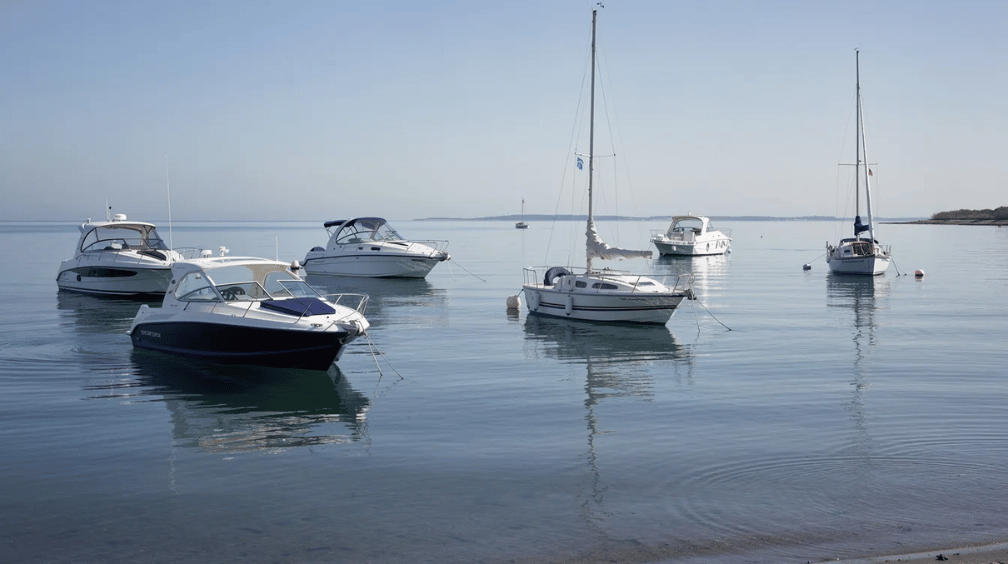
The direct answer is this: most reported recreational boating accidents occur during calm water, light wind, and good visibility under clear skies. According to the U.S. Coast Guard’s 2023 recreational boating statistics, 2,387 of 3,844 accidents-about 62%-occurred when water was calm, meaning waves were under 6 inches. Light or no wind was also involved in roughly two-thirds of all accidents. You can review the Coast Guard’s annual data in the 2023 Recreational Boating Statistics report.
That is why the keyword question “most boating accidents occur during which weather conditions” has a counterintuitive answer. Most boating accidents happen when the weather feels safe. Calm water, clear visibility, and light wind encourage boaters to relax, speed up, socialize, and pay less attention to other vessels, floating objects, swimmers, and navigational hazards.
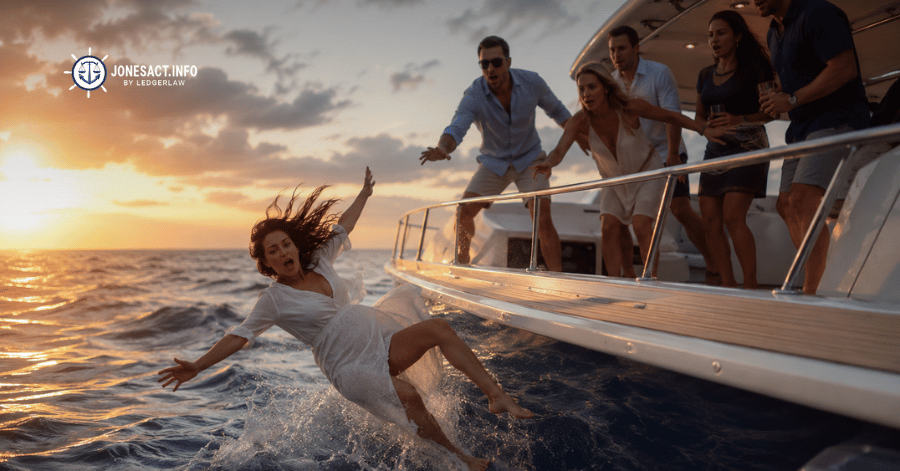
Accidents occur more often in fair weather because fair weather creates more exposure. More boats leave the dock. More passengers move around the deck. More people swim, tow tubes, drink alcohol, and stay out longer. When the number of boats increases, so does the number of opportunities for collisions, falls overboard, swamping, running aground, and injuries.
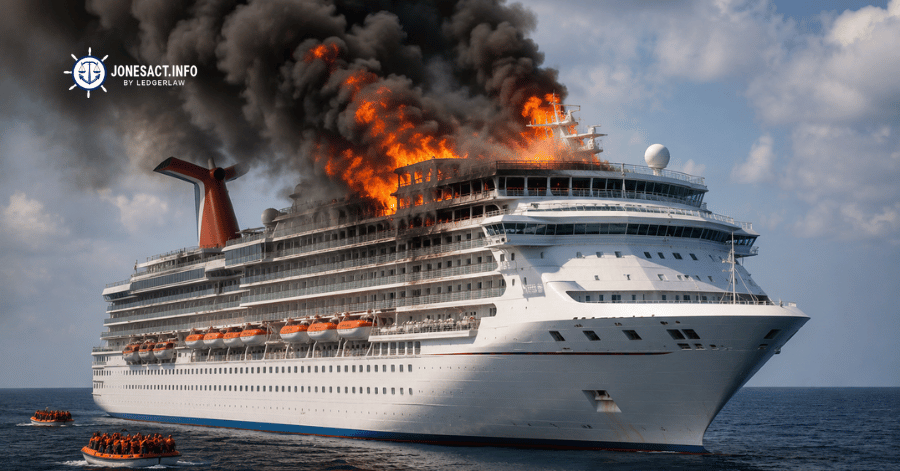
In severe weather, the number of total accidents is often lower because prudent boaters stay at shore or return early. But when accidents occur during storms, rough water, fog, high winds, or hurricane warnings, the results are typically more severe. Small vessels can be overwhelmed quickly, and rescue may be more difficult at night, in poor visibility, or far from shore.
The key weather conditions affecting boating safety include calm and clear days, gusty winds, rough water, thunderstorms, lightning, fog, reduced visibility, extreme cold, and tropical systems. High winds, reduced visibility, extreme waves, lightning, and rapid temperature drops are the primary weather factors that dramatically elevate the risk of boating accidents.
That is why marine weather awareness is essential. Before leaving, boat operators should understand wind speed, wind direction, wave height, swell, storm outlook, visibility, and water temperature. While underway, boaters should keep checking the sky, watching other boats, and responding quickly when conditions change.
Fair Weather, Hidden Dangers: Why Most Boating Accidents Occur in Calm, Clear Conditions:
Coast Guard and state boating reports routinely show that the majority of recreational boating accidents occur in daylight, fair weather, and calm seas. More than three-quarters of all recreational boating accidents occur in broad daylight, which reinforces the point that visibility alone does not prevent mistakes.
Fair weather is dangerous because it lowers caution. Boaters feel comfortable, passengers relax, and hazards seem less urgent. Here are the main reasons many accidents happen when conditions appear ideal:
-
Risk compensation: Under clear skies, boaters often feel safer and may take more chances with speed, distance, alcohol, or passenger movement.
-
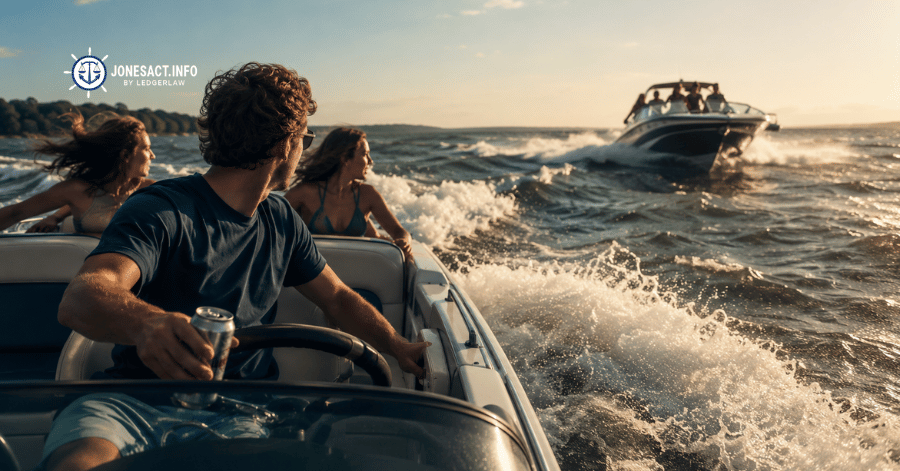
Crowded waterways: Calm summer weekends put more boats, jet skis, paddlecraft, swimmers, and towable riders in the same areas, increasing collision risk.
-
More social activity: Swimming off the boat, towing tubes, standing while underway, and moving between seats can lead to falls, drowning, or capsizing.
-
Distraction: Music, phones, guests, and conversation can pull attention away from other vessels, channel markers, objects in the water, and wakes.
-
Overconfidence: Experienced and inexperienced boat operators alike may underestimate currents, wakes, shoals, or the turning radius of their boats.
-
Alcohol use: Good weather and weekend leisure often increase drinking, which slows reaction time and weakens judgment.
-
Calm water can still kill: A fall overboard in calm water can become fatal if the person is injured, intoxicated, not wearing a pfd, or unable to get back aboard.
Most non-fatal boating accidents are caused by collisions with other boats or objects in the water, emphasizing the importance of having a lookout posted at all times. Even when the weather is clear, a proper lookout by sight and hearing is one of the most important security habits on the water.
In busy places such as Miami and other parts of florida, fair-weather boating risk is amplified by traffic. The main reasons for boating accidents in Miami include failure to follow safety guidelines and an increase in the number of boats on the water.
Dangerous Weather Conditions for Boating: When the Risk of Death Skyrockets:
Although most boating accidents occur in good weather, severe conditions dramatically raise the chance that an accident becomes fatal. Prudent skippers avoid leaving port when hurricane warnings, gale warnings, small craft advisories, or severe thunderstorm forecasts are in effect.
Weather factors that drastically increase the risk of boating accidents include high winds, reduced visibility, rough waters, and sudden storms. Boating accidents are more likely to occur during severe weather conditions like hurricanes, which create dangerous conditions for boaters.
High Winds, Rough Water, and Steep Waves:
Strong winds are the leading adverse weather factor in boating accidents. High winds can create rough water and make boats unstable, posing risks to safe navigation and operation.
Sustained winds around 18 knots (22 mph) can easily produce five-foot seas, which can swamp, capsize, or flood smaller open boats. Gusts over 34 knots (39 mph) easily overpower and capsize smaller boats. On lakes, bays, and near inlets, wind against current can make waves steep and difficult to handle.
In rough water, small errors become serious quickly. Too much speed can cause pounding or loss of control. Taking waves at the wrong angle can lead to broaching, flooding, or capsizing. Poor weight distribution can make a boat unstable, especially when passengers shift suddenly.
Life jackets, bilge pumps, secured gear, working radios, and a conservative route are crucial. If rough water builds, slow down, keep the bow controlled, avoid beam seas when possible, and head toward shore or protected water before conditions worsen.
Thunderstorms and Lightning:
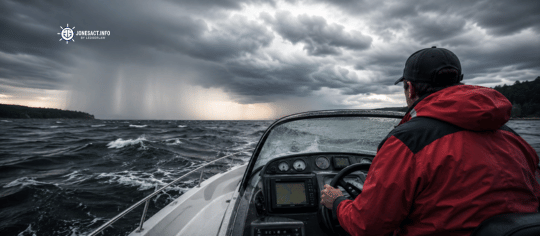
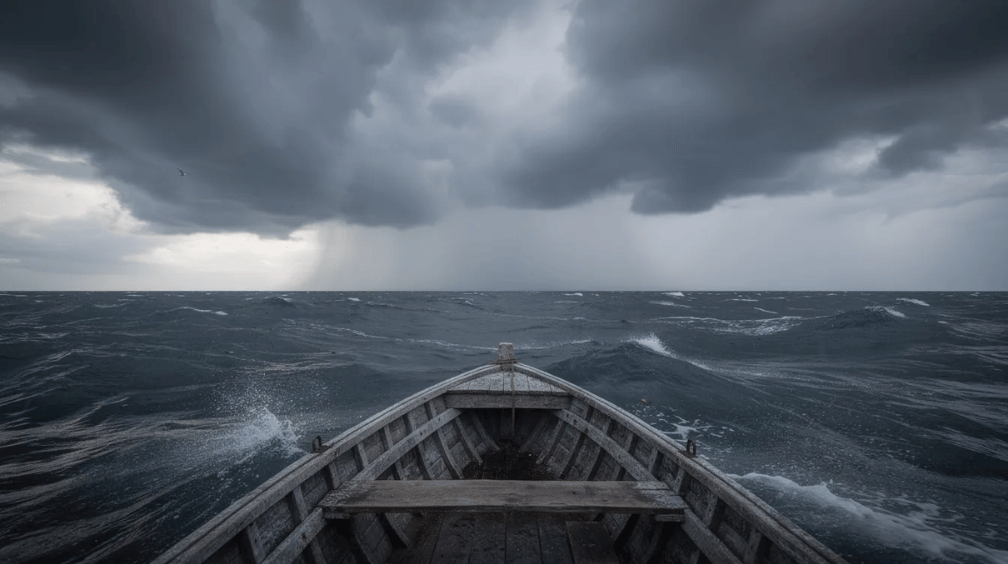
Thunderstorms are a primary cause of watercraft capsizing and collisions. Convective weather and severe summer storms can transform calm lakes or bays into hazardous environments within minutes.
A storm can bring sudden high winds, shifting gusts, heavy rain, rough water, and lightning. Downbursts and squall lines can push small boats sideways, flood open vessels, and separate passengers from the boat. Lightning can injure passengers, damage electronics, and leave boaters without navigation or communication.
At the first signs of towering dark clouds, distant thunder, a sudden wind shift, or falling temperature, head for shore or safe harbor. Do not keep waiting for “one more run” or “a few more minutes.” Have everyone put on life jackets, secure loose objects, reduce speed, and avoid touching metal during lightning.
Fog and Reduced Visibility:
Reduced visibility, such as fog, significantly increases the chance of collision or running aground due to impaired sight for boaters. Fog makes it difficult to see other vessels, channel markers, shoals, floating debris, and shore references.
In fog, safe operation depends on slow speed, sound signals, navigation lights, radar, AIS, and a constant lookout. Many small recreational boats do not have advanced electronics, which makes judgment and caution even more important.
Fewer accidents occur in fog than in clear weather, but those that do happen often involve collisions, allisions, or groundings. If fog forms while underway, reduce speed, post a lookout, verify your position, and avoid crossing busy channels unless necessary.
Hurricane Warnings, Tropical Storms, and Extreme Events:
Boating during hurricane warnings or tropical storms is extremely unsafe and should be avoided altogether. Hurricane-force winds, storm surge, large waves, and debris can destroy vessels, docks, marinas, and navigation aids.
Responsible boaters secure vessels well before hurricane warnings escalate. Waiting until the last moment can put the operator, passengers, marina staff, and rescuers at risk.
Comparatively few recreational boating accidents are recorded during full hurricane conditions because authorities often close waterways and most boaters stay ashore. But for any boat still out, the risk is extreme, and survival odds for small craft are low.
Human Factors: Why Accidents Occur Regardless of Weather Conditions:
Weather is only part of the story. U.S. Coast Guard summaries consistently list operator inattention, improper lookout, inexperience, excessive speed, and alcohol use as top causes of boating accidents and boating fatalities.
Even in the best weather conditions, human behavior can turn a routine trip into a fatal emergency.
Operator Inattention and Improper Lookout:
Operator inattention is especially dangerous in good visibility because it creates a false sense of safety. A boat operator may assume that clear weather gives enough time to react, but at speed, hazards approach quickly.
Common distractions include mobile phones, music, conversation with passengers, food, drinks, and watching only the water ahead instead of scanning 360 degrees. The rules of the road require a proper lookout by sight and hearing at all times, regardless of conditions.
A lookout helps identify other boats, other vessels, swimmers, floating objects, wakes, shoals, and sudden changes in weather. Inattention is a major reason daytime collisions happen on calm, sunny days with clear skies.
Operator Inexperience and Lack of Boating Safety Training:
Inexperienced operators often misjudge weather, water, and boat handling. A new boater may not know how quickly wind can build waves, how current affects steering, or how to interpret marine forecasts.
A certified boating safety course teaches navigation rules, weather interpretation, emergency procedures, collision avoidance, anchoring, distress signals, and man-overboard recovery. It also helps boaters learn when to cancel a trip before conditions become dangerous.
Many states require a boating safety course, boating license, or safety certificate for certain age groups or vessels. Even where the law does not require it, training is one of the most practical ways to reduce risk.
Speed, Alcohol, and Risk-Taking Behavior:
Speed shortens reaction time and increases impact force. A minor mistake at idle speed may cause embarrassment; the same mistake at high speed can cause injuries, ejection, swamping, or a fatal collision.
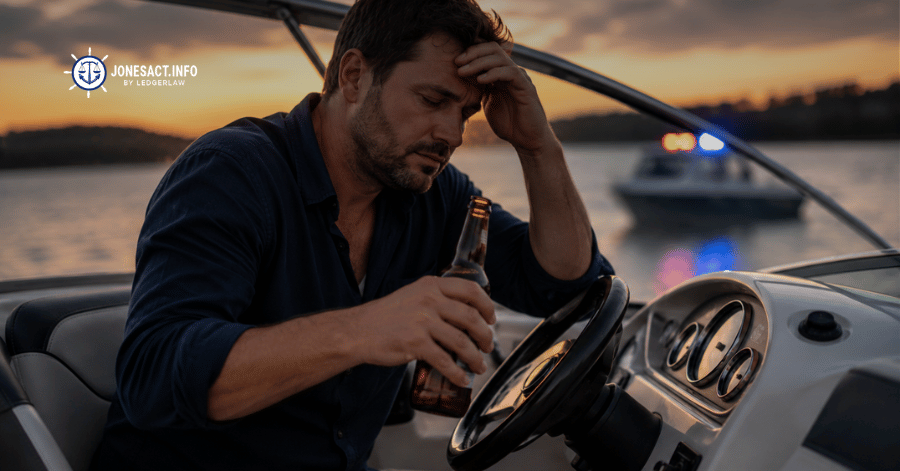
Alcohol is a major factor in boating deaths. The Coast Guard reported that alcohol was a known leading contributor in many fatal accidents, and heat, sun, dehydration, motion, and vibration can intensify impairment. Drugs can also affect judgment, balance, and reaction time.
Boating under the influence is illegal in all U.S. states, with penalties that may include fines, jail, loss of boating privileges, or criminal charges. BUI enforcement typically increases on busy summer weekends and holidays.
Recklessness often looks harmless at first: cutting close to other boats, ignoring no-wake zones, overloading passengers, or running fast near shore. But when mixed with alcohol, speed, or sudden weather, small choices can lead quickly to accidents.
Life Jackets, Drowning Risk, and Survival in Cold or Rough Water:
Life jackets are not just items to store on board for inspection. They are survival equipment that should be worn whenever the boat is underway, especially by children, weak swimmers, paddlers, and anyone in cold or rough water.
Coast Guard reporting shows that drowning is the leading cause of recreational boating deaths, and among drowning victims, most were not wearing life jackets. Some boating safety summaries report that 88% of fatal boating accidents result from drowning, often due to individuals falling overboard or failing to wear life jackets. Recent Coast Guard releases also show that a large majority of drowning victims were not wearing a life jacket.
Prolonged immersion in water temperatures below 70°F (or sudden immersion in water below 60°F) can trigger immediate cold water shock or rapid hypothermia. Cold water can disable even strong swimmers within minutes, especially if they are injured, panicked, or under the influence of alcohol.
The safest habit is simple: wear the pfd, not just carry it. Wearing life jackets gives passengers time to float, breathe, signal, and survive until help arrives.
Boating Safety by the Numbers: Time of Day, Season, and Weather Patterns:
The accident pattern is consistent: the highest number of boating accidents typically occurs when the most people are on the water. That means daylight hours, warm months, weekends, holidays, and good weather.
This is why “most boating accidents occur during which weather conditions” is not only a weather question. It is also a traffic, behavior, timing, and exposure question.
Time of Day: When Do Most Boating Accidents Occur?
Many boating accidents occur in the afternoon and early evening. This is when traffic is high, temperatures are warm, fatigue builds, and alcohol use may increase.
Night boating brings its own hazards, including reduced visibility, glare, navigation-light confusion, and difficulty judging distance. However, the highest accident counts often appear during broad daylight because that is when the greatest number of boats are operating.
Season and Months: Peak Boating Accident Periods:
Late spring and summer-roughly May through September-see the majority of boating accidents. June, July, and August are typically the highest-use months because of school breaks, warm weather, and long daylight.
Memorial Day, Independence Day, and Labor Day weekends often combine heavy boat traffic, rentals, inexperienced operators, alcohol, and crowded ramps. In warm-climate states like florida, boating accidents occur year-round but still spike during high-use seasons.
Weekdays vs. Weekends: Where Risk Concentrates:
Boating accidents happen more often on weekends and holidays because more people are on the water. Saturdays, Sundays, and holiday Mondays bring more rental boats, inexperienced operators, social gatherings, and alcohol use.
Crowded waterways also leave less room for error. A small wake, a sudden turn, or a building afternoon breeze can compound collision risks when many vessels are operating close together.
Practical Weather-Wise Boating Safety Tips:
Prevention starts before departure. The best boaters treat every outing as if the weather could change suddenly, even when launching under clear skies.
Use the following habits to reduce risk and make safety part of normal operation.
Check and Monitor Marine Weather Before and During Your Trip:
Before leaving, check marine forecasts from trusted sources such as the National Weather Service marine forecast. Look at wind speed, gusts, wave height, visibility, thunderstorms, fronts, and temperature changes.
While underway, monitor VHF weather channels, mobile radar, satellite imagery, and local alerts when available. Do not rely only on a forecast you checked hours earlier.
Keep scanning the sky and water. Darkening clouds, falling pressure, shifting wind, distant thunder, or a sudden temperature drop can all signal that conditions are changing quickly.
Know When to Stay Ashore: Weather Conditions to Avoid:
Cancel or postpone a trip when forecasts include hurricane warnings, tropical storm advisories, gale warnings, small craft advisories, severe thunderstorm watches, or severe thunderstorm warnings.
Also avoid departure when dense fog, strong onshore winds, large swell, extreme cold, or a strong cold front is expected along your route. These conditions can turn a manageable trip into an emergency.
If you are new to boating or operating a small vessel with low freeboard, use a wider safety margin. The water will still be there tomorrow.
Equip Your Boat for Sudden Weather Changes:
Required equipment varies by jurisdiction, but most boats need properly fitted life jackets for every person, a throwable flotation device, sound-producing devices, navigation lights, and visual distress signals.
For better real-world safety, carry a VHF radio, anchor and rode, extra lines, bilge pump, flashlight, first-aid kit, fire extinguisher, spare batteries, and a backup navigation method such as paper charts and a compass.
Foul-weather gear, dry clothing, and emergency blankets help prevent hypothermia if passengers get wet in cold or windy conditions. Also secure loose objects before conditions deteriorate.
For online planning, use official sources and confirm access before you go. If a marina website verifies a ramp reservation with “verification successful” or shows a respond ray id after a security check, save the details, but do not treat a website confirmation as a substitute for checking live weather.
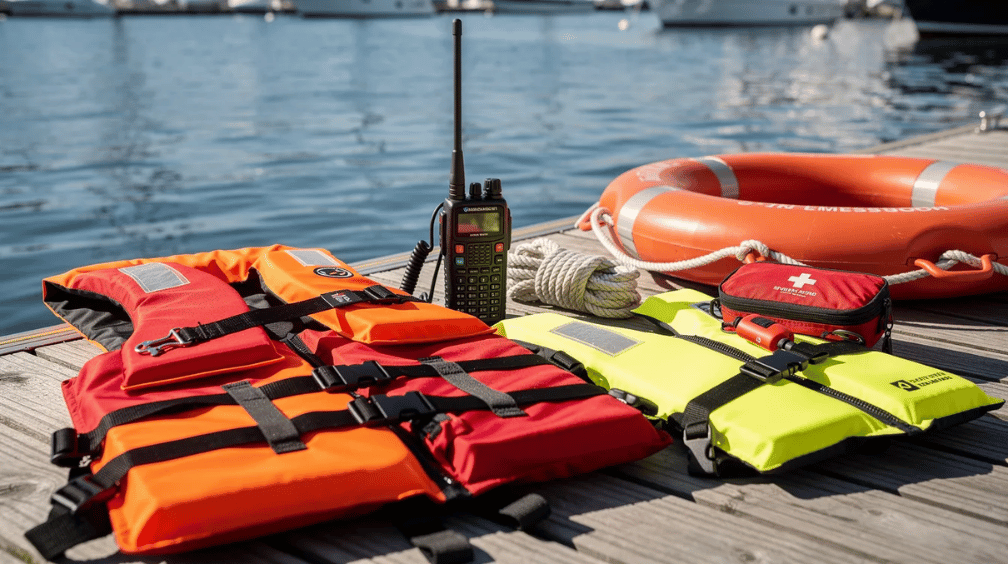
A boating safety course helps operators understand weather, navigation, collision avoidance, emergency communication, and legal responsibilities. It also teaches how to respond when conditions change quickly.
Practice person-overboard recovery, sudden storm procedures, loss of power, anchoring, radio calls, and use of distress signals. Passengers should know where safety gear is stored and how to put on life jackets.
Many insurers offer discounts for completing a boating safety course, and some jurisdictions require training before issuing a boating license. Training is not just paperwork; it builds judgment.
Conclusion: Respect the Weather, Respect the Water
Most boating accidents occur in weather that looks safe: calm water, clear skies, daylight hours, and light wind. That is the lesson many boaters miss. Good weather increases access, traffic, speed, and confidence, which can make ordinary hazards harder to notice.
Bad weather still deserves deep respect. High winds, fog, rough water, storms, lightning, cold water, and hurricane warnings can turn mistakes into fatal boating accidents within minutes. Strong winds are especially dangerous because they build waves, destabilize boats, and make safe operation more difficult.
The safest boaters do not rely on luck. They check forecasts, monitor conditions, avoid alcohol, wear life jackets, keep a proper lookout, slow down around other vessels, and learn from a boating safety course.
Remember this before your next trip: the goal is not just to launch, cruise, and return. The goal is to bring every passenger back safely, with no injuries, no drowning, and no preventable boating death.
Related: Boating Accidents
FAQ
Frequently Asked Questions

Most reported recreational boating accidents happen in good weather with calm water, light wind, and clear skies-not during storms.
Calm, clear conditions put more boats on the water and encourage higher speed, social drinking, distraction, and complacency, which increases the chance that accidents occur.
Coast Guard statistics often show a strong majority in fair conditions; in 2023, about 62% of reported accidents occurred on calm water.
High winds, rough water, severe thunderstorms, lightning, dense fog, extreme cold, and hurricane warnings are among the most dangerous weather conditions for boaters.
Fog reduces visibility and makes it difficult to see other vessels, markers, shore, shoals, and hazards, increasing the risk of collisions and running aground.
Thunderstorms can bring sudden high winds, rough water, lightning, heavy rain, and rapid temperature drops that can quickly overwhelm small boats.
Yes. High winds create rough water, reduce control, destabilize boats, and contribute to capsizing, falls overboard, swamping, and collisions.
Many boating accidents occur during the afternoon and early evening, when boat traffic, fatigue, heat, and alcohol use tend to be higher.
Late spring and summer are highest, especially June, July, and August, because more boaters are on the water in good weather.
Top causes include operator inattention, improper lookout, operator inexperience, excessive speed, alcohol use, and failure to follow boating safety rules.
Yes. Alcohol is a major contributing factor in many fatal accidents because it slows reaction time, weakens balance, and impairs judgment.
Coast Guard data regularly shows that roughly 80–90% of drowning victims in fatal recreational boating accidents were not wearing life jackets.
Inexperienced operators may misread weather conditions, misunderstand navigation rules, mishandle rough water, or fail to react correctly in an emergency.
Requirements vary by law and location, but boats typically need life jackets, a throwable flotation device, sound signals, navigation lights, and visual distress signals.
You can prevent many accidents by checking weather, wearing life jackets, avoiding alcohol, keeping a proper lookout, controlling speed, and taking a boating safety course.
Yes. Boating accidents are more common on weekends and holidays because there are more boats, more passengers, more alcohol use, and more inexperienced operators.
Head for the nearest safe harbor immediately, have everyone put on life jackets, secure loose gear, reduce speed, and avoid touching metal during lightning.
Yes. Boating under the influence is illegal in all U.S. states and is often enforced aggressively during busy boating weekends.
Many states and countries require a boating license or safety certificate for certain ages, vessels, or engine sizes, so check your local law before operation.
Avoid strong winds, rough water, severe thunderstorms, dense fog, extreme cold, rapid temperature drops, tropical storms, and hurricane warnings.
Prevent boating accidents by planning conservatively, monitoring weather, wearing life jackets, avoiding alcohol and drugs, maintaining a lookout, and returning to shore before conditions become severe.