
Bar Harbor Cruise Ship Lawsuit: Passenger Caps, Court Rulings, and What Comes Next
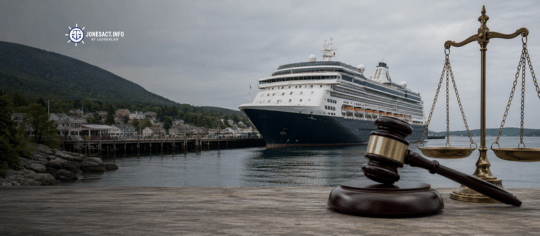
Key Takeaways: Bar Harbor voters approved cruise ship disembarkation limits of 1,000 passengers daily in early November 2022, passing the initiative by 507 votes to address pedestrian congestion and safety concerns near Acadia National Park. Judge Walker’s decision in May 2026 ruled the 1,000-passenger limit remains effective only during July and August, deeming it unconstitutional during shoulder seasons under the pike balancing test. The First Circuit Court partially upheld Bar Harbor’s cruise ship ordinance in its August 2025 circuit opinion but partially remanded the case for further fact-finding on seasonal burdens. Cruise tourism numbers have dropped sharply-from roughly 182,000 cruise ship passengers in 2024 to a projected figure under 50,000 in 2026-reshaping the local economy. The legal battle, which has spawned multiple lawsuits, could set precedent for how other coastal towns regulate cruise ships under the commerce clause. Bar Harbor, Maine-a small coastal gateway where Acadia National Park sits just minutes from the downtown area-has become the center of a greatly discussed legal battle over cruise ship regulation. In November 2022, bar harbor voters approved a citizen-initiated ordinance limiting cruise ship disembarkations to 1,000 per day at town-managed piers. The move triggered lawsuits from cruise-dependent businesses and maritime groups, pushing the dispute through federal court and the first circuit court of appeals. This article covers the bar harbor cruise ship lawsuit, court decisions, impacts on cruise lines and local businesses, and what comes next after judge walker’s remand decision in May 2026. Bar Harbor Cruise Ship Lawsuit Overview: The bar harbor cruise ship lawsuit has become shorthand for the town of bar harbor’s high-stakes fight over cruise regulation. The legal battles over cruise ship regulations in Bar Harbor involve several interconnected lawsuits challenging the 2022 ordinance that limits cruise ship disembarkations to 1,000 daily. At its core, this partially remanded federal case pits local environmental and quality-of-life concerns against the interstate commerce interests of cruise lines and port service providers. Origins of the Bar Harbor Story and the 1,000-Passenger Cap: By the late 2010s, Bar Harbor was receiving over 100 cruise ship visits per season, with peak daily passenger counts far exceeding 1,000. Bar Harbor previously hosted 60% of Maine’s cruise ship visitors, making it one of the state’s major tourist attractions for maritime tourism. Residents voiced frustration over crowding in downtown bar harbor, strain on town services, and visitor pressure on Acadia national park. Voluntary agreements (MOAs) with cruise lines had set caps of 3,500 during peak season and 5,500 in shoulder seasons, but these were unenforceable. Dissatisfaction led to the citizen initiative. Voters approved the disembarkation limits in November 2022 by 507 votes (approximately 1,780 yes to 1,273 no). The ordinance seeks to cap the number of cruise ship passengers allowed ashore daily, with fines of $100 to $5,000 per additional passenger. Who Filed the Bar Harbor Cruise Ship Lawsuit and Why? The primary lawsuit was filed in federal court by Golden Anchor, L.C., B.H. Piers, and other local businesses involved in cruise operations, alongside maritime interests including the Penobscot Bay & River Pilots Association. Plaintiffs argued that limited passenger disembarkations unlawfully restricted interstate commerce by constraining more cruise ships from calling on Bar Harbor. Tender operators and shore service providers claimed direct economic harm from reduced cruise traffic. On the opposing side, defendant intervenor Charles Sidman-a resident and business owner-moved to protect local livelihoods by defending the ordinance, arguing voter intent and local control should prevail. Each party involved brought distinct economic and constitutional concerns to the table. The Legal Battle in Federal Court: Judge Walker and the Commerce Clause: The case landed before federal judge Lance E. Walker in the U.S. District Court for the District of Maine. Judge Walker applied the pike balancing test, weighing putative local benefits-reduced pedestrian congestion, protected town character, managing access to acadia national park-against burdens on interstate commerce. Court rulings indicate a balance is needed between tourism management and economic impacts. Judge Walker initially found the cap could not constitutionally apply during shoulder seasons while viewing July and August differently, given documented congestion, public safety data, and infrastructure strain during the peak summer tourism season. Both sides filed a cross appeal, leading to the First Circuit’s involvement. First Circuit Appeal and Oral Arguments: The U.S. Court of Appeals ruled on August 11, 2025, in a detailed circuit opinion. Chief judge David Barron and circuit judge William Kayatta participated in the panel’s analysis. The First Circuit partially upheld judge walker’s approach but vacated the Pike analysis, requiring more refined fact-finding around seasonal harms. The appeals court emphasized considering concrete evidence-congestion data, impacts on Acadia National Park, and availability of alternative ports. After the partial remand, the lower court scheduled additional oral arguments. Judge Lance Walker heard oral arguments on February 11, 2026, to refine the record before issuing his post-remand ruling. The May 2026 Ruling: Seasonal Constitutionality of the Ordinance: In May 2026, judge walker’s decision reaffirmed that bar harbor’s cruise ship cap is enforceable in July and August. A federal court ruled the 1,000-passenger cap unconstitutional during shoulder seasons-May, June, September, and October-because the burdens on interstate commerce outweigh demonstrated local benefits in those months. The 1,000-passenger limit remains effective only during July and August, creating a seasonal framework. Proponents of the ordinance argue it preserves Bar Harbor’s quality of life during the most congested months. Some aspects remain open for further appeals, and the Town and intervenors have signaled interest in reviewing next steps, potentially seeking guidance that could reach as high as the supreme court, though no supreme court justice has weighed in to date. Current Status of Bar Harbor’s Cruise Ship Ordinance: As of the May 2026 ruling, Bar Harbor can enforce disembarkation limits only in July and August. The town council has committed publicly to not returning to pre-ordinance cruise traffic levels. Bar Harbor stopped accepting new advance cruise ship reservations amid ongoing litigation while designing new regulatory tools. Notably, a repeal attempt of the ordinance lost by 65 votes in November 2024, reinforcing community
10 Maritime Accidents in USA in May 2026
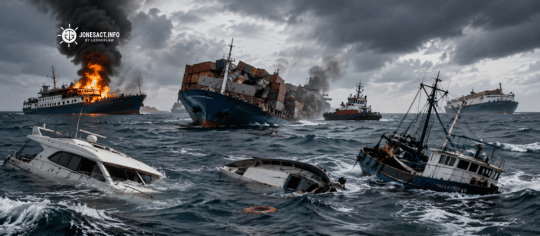
Key Takeaways: May 2026 saw at least 10 notable maritime incidents across U.S. waters and inland lakes, resulting in multiple fatalities and injuries. Accidents ranged from pier and dock collisions to sandbar groundings, boat fires, and suspected Boating Under the Influence (BUI) crashes. Crew members and passengers were affected by factors such as rough seas, nighttime navigation, and possible operator impairment. Several events occurred in calm or no-wake zones, underscoring that severe weather conditions were not the only risk factor. Rapid Coast Guard and local rescue responses prevented further loss of life in some maritime incidents. A cargo vessel lost roughly 70 cargo containers off North Carolina on May 30, and a 45-foot catamaran caught fire and sank south of St. Thomas on May 31, further expanding the month’s toll. These cases underline the need for better safety training, sober operation, and strict adherence to maritime regulations. Several notable maritime incidents occurred in the United States during May 2026, making it one of the more sobering months for boating safety in recent memory. In May 2026, there were several significant recreational and minor operational maritime accidents in U.S. waters, spanning everything from recreational boats and a sportfishing vessel to a workboat on a service pond and an offshore sailing yacht. Themes like crew members’ safety, heavy seas, nighttime navigation, and human error run through nearly every case, and the details that follow paint a clear picture of what went wrong and why it matters, even though not every dangerous situation involves severe weather. 10 Maritime Accidents in USA in May 2026: The following sections walk through 10 specific, documented maritime accidents in the USA in May 2026 in roughly chronological order. Each summary covers the date and time, location, accident type, casualties, essential details, and source links for further reading. Descriptions distinguish between fatalities, crew injuries, and close calls, with brief context on visibility, time of day, or environmental conditions when available. 1. Fatal Boat Crash Near Boston Logan Airport (Pier Collision): A fatal recreational boating accident occurred on May 13, 2026, in Boston, Massachusetts, when a twin-engine boat struck a pier near Logan International Airport at approximately 11:20 p.m. The collision killed one person and hospitalized three others. Accident Date, Location and Type: Date & Time: May 13, 2026, ~11:20 p.m. Location: Boston Harbor, Pier 4R adjacent to Runway 4R, East Boston, Massachusetts. Accident Type: High-speed pier collision in darkness. Accident Details: The twin-engine recreational boat, carrying four passengers (one man and three women), was reportedly taken without authorization from the Freedom Boat Club after hours. Operating in darkness, the boat struck Pier 4R near the airport runway, causing all passengers to be thrown onto slippery rocks beneath the pier. Elizabeth Dankert, a Union College graduate working at PTC software company, succumbed to injuries sustained in the crash. The other three passengers were hospitalized but sustained non-life-threatening injuries. Massachusetts State Police and Suffolk County District Attorney’s Office are investigating factors including speed, lighting conditions, and potential operator impairment. The incident highlights the dangers of unauthorized vessel use and nighttime navigation near complex harbor structures. Casualties: 1 death (Elizabeth “Lizzie” Dankert, 24, of Andover); 3 injured with non-life-threatening injuries. Sources: CBS News Boston, BoatTEST. 2. Fatal Boating Accident – Watauga Lake, Tennessee: On May 8, 2026, a man scheduled to compete in a bass tournament fell overboard in a no-wake zone on Watauga Lake and did not resurface, making it Tennessee’s 8th boating fatality of the year. Accident Date, Location and Type: Date & Time: May 8, 2026, ~7:00 p.m. Location: Rat Branch boat ramp, Watauga Lake, Hampton, Carter County, Tennessee. Accident Type: Fall overboard in a no-wake zone. Accident Details: Details: Alexander C. Luster was preparing to compete in a bass fishing tournament when he fell overboard near the Rat Branch boat ramp in the no-wake zone of Watauga Lake. Despite calm water conditions, Luster did not resurface, prompting a search by Carter County Rescue Squad divers. The body was recovered around 11:35 p.m. using a remotely operated vehicle (ROV) to assist in the underwater search. An autopsy was ordered to determine the exact cause of death. This incident underscores that even in restricted-speed zones and calm waters, risks such as accidental falls and drowning remain significant, especially when safety equipment like life jackets may not be worn or accessible. Casualties: 1 death (Alexander C. Luster, 36, of Boone, North Carolina). Sources: BoatTEST. 3. Boat Hit Sandbar – Jones Beach, New York: A recreational vessel struck a sandbar near Jones Beach on May 8, 2026, injuring the operator during a routine transit from Zachs Bay toward the Wantagh State Parkway bridge. Accident Date, Location and Type: Date & Time: May 8, 2026. Location: Waters near Jones Beach, Nassau County, Long Island, New York. Accident Type: Grounding on a sandbar. Accident Details: While navigating from Zachs Bay toward the Wantagh State Parkway bridge, the boat operator failed to avoid a sandbar in the shallow waters near Jones Beach. The unexpected grounding caused the operator to be thrown forward violently, resulting in a head injury. The vessel remained stuck on the sandbar until the Wantagh Fire Department arrived to assist. Emergency responders safely removed the injured captain and coordinated transport to a Nassau County ambulance for hospital treatment. This accident highlights the importance of updated navigational charts, awareness of shifting sandbars common in coastal areas, and cautious vessel operation in shallow waters. Casualties: 1 injured (captain sustained a head injury). Sources: BoatTEST. 4. Boat Struck Dock – Antioch, California: On May 10, 2026, a boat crashed into a marina dock at a waterfront restaurant in Antioch, California, injuring two people. Accident Date, Location and Type: Date & Time: May 10, 2026. Location: Antioch Marina, Contra Costa County, California. Accident Type: Collision with a dock. Accident Details: The vessel was attempting to dock at the Antioch Marina near a local restaurant but collided with the dock structure, resulting in injuries to two occupants. Contra Costa County Fire Protection District (CONFIRE) responded
Boat Liability Waiver: Is It Valid After an Injury?
Key Takeaways: A boat liability waiver can be enforceable, but it does not automatically defeat every personal injury claim. Liability waivers usually address inherent risks and ordinary negligence, not gross negligence or intentional harm. Federal maritime law, including 46 U.S.C. § 30509/§ 30527, can void some passenger contracts. Unclear, hidden, or overly broad language is often read against the company that drafted it. Injured passengers may still have legal rights and should ask an attorney to review the specific facts. Boat rentals, charters, scuba diving trips, and sightseeing tours often begin with signing a waiver at the dock or online. A boat liability waiver is a written legal agreement and a legal document signed before engaging in boating activities, usually asking participants to acknowledge risks and sometimes waive the right to sue. These contracts can protect boat owners from lawsuits resulting from typical boating risks, but they are not absolute. After an injury, a court will determine whether the agreement is valid, what it covers, and whether the injured person still deserves compensation. Boat Liability Waiver: Is It Valid After an Injury? A boat liability waiver can be valid after an injury, but enforceability depends on maritime law, state law, the wording, and the specific circumstances of the accident. Courts ask whether the person knowingly accepted such risks, whether inherent risks were understood by participants, and whether the harm came from the activity’s nature or from negligent conduct. Inherent risks are dangers associated with an activity’s nature, like waves, wet decks, weather, seasickness, or ordinary docking bumps. Liability waivers are enforceable if risks are inherent to activities, but liability waivers may not protect against negligence, and a waiver may not protect against negligence or reckless behavior. Waivers reduce risk but do not eliminate the possibility of a lawsuit. How Boat Liability Waivers Work in Practice: A waiver is a risk agreement built on assumption of risk, release, and hold harmless agreement language. Key elements of a waiver include identification of parties and acknowledgment of risks; waivers list potential risks associated with an activity, and a robust boat liability waiver is critical for protecting businesses from legal liability. Typical clauses say the renter accepts full responsibility for participation, equipment use, property damage, and injuries caused by ordinary boating dangers. Responsibility for damages states the renter is financially responsible for any damage to the boat. An indemnification agreement states the renter will pay for legal fees caused by their actions. A short paraphrased example might read: “I acknowledge boating dangers, assume the potential risk of injury or death, release the owner, business, directors, officers, agents, and employees from permitted claims, and agree to hold them harmless.” A valid form should include a clear signature line and date from the primary renter. Common Types of Boat Liability Waivers and Agreements: Common documents include day-rental waivers, guided fishing or snorkeling waivers, cruise excursion releases, private charter contracts, and online recreational activity forms. Some are one-page dock forms; others are multi-page digital contracts accepted months before an event. A parent may sign on behalf of a child, but courts often review child releases closely. The less time clients have to fully understand the agreement, the more likely a judge may question whether consent was real. Maritime Law and Federal Limits on Boat Liability Waivers: Accidents involving boats on navigable waters may fall under maritime rules, not just local law. Federal statutes can void clauses limiting liability for passenger personal injury or death caused by a vessel owner’s negligence on qualifying voyages. In Ehart v. Lahaina Divers, discussed in the Ninth Circuit’s 2024 opinion, a same-port Hawaii snorkeling trip raised whether federal “between ports” limits applied. The court allowed the ordinary-negligence waiver defense to continue, but gross negligence claims remained outside the release. Passengers vs. Crew: Different Rules for Waivers: Professional seamen have stronger protections than paying passengers. Employers generally cannot use liability waivers to block a crew member’s injury claim, while passengers may sign waivers that are upheld only in proper circumstances. When a Boat Liability Waiver Is Enforceable: Some states strictly enforce waivers if they meet clear language standards. Courts generally look for plain references to negligence, personal injury, the parties, the activity, and the exact risks being accepted. A waiver is more likely enforceable when: The signer had time to read it. The risks were specific, not vague. The release applied only to ordinary negligence. The operator followed safety rules. The signer was not pressured. Safety guidelines require compliance with local, state, and federal laws, so companies cannot ignore life jackets, capacity limits, weather warnings, or intoxication rules and expect a waiver to protect them. Inherent Risks vs. Negligent Conduct: Inherent risks exist despite reasonable care by operators. A slippery deck after spray may be inherent; overloaded boats, broken navigation lights, defective equipment, or a captain texting while steering may show negligent conduct. The U.S. Coast Guard reported 3,887 recreational boating incidents in 2024, with 556 deaths and 2,170 injuries, showing why safety and responsibility matter. When a Boat Liability Waiver Is Void or Unenforceable: The legality of waivers differs from state to state. In Hawaii, waivers must meet specific criteria to be valid, and Hawai‘i law protects operators from liability for inherent risks; however, swimming injuries are excluded from liability coverage in waivers. California law states waivers cannot exempt liability for fraud or willful injury. In Mississippi, waivers only cover activities explicitly listed. A waiver may fail if it hides key terms, conflicts with federal law, is signed under pressure, lacks a proper signature, covers a different activity, or demands that a party waive claims for reckless conduct. Courts also resist clauses trying to erase gross negligence, because justice and public policy limit how far companies can shift responsibility. Gross Negligence, Recklessness, and Intentional Misconduct: Gross negligence means more than carelessness, such as speeding through a crowded marina at night or ignoring known engine defects. If a company is held liable for reckless disregard, a harmless agreement usually will not save
What Is The Main Cause Of Costa Concordia Accident?
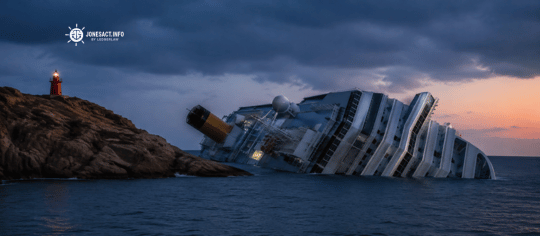
Key Takeaways: The main cause of the Costa Concordia accident was human error after the ship deviated from its planned route. Captain Francesco Schettino ordered an informal close-coastal salute near Giglio island. The cruise ship struck the le scole reef after navigating too close to shore in shallow waters. Disabled or ignored navigation safeguards, weak bridge communication, and delayed evacuation procedures worsened the disaster. Thirty two people died, while more than 4,200 passengers and crew were rescued. The Costa Concordia disaster forced major changes to cruise line safety rules, muster drills, and route controls. Salvage operations became among the most expensive in maritime history, with losses exceeding $2 billion. On the night of 13 January 2012, the costa concordia was sailing through a calm Tyrrhenian sea near giglio island. The mood on board was relaxed: restaurants were open, many passengers were settling into the first evening of their cruise, and the huge ship looked like a floating resort, complete with restaurants, theaters, and four swimming pools. Then the ship struck submerged rocks. Within minutes, water flooded critical spaces, lights failed, and the cruise ship began to list. Passengers were first told the problem was only an electrical fault, but the situation was already far more serious. By the next morning, the concordia lay on her starboard side near isola del giglio, half-submerged and visible from the shore. The central question is still unsettling: how could one of the most advanced modern cruise ships run aground on a known reef in good weather? The answer is not a single broken machine or a freak act of nature. It is a chain of choices involving navigation, human error, bridge discipline, company culture, and delayed emergency response. This article explains the cause of the Costa Concordia accident in practical terms, from the fatal route deviation to the evacuation and the reforms that followed across the cruise industry. 10 Main Reasons – What Caused the Costa Concordia Accident? The primary cause of the incident was an unauthorized route deviation for a close “sail-by salute” near giglio island, combined with navigation mistakes and a severely delayed rescue operation process. 1. Unauthorized Route Deviation: The primary cause of the Costa Concordia incident was an unauthorized deviation from the planned course. Captain Francesco Schettino ordered a close “sail-by salute” near Giglio Island, bringing the ship dangerously close to the shore and the submerged Le Scole reef. This maneuver was not part of the official passage plan and significantly reduced safety margins. 2. Risky Close-Coastal Maneuver: The ship navigated at an unsafe speed of approximately 15.5 knots in dark conditions near shallow reefs. This close-coastal maneuver increased the risk of collision with underwater hazards, leaving little room for error or corrective action. 3. Disabled or Ignored Navigation Safeguards: Despite having advanced navigation systems such as electronic charts, radar, and alarms, many safety features were muted, ignored, or inadequately used. This failure in utilizing technology effectively contributed to the bridge’s poor situational awareness. 4. Poor Bridge Communication and Resource Management: Communication breakdowns and weak bridge resource management played a critical role. Confusion over helm orders, language barriers with the helmsman, and a lack of challenge to the captain’s risky decisions led to delayed or incorrect maneuvers. 5. Delayed Emergency Response and Evacuation: There was a significant delay of nearly an hour between the collision and the formal abandon-ship order. Passengers were initially misinformed that the issue was an electrical fault, which slowed muster and evacuation efforts. This delay worsened the situation as the ship’s list increased and the sinking made rescue and evacuation more difficult. 6. Insufficient Crew Training and Preparedness: Many crew members were not adequately trained for emergency situations. The absence of a mandatory muster drill before departure meant passengers were unfamiliar with evacuation procedures, leading to confusion and chaos during the emergency. 7. Culture of Normalization of Deviance: A systemic culture within Costa Cruises and the wider industry tolerated risky practices, such as unauthorized close passes to shore, because previous attempts had not resulted in occurrences. This normalization of deviance lowered safety standards and encouraged complacency. 8. Captain’s Abandonment of Ship: Captain Schettino abandoned the ship before all passengers and crew had evacuated, violating maritime protocols. He was later convicted of multiple charges, including manslaughter, causing a maritime disaster, and abandoning ship, and was sentenced to 16 years in prison. His premature departure undermined leadership during the crisis and contributed to the overall chaos. 9. Inadequate Enforcement of Safety Protocols: Although formal safety management systems existed, enforcement was lax. The failure to rigorously apply passage plans, conduct regular drills, and maintain bridge discipline allowed unsafe practices to persist unchecked. 10. Overreliance on Visual Navigation in Darkness: The bridge team relied heavily on visual cues despite darkness and challenging coastal geography. This overreliance, combined with insufficient cross-checking of electronic navigation data, impaired hazard detection and timely response. These causes combined to create a catastrophic chain of events that led to the grounding, flooding, and eventual capsizing of the Costa Concordia, making it one of the most significant maritime disasters in recent history.: Human Error, Risk Culture & Lasting Lessons Background: The Costa Concordia And Her Final Voyage: Costa Concordia was a 114,500 GT cruise ship operated by Costa cruises, also known as costa crociere, under the wider carnival corporation business group. Launched in 2005 and entering service after her maiden voyage period, she represented the scale and confidence of modern cruise ships in the early 2000s. The ship was about 290 metres long and designed as a floating hotel. It carried thousands of maritime travelers and crew, with multiple restaurants, entertainment venues, swimming pools, cabins, and a large superstructure that made stability and rescue planning especially important in maritime emergencies. On 13 January 2012, the ship was beginning a Mediterranean itinerary from Civitavecchia, with planned calls at ports such as Savona, Marseille, Barcelona, Palma, Cagliari, and Palermo. There were roughly 4,229 people on board, including about 3,206 passengers and 1,023 crew members from many nationalities. Later
Death on the High Seas Act (DOHSA): Rights, Limits, and What Families Should Know
Key Takeaways: DOHSA applies to wrongful death beyond three nautical miles from the U.S. coastline, or beyond twelve nautical miles for commercial aviation. DOHSA is strictly triggered by the geographical location where the fatal injury occurs. Eligible family members usually recover only pecuniary damages, such as lost wages, financial support, medical expenses, and funeral expenses. Decedent’s contributory negligence can reduce, but not eliminate, the financial remedy. Lawsuits filed under the Death on the High Seas Act (DOHSA) are subject to a three-year statute of limitations from the date of the death. DOHSA often becomes the exclusive remedy and preempts many state law and general maritime law claims. Experienced counsel is critical because fault requires careful examination in dohsa lawsuits. Offshore deaths are handled differently from ordinary wrongful death cases. A rig explosion, commercial fishing vessel sinking, cruise passenger overboard incident, helicopter crash to a platform, or fatal aircraft crash over water can trigger the death on the high seas act instead of ordinary state law. The Death on the High Seas Act (DOHSA) is a federal US maritime statute codified under 46 U.S.C. §§ 30301–30308 that provides a legal framework for families to seek financial recovery when a loved one dies due to a wrongful act, negligence, or unseaworthiness in international waters. DOHSA was enacted in 1920 to provide a uniform legal remedy for wrongful death cases occurring on the high seas, following increased awareness of maritime deaths after the Titanic disaster. What Does DOHSA Mean in Maritime Law? In maritime law, DOHSA is a federal wrongful death statute for deaths occurring on the high seas. The Death on the High Seas Act (DOHSA) is a federal law that provides a legal remedy for wrongful death cases occurring beyond three nautical miles from the United States coastline. If a death occurs within 3 nautical miles, DOHSA does not apply, and state wrongful death laws or general maritime law govern the case. For maritime incidents, high seas means waters beyond three nautical miles from shore. In commercial aviation death cases, DOHSA applies only to accidents beyond twelve miles from U.S. shore, allowing claims under state law for incidents within that distance. DOHSA focuses on providing legal remedy and fair compensation for economic harm, not punishment or emotional loss. That is why the first strategic question is whether DOHSA, the jones act, state law, or another remedy controls. Death on the High Seas Act Explained for Offshore Accident Claims: The phrase death on the high seas act, the high seas act, and the seas act all refer to a statute with strict location, damages, and filing rules. These dohsa rules affect deceased’s surviving family members after cases involving vessels sailing offshore, aircraft accidents, and maritime workers killed far from shore. Scope and When DOHSA Applies: DOHSA applies when death is caused by a wrongful act, neglect, or default occurring beyond three nautical miles from U.S. shores. Under the 2000 amendments, it also covers fatal aircraft crashes involving commercial aviation beyond twelve nautical miles. The location of the wrongful act matters more than where the deceased individual later dies. For example, DOHSA coverage may apply if injuries from a sunken vessel onboard fire, explosion defective equipment, mechanical error failure, or safety procedures failure occur offshore, even if death happens later in a hospital. Examples include: 1. A commercial fishing vessel sinking in international waters. 2. A cruise passenger lost overboard beyond territorial limits. 3. A helicopter crash carrying maritime workers to an offshore rig. 4. A vessel collision where a negligent owner or vessel’s owner caused the fatal event. DOHSA often becomes the exclusive remedy against non-employer defendants for death on the high seas. Who Can Bring a DOHSA Claim? A dohsa compensation claim is filed by the decedent’s personal representative for qualified beneficiaries. DOHSA allows the decedent’s spouse, parent, child, or dependent relative to recover for pecuniary losses sustained due to the death, but does not permit recovery for non-pecuniary damages such as pain and suffering. A dependent parent, other dependent relative, spouse, or child may receive financial proceeds, but the decedent’s estate usually plays the procedural role. One dohsa suit is typically filed, and recovery is allocated based on dependency, financial support, and other financial costs caused by the death. Unlike Jones Act claims, DOHSA does not require the person to be a seaman. Passengers, contractors, and other maritime workers can qualify if dohsa applies. Damages Under DOHSA: Focus on Pecuniary Loss: Under the Death on the High Seas Act (DOHSA), eligible family members can only recover for pecuniary losses, which are financial losses that can be calculated with precision, such as lost wages and funeral expenses. Pecuniary damages may include future lost earnings, household services, funeral costs, funeral expenses loss, and some medical expenses. Damages under DOHSA are typically calculated based on the financial benefits that the beneficiaries might have reasonably expected to receive from the decedent had their life not been terminated, considering factors like age and earning potential. Economists often assist with calculating lost wages, benefits, and financial support counseling needs. Non-Pecuniary Damages and the Aviation Exception: DOHSA does not allow for recovery of non-pecuniary damages, such as pain and suffering or loss of companionship, which are often significant in other wrongful death claims. Standard maritime DOHSA cases also bar non economic damages, suffering damages, and punitive damages; the Supreme Court confirmed this limit in Mobil Oil Corp. v. Higginbotham. The 2000 amendments to DOHSA allow claimants in commercial aviation cases to recover non-pecuniary damages for loss of care, comfort, and companionship, although pre-death pain and suffering remains non-recoverable. This exception does not let maritime claimants recover non pecuniary damages, which remains controversial. Decedent’s Contributory Negligence and Comparative Fault: If the deceased was partly at fault for the incident leading to their death, contributory negligence can reduce the financial remedy awarded to the family under DOHSA. The defendant must prove decedent’s contributory negligence and show that it helped cause the death. Examples include failure to wear a
What Every Boater Should Know: Most Boating Accidents Occur During Which Weather Conditions?
Key Takeaways: Most boating accidents occur in calm water, clear skies, light wind, and good visibility-not during storms or hurricane warnings. Good weather puts more boats on the water, which increases the risk of collisions, falls overboard, alcohol-related incidents, and operator mistakes. Severe weather creates fewer total accidents because fewer boaters launch, but storms, fog, rough water, and high winds are far more likely to turn fatal. Operator inattention, improper lookout, inexperience, speed, and alcohol are major causes of boating accidents in every type of weather. Wearing life jackets is one of the simplest ways to reduce drowning and boating deaths. A boating safety course helps boat operators learn weather judgment, navigation rules, emergency operation, and collision avoidance. Many serious boating accidents cluster during daylight hours, summer months, weekends, and holiday afternoons. Do most boating accidents happen in bad weather or good weather? The surprising answer is good weather. U.S. Coast Guard recreational boating data repeatedly shows that most boating accidents occur during calm, clear, daylight conditions with light wind and good visibility. That does not mean storms are safe. Thunderstorms, hurricane warnings, rough water, fog, lightning, and strong winds create severe dangers for boaters. The difference is volume: fewer people go out in bad weather, while clear skies bring crowded waterways, faster boats, social drinking, and a lower sense of risk. In this guide, you’ll learn which weather conditions are linked to the majority of boating accidents, which conditions are most dangerous when accidents occur, and how practical boating safety habits can help you avoid injuries, drowning, and fatal accidents. Understanding Marine Weather Risks : Most Boating Accidents Occur During Which Weather Conditions? The direct answer is this: most reported recreational boating accidents occur during calm water, light wind, and good visibility under clear skies. According to the U.S. Coast Guard’s 2023 recreational boating statistics, 2,387 of 3,844 accidents-about 62%-occurred when water was calm, meaning waves were under 6 inches. Light or no wind was also involved in roughly two-thirds of all accidents. You can review the Coast Guard’s annual data in the 2023 Recreational Boating Statistics report. That is why the keyword question “most boating accidents occur during which weather conditions” has a counterintuitive answer. Most boating accidents happen when the weather feels safe. Calm water, clear visibility, and light wind encourage boaters to relax, speed up, socialize, and pay less attention to other vessels, floating objects, swimmers, and navigational hazards. Accidents occur more often in fair weather because fair weather creates more exposure. More boats leave the dock. More passengers move around the deck. More people swim, tow tubes, drink alcohol, and stay out longer. When the number of boats increases, so does the number of opportunities for collisions, falls overboard, swamping, running aground, and injuries. In severe weather, the number of total accidents is often lower because prudent boaters stay at shore or return early. But when accidents occur during storms, rough water, fog, high winds, or hurricane warnings, the results are typically more severe. Small vessels can be overwhelmed quickly, and rescue may be more difficult at night, in poor visibility, or far from shore. The key weather conditions affecting boating safety include calm and clear days, gusty winds, rough water, thunderstorms, lightning, fog, reduced visibility, extreme cold, and tropical systems. High winds, reduced visibility, extreme waves, lightning, and rapid temperature drops are the primary weather factors that dramatically elevate the risk of boating accidents. That is why marine weather awareness is essential. Before leaving, boat operators should understand wind speed, wind direction, wave height, swell, storm outlook, visibility, and water temperature. While underway, boaters should keep checking the sky, watching other boats, and responding quickly when conditions change. Fair Weather, Hidden Dangers: Why Most Boating Accidents Occur in Calm, Clear Conditions: Coast Guard and state boating reports routinely show that the majority of recreational boating accidents occur in daylight, fair weather, and calm seas. More than three-quarters of all recreational boating accidents occur in broad daylight, which reinforces the point that visibility alone does not prevent mistakes. Fair weather is dangerous because it lowers caution. Boaters feel comfortable, passengers relax, and hazards seem less urgent. Here are the main reasons many accidents happen when conditions appear ideal: Risk compensation: Under clear skies, boaters often feel safer and may take more chances with speed, distance, alcohol, or passenger movement. Crowded waterways: Calm summer weekends put more boats, jet skis, paddlecraft, swimmers, and towable riders in the same areas, increasing collision risk. More social activity: Swimming off the boat, towing tubes, standing while underway, and moving between seats can lead to falls, drowning, or capsizing. Distraction: Music, phones, guests, and conversation can pull attention away from other vessels, channel markers, objects in the water, and wakes. Overconfidence: Experienced and inexperienced boat operators alike may underestimate currents, wakes, shoals, or the turning radius of their boats. Alcohol use: Good weather and weekend leisure often increase drinking, which slows reaction time and weakens judgment. Calm water can still kill: A fall overboard in calm water can become fatal if the person is injured, intoxicated, not wearing a pfd, or unable to get back aboard. Most non-fatal boating accidents are caused by collisions with other boats or objects in the water, emphasizing the importance of having a lookout posted at all times. Even when the weather is clear, a proper lookout by sight and hearing is one of the most important security habits on the water. In busy places such as Miami and other parts of florida, fair-weather boating risk is amplified by traffic. The main reasons for boating accidents in Miami include failure to follow safety guidelines and an increase in the number of boats on the water. Dangerous Weather Conditions for Boating: When the Risk of Death Skyrockets: Although most boating accidents occur in good weather, severe conditions dramatically raise the chance that an accident becomes fatal. Prudent skippers avoid leaving port when hurricane warnings, gale warnings, small craft advisories, or severe thunderstorm forecasts are in
10 Worst Oil Rig Accidents in US History
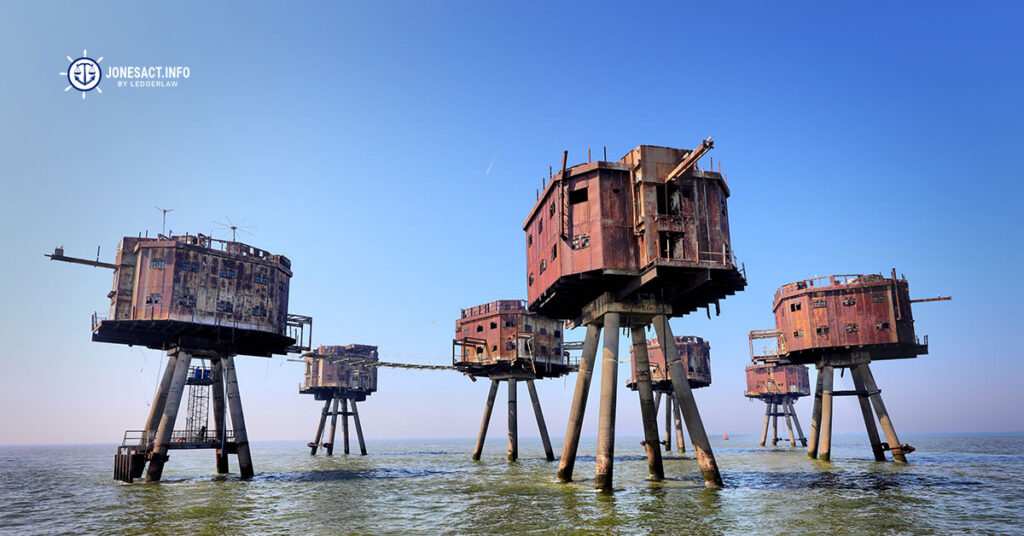
Key Takeaways: US oil rig accidents have caused mass casualties, environmental harm, and sweeping offshore drilling reforms over decades. The Deepwater Horizon explosion in the Gulf of Mexico remains the most devastating US offshore drilling disaster ever recorded. Several incidents, including Lake Peigneur and Vermilion Block 380, involved natural gas leaks and blowouts rather than crude oil spills. Many victims and families sought compensation through maritime law, the Jones Act, and related offshore injury claims. Offshore oil rigs are massive engineering structures designed to extract hydrocarbons from reservoirs thousands of feet beneath the ocean floor. Offshore workers in the oil and gas industry face unique hazards daily—high-pressure wells exceeding 15,000 psi, volatile natural gas compositions, and remote locations often 100 miles offshore where rescue times stretch to hours amid unpredictable weather. Offshore drilling has been shaped by catastrophic failures that triggered radical shifts in federal oversight and industry standards. In 1969, an oil production platform experienced a blowout off the coast of Santa Barbara, releasing over four million gallons of oil into the ocean. This incident led to significant environmental harm and contributed to the establishment of the Environmental Protection Agency and the Clean Water Act. The National Environmental Policy Act was directly inspired by a major oil spill that galvanized the modern environmental movement. Blowouts, explosions, and fires remain common causes of deadly oil rig disasters. Accidents in the oil industry have historically reshaped safety regulations, leading to a shift from simple checklists to comprehensive Safety Management Systems. The industry has moved toward “Safety Case” regulations requiring operators to identify hazards and prove they have mitigation measures in place. For context, the Piper Alpha disaster on July 6, 1988, in the North Sea is the deadliest offshore oil disaster in history, claiming 167 lives. This article covers 10 of the worst offshore accidents based on loss of life, serious injuries, and legal consequences. Understanding these events helps improve safety standards and informs injured workers about their legal options. 10 Devastating Oil Rig Accidents in United States 1. Deepwater Horizon Explosion: On April 20, 2010, the Transocean-owned Deepwater Horizon drilling rig suffered a catastrophic blowout while drilling the Macondo well about 41 miles off Louisiana in the Gulf of Mexico. High-pressure hydrocarbons escaped when cement plugs failed to isolate the well, permitting a methane-rich gas influx that overwhelmed the blowout preventer. The massive explosion and resulting fire engulfed the rig, which capsized and sank two days later. The Deepwater Horizon disaster resulted in the largest oil spill in US history, with an estimated 4 million barrels of oil released into the Gulf of Mexico over 87 days, causing extensive environmental damage. In the aftermath, BP faced record-setting settlements and fines, marking some of the largest environmental penalties ever imposed in the United States. Improved testing and verification procedures for well cement jobs are now recognized as essential to prevent gas from migrating into the wellbore. The disaster occurred when oil began flowing uncontrollably from the ocean floor, devastating 1,100 miles of Louisiana marsh and killing hundreds of thousands of birds. Deepwater Horizon Explosion Injuries & Fatalities: The Deepwater Horizon explosion on April 20, 2010, resulted in 11 fatalities. Out of 126 crew members aboard, 17 suffered serious injuries including severe burns, blast trauma, and smoke inhalation. The chaotic nighttime evacuation saw 99 survivors escape via lifeboats amid 80-foot waves. Many injured crew members later pursued Jones Act and general maritime law claims for medical expenses and lost earnings, with psychological trauma including PTSD affecting 30% of responders. Legal Consequences of the Deepwater Horizon Explosion: Federal investigations found BP grossly negligent under the Clean Water Act. Following the Deepwater Horizon explosion, BP agreed to pay over $20 billion in fines and settlements, marking the largest environmental penalty in US history. Criminal charges resulted in BP’s $4 billion felony fine, while Transocean paid $1 billion and Halliburton $1.2 billion. The Bureau of Safety and Environmental Enforcement was created to separate safety oversight from leasing revenue and mandated stricter blowout preventer inspections. The establishment of BSEE replaced the old Minerals Management Service to provide stricter oversight of offshore operations. Following the Deepwater Horizon explosion in 2010, new safety regulations were implemented, including stricter blowout preventer standards and improved emergency response protocols. 2. Lake Peigneur Blowout: On November 20, 1980, a Texaco-contracted drilling rig operating under Lake Peigneur in Louisiana accidentally punctured the roof of an active salt mine. The mistake triggered a massive whirlpool that swallowed the drilling rig, eleven barges, trees, and large sections of shoreline. The Delcambre Canal temporarily reversed flow as Gulf water rushed into the collapsing lake and mine caverns, creating one of the most visually catastrophic disasters in US drilling history. This incident occurred during exploratory gas drilling rather than crude oil extraction. The lake’s depth changed from 3 feet to over 1,300 feet in places, and salinity tripled, devastating freshwater fisheries. Lake Peigneur Blowout Injuries & Fatalities: The Lake Peigneur blowout on November 20, 1980, created a massive whirlpool that swallowed a drilling rig and eleven barges, but remarkably, all 55 workers escaped unharmed. All 50 underground miners also surfaced safely via elevators. Quick evacuation and alarms allowed offshore workers and miners to flee as the sinkhole expanded, with only minor injuries and emotional trauma reported. Legal Consequences of the Lake Peigneur Blowout: In the aftermath of the Lake Peigneur Blowout, Texaco settled lawsuits for approximately $32 million to cover damages, and the incident led to regulatory changes for geological surveys to prevent similar accidents. Additional settlements totaling roughly $13 million went to fishermen and landowners. The accident led to stricter subsurface mapping requirements and coordination protocols between drillers and mining operations. 3. C.P. Baker Drilling Barge Explosion (1964): On June 30, 1964, the C.P. Baker drilling barge in the Gulf of Mexico suffered a sudden gas blowout while working a well for Pan American Petroleum about 75 miles offshore Louisiana. Natural gas and drilling mud surged onto the deck, ignited via hot manifold contact, and
Why Is Underwater Welding So Dangerous? – Physical Dangers | Long-Term Health Risks | Legal Protections and Compensation
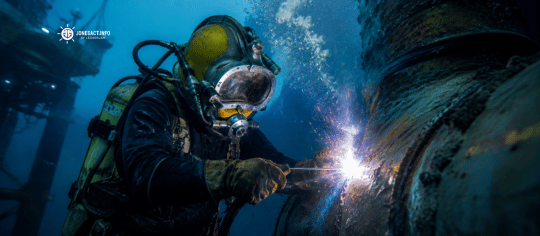
Key Takeaways: Underwater welding is so dangerous because electricity, pressure, water, and distance from rescue combine. Fatality rates may reach a lifetime estimate of 15%, though modern safety has improved outcomes. Underwater welders face electrical hazards, decompression sickness, explosions, marine wildlife, and poor visibility. Most wet welding jobs happen in wet environments where rescue can be delayed. Decompression stress can cause joint pain, neurological damage, lung damage, and Dysbaric Osteonecrosis. U.S. laws like the Jones Act and LHWCA may protect injured workers and families. Underwater welding is welding performed underwater on ship hulls, offshore oil rigs, oil rigs, offshore pipelines, subsea pipelines, bridges, and marine structures. It can be a lucrative career, but it is also a dangerous profession requiring unique skills, specialized training, extensive training, and specialized equipment. So, why is underwater welding so dangerous? Because welding underwater combines high-voltage equipment, water pressure, limited visibility, cold water, marine life, and emergency response delays in one working environment. Investigations and industry summaries place the estimated lifetime fatality rate near 15%, with some claims saying this is about 40 times higher than commercial divers overall and over 1,000 times the U.S. national average for all workers. These numbers are debated, but the danger is not. Why Is Underwater Welding So Dangerous? Underwater welding is one of the most dangerous professions because it combines extreme environmental pressures and hazardous equipment. The biggest dangers of underwater welding include electric shock, electrical shock, drowning, decompression sickness, explosions, equipment failure, and delayed medical attention. Underwater welding has one of the highest fatality rates in the industrial sector and is often compared unfavorably to logging and fishing. Main causes of death include drowning and decompression sickness, and the underwater welding death rate is alarming because one mistake can cascade into several failures. For example, electrocution is a significant risk because water is highly conductive; if insulation fails or improper body positioning occurs, current can pass through the human body. If an underwater welder loses consciousness, drowning can follow quickly. The life expectancy of an underwater welder is sometimes estimated at 35–40 years for some offshore roles, compared with about 78 years in the U.S., though actual life expectancy varies widely by employer, region, safety culture, and type of actual work. Core Physical Dangers of Underwater Welding: Electrical Hazards and Risk of Electric Shock: Underwater welders work with an electric arc, welding tools, and special waterproof equipment in a conductive underwater environment. Direct current is preferred over AC, but DC only reduces risk; it does not remove electrical hazards. The risk of drowning is significant because equipment malfunction or human error can become life-threatening. Proper protective gear, thermal protection suits, full-face masks, waterproof welding gear, and regular inspections of welding machines and diving gear are essential. Explosions, Fires, and Burns Below the Surface: The welding process can release hydrogen and oxygen gases. If these gases accumulate in gas pockets, a spark can ignite them and create dangerous explosions. Confined spaces such as tanks, caissons, and hull sections amplify blast effects. Extreme temperatures from the welding arc can also cause thermal burns, arc flash injuries, and molten metal burns even underwater. Drowning, Entrapment, and Diving Suit Failures: Drowning can follow electric shock, gas exposure, blunt trauma, or breathing apparatus failure. Diving suits, helmets, umbilicals, and surface air systems keep divers alive, so a small failure can be fatal. Differential Pressure (Delta P) refers to powerful suction created when water moves through narrow openings; it can trap a diver and make escape difficult. Strong currents, waves, and surge can also pull a diver off position. Pressure, Decompression Sickness, and “The Bends” Decompression sickness, commonly called the bends, occurs when a diver surfaces too quickly after time at depth, causing nitrogen bubbles to form in the bloodstream. It can cause joint pain, paralysis, neurological damage, or death if not treated promptly in a hyperbaric chamber. Prolonged exposure to pressure can cause Dysbaric Osteonecrosis, which damages blood vessels and can cause bone tissue death. Decompression tables, dive computers, and strict safety protocols reduce risk, but rushed schedules raise it. Cold, Hypothermia, and Environmental Stress: Hypothermia is a major risk because deep ocean cold water rapidly depletes body heat. It causes clumsiness, confusion, impaired cognitive function, and physical exhaustion. This is why underwater welders must follow strict safety protocols in harsh locations such as the North Sea, where water pressure, cold, and fatigue compound every hazard. Wet vs. Dry Underwater Welding: Comparing the Risk: Wet Welding: Directly in the Water Column: Wet welding is performed directly in the water with the electrode and arc exposed. It is used for fast repairs, hull patches, and emergency pipeline work because setup is cheaper and faster. Wet welding is riskier because the diver, electrode, and surrounding water interact directly. Poor visibility, flammable gases, marine life, and unstable positioning make wet welding jobs especially hazardous. Dry Welding and Habitat Welding: Hyperbaric Chambers: Dry welding, habitat welding, and hyperbaric welding use a sealed chamber attached to the structure, creating a dry environment. This improves visibility, gas control, and standard underwater welding techniques. However, dry welding is still dangerous because the habitat remains pressurized. Fire, flooding, complex equipment, and decompression remain inherent risks. Why Wet Welding Is Considered More Dangerous: Wet welding is generally more dangerous than dry welding because protection is limited and hazards are less controlled. Most catastrophic underwater welding accident scenarios involve shock, drowning, trapped gas, or poor visibility. Contractors may accept wet welding risk to avoid habitat cost and downtime, especially in the maritime industry. Hidden Long-Term Health Risks and Life Expectancy: Life Expectancy of an Underwater Welder: The 35–40-year estimate is not from one perfect database, but it reflects acute accidents plus long-term damage. The question is not only why underwater welders die, but how surviving welders may live with chronic injury. Decompression Damage, Joint Pain, and Neurological Issues: Repeated compression and decompression can damage joints, cartilage, bones, and nerves. Chronic decompression sickness may shorten careers and require therapy, disability benefits, or
What Is The Amount Of Fees In Maritime Case Injured On Job | Contact Maritime Attorneys
Key Takeaways: Most Jones Act and maritime injury cases use contingency fees of about 33.3% to 40% of the financial compensation recovered. “No win, no fee” usually means no attorney’s fee is owed without a settlement or verdict, but case costs depend on the written agreement. Maritime law is specialized, so fees can be higher than in a routine car crash or workers compensation claim. A fee agreement should explain whether filing fees, experts, court costs, and deposition costs are separate from contingency fees. Do not choose a maritime injury attorney based only on price; experience with Jones Act claims in state or federal court matters. A free case evaluation lets injured maritime workers ask about legal fees, timelines, and likely case value before hiring a law firm. When you are injured on the job offshore, on a vessel, or at a dock, bills can arrive before answers do. Maritime workers may face lost wages, medical treatment delays, medical bills, and rules that are different from ordinary workers compensation. This guide explains the amount of fees in maritime cases injured on job situations, including how contingency fees work, what costs may be deducted, and what happens if a maritime injury claim is lost. Briefly Explain – What Is The Amount Of Fees In Maritime Case Injured On Job? Most maritime attorneys work on a contingency fee basis, meaning the lawyer is paid only if the injury claim produces money. Maritime cases typically carry a 33.3% to 40% contingency fee, which is higher than standard onshore personal injury claims that usually charge a 33.3% fee. A Jones act claim may start near 33 1⁄3% if it resolves early. The percentage may rise to around 40% if the maritime injury cases require filing suit, discovery, expert testimony, or trial in federal court. Some agreements increase again for appeals, so read the contract carefully. Most injury attorneys do not charge retainers or hourly fees to injured seamen who cannot pay upfront. For example, in a $600,000 offshore back injury settlement, a 40% fee equals $240,000 before case costs and liens are handled. Understanding Common Fee Structures in Maritime Law: Fee structures vary, but injured maritime workers usually see these options: Contingency fee arrangements: The dominant model for a maritime injury lawyer. No fee is charged unless the lawyer helps recover compensation. Hourly billing: More common for a vessel owner, insurer, or maritime industry company than for injured seamen. Flat fees: Rare for a serious maritime personal injury lawyer handling a Jones Act case. Hybrid fees: A reduced hourly rate plus a smaller contingency may exist, but it is uncommon in maritime injury claims. Access-to-justice benefit: Contingency fees allow an injured worker to get legal representation even after catastrophic injuries, an offshore accident, or an oil rig explosion. What Maritime Attorneys Do for the Fee: A maritime attorney does more than send a demand letter. The legal team investigates the maritime accident, preserves vessel logs and electronic data, interviews crew, and works with experts. Key work often includes: Filing pleadings in state or federal court under admiralty law and federal law. Handling discovery, motions, depositions, and settlement negotiations. Building a negligence claim by showing unsafe conditions or employer fault. Evaluating medical expenses, lost wages, pain and suffering damages, and future care. Working with marine safety experts, physicians, and vocational rehabilitation specialists. Advising injury victims whether a fair settlement truly provides fair compensation. “No Win, No Fee” in Maritime Injury Cases: “No win, no fee” means that if the maritime injury attorney recovers no money, no attorney’s fee is owed. Maritime attorneys typically work on a contingency fee basis and usually take around 40% of the final recovery when the case is successful. Many firms advance filing fees, expert witness fees, deposition transcripts, travel, and other court costs. Unlike hourly attorneys, maritime attorneys advance all case costs, which may include expenses for expert witnesses and other necessary resources, absorbing these costs if the case is unsuccessful when the contract says so. Other contracts require reimbursement even after a loss, so ask before signing. Why Maritime Law Fees Are Often Higher Than Other Injury Cases: In maritime injury cases, legal fees operate under distinct rules compared to standard personal injury or onshore workers’ compensation claims. Maritime attorney fees are generally higher than those for car accident cases due to the complexity of maritime law, which involves federal statutes and specialized knowledge. A Jones Act case may involve seaman status, unseaworthiness, maintenance and cure, and third-party liability. The Jones Act, officially known as the Merchant Marine Act of 1920, allows injured seamen to sue their employers for personal injury damages resulting from negligence. The Jones Act provides a lower burden of proof for injured workers compared to traditional personal injury law, requiring only that the employer’s negligence played some part in causing the injury. Is It Possible to Hire a Maritime Lawyer for Less Money? Yes, but price should not be the only factor. Some personal injury lawyers advertise lower fees but may lack maritime law trial experience. Net recovery matters more than the lowest percentage. A lower fee is not helpful if the lawyer misses maintenance and cure, unseaworthiness, or future wage loss. Ask about prior Jones Act verdicts, offshore injury settlements, and whether the attorney has handled claims for offshore oil rig workers and other maritime workers. An experienced maritime lawyer may recover damages that a general injury lawyer overlooks. Beware of Escalating or Confusing Fee Agreements: Some contracts use escalating percentages. The fee may be 33⅓% before a lawsuit, 40% after filing, and higher after trial or appeal. Other contracts use one flat percentage whether the maritime claim settles early or after a federal court trial. Ask for examples in dollars. If a lawyer cannot explain the fee, costs, and likely deductions in plain English, slow down. Keep a signed copy and review it before accepting any settlement. Know What You Owe Before Accepting a Settlement: From the gross settlement, deductions usually include
Foreign Seaman and Common Law Rights in Arbitration

Key Takeaways: Foreign seamen—Filipino engine room workers, Brazilian waiters, Ukrainian deck officers, and Indonesian housekeepers—form the backbone of international shipping. These maritime workers are typically hired abroad through crewing agencies in Manila, Mumbai, or Eastern Europe, signing employment contracts that will govern their rights for years at sea. After the 1990s expansion of international cruise and offshore energy fleets, shipowners began routinely inserting arbitration clauses into these contracts. These provisions require disputes—including personal injury claims, wage disputes, and wrongful death actions—to be resolved in foreign forums like Manila, London, or Nassau under foreign law rather than in U.S. district court proceedings. Foreign seamen injured on vessels calling at U.S. ports between 2000 and 2026 have frequently faced a defendant’s motion to compel arbitration under the New York Convention, which can push their cases out of American courts entirely. This creates a fundamental tension between the Federal Arbitration Act’s seaman exemption, the Jones Act’s negligence protections, and international treaty obligations favoring foreign arbitral awards. This article examines how U.S. courts have treated the foreign seaman’s arbitration clause, common law rights, and choice of law issues—particularly in circuits like the Fifth and Eleventh Circuit that handle substantial cruise ship and offshore energy litigation. Foreign Seaman and Common Law Rights in Arbitration With Seamen’s Employment Contracts: An arbitration clause in a maritime employment contract is a provision requiring that disputes be resolved through private arbitration rather than court litigation. These clauses typically appear in the “Standard Terms and Conditions” that seamen sign at hiring offices in Manila, Mumbai, or Odessa—often without meaningful opportunity to negotiate. Many foreign seaman’s contracts designate foreign law (Philippine law, Norwegian law, Bahamian law) and foreign arbitration forums for disputes involving personal injury, lost wages, and termination. A written agreement to arbitrate is required for these arbitration agreements to be enforceable, and common law and international treaties often make them more enforceable for foreign seamen than for American citizens working in U.S. territorial waters. Consider a concrete example: A Filipino seaman injured aboard a Miami-based cruise ship may discover that his seaman’s employment contract requires arbitration in Manila under Philippine law. Despite the injury occurring in U.S. waters and the vessel owner maintaining headquarters in Florida, the arbitration provision contained in his contract could remove his case from federal courts entirely. Key characteristics of these clauses: Cover Jones Act negligence claims, unseaworthiness, and maintenance and cure claims. Designate a foreign forum (often the seaman’s nationality jurisdiction). Specify foreign law governing the dispute. Remove the right to a jury trial available in American court proceedings. The New York Convention treats these as “commercial” contracts, allowing shipowners to seek enforcement in U.S. courts. The Federal Arbitration Act, New York Convention, and the Seamen’s Exemption: The Federal Arbitration Act, enacted in 1925, established a strong presumption favoring enforcement of written arbitration agreements in matters affecting foreign or interstate commerce. The FAA generally requires trial courts to enforce arbitration provisions in maritime contracts. However, Section 1 of the FAA contains a critical carve-out: it expressly excludes “contracts of employment of seamen, railroad employees, or any other class of workers engaged in foreign or interstate commerce” from mandatory arbitration. The U.S. Supreme Court has ruled that seafarers are “wards of admiralty,” emphasizing the need for special protections due to the unique hazards they face at sea. This exemption reflects centuries of admiralty tradition treating seamen as deserving special solicitude. Despite this exemption, courts began using the New York Convention (implemented through Chapter 2 of the FAA) to enforce foreign arbitration clauses in crew contracts starting in the 1980s and 1990s: In Bautista v. Star Cruises, the Eleventh Circuit ruled that foreign seamen’s contracts are subject to arbitration under the Convention on the Recognition and Enforcement of Foreign Arbitral Awards, provided the agreements meet certain criteria. Arbitration clauses in employment agreements for American seamen working in U.S. waters are generally disfavored and likely to be deemed invalid, especially if the seaman and employer are both American. Cases from the Fifth Circuit and Eleventh Circuit have held that foreign seamen’s employment contracts can be treated as “commercial” relationships under the York Convention, allowing enforcement of foreign arbitration for injuries and maintenance and cure claims. The core conflict remains unresolved: whether the combination of the FAA and New York Convention can override U.S. statutory protections like the Jones Act and general maritime law remedies when arbitration clauses require application of foreign law. Common Law and Jones Act Rights of Foreign Seamen: Jones Act status does not depend on the seaman’s nationality. To qualify as a Jones Act seaman, an employee must satisfy a two-part test established by the U.S. Supreme Court, which does not require U.S. citizenship or residency: Contribution to vessel function: The worker must contribute to the essential function of the vessel or fleet Substantial connection: The worker must have a substantial connection to a vessel or fleet (typically 30% or more of work time) The Jones Act provides some of the most robust protections for maritime workers, often superior to those of foreign counterparts and U.S. land-based workers under standard worker’s compensation systems. Seamen are considered a protected class under the General Maritime Law of the United States, which affords them special protections and general deference under the law. Even foreign seamen may have U.S. common law and statutory rights when the subject vessel or employer has significant U.S. contacts. When a foreign seaman is employed by a United States company, U.S. legal policies and public interests may protect the seafarer, even if the employment contract specifies foreign law or forum: Right Description Availability to Foreign Seamen Jones Act Negligence Sue employer for negligence causing injury If substantial U.S. connection exists Unseaworthiness Strict liability for unfit vessel conditions Retained under general maritime law Maintenance and Cure Medical care and living expenses during recovery Available regardless of fault Wage Claims Protection under Seaman’s Wage Act If certain U.S. connections exist Foreign seamen may still argue employer negligence under the Jones Act if the ship