Key Takeaways:
-
The term bosun is a contraction of boatswain - they refer to the same job on a ship with no rank or pay differences between the two spellings.
-
The bosun is the highest-ranking unlicensed rating in the deck department, responsible for supervising deck operations, maintenance, and safety equipment.
-
Officers like the first mate handle navigation and overall command, while the boatswain works hands-on with the deck crew.
-
A boatswain's mate assists the bosun and can be critically injured during heavy deck work, potentially giving rise to Jones Act and maritime claims.
-
The term boatswain dates back to Old English, yet the role remains essential on commercial vessels, offshore ships, and large yachts today.
If you have ever read an accident report, crew list, or maritime job posting, you have likely seen both “bosun” and “boatswain” and wondered whether they are different positions. They are not. Both refer to the senior deck supervisor on a ship – the person responsible for day-to-day deck operations, heavy gear, and the safety of every deckhand on board.
Understanding what a boatswain does matters if you or a family member was injured working as a bosun, boatswain’s mate, or deckhand, because job duties directly impact Jones Act and maritime injury claims. This article covers the definition and history of the role, the key differences in terminology, comparisons with the first mate and other ranks, modern career paths, and legal considerations after accidents.
Bosun vs Boatswain: What Are the Differences:
This section answers the main question directly: when you see bosun vs boatswain, you are looking at spelling variations of one core role.
Same Job, Different Word:
Boatswain is the traditional spelling and formal term used in ship’s documents, union contracts, and U.S. Coast Guard regulations. Bosun (or bos’n) is the common spoken and simplified written form. In modern usage, there are no rank differences between a bosun and a boatswain. On a commercial ship, the crew list might say “Boatswain,” but safety meeting logs and radio calls will refer to the “bosun.” Navies prefer the spelling boatswain in official contexts.
Pronunciation and Nautical Tradition:
Despite its spelling, boatswain is historically pronounced “BOH-sun,” not “boat-swain.” This pronunciation is preserved in the U.S. Navy and Royal Navy. The shortened spelling bosun became common in the 19th century as seafaring slang entered print. Related nautical terms include the bosun’s pipe (boatswain’s call), bosun’s chair, and bosun’s locker.
Usage Across Navies, Merchant Fleets, and Yachts:
Naval forces keep the full “boatswain” naming in ratings and manuals. Merchant ships, offshore supply vessels, and cruise ships more often use “bosun” in everyday speech, though contracts may still say “boatswain.” On larger vessels in the private yacht sector, “bosun” is the standard job title for the senior deckhand supervising exterior work and water toys. When you read Bosun vs Boatswain, you are dealing with one role across different settings and potentially different legal frameworks depending on the vessel type.
What Is a Bosun/Boatswain? History, Etymology, and Core Duties:
The bosun’s role has deep historical roots in maritime traditions, connecting medieval sailing ships to today’s commercial fleets.
Name Origin and Historical Background:
The word boatswain derives from Old English bātswegen – bat (“boat”) plus swegen (“servant”), meaning “boat’s servant.” It appeared in English records by the 14th century. On wooden sailing ships, the ship’s boatswain was responsible for masts, rigging, sails, anchors, cables, and discipline of the deck crew. Historically, the bosun oversaw the deck crew and rigging as a warrant officer, not a commissioned officer, often serving for decades at sea.
Modern Bosun’s Role on Commercial and Offshore Vessels:
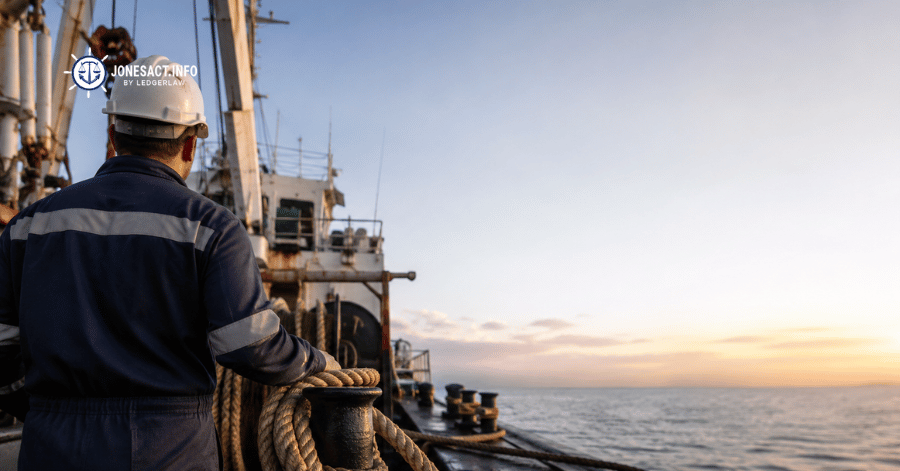
On a 21st-century tanker, container ship, or offshore supply vessel, the bosun leads the deck crew in deck maintenance, mooring, and cargo-related tasks. Typical duties include painting the hull, maintaining mooring lines and winches, inspecting lifeboats, greasing cranes, and securing deck cargo, with responsibility for keeping this gear in working order. The bosun maintains cargo-handling gear and oversees deck safety. A bosun maintains all standing and running rigging, supervises major sail-handling operations on vessels that carry sails, and ensures safety equipment is operational and ready. The bosun bridges the gap between the ship’s officers and the deck crew, relaying work orders and safety instructions from the chief mate.
Deck Operations and Daily Work:

The bosun assigns tasks to the deck crew for efficiency, organizing teams for line handling, hull maintenance, cleaning, and safety inspections. The bosun also leads by example during deck operations, showing newer crew how tasks should be done safely and correctly. The bosun leads mooring and anchoring operations on a ship, and ongoing inspections and minor repair work are part of a bosun’s duties. High-risk tasks under the bosun’s supervision include anchoring operations, towing, handling heavy hawsers, and working aloft in a bosun’s chair. When something goes wrong with heavy gear or ropes, bosuns, boatswain’s mates, and deckhands are often the ones injured.
Shipboard Hierarchy: Bosun, Boatswain’s Mates, Deckhands, and First Mate:
Understanding the shipboard hierarchy clarifies who does what – and who bears responsibility when accidents happen.
Where the Bosun Fits in the Deck Crew:
The bosun is the highest-ranking unlicensed rating in the deck department, above able seamen and deckhands but below licensed officers like the third mate and first mate. The bosun reports directly to the Chief Officer or captain and receives instructions about deck operations; on some vessels, those directions may flow through the ship’s commander or master before the bosun organizes the crew to carry them out safely. On larger ships, the bosun takes a supervisory role; on smaller vessels, the bosun works hands-on alongside deckhands during demanding maneuvers.
Boatswain’s Mate and Deckhand Roles:
A boatswain’s mate is a senior deckhand who directly assists the bosun, often standing in as acting bosun when needed. A bosun’s mate role provides additional responsibilities for deckhands, including training newer seamen, operating complex deck equipment, and taking a lead role in safety drills. In navies like the U.S. Navy, “Boatswain’s Mate” is a formal rating that includes seamanship, small boat handling, and ceremonial duties.
Bosun vs First Mate (Chief Mate) and Captain:
The First Mate is the second-in-command on a vessel, handling navigation and watchkeeping responsibilities. The First Mate requires a higher level of education than the bosun and oversees cargo operations on the ship. The bosun leads practical deck work under supervision, while the first mate designs the broader operational and safety plan and reports directly to the captain. The captain – the master – holds the highest rank and ultimate legal responsibility for the vessel and crew, including how deck operations are planned.
Bosun vs Coxswain and Other Boat Roles:
A coxswain primarily operates and has command of small boats – tenders, lifeboats, or harbor launches. On some military or training vessels, the same person may have both seamanship and coxswain skills, but these are distinct duties from the bosun’s deck-wide leadership role.
Qualifications, Training Path, and Modern Career as a Bosun:

Many injured bosuns and boatswain’s mates have years of hands-on experience, which matters when proving negligence and lost earning capacity in legal claims.
From Deckhand to Bosun:
Most bosuns start as deckhands to gain experience, progressing to able seaman, then boatswain’s mate, and finally bosun after several years of sea time. Bosuns need skills in ropework (knots, whipping, splicing), sail repairs, and maintenance, along with winch and crane operation and safe use of bosun’s chairs. Experience and competence matter more than formal qualifications. Newer crew can get stuck on unfamiliar tasks and rely on the bosun’s guidance to proceed safely, and many bosuns are promoted based on proven leadership and knowledge of safety protocols.
Licenses, Certificates, and Safety Training:
The bosun role does not require a separate officer’s license, but the person must hold appropriate ratings such as Able Seafarer Deck and STCW safety certificates. Typical credentials include STCW Basic Safety Training, Proficiency in Survival Craft and Rescue Boats, and flag-state endorsements. Formal courses like RYA Day Skipper can enhance qualifications. Training is essential because Bosuns are responsible for enforcing safe work practices among the crew.
Yacht Bosun vs Ship’s Boatswain:
On larger vessels in the yacht sector (motor yachts over 40 to 50 meters), the yacht bosun focuses more on guest service, water toys, and exterior appearance. Yacht bosun pay varies with yacht size, season, itinerary, and tips. The Bureau of Labor Statistics, which describes the boatswain as the chief of the deck crew on some large ships, reports a median annual wage of $51,520 for sailors and marine oilers in May 2025 and gives no separate figure for boatswains. Despite the more glamorous setting, yacht bosuns still handle heavy lines, anchors, and tenders and can suffer serious injuries similar to commercial deck crew.
Career Path and Training for a Bosun:

High-Risk Deck Operations, Common Injuries, and Legal Rights Under the Jones Act:
The physical nature of bosun and boatswain’s mate work leads to injuries that often bring people to maritime attorneys.
Hazardous Deck Operations Under a Bosun’s Control:
Specific high-risk tasks include mooring and unmooring in bad weather conditions, handling steel hawsers under tension, operating windlasses and capstans, and supervising cargo gear on containerships. These tasks occur on slippery decks, around swinging loads, in high noise, and often at night. The bosun must enforce safety rules – PPE, lockout/tagout, secure footing – but failures in deck equipment, staffing, or procedures often trace back to company negligence.
Typical Bosun and Deck Crew Injuries:
According to NIOSH data, water transportation workers face a fatality rate 4.7 times higher than average U.S. workers. Deck workers report more injuries than engine room personnel. Common patterns include:
-
Crush injuries from cables and lines parting or winches.
-
Falls from ladders or bosun's chairs.
-
Back and shoulder trauma from heavy lifting.
-
Head injuries from falling gear.
-
Hearing loss from loud machinery on deck.
Even if a Bosun’s own actions contributed, maritime law often provides remedies when the employer or vessel were unsafe.
Jones Act, Unseaworthiness, and Maintenance and Cure:
The Jones Act allows injured seamen – including bosuns, boatswain’s mates, and deckhands – to sue employers for negligence. Unseaworthiness claims target dangerous conditions of the vessel itself: defective winches, worn lines, understaffing, or lack of proper safety equipment. Maintenance and cure provides daily living payments and medical care to injured seamen until they reach maximum medical improvement, regardless of fault.
Contact JonesAct.info for Bosun and Deck Crew Accident Help:

If you or a family member was injured as a bosun, boatswain’s mate, or deckhand during deck operations in U.S. or international waters, contact JonesAct.info for legal guidance. The website focuses on maritime and Jones Act claims involving unsafe deck operations, improper training, and defective equipment. Early legal advice helps preserve crucial evidence – logbooks, safety manuals, CCTV, maintenance records on winches and lines – and protects against pressure to return to work too soon. Reach out for a confidential case review.
FAQ
Frequently Asked Questions

Bosuns on commercial ships often work a day-work schedule (roughly 0600–1800) rather than standing bridge watches, though they may be called out for emergencies or port operations at any hour.
Some bosuns pursue officer licenses after accumulating sea time and completing the required course of study, but many choose to remain in the senior unlicensed post throughout their career.
Offshore bosuns on supply vessels manage efficiently in remote, open-sea conditions with longer rotations, while harbor or port bosuns may focus on short-duration mooring and cargo tasks.
If your question involves an actual injury or legal dispute, seek personalized legal advice rather than relying on general information.
Yes - they have the same role. Boatswain is the formal spelling; bosun is the phonetic shorthand.
It comes from Old English bātswegen, meaning "boat's servant," appearing in English maritime records centuries before modern navies.
The bosun supervises deck operations and crew tasks, oversees deck maintenance, mooring, rigging, and safety equipment, and carries out the first mate's orders.
It is typically a job title for the senior deck rating rather than a commissioned rank, though navies may treat it as a formal rating.
No specific "bosun license" exists, but you need appropriate deck ratings, sea time, and mandatory safety training such as STCW courses.
A seaman who assists the bosun - often a senior deckhand or, in navies, a specific rating performing seamanship and small boat duties.
No. Boatswain's mates are typically enlisted or unlicensed with leadership responsibilities, not commissioned officers.
A suspended seat or harness used to hoist crew aloft for maintenance, inspections, and repair work at height.
A small pipe historically used to signal orders on board; still carried ceremonially in many navies today.
The bosun supervises hands-on deck work; the first mate is a licensed officer managing navigation, cargo, and overall safety.
A coxswain operates and commands small boats, whereas the bosun oversees the entire ship's deck crew and equipment.
A deckhand performs assigned tasks; the bosun organizes, supervises, and trains deckhands and boatswain's mates.
The captain commands the whole vessel and bears legal responsibility. The bosun manages only deck operations under the officers' authority.
Many larger commercial and naval ships do, but very small vessels may combine bosun duties into another crew member's role.
The title and role remain widely used on cargo ships, offshore vessels, cruise ships, and yachts, even with modern automation.
Yacht bosuns often earn competitive salaries plus tips and focus on guest service and exterior care, while a ship bosun emphasizes industrial deck operations and cargo-related tasks.