Key Takeaways:
-
Wakes from a speeding boat can swamp or capsize low-freeboard fishing boats, even at moderate wake heights of 8–12 inches.
-
Anglers standing, casting, or handling gear are extremely vulnerable to falls and overboard accidents caused by sudden rocking.
-
Fishing lines and trolling gear can extend 100–165 feet behind a fishing boat, creating nearly invisible entanglement hazards for passing vessels.
-
US Coast Guard guidelines and local boating rules require safe speed and proper passing distance near fishing vessels.
-
Slowing down prevents property damage, avoids collisions, reduces citation risk, and preserves a peaceful environment for everyone on the water.
Picture a busy summer weekend in 2026: you’re running a 24-ft center console across a coastal bay when you spot a small 20-ft bass boat anchored near a point, two anglers casting toward shore. Many boaters underestimate how vulnerable that fishing boat is to your wake, your speed, and a close pass. This article explains why boaters should slow down while passing recreational fishing boats, how to do it safely and legally, and what happens when you don’t. The guidance here draws on common boating rules, US Coast Guard navigation principles, and practical on-the-water experience.
Why Should Boaters Slow Down While Passing Recreational Fishing Boats? Key Safety Reasons:
Passing recreational fishing boats at high speed is one of the most avoidable causes of accidents and conflicts on the water. Below are the core safety reasons every responsible boater should understand before passing fishing boats in any waterway.
Preventing Dangerous Wake Impacts on Small Fishing Boats:
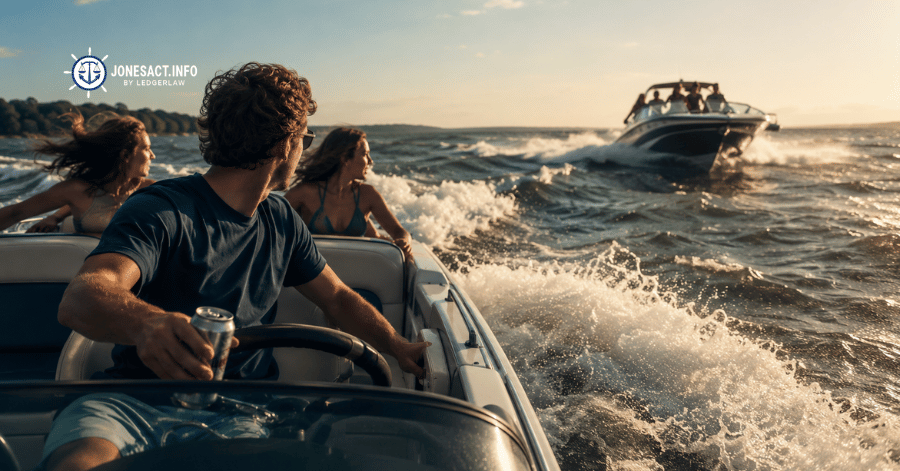
High-speed boats create large wakes that can hit a 16–22 ft fishing boat like a rolling wall of water, especially when it is anchored or drifting broadside. As speed increases, so does the number of wakes produced and their height. Even an 8–12 inch wake can be dangerous for a small boat with a low freeboard. Wakes can destabilize smaller fishing boats, causing injury to anglers, flooding cockpits, and knocking unsecured gear overboard.
According to USCG 2023 Recreational Boating Statistics, flooding and swamping accounted for 386 accidents and capsizing for another 234-many linked to wake or wave forces. A strong wake can damage fishing gear, knock rods into the water, or cause flooding that disables electronics and motors. This is exactly why many jurisdictions establish no-wake and slow speed, minimum wake zones near fishing areas.
Protecting Anglers From Falls, Impacts, and Overboard Accidents:
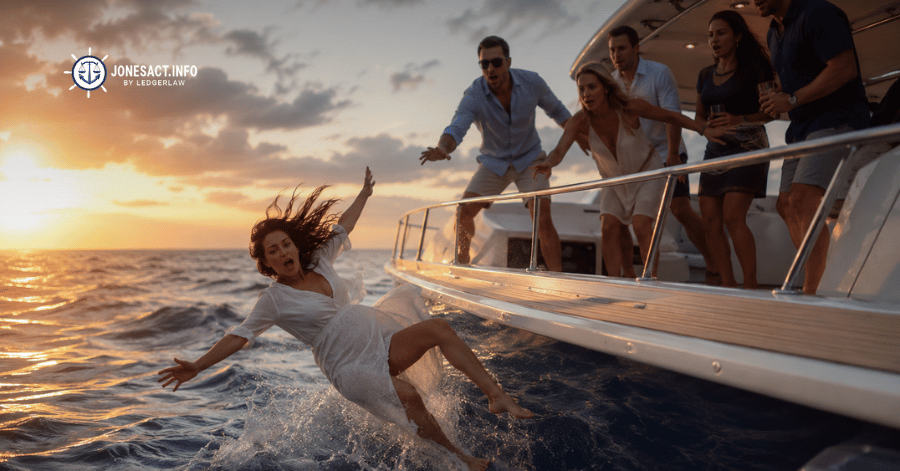
Anglers routinely stand on the bow, lean over gunwales, or move around handling rods, coolers, and bait. A sudden, unanticipated large wake while passing recreational fishing boats can cause twisted ankles, head impacts against consoles, or man-overboard events. Imagine a weekend fisherman on the bow mid-cast when a broadside wake rolls the boat-there’s nothing to grab.
In 2023, over half of fatal boating incidents involved someone ending up in the water through falls overboard or capsizing. Slowing down allows the fishing boat’s skipper and passengers time to brace and adjust, dramatically reducing injury risk.
Avoiding Entanglement With Fishing Lines, Nets, and Trolling Gear:
Fishing lines may extend far from the side of the boat-trolling spreads commonly run 100–165 feet behind a fishing boat, with planer boards spreading laterally 20–30 feet. Monofilament and fluorocarbon lines are nearly invisible on choppy water. Running over a fishing boat’s lines can foul propellers, damage lower units, strip rods from holders, or cause sudden loss of steering.
Entanglement in fishing gear poses significant risks to vessels involved. Slow speeds minimize the risk of entangling fishing lines because they give skippers time to spot rods, floats, and nets, then choose the correct side and distance. Property damage claims from tangled gear and equipment are common and avoidable.
Reducing Collision Risk in Busy, Mixed-Use Waterways:
On crowded summer lakes, bays, and rivers with greater boat traffic, wake boats, PWCs, and fishing boats share tight channels. Speed shortens reaction time, making it harder to steer clear if a fishing boat suddenly turns or drifts. Many recreational fishing boats are focused on fish finders or casting angles and may not see a speeding boat early.
Slowing down allows boaters more time to see fishing signals and respond to obstacles, giving both operators space to correct course and avoid accidents.
Complying With Coast Guard Guidelines and Local Boating Rules:
US Coast Guard navigation rules require a safe speed appropriate to conditions, including traffic density and the presence of fishing vessels. The US Coast Guard emphasizes following right-of-way rules as part of responsible seamanship.
Many US states specifically limit wake and speed near anchored or trolling fishing boats. For example, Colorado requires vessels to reduce speed when passing within 150 feet of a boat engaged in fishing. Boating regulations often require operating at idle speed near fishing boats to prevent hazards. Ignoring these coast guard guidelines can result in warnings, citations, or fines-and may be used against a boater in a civil injury claim.
Respecting Anglers’ Experience and the Resource:
Slowing down shows courtesy and respect for anglers sharing the same water. Excessive speed and engine noise can spook fish, ruin a bite, or churn up sediment in shallow flats, destroying the peaceful environment fishermen depend on. Respectful slow passing is unwritten water etiquette-think of it as slowing near pedestrians on a narrow road.
Understanding Hazards Around Recreational Fishing Boats:
Before you can pass a fishing boat safely, you must understand its unique hazards and limitations. Here’s what makes fishing boats different from other boats on the water.
How Fishing Lines, Nets, and Trolling Patterns Create Invisible Risk:
A typical trolling spread includes multiple rods, planer boards spread wide to port and starboard, and lines far aft. Low-visibility monofilament lies flat on the water and is nearly impossible to see at speed. A passing boat crossing too close behind a trolling vessel can snag multiple lines, rip rods from holders, and damage both vessels. Always assume any slowly moving fishing boat may have gear deployed and give a wide berth.
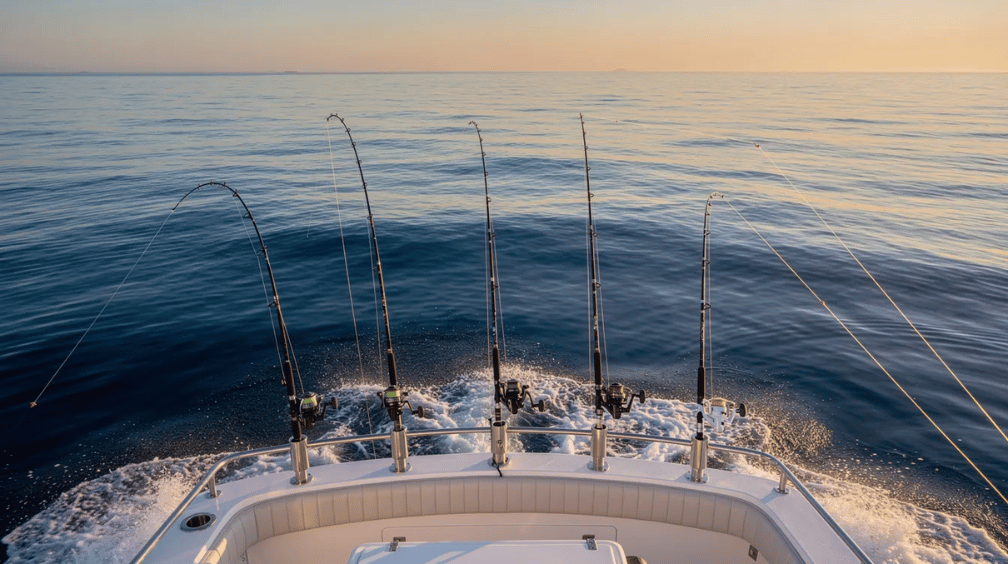
Limits on a Fishing Boat’s Maneuverability and Acceleration:
Fishing boats are less maneuverable due to their gear in the water-typical trolling speed is 2–5 knots, and skippers are reluctant to turn sharply with expensive tackle deployed. Heavier offshore-style boats or boats in current respond slowly to helm or throttle inputs. Because of this limited maneuverability, the faster-moving boat has the greater responsibility to adjust speed and passing position.
Environmental Factors: Wind, Current, and Narrow Channels:
Wind and current push small boats sideways or swing them at anchor unpredictably. In narrow rivers, passes, and channels, a fishing boat may be forced close to shoals or bridge pilings with few safe options to move aside. Waves reflecting from seawalls can amplify your wake’s effect on an anchored fishing boat. Slow down even earlier and leave extra clearance when passing recreational fishing boats in confined waters.
Correct Way to Pass a Recreational Fishing Boat Safely:
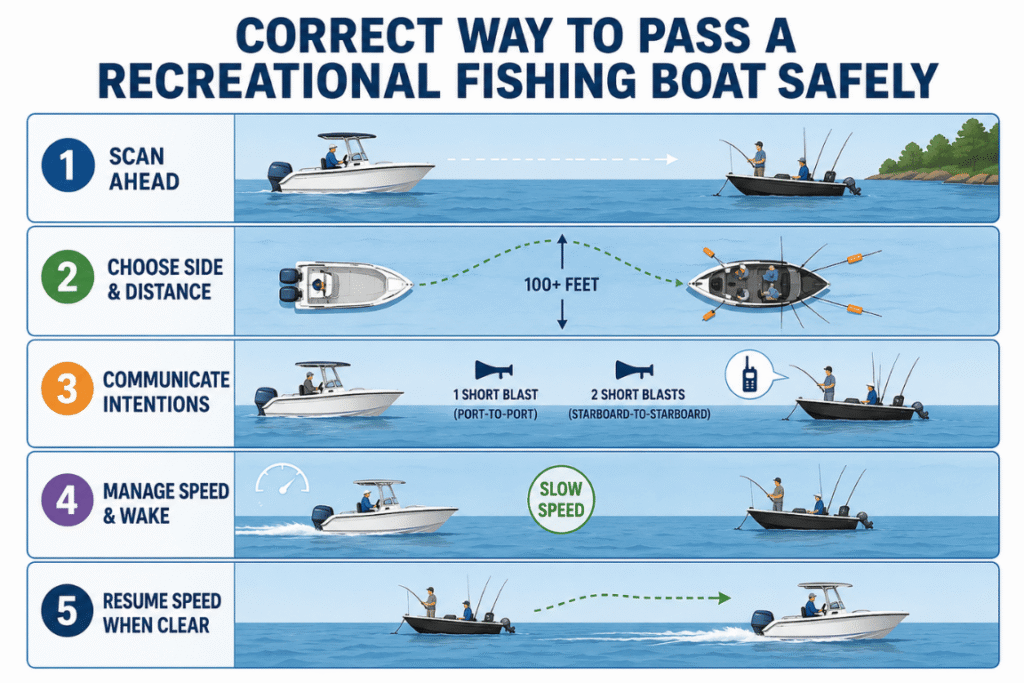
Here’s a step-by-step process for safely passing a fishing boat, whether it’s stationary, drifting, or trolling in US waters.
Scanning Ahead and Assessing the Situation:
Scan at least several hundred yards ahead for anchored or slowly moving fishing boats. Look for cues: multiple vertical rods, people standing and casting, orange or yellow planer boards, and an anchored position relative to shore. Early detection lets you slow gently instead of slamming the throttle and throwing an abrupt wake.
Choosing the Correct Side and Distance to Pass On:
Passing should generally be done on the starboard side (port-to-port), but safety and gear location matter more than rigid rules. Avoid crossing directly behind a trolling fishing boat where long fishing lines may be deployed. Maintain a minimum distance of 100 feet from fishing boats whenever possible. In narrow channels, the correct side may be dictated by markers, so extra slower speed is essential.
Communicating Intentions With Anglers When Needed:
Sound signals indicate intentions when passing another vessel. Under the navigation rules, one short blast signals a port-to-port pass; two power driven vessels meeting may use two short blasts for a starboard-to-starboard pass. In calm, close situations, hand signals or a brief VHF call can clarify your plan. Avoid aggressive revving or sudden turns that could surprise other boaters.
Managing Speed and Wake During the Pass:
Your goal is minimum wake with full control-not a specific mph number. Reduce throttle well before reaching the fishing boat so the hull settles off plane and wake shrinks. Wakes from displacement hull boats create a 19.5-degree angle that carries energy far; reducing speed is essential to minimize wake near fishing boats. Stay in a straight, predictable line at steady slow speed. Glance back after passing to ensure safety.
Resuming Speed Only After You Are Well Clear:
Don’t punch the throttle the instant your bow clears. Wait until you are at least several boat lengths beyond the fishing boat and its likely fishing lines before accelerating. Sudden acceleration can send a following wake that hits harder than the initial approach wake. Treat every pass as a learning moment.
Coast Guard Guidelines, Boating Rules, and Legal Consequences:
Slowing down when passing fishing boats isn’t just courtesy-it’s tied to formal navigation rules and potential liability.
Safe Speed and Responsibility Under Coast Guard Navigation Rules:
Speed regulation is essential for preventing collisions and protecting sensitive fishing equipment. The coast guard requires speed that allows you to avoid collisions and respond appropriately. Blasting past an anchored fishing boat at planing speed is hard to justify as safe if any incident occurs.
Right-of-Way Rules for Fishing Boats and Passing Vessels:
Fishing vessels engaged in fishing have right-of-way. Power-driven vessels must keep clear of fishing boats with gear deployed. The COLREGS hierarchy places fishing vessels above normal powerboats. Sailboats under sail have right-of-way over powerboats as well. Misunderstanding these rules can lead to fault being assigned to the passing boat in investigations. Large tugboats and other vessels not under command rank above fishing trawlers in the hierarchy-but recreational powerboats do not.
Local No-Wake Zones, Speed Limits, and Enforcement:
Many lakes, rivers, and coastal areas designate no-wake or slow speed zones where fishing activity is common. Signs and buoys often require boats to proceed at idle speed within a set distance of anchored or moored other vessels. Marine patrol officers routinely enforce unsafe wake and speed violations, especially on weekends. Citations can include fines and mandatory boating safety courses.
Civil Liability and Injury Claims After a Wake-Related Accident:
In many jurisdictions, boat operators are legally responsible for damage caused by their wake. Typical wake-related scenarios include falls on deck, overboard incidents, and swamped boats that damage electronics. Investigators examine speed, distance, boat size, and whether the operator honored boating rules. Failing to slow down when passing recreational fishing boats can be strong evidence of negligence. A vessel safety check of your habits now can prevent dangerous situations later.
Practical Tips for Maintaining Safety and Courtesy Near Fishing Boats:
Here are actionable habits skippers can adopt today to ensure safety and reduce legal risk.
Controlling Wake and Hull Trim Around Smaller Vessels:
Come fully off plane early, trim the bow down at slower speed, and avoid rapid throttle changes near fishing boats. Excessive speed creates larger wakes that disturb the fishing environment. Experiment in open water to learn the slowest speed at which your motor produces minimal wake while the boat stays controllable.
Building the Habit of Extra Space Around Fishing Boats:
Adopt a mental buffer zone around any fishing boat you see. Default to at least 100 feet of safe distance in calm open water-more behind trolling boats. If you must pass closer in a narrow channel, drop to true idle speed. Maintaining safety margins also reduces risk of angry exchanges or damage claims.
Improving Lookout Practices and Situational Awareness:
Having a proper lookout is a core coast guard expectation. Assign a passenger to help watch for fishing boats, kayaks, and paddle craft. Glance 360 degrees regularly to spot anchored fishing boats near points, channels, or shore. Better lookout gives you more time to safe pass smoothly.
Etiquette and Communication to Keep the Peace:
A slow pass, a wave, and eye contact go a long way toward maintaining safety and goodwill. Avoid crossing directly through groups of anchored fishing boats when alternative routes exist. Treat anglers as partners sharing the resource-respect on the water makes everyone’s day better.
Safe Passing Checklist for Boaters:
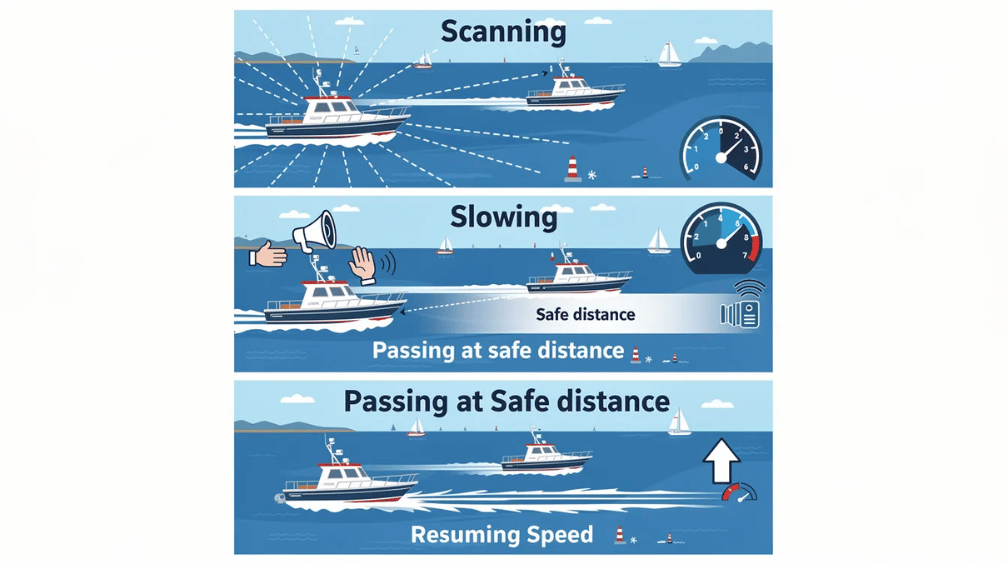
This checklist-style infographic walks boaters through five steps-Scan, Slow, Signal, Slide Past, Clear to Accelerate-with a shaded low-speed zone and recommended passing distance marked. A callout box highlights behaviors to avoid: cutting behind trolling lines, sharp turns close aboard, and sudden acceleration near fishing boats.
How Your Wave Impacts a Fishing Boat:
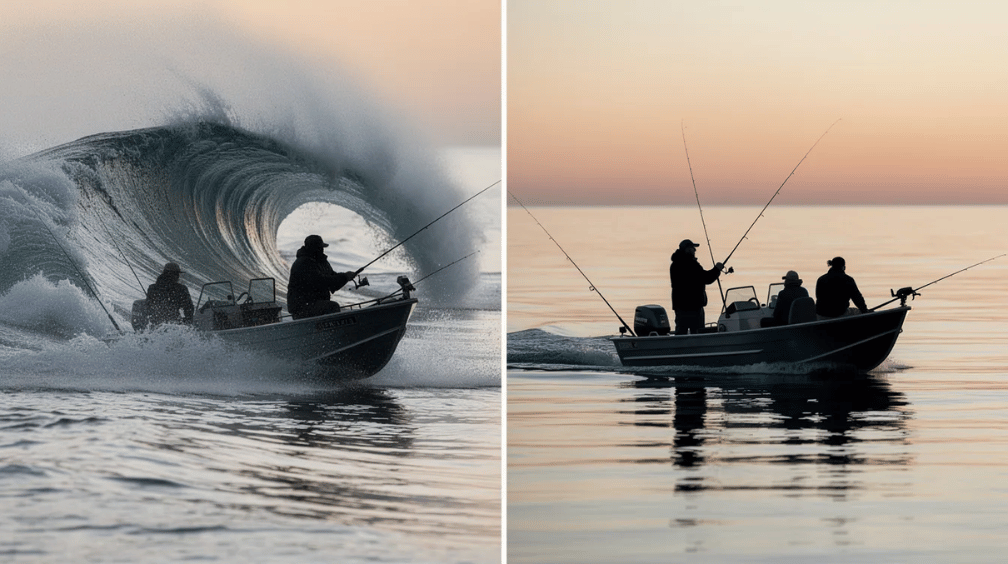
This comparison graphic shows approximate wake heights at different speeds for a typical 22–24 ft powerboat. Silhouettes illustrate anglers standing versus braced, highlighting fall risk. A bottom panel connects wake size to potential injuries, gear loss, and civil liability for the passing skipper. Respond ray id: verification successful on all safe passing techniques shown.
Contact Us For Recreational Fishing Boats Accident Related Issue:
When a wake or unsafe passing maneuver causes injuries on a recreational fishing boat, legal rights and options can be complex. JonesAct.info focuses on maritime and boating-related injury matters, including incidents involving passing recreational fishing boats. If you’ve been hurt-or your fishing boat was damaged by another boater’s wake-document the incident, collect witness information, and seek legal guidance promptly. Contact JonesAct.info for a free, no-obligation case evaluation about liability, Coast Guard reports, or compensation after a fishing boat accident.
Conclusion:
Slowing down when passing recreational fishing boats is one of the simplest ways to prevent injuries, property damage, and conflicts on the water. The core principles are straightforward: control your wake, respect fishing lines and limited maneuverability, follow US Coast Guard guidelines and local boating rules, and stay aware of the legal consequences of careless passing maneuvers.
Make slow, courteous passing a permanent habit whenever you encounter fishing boats, kayaks, or shore anglers. It costs you seconds; it could save someone from a dangerous situation. And if you or someone you know has been harmed by an unsafe passing maneuver, legal resources like JonesAct.info can help you understand your rights and options.
Related: Boating Accidents
FAQ
Frequently Asked Questions

Slowing reduces your wake, protects small boats from swamping, and keeps anglers from being knocked down or thrown overboard.
Wake can slam rods into hard surfaces, topple tackle boxes and coolers, and cause painful falls on wet decks.
Yes-a large wake can swamp or even capsize a low-sided or heavily loaded fishing boat, especially if it hits broadside while the boat is at anchor.
Higher speed reduces reaction time and makes it harder to steer clear if the fishing boat suddenly turns, drifts, or is hidden by waves.
Maintain a minimum distance of 100 feet whenever possible, with even more distance and slower speed in crowded or narrow waterways.
Federal rules require a safe speed, and many states also have specific no-wake or slow-speed requirements near anchored or fishing vessels.
Yes-unsafe speed or wake violations can result in tickets, and wake-related damage can support civil injury or property claims against you.
Stop if safe, check for injuries, exchange contact information, document everything, and consider reporting the incident to local authorities or the Coast Guard.
Stop if safe, check for injuries, exchange contact information, document everything, and consider reporting the incident to local authorities or the Coast Guard.
Lines and nets can foul props, strip rods from holders, or pull people off balance if caught and snagged by a passing hull.
Give a wide berth, avoid crossing directly behind, slow to minimum wake, and pass on the port side away from visible boards or floats.
Scan several hundred yards ahead in open water, and at least to the next bend or marker in rivers and channels, adjusting course early when fishing boats are spotted.
Identify which side to pass, slow to idle well before reaching the boat, maintain steady course, and accelerate only after you're well clear of any access to fishing lines or gear.
Reduce speed so your hull settles fully off plane, keep engine revs steady, and avoid sharp turns or throttle bursts that throw erratic wakes.
A visible slowdown, a wave, eye contact, and standard sound signals all help communicate your intentions and keep the interaction smooth. These verifies you are a responsible boater on shared water.
Yes-state and local jurisdictions often have specific regulations, such as Colorado's requirement to reduce speed within 150 feet of a vessel engaged in fishing, so always check local rules before heading out. Waiting to learn until you're cited is not a winning strategy.
Be even more conservative at night or in fog-slow further and give wider berth because fishing lines, anchor lights, and boat positions are much harder to see.
Absolutely-your wake can swamp kayaks and knock shore anglers off rocks or docks, so keep your wake small around them too.
When in doubt, assume you are the more maneuverable boat, slow down, alter course early, and clearly avoid forcing the fishing boat into a dangerous move.
Avoid this when possible; if you must, proceed dead slow, keep centered, and verify there are no lines or nets stretched between the boats.
Dedicate practice sessions at idle and just-above-idle speeds in open water to learn how your boat steers at a slower speed and how its wake behaves at different throttle settings. Boaters slow down more confidently when they know their vessel's handling characteristics.