Key Takeaways:
-
On February 10, 2013, an engine room fire aboard the Carnival Triumph disabled power, propulsion, air conditioning, and toilets, stranding over 4,200 passengers and crew in the Gulf of Mexico.
-
Passengers endured five days of extreme heat, sewage backups, limited food, and sleeping on deck-earning the voyage the nickname "poop cruise."
-
The ship was eventually towed to Mobile, Alabama, arriving on February 14 after plans to reach Mexico were abandoned.
-
Investigations by the Bahamas Maritime Authority found preventable mechanical failures and evidence that Carnival knew of fuel leaks and engine fire risks before the vessel sailed.
-
Carnival's response, by its own account, included a full refund, $500 per passenger, a future cruise credit, a safety program of more than $300 million across its 24 ships and $115 million spent to repair and upgrade the Triumph. The ship was renamed Carnival Sunrise in 2019 after a later makeover.
-
If you have questions about maritime rights after a cruise ship disaster, contact JonesAct.info for guidance.
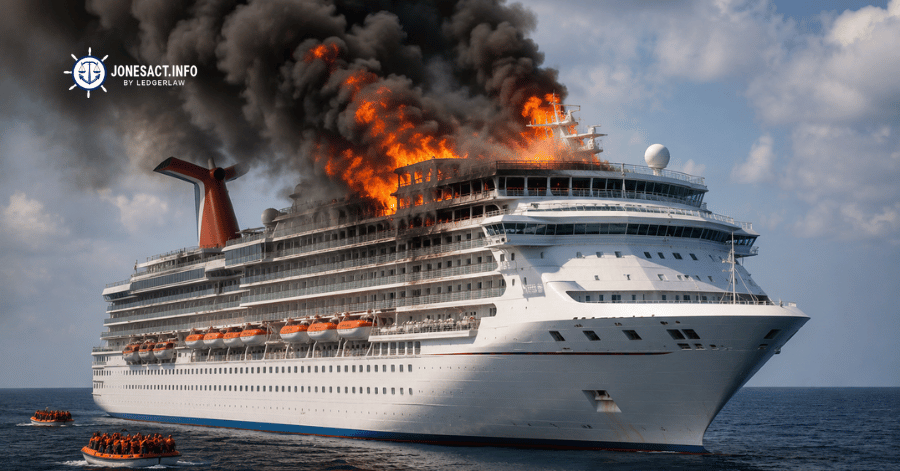
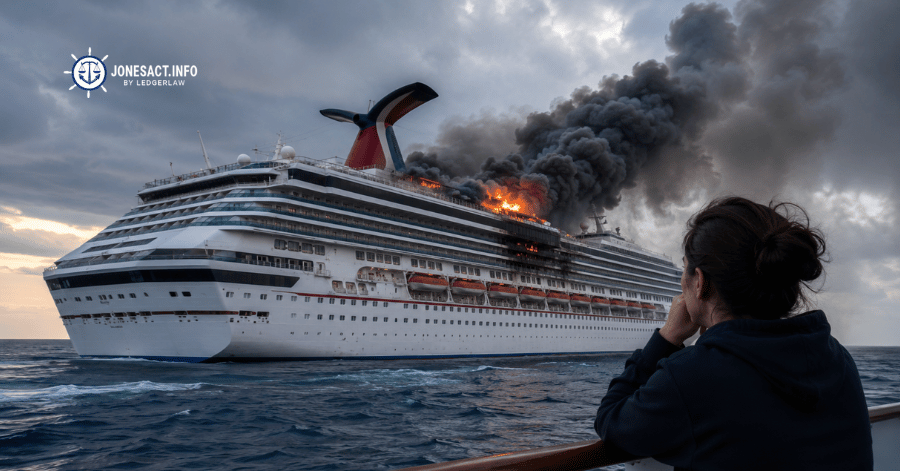
Picture a cruise ship drifting powerless across the Gulf of Mexico. Toilets overflow into hallways. The lights are out. There is no air conditioning. Thousands of guests sleep on the open deck under makeshift tents. This was life aboard the Carnival Triumph in February 2013—the Carnival Triumph fire disaster, an engine room fire that knocked out power and critical ship systems and left more than 4,200 passengers and crew stranded for five days under worsening conditions the media quickly dubbed the poop cruise.
The Carnival Triumph engine room fire on February 10, 2013, roughly 150 miles off the Yucatan Peninsula, turned a routine four day cruise into a survival ordeal. For passengers, crew members, maritime legal professionals, and anyone trying to understand what this case means for cruise safety and passenger rights, this article breaks down what happened, what caused the fire, what people endured onboard, how Carnival Cruise Lines responded and compensated travelers, whether the company knew about fire risks before sailing, and what lawsuits and legal claims followed. This is general information, not legal advice—readers with specific questions should consult JonesAct.info.

A Full Overview On Carnival Triumph Fire Disaster:
The Carnival Triumph fire disaster unfolded over the course of a week, transforming a vacation into chaos. Here is what happened, step by step.
Timeline: From Departure to Disaster at Sea:
The carnival ship departed Galveston, Texas on February 7, 2013, carrying approximately 3,143 passengers and 1,086 crew on a four day cruise to Cozumel, Mexico. The trip proceeded normally through February 8 and 9, with guests enjoying a port stop in Cozumel before the vessel turned back toward Galveston.
En route home in the early morning of February 10, around 5:30 a.m., crew detected smoke via CCTV near diesel generator No. 6 in the aft engine room. Alarms sounded. A fire in the engine room occurred on February 10, 2013, and while suppression systems contained the blaze before it reached passenger decks, it badly damaged the electrical and propulsion infrastructure. The cruise ship lost main power and propulsion, leaving it adrift in the gulf with thousands aboard.
Immediate Impact: Power Loss, Panic, and Initial Response:
The fire left the ship without power and propulsion almost instantly. When the main switchboard failed, nearly every “hotel” system went dark: lights, air conditioning, refrigeration, and the vacuum sewage system. Emergency generators restored navigation and basic communications, but could not support the galley, toilets, or climate control. Passengers had no air conditioning during the ordeal.
The captain announced the situation and asked folks to remain calm. Many passengers initially treated the incident as a temporary inconvenience. Early Coast Guard communications described the vessel as “stable” with no immediate injuries-but conditions were already deteriorating below deck.
Life Onboard: How the “Poop Cruise” Nickname Was Earned:
Within hours the sanitation system failed completely. The loss of power led to sanitation system failure, causing overflowing toilets across the ship. Passengers used red biohazard bags and buckets as the crew roped off unusable areas. The smell in interior cabins became unbearable, and hot, humid conditions drove many passengers to sleep on the open deck under tent cities fashioned from bedsheets and life jackets.
Supplies ran short, so emergency food provisions were brought over from nearby ships, including the Carnival Elation and Carnival Legend, in a ship-to-ship transfer. Food supplies were limited and had to be rationed, with the galley restricted to cold sandwiches and fruit. Water was scarce. The ship’s medical staff treated cases of heat exhaustion, dehydration, and anxiety, particularly among older passengers, children, and those with chronic illnesses.
Drift, Tow, and Final Arrival in Mobile, Alabama:
Without propulsion, winds and currents pushed the powerless Carnival Triumph northward. Over 4,200 passengers were stranded for five days as tugboats connected lines to begin a slow tow. Initial plans called for towing to Progreso, Mexico, but Carnival switched the destination to Mobile, Alabama, extending the trip and passenger hardship.
During towing, the ship developed a noticeable list that worsened sewage leaks and made walking and rest difficult. The vessel finally arrived at the port of Mobile on the night of February 14, 2013, after tug assistance helped it arrive there late in the rescue effort. Media crews, buses, and emergency personnel lined the dockside. Passengers endured five days adrift in the Gulf of Mexico before disembarking into a flood of national media coverage, facing late-night processing and long bus rides to Galveston and New Orleans.
Did Carnival Knew About Fire Risks Before Carnival Triumph Disaster:
Investigations and court filings after the disaster raised serious questions: did Carnival cruise lines already know this kind of engine fire could happen?
Prior Carnival Engine Fires and Loss‑of‑Power Events:
Carnival Triumph had a history of maintenance issues before the incident. The Carnival Splendor suffered a similar engine room fire in 2010 that left it without power. Maritime attorneys noted the Triumph fire was reportedly the fourth such power-loss event on a carnival ship in a short span. Just weeks before the disaster, on January 28, 2013, the Triumph itself had propulsion problems and generator trouble-yet the vessel sailed anyway. These prior events should have highlighted vulnerabilities in engine room design and fuel leaks across the fleet.
Investigations, Maintenance Records, and Fire‑Risk Warnings:
The Bahamas Maritime Authority investigation tied the fire to a flexible fuel line failure and inadequate maintenance practices. Internal documents showed Carnival engineers recommended installing spray shields on fuel hoses in a December 2012 compliance notice. Nine incidents involving flexible fuel line leaks had been logged across Carnival’s fleet in the preceding two years. Despite this, the specific hose that failed on the Triumph was not shielded before sailing from Galveston on February 7.
What “Knowledge of Risk” Means for Negligence and Lawsuits:
In a Carnival Triumph fire lawsuit, courts evaluate whether a cruise line “knew or should have known” about dangers. Prior incidents, internal reports, and cruise industry standards can all demonstrate knowledge of fire risks. Maritime ticket contracts and liability limits do not completely erase a passenger’s right to claim compensation where evidence shows preventable mechanical failures. Those affected by similar incidents on cruise lines can consult maritime counsel through JonesAct.info to understand how these issues apply to their situation.
Technical Cause of the Carnival Triumph Engine Room Fire:

Understanding how a single fuel line failure cascaded into a total blackout is critical for grasping the scope of this disaster.
Where and When the Fire Started:
The fire was traced to a fuel leak from a generator-specifically, diesel generator No. 6 in the aft engine room. The crew detected smoke via CCTV around 5:18 a.m. on February 10. Fire doors and suppression systems activated. There were no direct fatalities from the engine fire itself.
Fuel Leak, Fire Spread, and Destruction of Power Cables:
A flexible fuel oil return pipe failed, spraying pressurized fuel at roughly 10 bar and 122°C upward where it contacted the hot turbocharger surface, causing a flash fire. The blaze damaged main electrical cabling overhead, severing power not only from generators 5 and 6 but also from the forward engine room generators and propulsion motors. Investigators criticized the routing and protection of cables near fuel lines.
Limits of Backup Power and Emergency Systems:
Emergency generators powered navigation lights, basic communications, and some lighting-but could not run air conditioning, full sewage pumps, or galley equipment. The Hi-Fog water mist system lost power when the main switchboard shorted, and the CO₂ suppression system’s main supply valve failed to open properly from its remote station. The disaster raised scrutiny of cruise ship engineering and emergency preparedness across the industry.
Passenger and Crew Experience During the “Poop Cruise”:
Conditions aboard deteriorated steadily over five days, testing the endurance of every person on board.
Sanitation Collapse and “Code Brown” Conditions:
Toilets failed within hours. Sewage backed up into cabins and hallways. Every crew member worked to contain the damage, directing passengers to use plastic bags and red biohazard bags. The emotional and dignity-related impact was severe, especially for families with children and older or disabled passengers.
Food, Water, Heat, and Medical Issues:
Without refrigeration, the kitchen relied on limited food-cold sandwiches, fruit, and whatever supplies could be transferred from nearby ships. Many passengers slept on deck to escape the heat building in windowless interior cabins. The ship’s clinic treated heat exhaustion, dehydration, and exacerbations of chronic disease.
Communication, Media Coverage, and Passenger Morale:
Cell service was intermittent at sea. Passenger text messages and photos reached media outlets, and sensational phrases like “poop cruise” and “floating Petri dish” spread instantly. The crew attempted to maintain morale with announcements and organizational efforts despite their own exhaustion and difficult conditions.
Anatomy of the Carnival Triumph Fire Disaster:

Carnival’s Response, Compensation Offers, and Reputational Fallout:
The incident damaged Carnival’s reputation significantly. Here is how the company handled the aftermath.
Emergency Management and Public Relations During the Crisis:
Carnival coordinated with the U.S. Coast Guard and tug providers, ultimately deciding to tow the ship to Mobile rather than Mexico. Public statements emphasized that passengers were safe and efforts were underway. But the contrast between corporate messaging and passenger accounts of sewage, heat, and shortages fueled intense media criticism.
Refunds, Payments, and Future Cruise Credit:
Carnival’s response included a full refund of the voyage fare, transportation reimbursements and $500 for each passenger, according to its statement of February 15, 2013. Passengers also received a credit toward a future cruise. Some folks accepted and continued sailing with Carnival. Others felt the offers were inadequate given the ordeal and pursued lawsuits seeking additional damages.
Fleetwide Safety Upgrades and the Birth of Carnival Sunrise:
Carnival announced a safety program of more than $300 million across its 24 ships, focusing on emergency power, fire safety and backup redundancy. Carnival said it spent $115 million to repair and upgrade the Triumph. Carnival renamed the ship Carnival Sunrise in 2019 after a later makeover. The vessel later sailed voyages from ports like Miami and New York, with many casual passengers unaware of its poop cruise history.
Legal Fallout and Carnival Triumph Fire Lawsuit Issues:
Multiple lawsuits followed the disaster. Here is what happened in federal court and what it means for future cruise passengers.
Early Lawsuits, Claims, and Allegations Against Carnival:
Some of the first lawsuits were filed in early 2013 in federal courts, often by Carnival Triumph passengers alleging negligence, unseaworthiness, and subjecting them to days of dangerous conditions. Complaints sought damages for physical injuries, emotional distress, lost wages, and long-term psychological impact.
Ticket Contracts, Maritime Law, and Limits on Recovery:
Carnival’s cruise tickets required most suits to be filed in federal court in Miami and contained clauses shortening filing deadlines to 185 days. Most claims against Carnival were limited by maritime law, and lawsuits were dismissed due to ticket contract limitations in multiple cases. Widely reported per-person recoveries were often modest compared with initial media speculation.
What the Triumph Cases Teach Future Cruise Passengers:
The Triumph cases are a teachable moment: read your cruise tickets before boarding, understand forum and time limits, and document conditions and injuries during any incident. The incident led to the introduction of the “Cruise Passenger Bill of Rights,” raising standards across the cruise industry. Those affected by any cruise ship disaster should consult maritime counsel early to avoid missing deadlines-resources like JonesAct.info can help.
Passenger Rights and Cruise Ship Disasters:
It visually explains passenger rights, typical cruise ticket fine print, and key steps to take after a cruise ship accident or engine fire.

Is the Carnival Triumph Still Sailing Today?
Yes. The same vessel now operates as the Carnival Sunrise after its extensive refit and renaming. The ship sails itineraries from various U.S. ports with modernized amenities and upgraded safety systems. The rebranding was part business strategy, part effort to distance the cruise ship from its bad history. For many current guests, the 2013 engine room fire is a little-known chapter-the last thing on anyone’s mind when booking a vacation.
Contact JonesAct.info For Help After a Cruise Ship Fire or Accident:
Passengers and crew injured or traumatized in cruise ship incidents-whether on the Carnival Triumph, Carnival Sunrise, or any other vessel-face complex maritime laws and short deadlines. JonesAct.info focuses on maritime and Jones Act issues, helping injured seafarers and passengers understand their rights. A maritime attorney can review ticket contracts, preserve evidence, calculate damages, and navigate federal court procedures. If you experienced a cruise ship engine fire, loss-of-power event, or serious onboard injury, reach out for a confidential consultation to evaluate your options before critical deadlines pass.
Conclusion:
The Carnival Triumph fire disaster of February 2013 remains one of the cruise industry’s most vivid cautionary tales. A preventable engine fire turned a routine trip into days of hardship in the Gulf of Mexico, and the fallout reshaped safety standards, cruise ticket scrutiny, and public expectations of corporate accountability. For passengers and crew, the poop cruise is a reminder that understanding maritime rights before you sail matters far more than most people realize. If you or someone you know has experienced a cruise ship accident or has questions about maritime law, contact JonesAct.info for personalized guidance before deadlines pass.
Related: Cruise Ship Injuries
FAQ
Frequently Asked Questions

An engine room fire left the ship without power, causing sewage failures, food shortages, and no air conditioning while over 4,200 people were towed to Mobile, Alabama over five days.
The fire broke out in the early morning of February 10, 2013, while the ship was en route from Cozumel back to Galveston in the Gulf of Mexico.
Investigations pointed to a fuel leak from a flexible return line on diesel generator No. 6 that sprayed hot fuel onto a turbocharger surface, igniting a fire that destroyed critical electrical cables.
The fire started in the aft engine room, forward of generator No. 6, beneath the floor plates.
Approximately 3,143 passengers and 1,086 crew members were aboard-more than 4,200 people total.
No deaths occurred directly from the fire, but passengers and crew reported heat-related illness, dehydration, and significant emotional distress from the conditions that followed.
The ship lost normal propulsion and hotel power for roughly five days, relying only on limited emergency generators until it arrived at port.
Passengers faced sewage backups, no air conditioning, limited food, sleeping on the open deck, and long lines-conditions that earned the trip the nickname poop cruise.
The ship's vacuum sewage system depends on electrical pumps and controls that were disabled when the main power cables and switchboard were damaged by the fire.
The ship was towed to the Port of Mobile in Alabama, where passengers finally disembarked on the night of February 14, 2013.
Prior incidents, internal maintenance records, and investigative findings suggest Carnival was aware of fuel leak and engine fire risks, though the company has disputed negligence.
Individual passengers filed the earliest known lawsuits in early 2013 in U.S. federal courts, typically alleging negligence and unsafe conditions aboard the ship.
Many cases settled confidentially; public reports vary widely, and most per-passenger recoveries were modest compared with initial media speculation about large verdicts.
Carnival offered a full refund of the cruise fare, reimbursement of travel expenses, $500 per person, and a credit toward a future Carnival cruise, according to its statement of February 15, 2013.
Carnival announced a program of more than $300 million across its 24 ships covering emergency power, fire safety and backup power redundancy.
Yes. The same vessel now operates as the Carnival Sunrise. Carnival renamed it in 2019 after a makeover it put at nearly $200 million.