A cruise vacation is an opportunity to escape reality and unwind on the sea and beach. However, the recent death on a Royal Caribbean cruise ship shattered the vacation dream for the family members of the deceased left behind.
Now, the investigation into the Royal Caribbean cruise death is revealing some unsettling truths. So, let’s explore the investigation updates. Also, we will provide guidance for families who are injured on cruise ships.
The Investigation Result of The Death on Royal Caribbean Cruise Ship
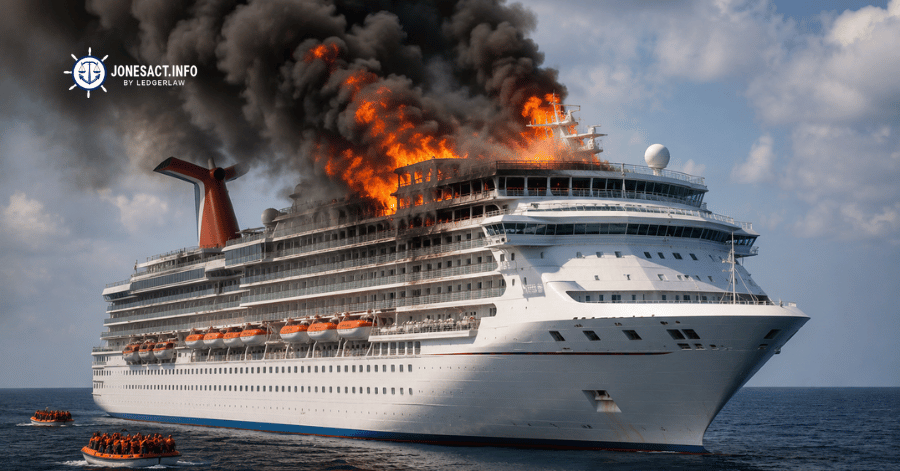
In the recent case, a 64-year-old woman was found dead on cruise ship. She was found dead in her cabin on the Enchantment of the Seas. It is a Vision-class cruise ship from the Royal Caribbean International. It operates mainly in the Caribbean Sea.
Regarding the death, her husband found her dead in the cabin. The autopsy confirmed the cause of death was a heart attack.
However, an investigation is going on. Many claim it was a suspicious death, and so, the investigation must go deep. It highlights that a woman on a cruise ship isn’t always safe. Also, we learn how a dead person on a cruise ship starts a multi-layered investigation.
Jurisdictional Challenges
When a woman on cruise ship dies, the jurisdiction can be complex. It could be in international waters, involving multiple authorities. The incident may include:
- The ship’s security team.
- Cruise shipping company.
- The FBI.
- The country whose flag the ship is sailing under.
There is inadequate reporting on Royal Caribbean cruise ship deaths. It makes the matter more complicated. So, it becomes difficult to estimate how many people die on cruise ships each year.
Nonetheless, cruise lines must provide their guests with reasonable care. If a Royal Caribbean cruise accident or death occurs because of their negligence, the cruise line can be held liable for the damages.
Tips and Guidelines for Families For Cruise Ship Accidents
When a person on board a cruise ship dies or gets injured, their families must be proactive. The first step is to document every detail. You mustn’t sign any waivers or agreements presented by the cruise line.
-
Document Everything: Immediately record every detail of the incident. Keep a record of all communications with the cruise line's staff and medical personnel.
-
Do Not Sign Waivers: Never sign any documents or agreements with the cruise line. Always consult with a legal professional before signing the agreement.
-
Request Medical Records: Keep records of all medical logs related to the incident. The cruise ship’s medical center should provide it to you.
-
Preserve Evidence: Retain personal belongings, photos, or evidence related to the incident and the cabin.
-
Seek Legal Counsel Immediately: Contact a qualified maritime law firm as soon as possible. He will help you understand your rights and the legal deadlines.
Legal Complexities
The cruise ticket contains a “forum selection clause.” It dictates how and where you can file the lawsuit.
For example, Royal Caribbean requires notice of a claim within six months. Also, you must file the lawsuit within one year of the incident. The deadline is strict. So, you must seek immediate legal consultation.
The Jones Act maritime law primarily applies to crew members and not passengers in a Royal Caribbean cruise line accident case. So, you should consult The Ledger Law Firm about cruise ship passenger rights.
The Importance of Legal Representation
The aftermath of a Royal Caribbean cruise ship accident changes the lives of many. It has complex maritime law that you need to navigate to get compensation. Thus, The Ledger Law Firm is ready to guide you through this financially and emotionally tough time.
Frequently Asked Questions

The most common causes of death on cruise ships are natural causes. It includes primarily cardiac incidents such as a heart attack. Also, falls overboard, suicides, and other accidents are responsible.
Yes, a family can pursue a lawsuit if they can prove the death was a result of the cruise line’s negligence. The general maritime law offers security for passengers.
The Death on the High Seas Act (DOHSA) may apply to deaths in deep sea, 3 miles away from the US water territory. The federal law limits the types of damages a family can recover. It allows support for the loss, services, and inheritance.
The ship's medical staff and captain will coordinate with authorities at the next port. They will communicate to disembark the deceased body. The repatriation process can be complex and may involve additional costs. So, you must seek immediate legal guidance to bear the cost.
Conclusion
A Royal Caribbean death is a rare and tragic event. Yet you must be prepared and know your rights. The cruise line’s liability for passenger safety is clear, but the legal framework is complex. We are ready to help you with this complex legal framework for claiming compensation after cruise ship accidents.
Related: Cruise Ship Injuries