Key Takeaways
-
Only five cruise ships have crashed into other ships or objects since 2023.
-
No one was seriously injured or killed in these five collisions.
-
Slip and fall accidents are actually the most common form of injury on a cruise ship.
-
Cruise ships offer medical care 24/7 and can handle incidents ranging from broken bones to life-threatening injuries.
How often do cruise liners crash? That depends on your definition of a “crash”. When most of us think of crashes, we think of ships colliding with each other or with an iceberg. However, in the cruise ship industry, a “crash” can include:
-
Running aground.
-
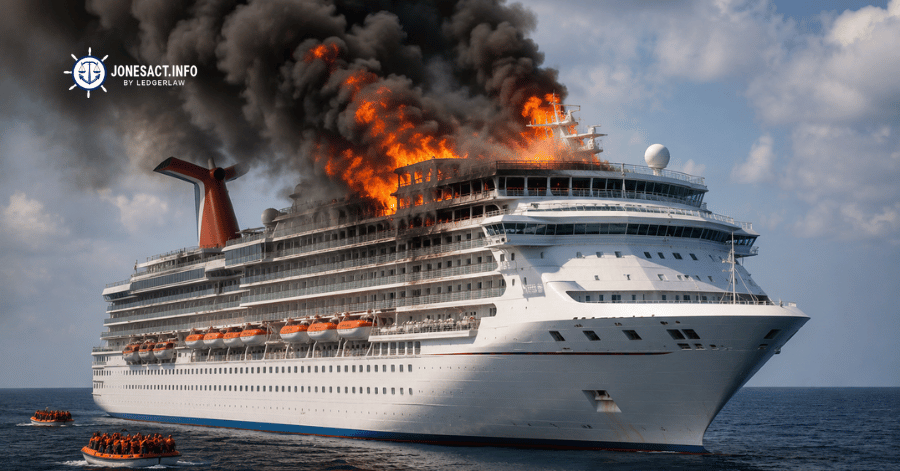
A fire on the ship.
-
A natural disaster.
-
Technical failure.
There are a lot of rules governing how cruise ships are built and maintained. Crew liners train crew members so they know what to do if an emergency happens. On top of that, the CDC and Coast Guard inspect cruise ships that operate from U.S. ports. Sadly, crashes still sometimes happen, mainly because:
-
A cruise liner doesn't follow the rules.
-
A captain and/or crew members don't follow the rules.
-
Bad weather.
How Often Do Cruise Ships Crash?
-
There have been fifteen major cruise ship crash incidents around the world since 2000. That's fewer than one a year.
-
There have been 450 major cruise ship accidents between 2005 and 2023.
-
Slips and falls on the ship are the most common type of accident.
-
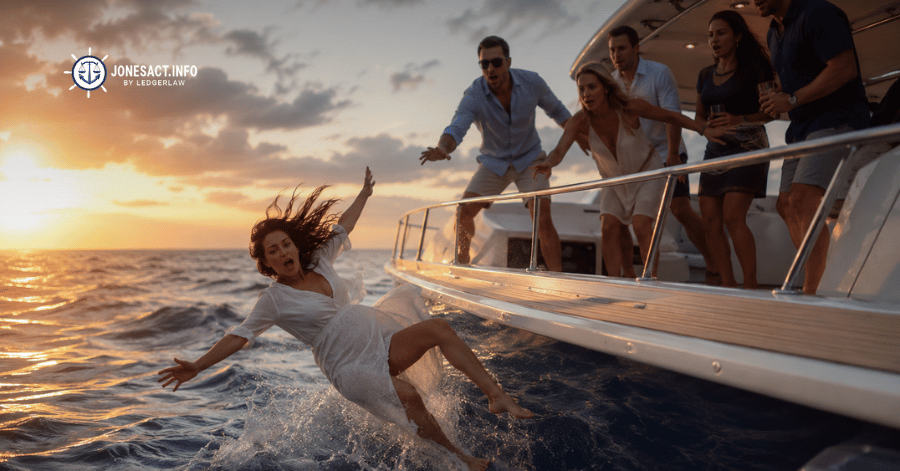
Falls off a ship aren't common, but about nineteen happen each year. The survival rate for falling off a cruise ship is a measly 20%.
-
Mechanical failures are a lot more common than collisions.
Factors That Contribute to Cruise Ship Crashes
Lots of factors can cause a ship crash. In fact, many crashes are caused by a combination of two or even more of the factors listed below.

Human Error
Human error accounts for a whopping 45% of cruise ship accidents. Common forms of human error on a cruise ship are:
-
Improper maintenance, especially of decks and water slides.
-
Improper maintenance of electrical wiring and/or the engine, which can cause a fire.
-
Negligence when managing shore excursions.
-
Food not being handled properly (causing food-borne illnesses to spread).
Weather and Sea Conditions
Cruise ships do everything they can to track storms and will even change the ship’s itinerary to avoid severe weather. Even so, sudden storms can cause mechanical failures and/or create rogue waves that may cause serious accidents.
Mechanical Failures
More than three-fifths of all disasters on ships are caused by lack of maintenance:
-
Regulates shipping.
-
Forgetting to change the lube oil as often as the manufacturer recommends.
-
Failure to change oil filters regularly.
-
Not removing debris from the engine lube system and other parts of the ship.
These maintenance lacks are a big deal. They can cause engine failure and fires that shut down a ship’s power and make it hard or even impossible to navigate.
Collisions with Other Vessels
Cruise ships rarely collide. Sadly, it still happens sometimes. Coasts with rocky shorelines are risky areas for ships. The risk is made even worse if there’s bad weather and/or high waves. Other “danger spots” include straits, canals and crowded port areas.
Other risky areas are:
-
Any area with political instability, as there are dangers from pirates and not much help available from coast guards if something goes wrong on the ship.
-
Areas prone to natural hazards such as icebergs, cyclones, and high waves.
Navigational Failures
Sometimes a ship’s GPS and/or radar doesn’t work properly. However, experts have found that all recent navigational failures are the fault of human error.
The Most Notable Cruise Ship Crashes in History

From the Titanic to the Costa Concordia, humankind has seen many major cruise ship crashes. A few of the most shocking and crucial cruise ship accidents are:
Costa Concordia Disaster (January 13, 2012)
The Costa Concordia’s pilot crashed into a rock, which put a hole over fifty meters long into the side of the ship. The engine room flooded. This caused the power to go out. The ship ran aground, and over thirty people died. The captain, Francesco Schettino was later found responsible and jailed for sixteen years because:
-
He deviated from the route to give passengers a better view of the coast.
-
He didn’t tell the harbormaster about crashing into the rock.
-
He didn’t give the order to evacuate until more than an hour after the crash.
The crash resulted in improved safety measures and evacuation procedures being passed worldwide. Also, Carnival Corporation declared it a total constructive loss. The salvage amount was one of the biggest in the shipping line history.
Carnival Triumph Fire (February 10, 2013)
The Carnival Triumph’s engine room caught fire. This shut down the engine. Without electricity, toilets would not flush. The crew handed out Biohazard bags for poop but not everyone used them. People couldn’t sleep in their rooms because of the heat. Also, as sewage backed up in the passenger deck, the media coined it “Poop Cruise”, infamously.
Without power for the refrigerators, food spoiled, and the cooks had to make passengers lettuce sandwiches. It took four days to get the ship towed to a port. As it turns out, the ship was prone to fires and had no business being on the water in the first place.
What’s more shocking, is that on April 3, 2013, while in repair, Carnival Triumph caused another accident. It broke free from the moorings due to gale force winds and crashed on to a United States Army Corps of Engineers vessel.
The disaster led to the Cruise Lines International Association passing the Cruise Passenger Bill of Rights.
Norwegian Breakaway Storm Incident ( January 03, 2018)
Weather forecasters made it clear that a bomb cyclone was heading into the Norwegian Breakaway’s path. Unfortunately, the captain decided not to change course. The result?
The cruise ship headed straight towards the storm. For the next two days on January 03 and 04, the ship passed through the stormy sea and violent wind. As a result, there were leaks and a lot of seasick, traumatized passengers stuck in a bomb cyclone for several days. The incident drew attention to the fact that many cruise liners were putting profits ahead of passenger wellbeing.
Viking Sky Engine Failure ( March 23, 2019)
The Viking Sky had technical problems even before it left port. However, the captain sailed in severe weather anyway. During the storm, the engine lost oil pressure. It shut down, and the ship nearly ran aground. The severe weather made it impossible for other ships to help evacuate the Viking Sky. Instead, helicopters had to take passengers from ship to land. Sixteen people had to be hospitalized afterward, three with serious injuries. As a result, there are new rules:
-
Cruise liners have to give passengers more advance notice of bad weather.
-
Cruise liners have to have better safety measures and rescue plans in place than before.
-
Cruise liners are held to a higher standard of accountability for passenger well-being during emergencies.
MSC Opera Dock Collision (June 02, 2019)
The MSC Opera dock collision was caused by several human errors made by the captain, chief engineer, and chief electrician. The engine warning lights were ignored. The engine died. The ship didn’t have enough power for speed control. It crashed into a smaller ship and a quay. As a result:
-
The captain, chief engineer, chief officer, two crew members, and the ocean liner were fined.
-
Italy banned large cruise ships from sailing through some of its waterways.
COVID-19 Outbreaks on Cruise Ships (2020)
Cruise ships have always been an ideal breeding ground for disease as they’re enclosed and often crowded. COVID-19, however, took things to the next level. As passengers and crew fell sick, it became clear that cruise ships didn’t have space to quarantine sick crew members. Getting medical help for passengers and crew was a challenge as many countries refused to allow the ships to disembark in their ports. Cruise ships, for their part, often refused to cover the costs of repatriating passengers, resulting in some becoming so stressed that they committed suicide.
Because of COVID, many cruise ships have:
-
More advanced sanitation measures.
-
Vaccination requirements.
-
Improved ventilation systems.
-
A better safety/health culture.
Legal Recourse and What to Do After a Cruise Ship Crash

You have legal rights after a cruise ship injury. Whoever is responsible for the harm, be it the captain, a crew member, or the liner itself, should be made to pay compensation.
Can You Sue a Cruise Company After an Accident?
You can sue a cruise company after an accident. However, you have to prove the accident was at least partly the company’s fault. To do this, you’ll need evidence such as:
-
Photos.
-
Videos.
-
Witness testimony.
-
Paperwork from your doctor.
Seeking Legal Help After an Injury
A maritime lawyer can tell you where to file your case. He or she can also help you collect evidence and find expert witnesses.
Compensation and Claims
If you’ve been injured on a cruise ship, you can claim compensation for:
-
Medical costs.
-
Lost wages.
-
Emotional trauma, pain, and suffering.
-
Wrongful death (if you lose a parent, spouse, or child).
It will take time before you get cash in hand. Plus, the other party (or parties) can appeal any court decision in your favor. That’s why different sides often choose to reach a settlement before the case goes to court. The cruise line avoids bad publicity and admitting responsibility. The other party receives compensation faster than they would otherwise.
Common Cruise Ship Accident Types and Their Causes
Slips and falls on the ship are the most common type of accident. However, they’re by no means the only type of accident. Other common mishaps include:
-
Injuries from falling objects or abrupt ship movements.
-
Falls overboard.
-
Burns from fires caused by mechanical problems.
-
Drowning/near-drowning accidents.
FAQ
Frequently Asked Questions

Every year around five to ten cruise ship accidents happen. For instance, in 2019, there were only 15 incidents involving 12 cruise ships. Also, About 448 have happened since 2005.
Different data reports that around five to fifteen ships have sunk in the last 20 years. However, Cruise Hive reported that only five ships have sunk while being on the sea.
- See a doctor.
- Collect evidence.
- Call a lawyer when the ship docks to figure out your next steps.
Slips and falls on the ship are the most common injuries on cruise ships. It may happen because of a wet floor, inadequate maintenance, etc. Injuries include broken bones, spinal injuries, etc.
Yes, you can sue a cruise ship company for an accident or injury. If the accident or injury happened for the negligence of the cruise ship company, you can get full compensation for medical bills and lost wages.
That depends on:
- The type of claim you file.
- Where you file your claim.
- Who you file your claim against.
What is the chance of a cruise ship crashing?
Very low. Sickness, fires, and on-board accidents are far more common than crashes.
About two hundred people die on cruise ships each year.
Cruise ships rarely crash into other cruise ships, but it has happened with:
- The Carnival Glory/Carnival Legend.
- The MSC Opera/River Countess.
- The Oosterdam/Nieuw Amsterdam.
Conclusion
Headline-generating cruise ship disasters aren’t super common. However, there are lots of risks you undertake when you set foot on a cruise ship. You’re at the mercy of the elements. Disease spreads quickly in the close quarters. Think of your cruise liner as a “mini-city” and be aware of your surroundings at all times. Doing so can help you avoid problems and enjoy your cruise as much as possible.
Related: Cruise Ship Injuries