Key Takeaways:
-
Extreme Danger: Underwater welding is a high-risk profession with a 15% fatality rate.
-
Many Dangers: Hazards include electrical shock, explosions, drowning, and decompression sickness.
-
Health is Crucial: Regular health check-ups and a focus on well-being are essential for safety.
-
Safety First: Good training, modern tech, and strict rules prevent many accidents.
-
Legal Protection: Specialized laws offer compensation for injuries, protecting your rights.
Underwater welding can be lucrative. However, it’s not an easy job. You’ll be working with dangerous tools in a dangerous work environment. Even a small mistake could kill you. Let’s check – how dangerous is underwater welding?
The Inherent dangers of underwater welding:
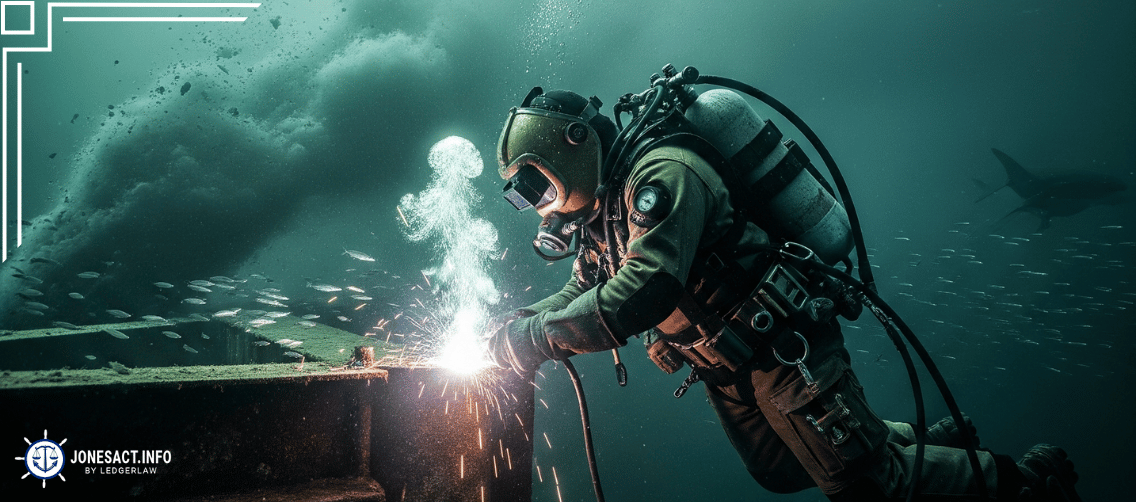
Underwater welding is one of the most dangerous professions. Some studies estimate a fatality rate as high as 15%. For context, the average number of fatal injuries for commercial dive activities is estimated to be around 6 to 13 deaths per year. It is significantly higher than in many other high-risk occupations. The reasons are:
Electrical Hazards and the Risk of Shock:
There’s always a risk of electric shock when welding. However, water, unlike air, conducts electricity. This means you’re more likely to get a dangerous shock working underwater than on land.
Health Risks from Gases and Fumes:
Welding produces fumes and gases. If you’re “dry welding” (welding inside a sealed chamber underwater), it will be hard not to breathe in these fumes.
The Threat of Decompression Sickness:
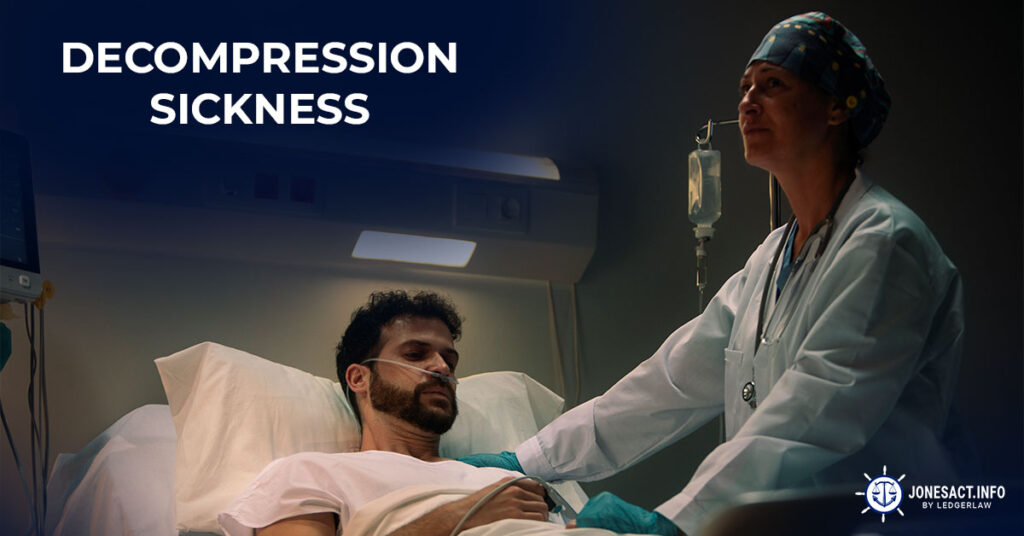
Decompression sickness (DCS), or “the bends,” is a major threat to underwater divers. The increased pressure under the deep water causes inert gases, primarily nitrogen. It dissolves into their blood and tissues. When the welder ascends too quickly, the pressure drops rapidly. So, the gas dissolves and forms bubbles. The bubbles obstruct blood flow and cause severe symptoms, including joint pain, paralysis, and permanent neurological damage.
In some cases, DCS can even be fatal. The welder must allow the body to safely off-gas following a strict, gradual ascent protocol. It is critical to prevent this potentially deadly condition.
Drowning Risks:
It’s easy to drown when working underwater. In fact, drowning is one of the main causes of death for underwater welders.
Hypothermia and Cold Stress:
Working underwater for a long time can chill your body. This can make it hard for you to think clearly as you work, leading to a potentially deadly mistake. The key mistakes include:
- Safety protocol breaches
- Poor judgment
- Communication errors
- Physical coordination loss
Burn and Scald Hazards:
The welding arc used in underwater welding can reach temperatures as high as 11,000° F (6,100° C). The extreme heat then might combine with the presence of gases and the surrounding water. It is a primary cause of burns and scalds, despite the cold environment under water.
Risk of Explosion:
When gases from welding mix with gases in the water, it can cause an explosion.
Psychological Stress:
Underwater welding is stressful, and the person often works in extreme conditions. It includes:
-
Isolation from friends and family: Underwater welders stay away from loved ones for long periods.
-
Constant vigilance for danger: They must always be aware of risks. It feels mentally exhausting.
-
Pressure to perform perfectly: The high stakes of the job create immense pressure to avoid mistakes.
-
Confinement and boredom: Underwater divers live in small, pressurized chambers. It causes psychological strain.
-
Trusting others completely: Your life depends on the reliability of your team and equipment. So, people feel stressed.
Hearing Impairment:
Water pressure changes as you go underwater and come back up. This can damage your eardrums.
Marine Wildlife Risks:
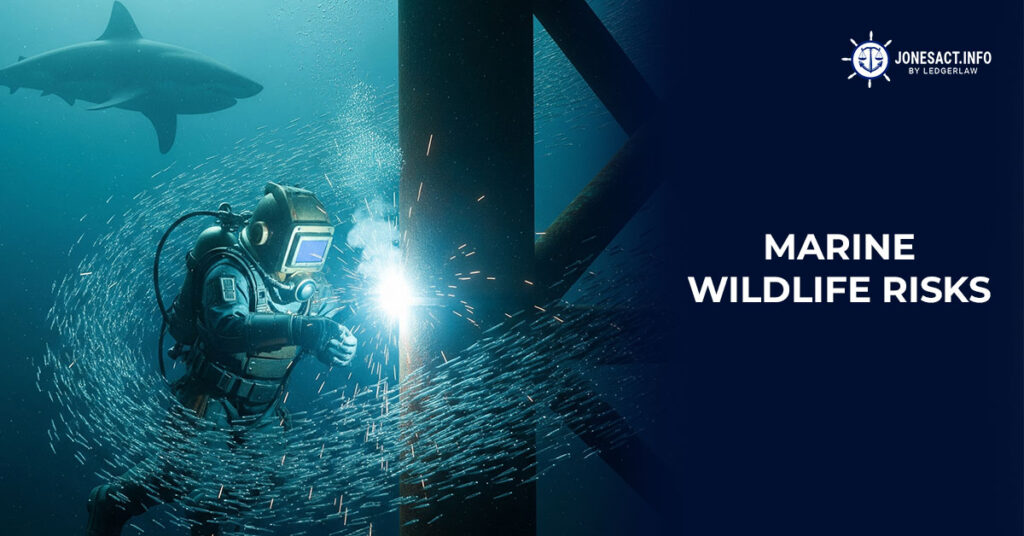
Sharks and jellyfish are some of the deadliest animals you’ll encounter when working underwater. However, a marine animal doesn’t have to bite or sting to be dangerous. Lights from welding equipment attract plankton, which in turn attract fish. Fish swimming around your work area can distract you and/or get in the way of what you’re doing.
Environmental Hazards:
Poor Visibility: The deeper and/or murkier the water is, the more dangerous your operations will be.
Pressure and Depth: Wet underwater welders work at shallower depths. Underwater welding could go as deep as 130 feet (40 meters).. At these depths, the pressure increases by approximately 1 atmosphere (14.7 psi or 101.3 kPa) for every 33 feet (10 meters). So, the welder works under extreme pressure. In contrast, dry hyperbaric welding has an operational limit of around 1,300 feet (400 meters). But many underwater welders go deeper than that.
Strong Currents and Waves: Strong currents can affect your position and/or move underwater debris into your work area.
Marine Life Encounters:
You’re more likely to encounter dangerous animals in the ocean than in a lake or river, but fish can get in your way no matter where you’re welding.
Danger | Details | Potential Harm | How to Avoid Problems |
Electric hazards | Electric equipment in a conductive environment puts you at a high risk of shock | Damage to internal organs Cardiac arrest Death | Use insulated equipment Check your suit and equipment regularly for signs of damage |
Gases and fumes | Gases in water combine with gases released by welding | Explosions could cause serious injury or death | Use a vent tube to direct gases to the surface Be on the lookout for signs of accumulating gases |
Decompression sickness | Nitrogen bubbles form in your blood if you come up to the surface too quickly | Joint pain Neurological damage Death | Follow a dive table and come up slowly Drink lots of water before and after an underwater welding job |
Drowning | Human error, faulty equipment, changing weather conditions and other problems could cause water to get into your lungs | Death | Work with at least one other person Check your gear before use |
Hypothermia | Working in a cold environment for a long time lowers your core body temperature | Cognitive impairment that leads to potentially deadly mistakes | Use a thermal protective suit Take regular breaks to warm up on the surface |
Burns and scalds | Heat from welding equipment can cause injury | Burns and scalds | Use advanced safety equipment |
Explosions | Combined gases explode | Burns, scalds, trauma injury, death | Have a gas management plan and use the right safety equipment |
Psychological stress | The stress of working at a high-risk job can make it hard for you to focus on your work and stay healthy long-term | Heightened risk of accidents or injury | Maintain a healthy lifestyle Get regular medical check-ups to catch potential problems early on |
Hearing loss | Water pressure can damage eardrums | Permanent hearing loss | Use underwater earplugs |
Marine life risks | Marine life can cause injury and get in the way of your work | Stings, bites, increased risk of making a mistake | Check for signs of marine life before starting work |
Environmental hazards | murky water, bad weather, strong currents | Can cause equipment damage that leads to injury or death | Check the weather, working conditions, and currents before starting work |
Compensation for Underwater Welding Injuries:
If you’ve been injured while welding underwater, you can claim one or more forms of compensation.
The Jones Act:
The Jones Act allows a “seaman” to sue their employer for negligence. An underwater welder may be classified as a seaman if they are aboard a “vessel in navigation” (like an oil rig, barge, or ship). The Jones Act can cover medical expenses, lost wages, and pain and suffering.
The Longshore and Harbor Workers’ Compensation Act (LHWCA):
The LHWCA is a federal workers’ compensation program. It provides benefits to maritime workers who are not covered under the Jones Act. It can include workers injured on piers, docks, or other areas adjoining navigable waters. The LHWCA provides no-fault compensation for medical expenses and a portion of lost wages. Welders can also claim compensation under LHWCA.
Medical Expenses:
You can claim compensation for any medical bills you’re facing as a result of your injury.
Lost Wages:
You can’t work when you’re injured. Compensation for lost wages gives you money to live on while you heal.
Pain and Suffering:
An injury can cause physical and emotional pain and suffering. You can claim compensation for your pain and loss.
Legal Options for Workers:
Filing for Workers’ Compensation:
Your employer should have a workers’ compensation insurance policy. Ask for help filing a claim, or get legal help if your boss is unwilling to process your paperwork.
Lawsuits for Personal Injury or Wrongful Death:
You can sue whoever is at fault for your injury, be it your boss, a teammate, or even the company that manufactured the equipment you use for underwater welding.
If you lost a spouse or child in an underwater welding accident, you can file a wrongful death lawsuit and claim compensation for:
- Loss of companionship
- Loss of financial support
- Pain and suffering
Handling the Aftermath of an Accident:
Seek Immediate Medical Attention:
See a doctor as soon as you can after an accident. Don’t delay, even if you think you feel fine. Sometimes, it can take weeks or even months to see evidence of internal injuries.
Gather Evidence and Document Everything:
Keep copies of all paperwork related to your accident. This includes:
- Results of your medical exam.
- A police report (if one was created).
- Photo or video evidence.
Report the Accident:
Report the accident to your boss and, if necessary, to the insurance agency.
Consult a Maritime Lawyer:
Maritime law will affect your compensation claim. Consult with a reputable lawyer who is well-versed in this legal field to receive informed advice tailored to your specific situation.
How to Choose the Right Legal Representation:
Choose a lawyer who:
- Has experience with the type of claim you want to file
- Is familiar with laws in the state where you’re filing a claim
Legal Process in Maritime Injury Cases:
You need to file your case before the statute of limitations in your state runs out.
After you start the lawsuit, the other side may want to talk about coming to a settlement. Talk to your lawyer about this to see if it’s a good idea in your situation.
If settlement negotiations don’t work out, the case goes to court. Both sides have the chance to present evidence and witnesses. However, maritime law makes it easier for you to prove your case than regular workers’ compensation laws.
Conclusion:
Underwater welding accidents can happen even if you do everything you can to stay safe. Know your rights in case something goes wrong on the job. If you’re hurt, get legal help to claim the compensation you need to cover bills and expenses.
FAQ
Frequently Asked Questions
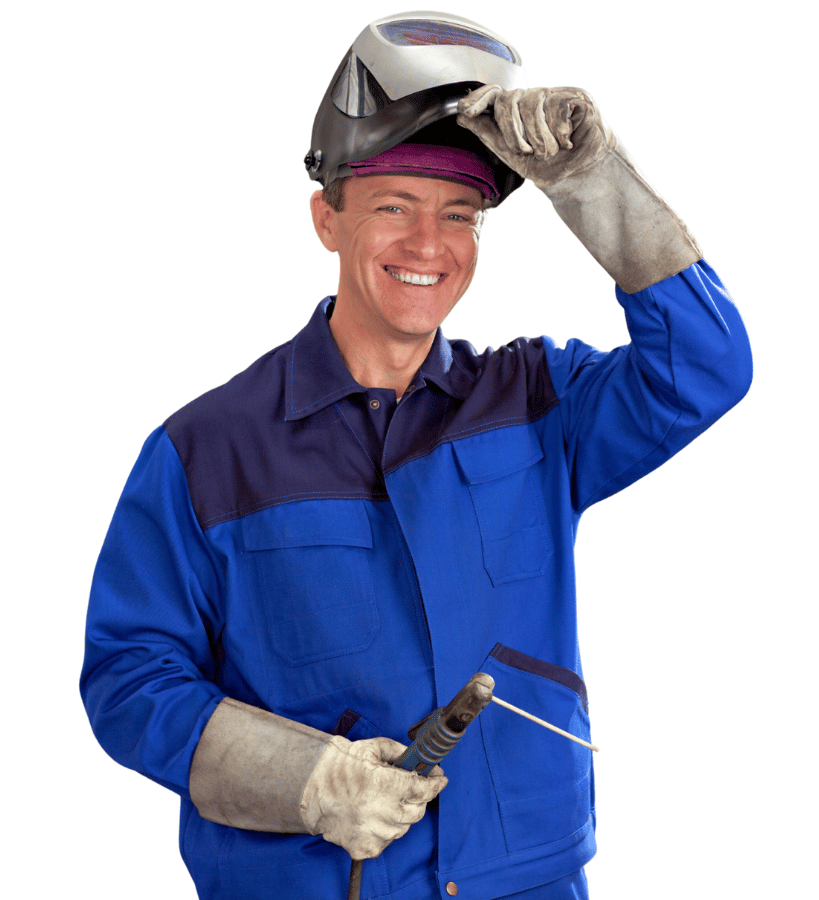
Underwater welders work with dangerous equipment in a dangerous environment.
Lots of things make underwater welding dangerous. These include:
- Electric equipment in water.
- Weather-related risks.
- Currents.
- Marine life.
- Water pressure.
- Your training will help you know how to deal with problems.
- OSHA has safety guidelines that your employer has to adhere to.
- Your company likely has safety equipment and protocols to keep you safe on the job.
About 11 underwater welders die every year.
- Call for help.
- Get to safety as soon as possible.
- See a doctor right away.
No. Other jobs have a higher injury/death rate than underwater welding, especially in the construction industry.