Key Takeaways:
-
Underwater welding is so dangerous because electricity, pressure, water, and distance from rescue combine.
-
Fatality rates may reach a lifetime estimate of 15%, though modern safety has improved outcomes.
-
Underwater welders face electrical hazards, decompression sickness, explosions, marine wildlife, and poor visibility.
-
Most wet welding jobs happen in wet environments where rescue can be delayed.
-
Decompression stress can cause joint pain, neurological damage, lung damage, and Dysbaric Osteonecrosis.
-
U.S. laws like the Jones Act and LHWCA may protect injured workers and families.
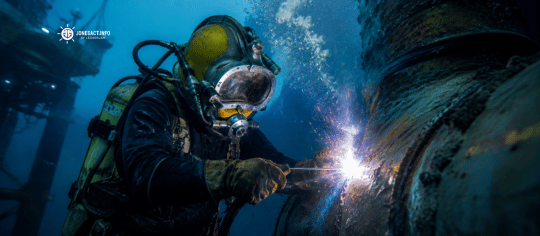
Underwater welding is welding performed underwater on ship hulls, offshore oil rigs, oil rigs, offshore pipelines, subsea pipelines, bridges, and marine structures. It can be a lucrative career, but it is also a dangerous profession requiring unique skills, specialized training, extensive training, and specialized equipment.
So, why is underwater welding so dangerous? Because welding underwater combines high-voltage equipment, water pressure, limited visibility, cold water, marine life, and emergency response delays in one working environment.
Investigations and industry summaries place the estimated lifetime fatality rate near 15%, with some claims saying this is about 40 times higher than commercial divers overall and over 1,000 times the U.S. national average for all workers. These numbers are debated, but the danger is not.
Why Is Underwater Welding So Dangerous?
Underwater welding is one of the most dangerous professions because it combines extreme environmental pressures and hazardous equipment. The biggest dangers of underwater welding include electric shock, electrical shock, drowning, decompression sickness, explosions, equipment failure, and delayed medical attention.
Underwater welding has one of the highest fatality rates in the industrial sector and is often compared unfavorably to logging and fishing. Main causes of death include drowning and decompression sickness, and the underwater welding death rate is alarming because one mistake can cascade into several failures.
For example, electrocution is a significant risk because water is highly conductive; if insulation fails or improper body positioning occurs, current can pass through the human body. If an underwater welder loses consciousness, drowning can follow quickly.
The life expectancy of an underwater welder is sometimes estimated at 35–40 years for some offshore roles, compared with about 78 years in the U.S., though actual life expectancy varies widely by employer, region, safety culture, and type of actual work.
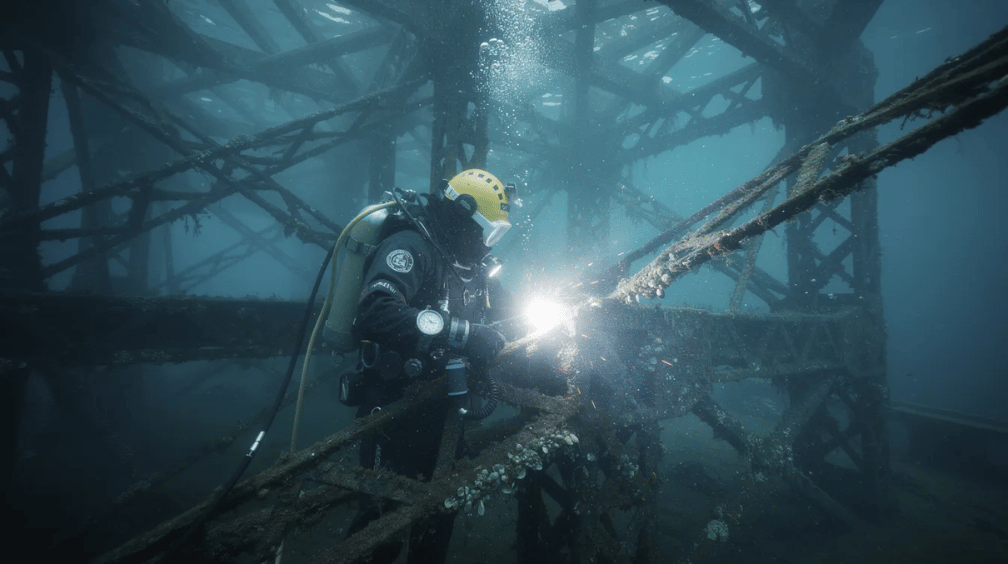
Core Physical Dangers of Underwater Welding:
Electrical Hazards and Risk of Electric Shock:
Underwater welders work with an electric arc, welding tools, and special waterproof equipment in a conductive underwater environment. Direct current is preferred over AC, but DC only reduces risk; it does not remove electrical hazards.
The risk of drowning is significant because equipment malfunction or human error can become life-threatening. Proper protective gear, thermal protection suits, full-face masks, waterproof welding gear, and regular inspections of welding machines and diving gear are essential.
Explosions, Fires, and Burns Below the Surface:
The welding process can release hydrogen and oxygen gases. If these gases accumulate in gas pockets, a spark can ignite them and create dangerous explosions.
Confined spaces such as tanks, caissons, and hull sections amplify blast effects. Extreme temperatures from the welding arc can also cause thermal burns, arc flash injuries, and molten metal burns even underwater.
Drowning, Entrapment, and Diving Suit Failures:
Drowning can follow electric shock, gas exposure, blunt trauma, or breathing apparatus failure. Diving suits, helmets, umbilicals, and surface air systems keep divers alive, so a small failure can be fatal.
Differential Pressure (Delta P) refers to powerful suction created when water moves through narrow openings; it can trap a diver and make escape difficult. Strong currents, waves, and surge can also pull a diver off position.
Pressure, Decompression Sickness, and “The Bends”
Decompression sickness, commonly called the bends, occurs when a diver surfaces too quickly after time at depth, causing nitrogen bubbles to form in the bloodstream. It can cause joint pain, paralysis, neurological damage, or death if not treated promptly in a hyperbaric chamber.
Prolonged exposure to pressure can cause Dysbaric Osteonecrosis, which damages blood vessels and can cause bone tissue death. Decompression tables, dive computers, and strict safety protocols reduce risk, but rushed schedules raise it.
Cold, Hypothermia, and Environmental Stress:
Hypothermia is a major risk because deep ocean cold water rapidly depletes body heat. It causes clumsiness, confusion, impaired cognitive function, and physical exhaustion.
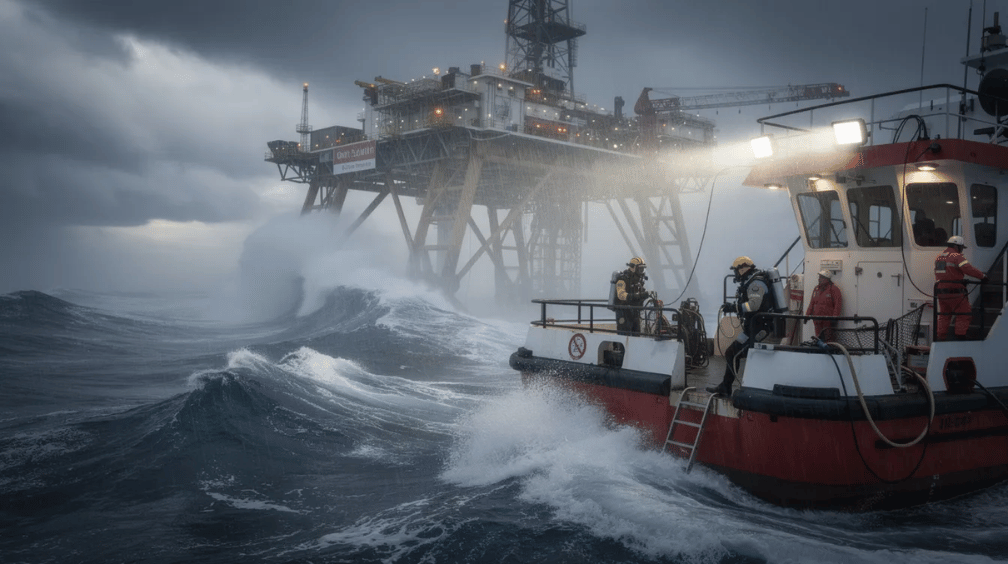
This is why underwater welders must follow strict safety protocols in harsh locations such as the North Sea, where water pressure, cold, and fatigue compound every hazard.
Wet vs. Dry Underwater Welding: Comparing the Risk:
Wet Welding: Directly in the Water Column:
Wet welding is performed directly in the water with the electrode and arc exposed. It is used for fast repairs, hull patches, and emergency pipeline work because setup is cheaper and faster.
Wet welding is riskier because the diver, electrode, and surrounding water interact directly. Poor visibility, flammable gases, marine life, and unstable positioning make wet welding jobs especially hazardous.
Dry Welding and Habitat Welding: Hyperbaric Chambers:
Dry welding, habitat welding, and hyperbaric welding use a sealed chamber attached to the structure, creating a dry environment. This improves visibility, gas control, and standard underwater welding techniques.
However, dry welding is still dangerous because the habitat remains pressurized. Fire, flooding, complex equipment, and decompression remain inherent risks.
Why Wet Welding Is Considered More Dangerous:
Wet welding is generally more dangerous than dry welding because protection is limited and hazards are less controlled. Most catastrophic underwater welding accident scenarios involve shock, drowning, trapped gas, or poor visibility.
Contractors may accept wet welding risk to avoid habitat cost and downtime, especially in the maritime industry.
Hidden Long-Term Health Risks and Life Expectancy:
Life Expectancy of an Underwater Welder:
The 35–40-year estimate is not from one perfect database, but it reflects acute accidents plus long-term damage. The question is not only why underwater welders die, but how surviving welders may live with chronic injury.
Decompression Damage, Joint Pain, and Neurological Issues:
Repeated compression and decompression can damage joints, cartilage, bones, and nerves. Chronic decompression sickness may shorten careers and require therapy, disability benefits, or long-term care.
Respiratory, Cardiac, and Other Systemic Health Risks:
Underwater welders can experience respiratory damage from toxic fumes generated during welding and from diving gas mixtures under pressure. Carbon monoxide, nitrogen oxides, and ozone may contribute to lung and cardiac strain.
Psychological stress is also significant because of isolation, physical labor, and the constant threat of fatal accidents.
Environmental and Operational Challenges Underwater:
Poor Visibility, Currents, and Confined Spaces:
Zero Visibility is common because silt, rust, disturbed seabed sediment, and low light block sight. Limited visibility forces divers to work by touch around sharp steel and equipment.
Unpredictable water currents and waves disrupt positioning and complicate the welding process. Confined spaces increase gas buildup, entanglement, and escape problems.
Marine Life, Biofouling, and Unpredictable Hazards:
Unexpected encounters with marine life can distract underwater welders or physically impede operations. Jellyfish, eels, stingrays, barnacles, shells, and marine growth can cut gloves, tear suits, or interrupt focus.
Why Help Is Often Unavailable or Delayed:
Many jobs occur miles offshore or deep underwater. Rescue requires surface recognition, communication, standby diver deployment, recovery, decompression management, and transport.
A hyperbaric chamber or hospital may be too far away when seconds matter.
Safety Measures, Training, and Emergency Procedures:
Rigorous Training and Certification Requirements:
Underwater welders must complete rigorous training and certification programs covering technical skills, safety protocols, and emergency procedures. Training usually includes surface welding certification, commercial diving school, decompression theory, rescue, and electrical safety.
Organizations such as the American Welding Society and the National Oceanic and Atmospheric Administration (NOAA) provide guidelines and best practices that improve safety in underwater welding operations.
Diving Suits, Gear, and Technical Controls:
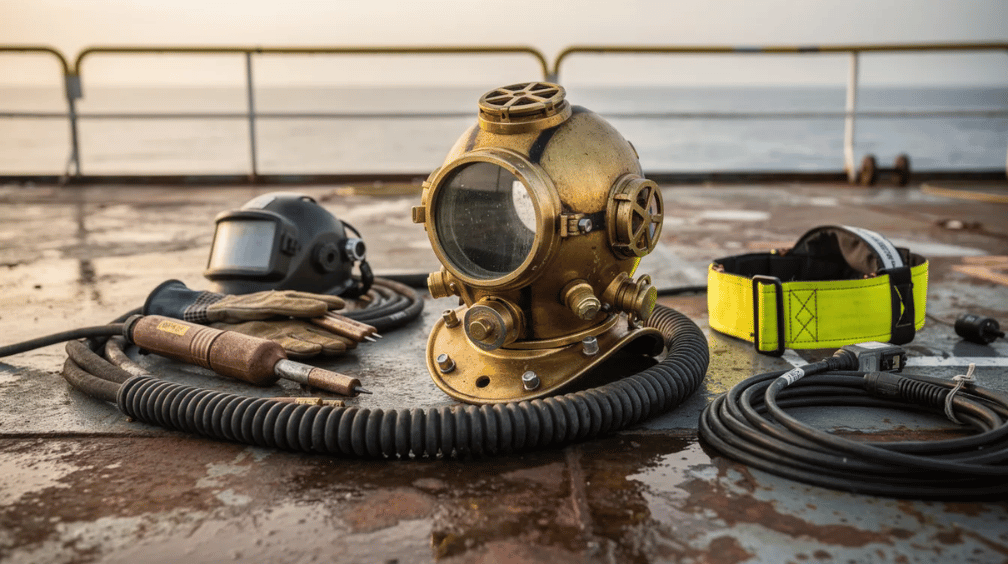
Specialized equipment designed for underwater work includes helmets, full-face masks, umbilicals, thermal diving suits, insulation, ground protection, and communication systems. This diving equipment supports breathing, heat retention, and control of electrical risk.
Regular safety inspections of equipment and work sites are vital to ensure machines, cables, connectors, and hazards are checked before work begins. Unlike online security verification that filters malicious bots through a security service and may show respond ray id after verification successful, underwater safety has no easy reset.
Emergency Procedures and Incident Response:
Emergency procedures cover lost gas, unconscious diver, uncontrolled ascent, entanglement, and explosion. Standby divers and topside crews can reduce risk, but even strong safety measures cannot eliminate a significant risk at depth.
Legal Protections and Compensation After Underwater Welding Accidents:
The Jones Act and Seamen’s Rights:
Underwater welders working from vessels or mobile offshore units may be covered under the jones act. The Jones Act allows injured offshore workers to file lawsuits for compensatory damages against employers or other at-fault parties.
Damages may include medical bills, lost wages, pain and suffering, and loss of earning capacity.
Longshore and Harbor Workers’ Compensation and Other Laws:
Injured underwater welders may also be eligible for compensation under the Longshore and Harbor Workers’ Compensation Act (LHWCA), which covers maritime workers engaged in traditional maritime work.
State workers’ compensation, general maritime law, and third-party lawsuits may also apply. This is what laws cover underwater welding injuries in many cases.
Common Injuries and Types of Claims:
Common injuries include electric shock, burns, decompression sickness, traumatic brain injuries, amputations, spinal damage, lung damage, and drowning-related brain injury.
If an underwater welder is injured due to inadequate safety measures or equipment failure, legal expertise needed from a maritime lawyer can help protect rights. A third-party lawsuit may apply against a subcontractor or equipment manufacturer, so legal expertise matters.
FAQ
Frequently Asked Questions


The biggest danger is electric shock leading to unconsciousness and drowning, often caused by equipment failure or human error.
Some investigations place lifetime fatality risk around 15%, making the death rate far higher than many industrial jobs.
Some offshore estimates cite 35–40 years, but outcomes vary by safety practices, depth, health, and job type.
It happens when nitrogen bubbles form during ascent, causing pain, paralysis, brain injury, or death without prompt treatment.
Hydrogen and oxygen from the arc can collect in pockets and ignite, especially in confined spaces.
The two main types are wet welding in water and dry welding inside a pressurized habitat.
Saltwater conducts current, and shock underwater can immediately become a drowning emergency.
They face joint damage, neurological problems, lung disease, hearing loss, chronic pain, and psychological trauma.They face joint damage, neurological problems, lung disease, hearing loss, chronic pain, psychological trauma, and long-term health issues such as Dysbaric Osteonecrosis. Repeated exposure to decompression stress and toxic fumes can cause permanent damage. Additionally, mental health challenges arise due to isolation and the high-risk nature of the job.