Key Takeaways:
-
A Seattle jury awarded $21.5 million to passenger James Hausman after a 2011 Holland America Line sliding glass door incident, court records show.
-
The verdict included $16.5 million in punitive damages after the jury found the cruise line acted with reckless disregard for his safety.
-
A federal judge later threw out the $21.5 million verdict and ordered a new trial after finding Hausman deleted relevant emails.
-
Hausman claimed a traumatic brain injury with seizures, vertigo, memory loss, sleep problems, and cognitive limitations.
-
Jurors heard testimony of 16 similar injuries from automatic doors, while evidence showed over 30 prior injuries occurred due to the same doors.
-
The case is a reminder that cruise ship passengers should report injuries quickly, seek care, preserve evidence, and understand ticket deadlines.
A luxury Holland America Line cruise in 2011 turned into a high-stakes lawsuit after passenger James Hausman was struck in the head by an automatic sliding glass door aboard a cruise ship. What began as a shipboard incident near Hawaii later became one of the most discussed personal injury cases involving passenger safety, corporate negligence, and evidence preservation.
The case involved James Hausman, an Illinois man from Springfield, Holland America Line, and federal court proceedings in Seattle. According to the court’s record in Hausman v. Holland America Line, case 2:13-cv-00937 in the U.S. District Court in Seattle, the jury’s verdict form of October 30, 2015 awarded $5 million in compensatory damages and $16.5 million in punitive damages, $21.5 million in all, and Judge Barbara Rothstein’s order of January 5, 2016 vacated the judgment and ordered a new trial after finding that Hausman had deleted emails.
This article explains what happened, why the award was so large, why it was thrown out, and what injured cruise ship passengers should know before moving forward with a claim.
What Was the Holland America Cruise Ship Lawsuit?
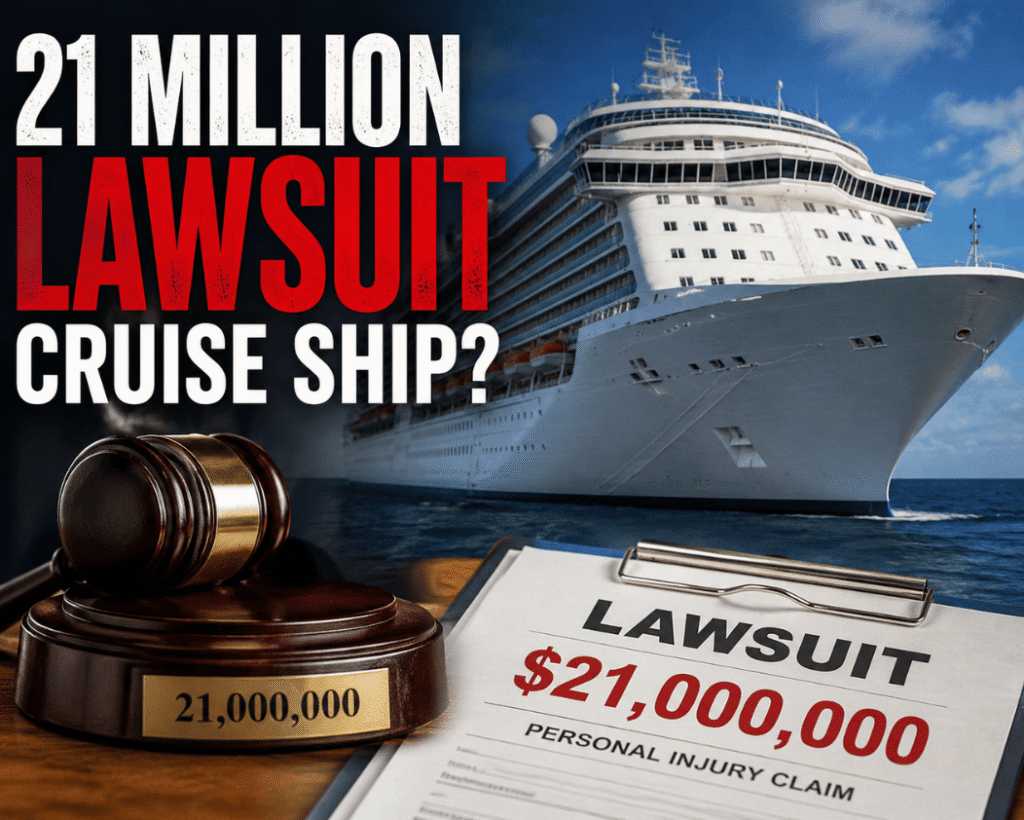
The 21 million lawsuit cruise ship case refers to James Hausman’s lawsuit against holland america line after he was hit by an automatic sliding door on a Holland America cruise ship during a 2011 voyage. In 2015, a Seattle jury found Holland America Line negligent for Hausman’s injuries and awarded $21.5 million.
The award included:
-
$5 million in compensatory damages for past and future pain and suffering, disability and emotional distress.
-
$16.5 million in punitive damages against the cruise line.
-
A finding on the verdict form that Holland America acted with reckless disregard for his safety and rights.
-
A later ruling by U.S. District Judge Barbara Rothstein vacating the verdict because of deleted emails.
-
A new trial order, rather than a final dismissal of the case.
According to reporting from the ABA Journal, the case took a dramatic turn after Hausman’s former personal assistant came forward with information about missing emails and an undisclosed email account.
The Cruise Ship Door Accident: Timeline and Location:
The incident occurred in 2011 aboard a Holland America Line cruise ship identified in court records and news coverage as the ms Amsterdam. Hausman was on an around-the-world voyage, and the ship was approaching Honolulu, Hawaii, when the sliding door accident happened.
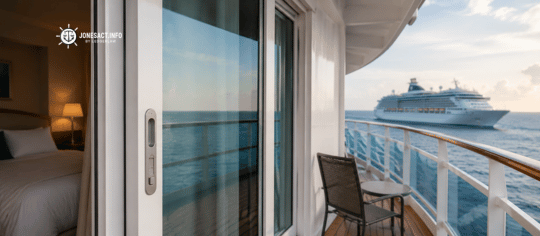
Hausman, then 61, walked through an automatic sliding glass door that led toward an outer deck area. The door allegedly closed too quickly and struck him in the temple or side of the face. He was bleeding, dazed, and later examined by onboard medical staff.
The lawsuit was filed in federal court in Washington state, where Holland America is headquartered and where its passenger ticket contracts often require cases to be filed. The trial later took place before a federal jury in Seattle.
This was not treated as a simple accident involving a door. The plaintiff argued that the company had notice of a mechanical hazard and failed to protect cruise ship passengers from a known risk.
The Passenger’s Injuries: From Sliding Glass Door to Brain Injury:
Hausman claimed the sliding glass door caused a traumatic brain injury. He said the head strike led to concussion symptoms that developed into long-term medical episodes, including seizures, vertigo, dizziness, fatigue, memory loss, and post-concussion syndrome.
The victim experienced seizures and memory loss after the accident. Hausman also claimed the injury made it harder to multitask, tolerate bright lights, function in busy public places, and stay awake normally. His wife, Carol Hausman, reportedly testified that he was not the same person after the incident.
The injuries also affected his business life. Hausman said he had to sell or significantly reduce his role in the gold center, his Springfield business, because of cognitive problems and physical limitations.
Medical experts linked the symptoms to the head trauma from the automatic sliding door. The plaintiff suffered a traumatic brain injury from an automatic door, and his lawyers argued that the long-term effects changed his daily life.
The Seattle Jury Verdict: How the Award Was Reached:
After a nine-day trial in 2015, the jury found Holland America Line negligent for Hausman’s injuries.
The award was divided into two major parts:
Type of damages | Approximate amount | Purpose |
Compensatory damages | $5 million | Pain and suffering, disability, emotional distress and loss of enjoyment of life |
$16.5 million | Punitive damages after a finding of reckless disregard | |
Total verdict | $21.5 million | Full jury award before later vacatur |
The jury assessed $16.5 million in punitive damages. On the verdict form it found that Holland America acted with reckless disregard for his safety and rights.
Jurors heard testimony of 16 similar injuries from automatic doors. The case involved 16 similar prior injuries from automatic doors, and other evidence suggested a broader pattern across cruises operated by the cruise line.
Holland America argued that Hausman walked into the door himself and disputed responsibility. But the jury sided with the injured passenger after considering the testimony, expert opinions, and security camera footage.
Inside the Evidence: Surveillance Video, Door Settings, and Cruise Line Knowledge:
The verdict turned heavily on evidence about the door, the video, and what Holland America knew before Hausman was injured.
Security camera footage showed Hausman approaching or passing through the automatic sliding glass door when it closed and struck his head. Hausman’s lawyers used the video to argue that he did not simply walk into a stationary door.
Experts testified that automatic doors should not strike pedestrians according to experts. They also argued that the automatic sliding system, motion sensors, and hold-open timing were allegedly set in a way that allowed the door to close quickly.
Plaintiff attorneys argued that the doors may have been calibrated aggressively to reduce air conditioning loss and save money on air conditioning costs. In other words, the claim was that passenger safety was compromised in an attempt to control air conditioning and energy use inside the ship.
The Cochran Firm summary notes that jurors heard evidence of prior incidents and expert testimony about automatic sliding systems. Evidence showed over 30 prior injuries occurred due to the same doors, though the judge admitted 16 similar incidents at trial as relevant.
Holland America did not admit the door was defective. The company maintained that its systems were reasonable and placed blame on Hausman’s movements during the incident.
Why Punitive Damages Were Awarded:
Punitive damages are different from compensatory damages. They are not just meant to pay victims back for losses; they are meant to punish especially reckless conduct and deter similar behavior in the future.
In this case, the jury awarded $16.5 million in punitive damages against Holland America. The size of the award reflected the jury’s view that the cruise line’s conduct went beyond ordinary negligence.
The plaintiff’s argument was straightforward: Holland America knew automatic doors had struck people before, yet failed to make sufficient safety changes. Jurors heard testimony that automatic doors had injured passengers in prior incidents, and that door settings could have been modified to make impacts less likely.
Noteworthy cases raise awareness of passenger rights regarding corporate negligence. They also send a signal to cruise lines that mechanical hazards are not minor maintenance issues when they can trigger medical episodes, cause brain injury, or seriously change a passenger’s life.
Cruise lines are legally required to protect passengers from mechanical hazards. Following high-profile lawsuits, cruise lines may need to increase safety modifications and warnings following lawsuits, especially around automatic sliding doors, stairways, deck surfaces, and other areas where equipment can injure passengers.
How the Verdict Was Thrown Out?
The case changed dramatically after the jury award. In January 2016, federal judge Barbara J. Rothstein vacated the verdict and ordered a new trial.
The issue was not the original door incident itself. It was evidence.
Hausman’s former personal assistant, Amy Mizeur, contacted Holland America’s lawyers and reported that Hausman had deleted emails and failed to disclose a personal email account. Some recovered emails appeared to contradict parts of his trial testimony about his limitations after the injury.
One example involved Hausman’s testimony about avoiding ladders because of vertigo. A recovered email described him using a fire ax from a 10-foot ladder to chop ice off his front porch. That detail became important because it suggested his daily activities may not have matched his courtroom claims.
The judge found that Hausman intentionally destroyed or failed to preserve relevant evidence during discovery. She also found his testimony evasive and inconsistent. However, Judge Rothstein expressly stated that she was not finding misconduct by Hausman’s lawyers.
Because the deleted evidence affected credibility and trial preparation, the judge concluded the verdict could not stand. Holland America obtained a new trial order, though the case was not dismissed with prejudice at that stage.

Legal Lessons from the Case: Cruise Line Liability and Evidence Duties:
This case shows two sides of cruise litigation.
First, a jury can find a cruise line negligent in a cruise ship injury case, as this one did. Cruise lines have duties to maintain safe premises, warn passengers of known dangers, and address dangerous mechanical systems such as an automatic sliding door.
Second, even a large verdict can fall apart if evidence rules are violated. In personal injury cases, plaintiffs must preserve emails, medical records, text messages, social media posts, photos, and communications about their condition.
Deleting or hiding evidence is called spoliation. It can lead to serious sanctions, including a new trial, dismissal, adverse jury instructions, or the loss of an award.
The lesson is practical: if you are injured on a cruise ship, do not attempt to “clean up” your record. Preserve everything, even documents that may seem unhelpful. Credibility often matters as much as medical evidence.
High-profile lawsuits may also affect the industry beyond one case. Increased insurance costs from high-profile lawsuits could raise ticket prices, and companies may be forced to improve safety systems, warnings, inspections, and maintenance practices.
What To Do After a Cruise Ship Injury?
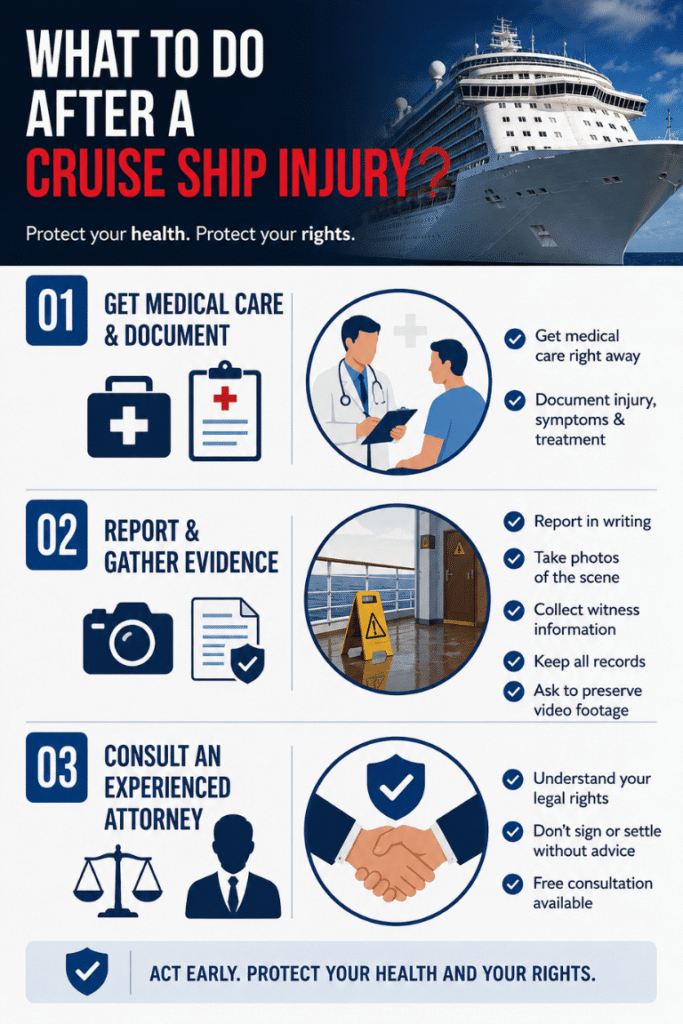
Quick action after a cruise accident can protect your health and your legal rights. This is especially true for head trauma, because symptoms may appear slowly and later trigger medical episodes.
Immediate Medical Care and Documentation:
Get medical care on board as soon as possible. Ask the ship doctor or medical staff to document the injury, symptoms, treatment, and any recommendations for follow-up care.
If you were hit by a sliding door, fell on a wet deck, or suffered another mechanical injury, record how the incident happened while details are fresh. Keep copies of medical notes, prescriptions, and discharge instructions.
Reporting the Incident and Gathering Evidence:
Report the incident to ship personnel in writing and request an incident report. If possible, photograph the area, including the door, floor, warning signs, lighting, and nearby obstructions.
Also collect:
-
Names of crew members who responded.
-
Contact information for witnesses.
-
Photos of visible injuries.
-
Notes about symptoms such as dizziness, seizures, confusion, or memory loss.
-
Any communication from the cruise line after the incident.
If security camera footage exists, ask that it be preserved. Cruise ship video can be overwritten quickly, so acting early matters.
Consulting an Experienced Maritime Injury Attorney:
Cruise injury claims are different from ordinary injury claims. Ticket contracts often contain short deadlines, special notice requirements, and forum-selection clauses.
Before signing a waiver, accepting money, or giving a detailed recorded statement, consider speaking with a maritime injury lawyer. Many attorneys offer a free consultation, and early legal help can prevent missed deadlines or evidence mistakes.
If you need guidance, use a law firm’s official website or direct contact form rather than relying only on ship staff or insurance representatives.
Statute of Limitations and Where Cruise Ship Lawsuits Must Be Filed:
Cruise ship passenger tickets usually control both how long you have to sue and where the lawsuit must be filed.
Many major cruise lines require injury lawsuits to be filed within one year of the incident. That is shorter than many state personal injury deadlines. Missing the deadline can end a claim even if the injury is serious.
Forum-selection clauses also matter. A ticket may require the case to be filed in a specific court, often federal court in a designated city such as Miami, Seattle, or another location tied to the cruise line.
Hausman’s case proceeded in federal court in Seattle, consistent with Holland America’s forum practices. That venue issue is one reason injured passengers should review their ticket contract immediately after an accident.
Conclusion: Why the Holland America Cruise Ship Case Still Matters:
The Holland America door case is remembered for two things. A jury awarded $21.5 million, including $16.5 million in punitive damages, after finding the cruise line negligent. A judge then threw the verdict out and ordered a new trial after finding that Hausman had deleted emails. The court’s docket shows the parties later agreed to dismiss the case, and it closed in June 2016.
The case also shows that a verdict is not the end of the story. The award was thrown out after the federal judge found deleted emails and discovery misconduct, proving that honesty and evidence preservation are essential in injury litigation.
For victims injured on cruises, the practical message is clear: get medical care, report the incident, preserve every form of evidence, and understand the filing deadline. Strong cases can push cruise lines to improve warnings, modify automatic sliding systems, and take passenger safety more seriously.
Related: Cruise Ship Injuries
FAQ
Frequently Asked Questions

James Hausman was struck in the head by an automatic sliding glass door on a Holland America Line cruise ship in 2011, later sued in Seattle federal court, and initially won a $21.5 million jury verdict in October 2015, which the judge threw out in January 2016, as the ABA Journal reported.
The Seattle jury awarded $21.5 million in total: $5 million in compensatory damages and $16.5 million in punitive damages against Holland America Line.
U.S. District Judge Barbara Rothstein vacated the verdict and ordered a new trial after finding that Hausman deleted emails and failed to disclose a personal email account during discovery.
Hausman claimed concussion, traumatic brain injury, post-concussion syndrome, dizziness, vertigo, fatigue, seizures, memory loss, and reduced ability to work and multitask.
The incident occurred aboard a Holland America Line ship identified in reports and court materials as the ms Amsterdam.
The accident happened while the ship was approaching Honolulu, Hawaii, during an around-the-world Holland America Line cruise.
The jury awarded punitive damages after hearing evidence of prior automatic door injuries and arguments that Holland America failed to correct a known hazard despite risks to passenger safety.
Shipboard security camera footage showed Hausman near the automatic sliding door when it closed and struck him, supporting his claim that the door hit him unexpectedly.
No. Holland America denied responsibility, disputed that the door was defective, and argued that Hausman’s own movements caused or contributed to the incident.
Recovered emails contradicted parts of Hausman’s testimony, including claims about avoiding ladders, and the judge found that deleted emails undermined the fairness of the trial.
Many cruise ticket contracts require passengers to file injury lawsuits within one year of the accident, although deadlines can vary by cruise line and contract.
Cruise ticket contracts usually require lawsuits to be filed in a specific court, such as federal court in Miami, Seattle, or another designated forum.
Seek medical treatment on board, report the incident to ship staff, obtain a written report, photograph the scene, collect witness information, and consult a maritime injury attorney as soon as possible.