Key Takeaways:
-
Global Oversight: International treaties like SOLAS and IMO ensure all cruise ships maintain high structural safety and carry sufficient life-saving equipment.
-
Mandatory Drills: Every passenger must complete a safety briefing at the beginning. It helps them learn evacuation routes and locate their specific muster station.
-
Fire Prevention: Cruise lines prohibit open flames and heating elements. It’s crucial because fire causes most accidents at sea.
-
Legal Protection: The Cruise Vessel Security and Safety Act mandates high railings and rigorous crime reporting to protect all passengers.
-
Professional Support: Maritime law is complex. So, you need expert cruise ship attorneys to navigate injury claims and hold lines accountable.
In 2025, the global cruise industry carried around 35M passengers worldwide. No doubt, cruise ships are becoming more popular for their alluring open sea and luxury on a floating resort. But cruise ship safety regulations are also a rising concern among travelers.
In cruise ships, safety is not just a priority; it is a massive, multi-layered operation. It includes structural integrity, hygienic food, appropriate security personal and cruise ship rules. From CCTV footage to following US cruise ship rules, it has different aspects.
Yet, if you suffer from theft, sexual assault, or anything unexpected, you can contact a cruise ship safety advocate to fight for your rights. Jonesact.info Law Firm ensures your justice for any breach of safety rules on cruise ships. Whether you are unaware of cruise ship life jackets, the first line of defense, or need CCTV footage for a court presentation, we will help you with it.
Cruise Ships Safety Rules:
The safety rules of cruise ships start even before a ship leaves the port. They must follow appropriate safety rules to ensure everyone’s safety. So, every crew and passenger on board knows how to react in an emergency.
Mandatory Safety Drills:
The muster drill or mandatory safety drill is the most critical rule for passengers. Under international law, every passenger must participate in a safety briefing. The cruise ship authority arranges it before the ship departs or immediately upon sailing.
Many cruise lines use e-mustering for this drill and declaration. Passengers can actually watch safety videos on their smartphones or stateroom TVs. But passengers must physically check in at their muster station.
Also, cruise ships must arrange regular safety training for their crew members. It must also follow the safety protocols, including weather alerts during its cruise time.
Follow Crew Instructions:
The crew is trained in emergency management. During an emergency, their instructions supersede all other plans. It could be an evacuation or a simple localized code. So, you must follow the crew’s direction. It is a mandatory safety requirement for all guests. If you don’t follow the crew’s instructions and suffer from any injury, you are most likely not going to receive any compensation for it.
Lifeboat and Life Jacket Awareness:
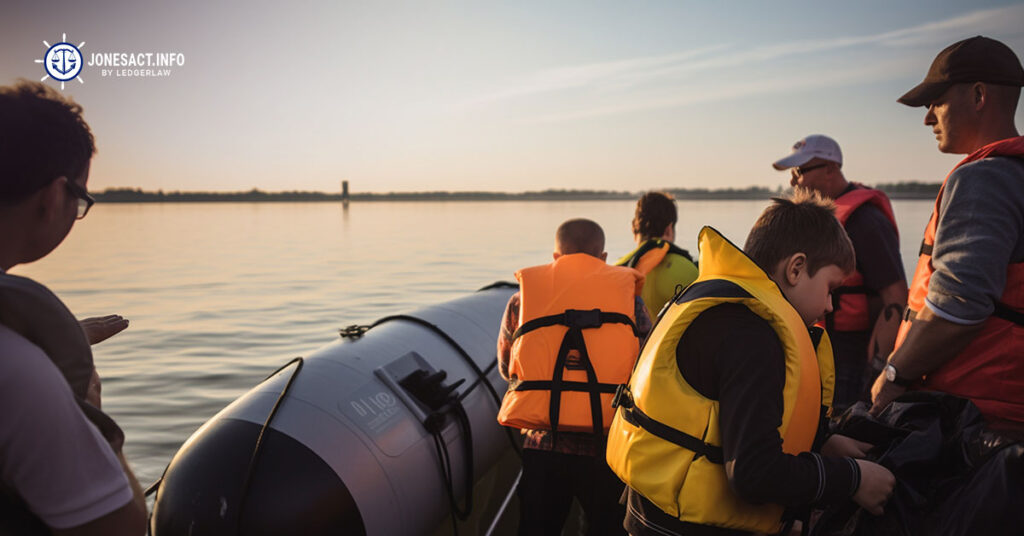
The cruise ship must tell its passengers the location of the cruise life jacket. Most modern ships store life jackets at the muster stations instead of the staterooms. It prevents bottlenecks during an emergency.
Also, passengers should locate the safety boats on cruise ships. The lifeboats should be near their rooms for quick accessibility.
Pool and Water Safety:
Cruise ship pools can be hazardous. The motion of the ship might make the pool stable. So, cruise ship pool rules usually don’t allow:
-
Diving on pool
-
Running on wet decks
-
Swimming alone
For better safety, many cruise lines now employ lifeguards. However, passengers must follow their safety guidelines. Also, guardians are responsible for children’s safety in the water.
Balcony and Deck Safety:
Passengers aren’t allowed to climb on railings or lean over balconies. Most cruise ship falls happen because of intoxication or not following the safety guidelines. Many modern cruise ship balconies now have high-tech sensors. Also, reinforced glass prevents accidental falls.
Fire Safety Awareness:
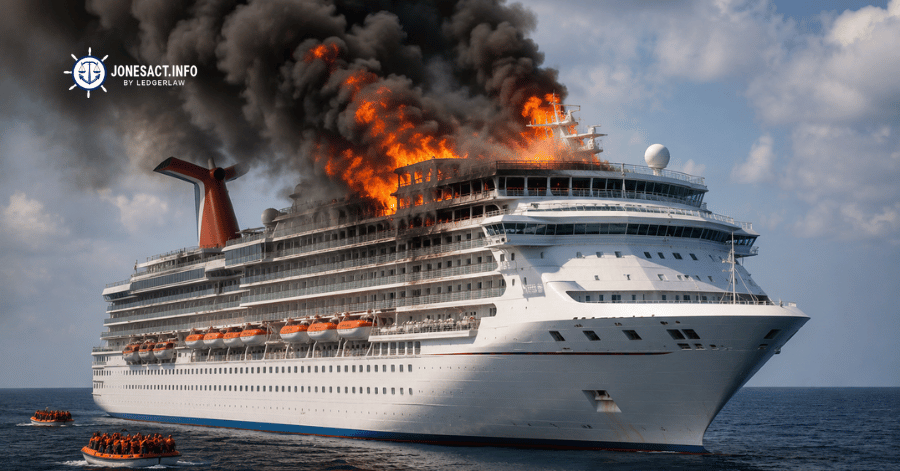
Fire is the greatest threat at sea. Thus, cruise ship authorities take every possible step to reduce the chances of any fire breakout. Passengers aren’t allowed to bring items with heating elements. So, you should avoid irons or candles on cruise ships.
Passengers can smoke only in specific smoking zones. These areas have specialized fire-suppression technology.
Security and ID Checks:
Every person entering or leaving the ship must scan their SeaPass or digital ID. It is crucial to maintain a secure environment inside the ship. Thus, the ship’s security knows exactly who is on board at any given moment. It improves the security for passengers. Too.
Health and Sanitation Rules:
The global health concerns have shifted since the early 2020s after COVID-19. Hygiene and sanitation are more rigorous than ever. Cruise lines have placed mandatory hand-sanitizing stations at every restaurant entrance. Also, passengers must report any gastrointestinal or viral symptoms to the medical center immediately.
Shore Excursion Safety:
The safety rules still apply even when you leave the ship. Cruise lines vet their official excursions for safety standards. You are responsible for returning to the ship on time if you venture out. Also, you must ensure your physical safety in port. Cruise lines aren’t responsible for your safety outside the ship.
Reporting Safety Concerns:
Did you see a broken railing, a slippery floor, or suspicious behavior in the shop? If so, you are required to report it. Modern ships often have Safety Hotlines or mobile app features. So, you can report instantly to the bridge or security team. If the cruise ship proves that you observed a security failure and didn’t notify the bridge, it can go against you. So, your compensation claims may get reduced for it.
What Are the Cruise Ships Safety Regulations?
Cruise ship rules are mainly for passengers to follow. But safety regulations are the legal frameworks for the cruise lines. International bodies and national coast guards apply these cruise ship safety regulations. It ensures the industry follows a global safety standard and maximizes comfort and safety of the travelers.
International Maritime Safety Standards:
The International Maritime Organization (IMO) is the pillar of cruise ship safety guidelines and regulations. It is a United Nations agency and sets the global standards for the safety and security of shipping.
Cruise ships travel through multiple countries’ waters. So, they must follow the IMO and international standards. The guidelines ensure the safety of the ship, regardless of its location on the seas.
SOLAS Safety Requirements for Cruise Ships:
The Safety of Life at Sea (SOLAS) convention is the most important treaty for maritime safety. The treaty was passed after the Titanic disaster. The treaty and its rules have been updated continuously since 1912.
SOLAS covers every safety guideline of cruise ships. It considers ship stability, machinery, fire protection, and life-saving appliances. For example, a ship must carry enough lifeboats and life rafts for 125% of the total number of people on board. It means if the ship carried 100 crew and passengers, the number of lifeboats and rafts should be 125.
Cruise Ship Safety and Security Act Compliance:
U.S. ports visiting ships must follow the Cruise Vessel Security and Safety Act (CVSSA). The law mandates:
-
Specific railing heights (42 inches)
-
Requires "peep holes" in every cabin door
-
Dictates criminal reporting method to the FBI.
CVSSA also ensures that ships have a forensic professional or a rape kit on board. It assists victims of sexual assault.
International Safety Management (ISM) Code:
According to the ISM Code, cruise lines must have a “Safety Management System” (SMS). The safety manual outlines the procedure for every task on cruise ships. It includes everything from bunkering fuel to cleaning a pool.
The standard procedure minimizes operational risk. Also, as per ISM, the company must assign a “Designated Person Ashore.” He is responsible for following safety and operational guidelines as per the ISM codes.
Crew Training and Certification Requirements:
The STCW (Standards of Training, Certification, and Watchkeeping) looks after the crew certification process. The STCW isn’t just for the captain. It applies to even the entertainers and waiters.
Everyone must undergo basic safety training, including firefighting, first aid, and personal survival techniques.
Ship Inspection and Port State Control:
The Port State Control authority regularly inspects the ships. If a ship docks in Miami, the U.S. Coast Guard can board the vessel at any time. They can also check whether the fire doors work or the CCTVs. Also, they can check whether the crew knows the process to launch the lifeboats. If a ship fails, the US Coast Guard can detain the ship and prevent it from sailing.
Health and Sanitation Regulations:
The CDC manages the Vessel Sanitation Program (VSP) in the U.S. It involves unannounced inspections of ship kitchens, water systems, and pools. Ships are scored on a 100-point scale. Also, the VSP authority makes these scores public to ensure transparency in hygiene.
Environmental Protection Requirements:
Safety also includes the environment. The MARPOL (Maritime Pollution) convention regulates ship disposal at sea. It is strictly illegal to dump plastics or untreated sewage into the ocean. Also, ships must use low-sulfur fuels to reduce air pollution.
Accident and Incident Reporting Requirements:
Cruise ship lines can’t hide any accident. The ship must report all marine casualties, such as a collision, fire, or person overboard. The authority is required to report to the ship’s “Flag State.” Also, they must report the accident to the nearest coastal authorities.
Security and Crime Reporting Regulations:
Under the CVSSA, cruise lines must maintain a log of all alleged crimes. Also, they must submit the crime data to the Department of Transportation. It is available for public viewing. So, do people know how safe cruise ships are?
Take Help From Cruise Ship Safety Advocate and Attorney:
Maritime law for cruise ships is complex. For instance, the statute of limitations to file a claim is only one year. Also, a passenger’s contract with your ticket might dictate where you are allowed to sue.
A cruise ship safety advocate can help you. Our experienced cruise ship safety advocates can navigate maritime law and passengers’ rights. We understand the “Death on the High Seas Act” and determine who is responsible for passenger safety on a cruise ship.
Did you get injured or become a victim of a crime on a cruise ship? You can reach Jonesact.info Maritime Law Firm for a free case evaluation now.
Final Verdict
Cruise ship safety regulations always follow international standards. Yet, falling on board, sexual assault, slips, and minor injuries aren’t rare on cruise journeys. If you are a victim of injury, theft, or assault on Cruise Ships, we ensure your legal protection.
Also, cruise ships must follow the rules set by SOLAS, the International Maritime Organization (IMO), and other authorities. Failing to follow these international safety standards might result in heavy fines for cruise lines.
FAQ
Frequently Asked Questions

Yes, different safety standards and authorities heavily regulate the cruise ships. They must comply with international treaties (SOLAS), the laws of their registered country, and the countries they visit.
The primary international regulator for cruise ships is the International Maritime Organization (IMO). Nationally, organizations like the U.S. Coast Guard, the CDC, and the FBI (for crimes) regulate cruise ship operations.
Most major lines like Disney, Royal Caribbean, and Viking maintain excellent safety records. Safety data is public; you can check the CDC’s Vessel Sanitation scores or the DOT’s crime statistics for specific performance records.
The Ship's Master, aka Captain, is responsible for everyone on board. Legally, the cruise line (the operator) is responsible for maintaining a safe environment. The passenger can hold the operator liable for negligence.
The vaccination requirements depend on their destination and cruise line. In the past two years, many universal mandates have been lifted. However, some specific regions still require vaccination. Always check your specific itinerary's Health Protocols to know about the vaccination requirements.
You can’t carry weapons, illegal drugs (including CBD in many jurisdictions), irons, candles, coffee makers, or open flame. You can check your ship ticket to know what you can carry and what not in the ship.
You can take personal grooming items, like hair dryers or straighteners. Also, Carnival Cruise allows a limited amount of soda water and one bottle of wine per adult. Always check the latest prohibited items list on the Carnival website before packing.
Cruise ships are among the safest means of travel. Since 2010, there has been no record of major cruise ship accidents. Just follow the safety guidelines on cruise ships to enjoy your journey.