Key Takeaways:
-
Port St. Lucie and the Treasure Coast see some of Florida's highest boating accident rates, especially on weekends and holidays along the St. Lucie River and Indian River Lagoon.
-
Most boating accidents are preventable, typically caused by operator inattention, excessive speed, boating under the influence, or operator inexperience-and injury victims can pursue compensation.
-
Florida generally gives victims two years to file a personal injury claim and two years for wrongful death after a fatal boating accident, though federal maritime law may allow three years in some cases.
-
Multiple parties can be held liable, including boat operators, boat owners, rental companies, tour operators, and manufacturers of defective equipment.
-
A boating accident lawyer can investigate the crash, preserve physical evidence that quickly disappears on the water, and negotiate with insurers who often try to minimize payouts.
-
Injured victims may recover compensation for medical bills, lost wages, pain and suffering, property damage, and wrongful death damages through a properly filed claim.
Port St. Lucie sits at the heart of some of Florida’s busiest recreational waterways-the St. Lucie River, Indian River Lagoon, Intracoastal Waterway, and offshore Atlantic waters that draw thousands of boaters year-round. Florida leads the nation in the number of boating fatalities each year, with 685 reportable boating accidents and 81 fatalities recorded in 2024 among 1,030,053 registered vessels, according to the Florida Fish and Wildlife Conservation Commission. Collisions, falls overboard, and groundings regularly produce serious injuries or wrongful death for boat accident victims across the region. This guide covers everything injury victims need to know about a port st lucie boating accidents lawsuit-from common causes and injuries to liability, damages, and how to protect your rights.
An Overview On Port St. Lucie Boating Accidents Lawsuit:
How Boating Accidents Typically Happen Around Port St. Lucie:
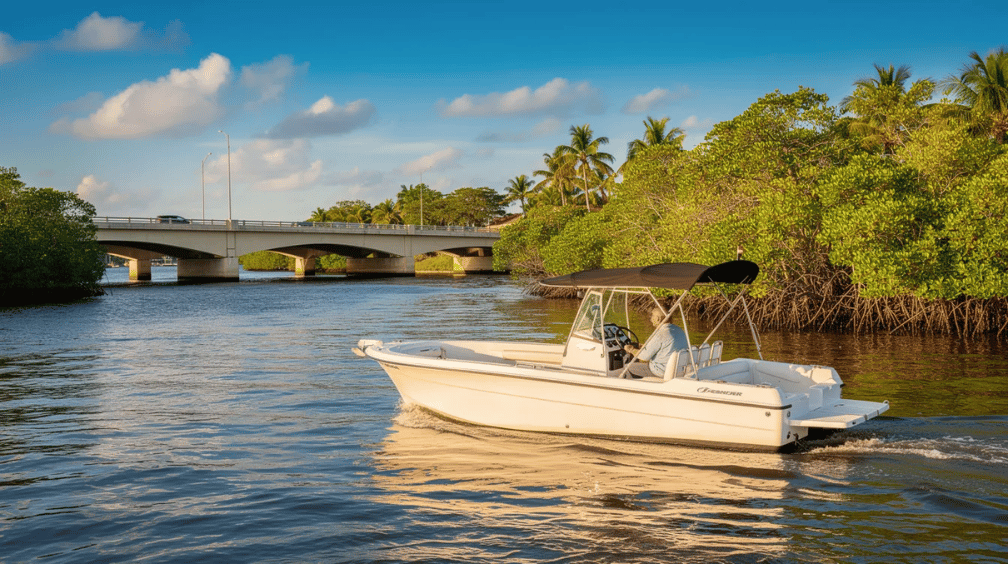
Many boating accidents in the area occur on high-traffic waterways, including:
-
The St. Lucie River (North Fork and South Fork).
-
The Indian River Lagoon and Intracoastal Waterway.
-
Near the St. Lucie Inlet, where tidal currents and heavy traffic converge.
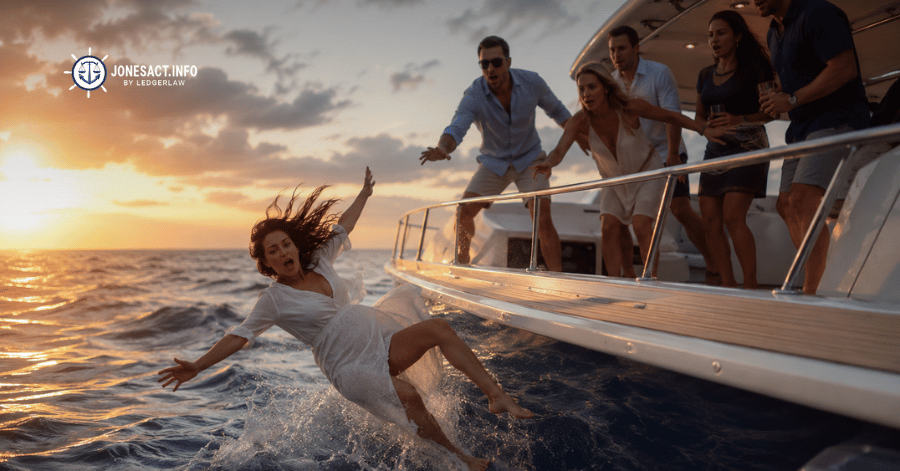
Common crash scenarios include vessel-on-vessel collisions, striking fixed objects like docks, channel markers, and bridge pilings, capsizing, groundings, and propeller strikes. Holiday weekends-Memorial Day, July 4th, Labor Day-and sandbar gatherings near Stuart and Jensen Beach see sharp spikes in serious accidents. Most incidents are preventable and stem from rule violations or careless behavior by boat operators or rental users.
Immediate Legal Considerations After a Boating Accident:
Under Florida Statutes § 327.30, Florida law requires operators to render aid after accidents and operators must exchange contact information after a boating accident. Leaving the scene can result in felony charges if injuries occurred.
After a crash, accident victims should:
-
Call 911 and request help from the Florida Fish and Wildlife Conservation Commission (FWC), the St. Lucie County Sheriff's Marine Unit, or the U.S. Coast Guard.
-
Seek medical attention immediately, even if injuries seem minor-common injuries like concussions, fractures, or internal trauma may not show symptoms right away.
-
Avoid giving recorded statements or accepting early settlement offers before consulting an accident lawyer.
-
Contact boating accident lawyers early to preserve GPS data, photos, witness statements, and coast guard reports.
Boating accident claims often require extensive investigation, and evidence on the water can vanish within hours.
Where Port St. Lucie Boating Accident Lawsuits Are Filed:
Boating accident lawsuits in Port St. Lucie are governed by Florida state laws and federal maritime laws. Many are filed in state court in St. Lucie County, but when an accident occurs on navigable waters like the Intracoastal Waterway or offshore waters, federal maritime law may apply.
The location of the accident and the type of vessel-recreational boat, personal watercraft, charter, or commercial vessel-affect which rules control. A local boat accident attorney can evaluate jurisdiction, choice of law, and deadlines early to avoid losing the right to sue.
Statute of Limitations for Port St. Lucie Boating Accident Claims:
Florida law allows two years to file a boating accident claim for personal injury negligence, measured from the accident date. Wrongful death claims also carry a two-year deadline from the date of death. If federal maritime law applies exclusively, a three-year limitations period may control instead under 46 U.S.C. § 30106.
Waiting too long permanently bars accident victims from recovering medical expenses, lost wages, or other damages.
How Liability Works in Port St. Lucie Boating Accident Lawsuits:
Boating accidents may lead to civil lawsuits based on the legal concept of negligence. Florida follows a modified comparative negligence rule under § 768.81, reducing damage awards by the victim’s share of fault and barring recovery entirely if the victim is more than 50% at fault.
Boating accident claims can involve multiple liable parties, including boat operators, boat owners, rental companies along the Treasure Coast, tour operators, employers of commercial vessel crews, and product manufacturers. Violating boating rules-speed limits, no-wake zones, BUI laws-serves as strong evidence of negligence. Experienced boat accident lawyers are essential for sorting through multiple defendants and insurance policies.
Timeline of a Port St. Lucie Boating Accident Lawsuit:
Below is a visual overview of the typical stages a port st lucie boating accidents lawsuit follows from crash to resolution:
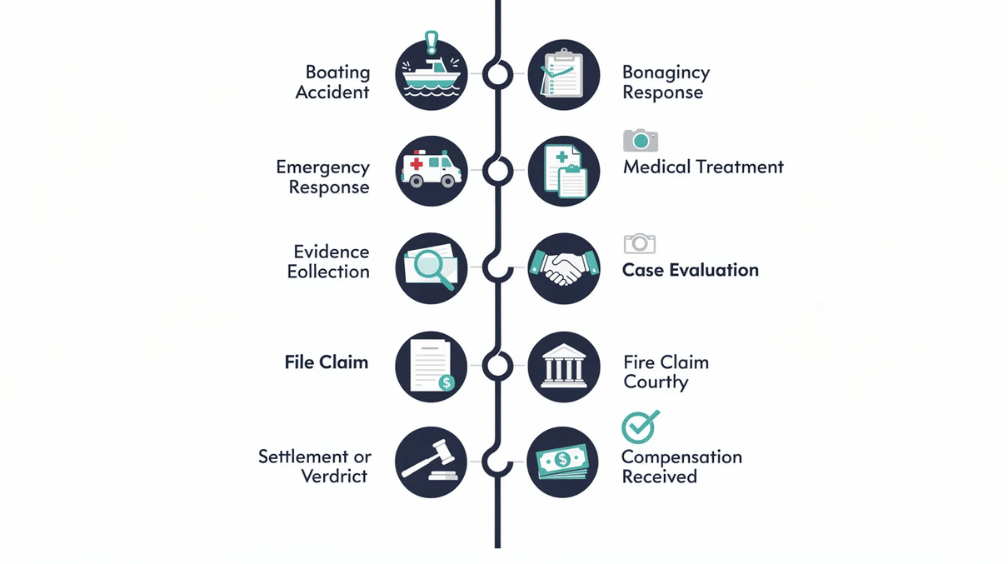
Typical stages: Accident & Emergency Response → Medical Treatment → Initial Attorney Consultation → Investigation & Evidence Gathering → Insurance Claims & Negotiation → Filing the Lawsuit → Discovery & Expert Analysis → Mediation/Settlement Talks → Trial or Settlement → Payout and Resolution. Time frames range from weeks to months depending on injury severity and dispute complexity. Many cases settle before trial.
Common Causes of Boating Accidents in Port St. Lucie:
Operator Inattention and Inexperience:
Common causes of boating accidents include operator inattention and distraction. In 2024, operator inattention caused 37% of Florida boating accidents, making it the single leading cause reported by the Florida Fish and Wildlife Conservation Commission. Inexperienced operators were involved in 52% of reportable boating accidents that year. Failing to maintain a proper lookout, misjudging speed, and unfamiliarity with local channels and sandbars are textbook negligence examples in a boat accident case. A typical scenario: an inexperienced boat driver striking a channel marker near Port St. Lucie boat ramps at dusk because of operator inexperience and poor visibility.
Boating Under the Influence (BUI):
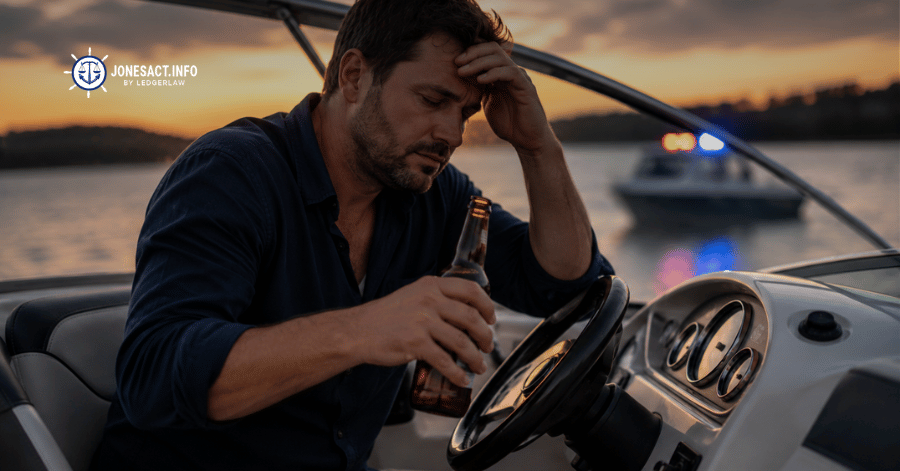
Boating under the influence is a criminal offense in Florida under § 327.35, treating BUI similarly to DUI with a BAC threshold of 0.08. Alcohol use contributed to 36% of boating fatalities in Florida in 2024, and BUI enforcement is aggressive on the Treasure Coast during weekends and holidays. Proof of impairment strengthens a civil negligence claim and may support punitive damages.
Speeding and Reckless Operation:
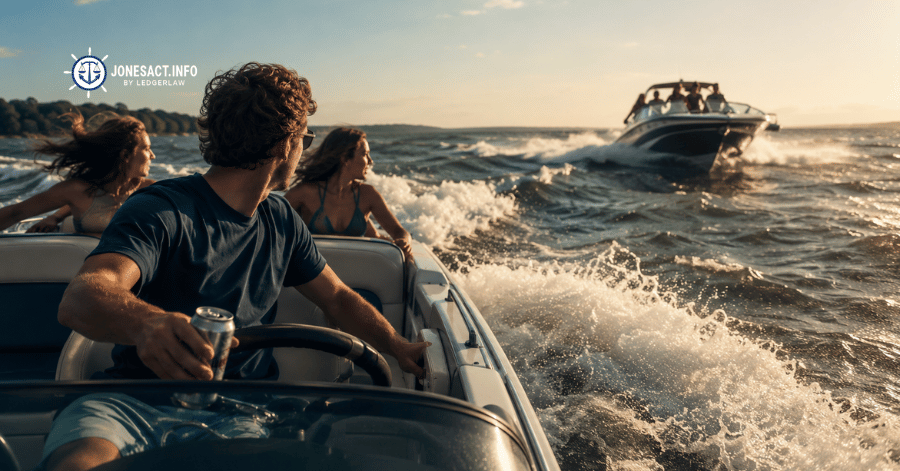
Speeding was a factor in many boating accidents in Florida, including collisions with fixed objects and other vessels. Excessive speed through no-wake zones, dangerous passing at inlets, or weaving near sandbars qualifies as reckless operation under § 327.33. Evidence of speed-wake size, property damage patterns, witness statements-is crucial for establishing fault. This behavior puts passengers, swimmers, and kayakers at serious risk.
Equipment Failure and Poor Maintenance:
Equipment failure was a primary cause in many Florida boating accidents, involving steering, throttle, engine, fuel systems, or navigation light malfunctions. When a boat is not properly maintained by the boat owner or rental company, liability can attach to a preventable breakdown. In some cases, a defective part triggers a product liability claim against a manufacturer. Boating accident lawyers often consult marine experts to inspect damaged vessels and identify design defects.
Hazardous Local Waterway Conditions:
The Treasure Coast presents unique hazards: shifting sandbars, shallow flats, strong tidal currents near St. Lucie Inlet, and sudden summer storms. Operators must adjust speed and navigation accordingly or face negligence findings. Ignoring posted markers, no-wake zones, or traveling at night without proper lighting sharply increases risk on Florida waterways.
Personal Watercraft (Jet Ski) and Rental Accidents:
Personal watercraft like jet ski units, frequently rented by tourists near Port St. Lucie, are overrepresented in serious accidents. In 2024, 65% of operators in fatal accidents lacked formal boater education-a statistic that hits especially hard in the rental market. Limited experience, high speeds, and failure to understand PWC handling lead to devastating blunt trauma, propeller injuries, or drowning. A rental company may be liable for failing to provide proper training, safety gear, or screening for age and education requirements.
Common Injuries in Port St. Lucie Boating Accidents:
In 2021, Florida reported 469 injuries from boating accidents, and the severity often surprises those who think of boating as low-risk recreation.
Trauma, Fractures, and Orthopedic Injuries:
Lacerations are the most common injury from boating accidents in Florida, often from propellers and sharp hardware. High-impact collisions also produce broken bones, dislocations, and deep bruising. Medical treatment can include hospitalization and rehabilitation, and these orthopedic injuries directly affect damage calculations in a personal injury case.
Head and Traumatic Brain Injuries:
Boating accidents can cause serious head and spinal injuries when occupants hit consoles, gunwales, or T-top supports. Even a “mild” concussion can produce lasting memory issues, headaches, and mood changes that reduce earning capacity. Early neurological evaluation is critical to document catastrophic injuries for accident victims.
Neck, Back, and Spinal Cord Injuries:
Violent jolts and ejections cause herniated discs, spinal fractures, and sometimes paralysis. Back injuries and spinal injuries demand surgery, physical therapy, and ongoing pain management-driving substantial medical expenses and lost wages claims. Expert testimony is often required to prove future medical care needs.
Drowning and Near-Drowning Injuries:
Drowning was the leading cause of death in Florida boating accidents in 2024. In 2024, 76% of fatal boating accident victims weren’t wearing life jackets-a preventable factor. Near-drowning survivors may suffer brain damage from lack of oxygen or long-term respiratory problems. These cases often lead to wrongful death or catastrophic injury claims with significant noneconomic damages for a family member left behind.
Burn, Fire, and Explosion Injuries:
Fuel leaks, engine fires, or improper refueling at marinas cause severe burns and inhalation injuries. These cases require intensive treatment, skin grafts, and long rehabilitation, increasing claim value and complexity. Investigation typically targets maintenance practices and fuel system design to identify responsible parties and liable parties.
Psychological and Emotional Trauma:
Survivors frequently experience PTSD, anxiety, depression, or fear of water after serious boating accidents. Therapy records and expert evaluations document mental health harm as part of noneconomic damages. A passenger who cannot return to normal activities or go near the water after a traumatic crash illustrates why these damages matter.
Liability and Determining Fault in Port St. Lucie Boating Accidents:
Negligence is a common legal theory for personal injury lawsuits related to boating accidents. Identifying who is at fault requires examining every party’s actions and responsibilities.
Boat Operators:
Negligent boat operators can be held liable for injuries when they fail to follow navigation rules, maintain unsafe speed, or operate while impaired or inattentive. Boat operators must follow inland navigation rules to avoid liability for accidents. GPS tracks, electronic chartplotter data, FWC reports, and witness statements are crucial to proving a negligent operator caused the crash.
Boat Owners:
A boat owner can be held liable for allowing an unfit or reckless person to operate their vessel under negligent entrustment principles. Owners also bear responsibility when vessels are not properly maintained, lack required safety equipment, or violate federal and state regulations. Insurance policies are frequently in the owner’s name, making owner involvement central to financial recovery.
Rental and Tour Companies:
Businesses renting boats and jet skis in Port St. Lucie, Jensen Beach, and Fort Pierce must properly maintain vessels and provide basic instruction and safety gear. You can sue a rental company for negligent maintenance, failure to enforce age or boater-education rules, or renting to unqualified operators. Waivers and rental contracts can complicate but do not necessarily eliminate the company’s responsibility.
Employers and Commercial Vessel Operators:
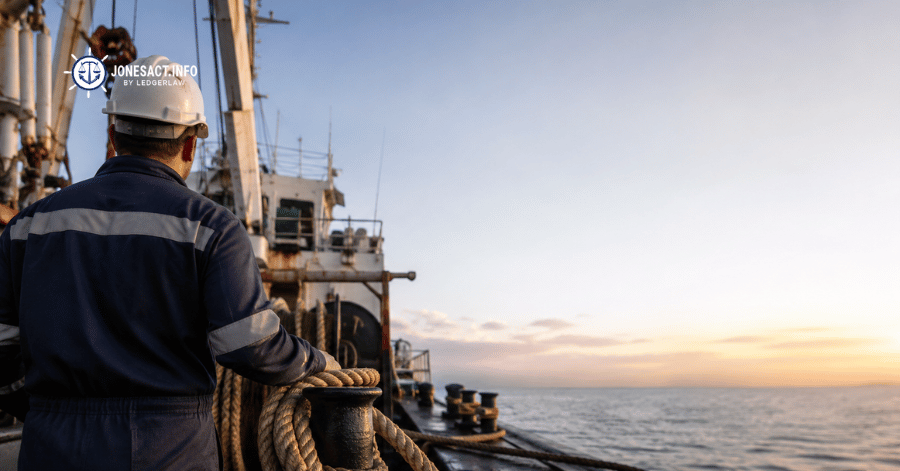
Employers can be liable when crew or captains cause accidents within the scope of employment on charter or tour boats. Federal maritime law doctrines, including the Jones Act, may apply in commercial contexts, affecting procedures and available damages.
Manufacturers and Product Defects:
Boat builders, engine manufacturers, and component suppliers may face product liability claims when design or manufacturing defects cause equipment failure, fires, or structural failures. Proving a defect requires expert engineering analysis and review of recall bulletins or industry standards.
Shared Fault and Comparative Negligence:
Boating accident lawsuits require navigating Florida’s modified comparative negligence laws. In many boating accidents, more than one party shares responsibility. Florida’s system adjusts damage awards when accident victims are partly at fault-for example, not wearing a PFD or riding with a clearly intoxicated operator. A boat accident attorney’s role includes countering insurance attempts to overstate the victim’s share of fault.

Compensation in a Port St. Lucie Boating Accident Lawsuit:
Insurance companies often minimize payouts after boating accidents. Victims can recover economic and non-economic damages in claims, but building a strong case requires documentation and persistence.
Medical Expenses and Future Care:
Recoverable medical damages include emergency transport, ER care, hospitalization, surgery, medications, physical therapy, rehabilitation, and assistive devices. Serious injuries may require projections of future treatment costs supported by expert testimony. Psychological treatment related to trauma is also compensable.
Lost Wages and Loss of Earning Capacity:
Accident victims can seek compensation for missed work, reduced hours, or temporary disability. In severe cases, diminished future earning capacity is claimed when injuries prevent a return to previous employment or limit career advancement.
Pain, Suffering, and Loss of Enjoyment of Life:
Noneconomic damages compensate for physical pain, emotional distress, loss of enjoyment of boating and daily activities, and reduced quality of life. Chronic pain, anxiety, and sleep problems should be documented through medical and personal testimony.
Property Damage and Out-of-Pocket Costs:
Victims can recover compensation for repairing or replacing damaged boats, personal watercraft, and personal items. Towing charges, storage fees, rental boat expenses, and other reasonable out-of-pocket costs tied to the crash are also recoverable. Keep receipts and repair estimates.
Wrongful Death Damages After a Fatal Boating Accident:
Families of those killed in Port St. Lucie boating accidents can bring wrongful death claims under Florida law. Damages include funeral and burial expenses, final medical bills, loss of financial support, loss of companionship, and mental pain and suffering for survivors. Statutes of limitations are strict, making early consultation essential.
What Damages Can Port St. Lucie Boat Accident Victims Recover?:

Categories: Medical & Rehabilitation Costs (hospitalization, therapy, future care) · Income-Related Losses (lost wages, reduced earning capacity) · Noneconomic Damages (pain and suffering, loss of enjoyment) · Property/Wrongful Death Damages (boat repair or replacement, funeral expenses). The exact amount depends on the facts of each boat accident case and applicable law.
Contact JonesAct.info For Boating Accident Related Issue:
Why Talk to JonesAct.info After a Port St. Lucie Boating Accident:
JonesAct.info focuses on maritime and boating-related injury issues and understands the overlap between Florida law and federal maritime rules. The legal team can analyze whether your accident involves recreational boating law, maritime law, or both-and what that means for your claim. Legal representation is crucial for navigating complex boating claims. The Ledger Law Firm can review your case. Many maritime injury lawyers work on a contingency fee, a percentage of what is recovered, with no fee if there is no recovery. Ask any lawyer about costs before you hire them.
What Information to Have Ready When You Reach Out:
Gather these details before making contact:
-
Date, time, and waterway location of the boating accident.
-
Vessel type, weather, visibility, and number of people aboard.
-
Photos or videos of the scene, vessel damage, and visible injuries.
-
Insurance details and copies of FWC or coast guard reports.
-
Notes on whether alcohol, excessive speed, equipment failure, or rental arrangements may have been involved.
Next Steps After Contacting JonesAct.info:
After an initial conversation, accident victims may be connected with experienced boat accident attorneys who evaluate their specific case. Early contact helps align medical care, evidence preservation, and legal strategy. Don’t delay-especially if you suspect negligence by boat operators, owners, or a rental company.
Conclusion: Protecting Your Rights After a Port St. Lucie Boating Accident:
Port St. Lucie and the Treasure Coast, including areas near Martin County and Fort Pierce, see high numbers of boating accidents due to congestion, operator inexperience, speeding, and BUI on busy Florida waterways. Accident victims and families may recover compensation for medical bills, lost income, pain and suffering, and wrongful death damages through a boating accident lawsuit.
Immediate medical care, prompt accident reporting, and early consultation with a boating accident lawyer or JonesAct.info are essential to preserve evidence and meet strict legal deadlines. Never negotiate alone with insurance companies or assume fault without a legal review-many cases reach dry land settlements far below what victims deserve without experienced representation. Take informed action now to protect your future. Whether you suffered injuries on the St. Lucie River, the Intracoastal Waterway, or offshore waters, understanding your legal options is the first step toward financial recovery and fair compensation.
FAQ
Frequently Asked Questions

Ensure everyone's safety, call 911, render aid as required by Florida law, use life jackets, and report the accident to FWC or local law enforcement while gathering basic information if it is safe to do so.
Seek medical attention immediately, even for seemingly minor injuries-internal or head injuries may not show symptoms right away, and prompt treatment protects both your health and your legal claims.
Potentially liable parties include a negligent operator, boat owner, rental company, tour operators, employers of commercial crews, and manufacturers of defective vessels or equipment.
Not always-while the boat driver is often primarily responsible, other parties like owners, rental companies, or operators of other vessels may share fault depending on the circumstances.
Yes. Owners may be held liable for negligent entrustment, poor maintenance, or failing to provide required safety equipment, even if they were not operating the vessel.
A rental company can be liable if it rents to unqualified operators, neglects maintenance, or fails to supply life jackets and basic safety instructions.
Absolutely-alcohol or drug use can support negligence findings, increase available damages, and lead to separate BUI criminal charges against the operator.
Common injuries include fractures, head and brain injuries, spinal injuries, lacerations, near-drowning, burns, and psychological trauma.
Collect photos, witness contact information, insurance and registration details, GPS or electronic data, and copies of any official accident reports.
You may recover compensation for medical expenses, lost income, pain and suffering, property damage, and-in fatal cases-wrongful death damages for surviving family members.
Yes-victims can typically seek compensation for reasonable past and future medical costs caused by the accident, subject to proof and applicable legal rules.
Lost wages and reduced earning capacity can be claimed when injuries caused by the accident prevent you from working or limit future employment prospects.
Certain surviving family members and the decedent's estate may file a wrongful death lawsuit in Florida within the applicable two-year time limit.
Florida has a two-year statute of limitations for most negligence-based boating injury and wrongful death claims, though maritime cases on navigable waters may have different deadlines.
A local lawyer can investigate, gather evidence, deal with insurers, calculate damages, navigate Florida and maritime laws, and represent you in negotiations or at trial to seek fair compensation.
Florida law (section 327.30, Florida Statutes) requires the operator to report an accident involving a death, a disappearance, an injury needing medical treatment beyond immediate first aid, or damage to vessels or other property of at least $2,000 to FWC, the county sheriff or the city police chief.
Lack of a life jacket does not automatically bar recovery but may factor into comparative negligence arguments and should be addressed by your lawyer.
Passengers, swimmers, and people on other vessels can all bring claims if they are injured due to someone else's negligence-not just operators.
Nighttime conditions raise issues about lighting, speed, and lookout, but injury victims still have the same right to seek compensation and pursue their legal options.
Most cases settle without trial, but your legal team prepares for court if insurers refuse to offer full compensation or a fair settlement.